
The founding of the colony that would eventually become New York is a complex narrative, marked by shifting allegiances, competing European powers, and the strategic vision of individuals who laid the groundwork for one of America’s most iconic states. While often simplified to a single founder, the truth is a more nuanced story involving multiple key figures and pivotal historical events. At its heart, the genesis of New York lies with the Dutch, who established the first permanent European settlement.
The Dutch West India Company and the Birth of New Netherland
The story begins in the early 17th century with the ambitious endeavors of the Dutch West India Company. This powerful trading company, chartered by the Dutch Republic in 1621, was tasked with exploring, settling, and defending new territories in the Americas and Africa. Their primary objective was to establish profitable trading posts, particularly in the lucrative fur trade.

Adriaen Block’s Exploration and the Naming of New Netherland
While not a formal founder in the sense of establishing the entire colony, the Dutch explorer Adriaen Block played a crucial role in the early exploration of the region. In 1613-1614, Block commanded an expedition that navigated the waters of what is now the New York Harbor and the river that bears his name, the Hudson River. His explorations revealed the potential for trade and settlement. It was during this period that the Dutch began to refer to the vast territory as “New Netherland” (Nieuw-Nederland).
Peter Minuit and the Purchase of Manhattan Island
The most significant figure often associated with the founding of the colony, particularly its administrative and economic hub, is Peter Minuit. Appointed as the first Director-General of New Netherland by the Dutch West India Company in 1625, Minuit is famously credited with the symbolic “purchase” of Manhattan Island from the indigenous Lenape people. In 1626, Minuit reported back to the Netherlands that he had acquired the island for goods valued at 60 Dutch guilders, a transaction often cited as 24 dollars. This acquisition established the settlement of New Amsterdam on the southern tip of Manhattan, which would grow into the city of New York City. Minuit’s actions, while framed as a purchase, reflect the complex and often contentious land acquisition practices of the colonial era.
Establishing Fort Amsterdam
Under Minuit’s leadership, the Dutch West India Company established Fort Amsterdam at the southern tip of Manhattan Island. This fort served as the administrative center and defensive stronghold of the burgeoning colony. It was from this strategic location that the Dutch would manage their trade and govern the settlers.

Expanding Trade and Settlement
Minuit’s tenure also saw efforts to expand trade networks and encourage further settlement. He recognized the importance of fostering relationships with indigenous tribes, such as the Mahican and Mohawk peoples, for the fur trade, which was the economic engine of New Netherland. However, his policies sometimes led to friction with the indigenous populations.
The Transition from Dutch to English Rule
The Dutch presence in New Netherland, while impactful, was ultimately temporary. The colony’s strategic location and economic potential attracted the attention of other European powers, most notably England.
The English Conquest of 1664
In 1664, during a period of increasing Anglo-Dutch rivalry, England, under the authority of King Charles II, decided to assert its claim over the Dutch territories in North America. A fleet of English warships arrived in the harbor of New Amsterdam, demanding the surrender of the colony. The Director-General at the time, Peter Stuyvesant, a formidable figure in Dutch colonial history, was famously ill-prepared and unable to mount a significant defense. The inhabitants of New Amsterdam, many of whom were Dutch merchants who had established prosperous businesses, were reluctant to resist the English and risk the destruction of their livelihoods.
Renaming New Amsterdam to New York
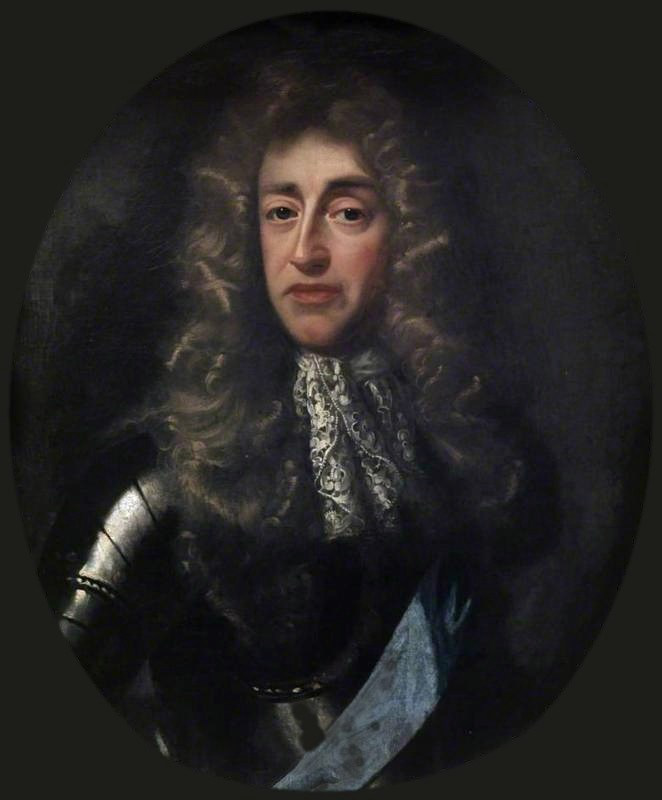
Following the relatively bloodless surrender, the English renamed the colony and its capital city. In honor of the King’s brother, James, the Duke of York (later King James II), the territory was christened “New York.” This marked the end of Dutch rule and the beginning of English administration, a transition that profoundly reshaped the cultural, political, and economic landscape of the region.
The Legacy of the Founders
While Peter Minuit is often recognized for his pivotal role in establishing New Amsterdam and securing Manhattan, the founding of New York is best understood as a collaborative effort, rooted in the ambitions of the Dutch West India Company and shaped by the explorations of individuals like Adriaen Block and the administrative leadership of figures like Minuit and Stuyvesant. The subsequent English conquest, led by figures such as Colonel Richard Nicolls, the first English governor, further cemented the colony’s trajectory under a new sovereign.
The diverse heritage of New York, a legacy of its Dutch origins and subsequent English governance, continues to be a defining characteristic of the state and its premier city. The early settlements, trading posts, and the very names that endure serve as constant reminders of the individuals and entities that laid the foundation for this influential corner of North America. The story of New York’s founding is a testament to the complex interplay of exploration, commerce, diplomacy, and conquest that characterized the colonial era.
LifeOutOfTheBox is a participant in the Amazon Services LLC Associates Program, an affiliate advertising program designed to provide a means for sites to earn advertising fees by advertising and linking to Amazon.com. Amazon, the Amazon logo, AmazonSupply, and the AmazonSupply logo are trademarks of Amazon.com, Inc. or its affiliates. As an Amazon Associate we earn affiliate commissions from qualifying purchases.