
Embarking on a journey from the East Coast to the West Coast of the United States is a significant undertaking, often sparking questions about the duration and logistics of air travel. For those planning a trip from North Carolina to California, understanding the flight time is crucial for effective itinerary planning, whether for business, leisure, or family visits. The flight path spans roughly 2,000 to 2,400 miles, making it a true cross-country experience. While a direct flight offers the quickest passage, various factors can influence the overall travel time, from the specific departure and arrival airports to the airline chosen and even atmospheric conditions. This guide delves into the typical flight durations, influential variables, and tips for a smoother transcontinental journey.

Understanding Flight Duration: Key Determinants
The seemingly simple question of “how long” is influenced by a complex interplay of factors. While the geographical distance between North Carolina and California provides a baseline, actual flight times can vary.
Direct vs. Connecting Flights
The most significant differentiator in flight duration is whether your journey is direct or involves one or more stops.
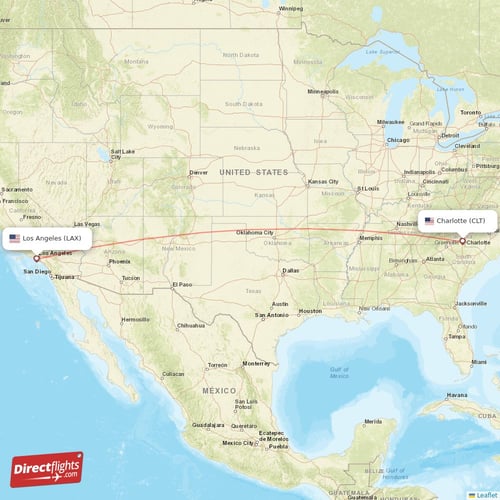
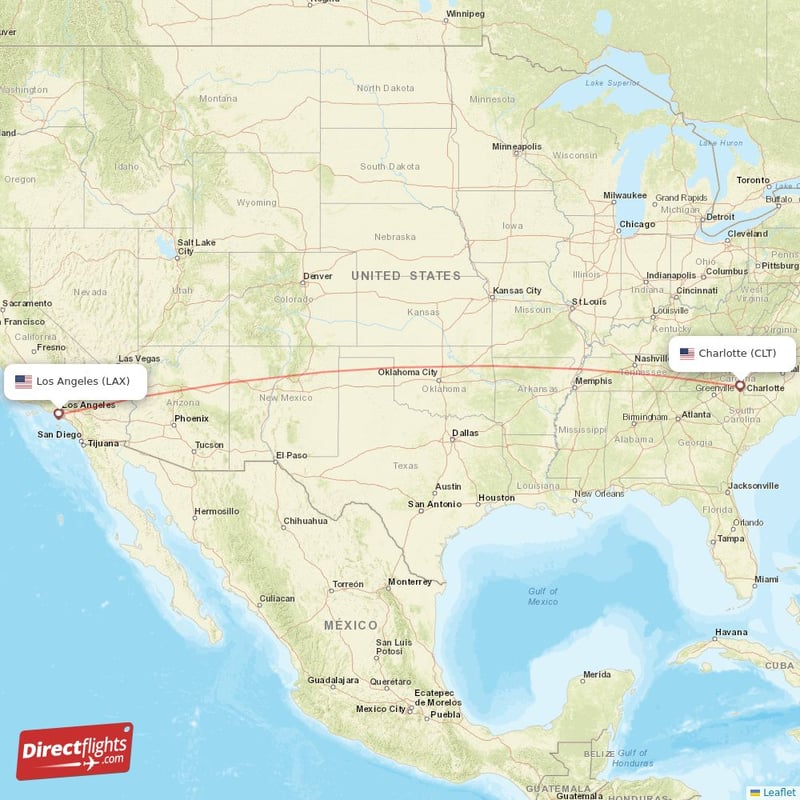
- Direct Flights: A non-stop flight minimizes travel time significantly. These flights typically range from 5 hours to 6 hours and 30 minutes, depending on the specific airports. For example, a direct flight from Charlotte Douglas International Airport (CLT) to Los Angeles International Airport (LAX) might be around 5 hours and 30 minutes, while a flight to San Francisco International Airport (SFO), being slightly further north, could be closer to 6 hours. These times reflect the airborne duration, not including taxiing, boarding, or deplaning.
- Connecting Flights: The vast majority of cross-country flights involve at least one stop. These layovers can add anywhere from 2 to 6 hours, or even more, to your total travel time. A common routing might involve a stop in major hubs like Dallas/Fort Worth International Airport (DFW), Denver International Airport (DEN), or Chicago O’Hare International Airport (ORD). Total travel time for connecting flights often spans from 8 hours to 12 hours, depending on the length of the layover and the efficiency of the connection.
Aircraft Type and Air Speed
Modern commercial aircraft, such as the Boeing 737, 757, 767, or Airbus A320 and A321, typically cruise at speeds between 500-600 miles per hour. While different aircraft models have slightly varying cruising speeds, this factor generally causes only minor deviations in total flight time for a route of this distance. Larger, wider-body jets often used for longer routes might offer a slightly faster journey due to higher cruising altitudes and speeds, but for domestic transcontinental flights, the difference is often negligible compared to other variables.
Atmospheric Conditions and Air Traffic Control
Nature plays a role in flight times. Strong tailwinds, common when flying west to east, can significantly shorten flight durations. Conversely, headwinds, frequently encountered when flying east to west (from North Carolina to California), can extend flight times. A flight that might take 5 hours and 30 minutes with no headwind could easily stretch to 6 hours or more with a strong one. Additionally, air traffic control (ATC) delays, particularly around busy hubs in California or during adverse weather conditions, can lead to holding patterns, adding minutes to the flight path or delaying departure.
Major Departure and Arrival Gateways
The specific airports you fly in and out of will also impact your flight duration and direct flight availability. Both North Carolina and California boast several major international airports.
North Carolina Departure Hubs
- Charlotte Douglas International Airport (CLT): As a major hub for American Airlines, Charlotte offers the most direct flight options to California destinations. You’ll find frequent non-stop services to Los Angeles, San Francisco, and sometimes San Diego.
- Raleigh-Durham International Airport (RDU): Serving the Research Triangle area, RDU also provides direct flights, though generally fewer than CLT. Non-stop routes are often available to Los Angeles and San Francisco with airlines like Delta Air Lines and United Airlines.
- Other North Carolina Airports: Smaller airports like Greensboro (GSO) or Asheville (AVL) will almost certainly require at least one connection, typically through CLT, Atlanta (ATL), or another major hub, significantly increasing overall travel time.
California Arrival Gateways
- Los Angeles International Airport (LAX): As one of the busiest airports in the world, LAX is a primary gateway to Southern California. It receives the highest number of direct flights from North Carolina and typically has the most competitive flight times.
- San Francisco International Airport (SFO): Serving the Bay Area, SFO is another major destination for non-stop flights. Flights to SFO are often slightly longer than to LAX due to the greater distance.
- San Diego International Airport (SAN): Situated further south, SAN also offers direct connections from North Carolina, particularly from Charlotte.
- Other California Airports: Airports such as Oakland International Airport (OAK), San Jose International Airport (SJC), Sacramento International Airport (SMF), or John Wayne Airport (SNA) are less likely to have direct flights from North Carolina. Travelers heading to these destinations should anticipate at least one connection, adding to the overall travel duration.
Typical Flight Times and Major Airlines
To provide a clearer picture, here’s an overview of typical flight times for common routes:
Non-Stop Flight Durations (Approximate)
- Charlotte (CLT) to Los Angeles (LAX): 5 hours 15 minutes to 5 hours 45 minutes
- Charlotte (CLT) to San Francisco (SFO): 5 hours 45 minutes to 6 hours 15 minutes
- Charlotte (CLT) to San Diego (SAN): 5 hours 30 minutes to 6 hours 0 minutes
- Raleigh-Durham (RDU) to Los Angeles (LAX): 5 hours 30 minutes to 6 hours 0 minutes
- Raleigh-Durham (RDU) to San Francisco (SFO): 6 hours 0 minutes to 6 hours 30 minutes
These times represent the actual airborne portion of the journey. Always factor in an additional 30-60 minutes for taxiing, takeoff, and landing procedures.
Airlines Offering Transcontinental Service
Several major carriers operate routes between North Carolina and California. The availability of direct flights depends heavily on the airline’s hub strategy.
- American Airlines: With its major hub in Charlotte, American Airlines is often the go-to for direct flights from CLT to various California cities.
- Delta Air Lines: While Atlanta is Delta’s primary hub, they offer direct flights from RDU and CLT to key California destinations, as well as numerous connecting options.
- United Airlines: Operating through hubs like Houston (IAH), Chicago (ORD), Denver (DEN), and Newark (EWR), United provides direct service from North Carolina to California or connecting flights.
- Southwest Airlines: Known for its extensive domestic network, Southwest offers numerous connecting flights from North Carolina to California, often with competitive pricing, though direct options are less common for this specific route.
- Alaska Airlines and JetBlue Airways: These airlines may offer direct flights on specific routes or connecting services, particularly from RDU or CLT to their respective hubs before continuing to California.
Maximizing Your Cross-Country Travel Experience
A long flight across the country requires a bit of planning to ensure a comfortable and efficient journey.
Booking Strategy for Optimal Duration
- Prioritize Direct Flights: If speed is your main concern, always look for direct flights first. They cut down on total travel time significantly by eliminating layovers and the potential for missed connections. Be prepared that direct flights might sometimes be more expensive.
- Check Different Airports: Don’t limit your search to just one departure or arrival airport. While CLT and LAX are popular, checking RDU or even nearby California airports like SNA or OAK might reveal better options or more convenient timings, even if it means a slightly longer drive at your destination.
- Consider Time of Day: Early morning flights often have a better on-time performance, potentially leading to smoother journeys without as many air traffic delays. Red-eye flights (overnight) can save you a day, arriving in California early in the morning, which might feel shorter due to sleeping through a portion of the flight.
In-Flight Comfort and Preparation
For a journey lasting several hours, comfort is key.
- Hydration and Snacks: Airplane cabins are dry. Drink plenty of water before and during your flight. Pack your own healthy snacks to avoid reliance on airline food or expensive airport options.
- Entertainment: Load up your devices with movies, TV shows, podcasts, or e-books. While most airlines offer in-flight entertainment, having your own ensures options if Wi-Fi or screen functionality is limited.
- Comfortable Attire: Dress in layers and wear loose, comfortable clothing. Bring a travel pillow and eye mask for better rest, especially on longer flights.
- Movement: Periodically get up and walk around the cabin, or do some stretches in your seat, to improve circulation and prevent stiffness.
Navigating Time Zone Changes
Traveling from North Carolina (Eastern Time Zone) to California (Pacific Time Zone) involves a three-hour time difference. This can lead to jet lag.
- Adjust Before You Go: A few days before your trip, try to shift your sleep schedule by an hour or two closer to California time.
- Hydrate and Avoid Alcohol: As mentioned, hydration helps. Alcohol can exacerbate jet lag symptoms.
- Embrace the New Time Zone: Upon arrival, immediately adjust to the local time. Expose yourself to natural light during the day and try to go to bed at a reasonable local hour, even if you’re not tired.
In conclusion, a flight from North Carolina to California typically takes between 5.5 to 6.5 hours for a direct flight and 8 to 12+ hours for a connecting flight. By understanding the variables at play and planning strategically, you can ensure a smooth and enjoyable cross-country air travel experience.
LifeOutOfTheBox is a participant in the Amazon Services LLC Associates Program, an affiliate advertising program designed to provide a means for sites to earn advertising fees by advertising and linking to Amazon.com. Amazon, the Amazon logo, AmazonSupply, and the AmazonSupply logo are trademarks of Amazon.com, Inc. or its affiliates. As an Amazon Associate we earn affiliate commissions from qualifying purchases.