
Embarking on a career in law enforcement in California is a profound lifestyle choice, demanding unwavering commitment and resilience. The initial gateway to this profession is the police academy, a transformative period that fundamentally reshapes an individual’s daily existence, mental fortitude, and physical capabilities. Understanding the duration of the California police academy is not merely about knowing a number; it’s about comprehending the intensive lifestyle commitment required to transition from civilian to sworn peace officer. The academy experience is designed to rigorously prepare recruits for the multifaceted challenges of protecting and serving diverse communities across the state, from the bustling urban centers of Los Angeles to the sprawling landscapes of Riverside County.
The California Police Academy: An Overview of the Commitment
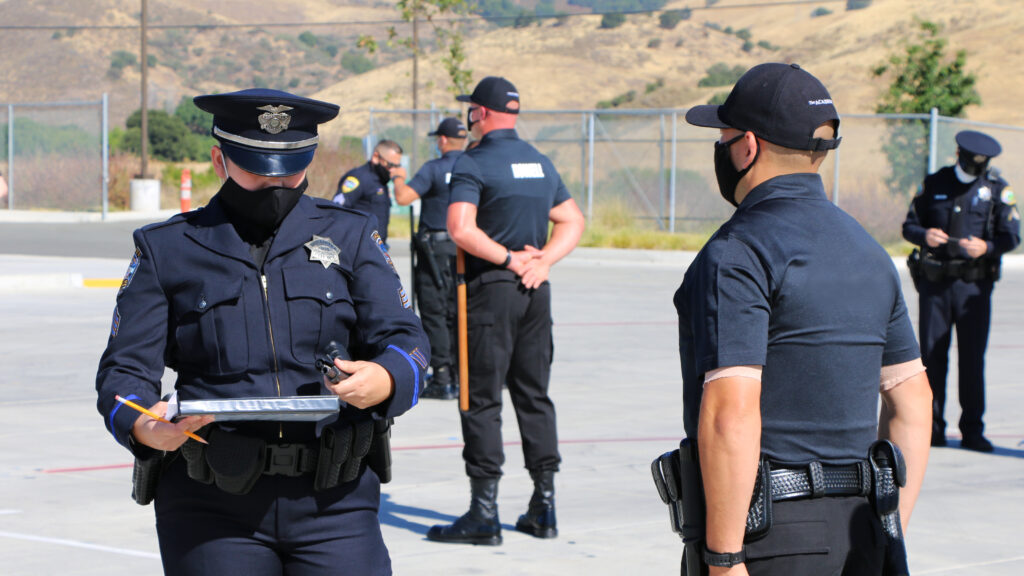
The length of a California police academy can vary, but generally, cadets can expect a demanding program lasting between 4 to 6 months, typically encompassing 800 to 1,000 hours of intensive training. This isn’t a part-time endeavor; it’s an all-consuming commitment that becomes the focal point of a recruit’s life for its duration. The curriculum, mandated by the California Commission on Peace Officer Standards and Training (POST), ensures a standardized level of competency for all peace officers in the state, regardless of the specific agency they intend to join.
The variations in duration often depend on the type of academy. Some are “live-in” academies, such as the CHP Academy in West Sacramento, which houses recruits for approximately 27 weeks. These residential programs immerse cadets fully in a highly structured environment, akin to military basic training, where their personal and professional lives become entirely intertwined with the academy’s routine. Other academies are “non-residential” or “commuter” programs, often run by community colleges or regional training centers, which allow recruits to return home at the end of each day. While offering a different dynamic, these programs maintain the same rigorous POST curriculum and intense schedule. Additionally, some agencies operate their own academies, like the LAPD Academy or the LASD Academy, which may tailor their programs slightly while adhering to state requirements, sometimes extending the duration to incorporate agency-specific policies and advanced training relevant to their unique operational environments. Regardless of the format, the core commitment remains—a significant block of time dedicated solely to mastering the skills and knowledge essential for law enforcement.
The Daily Grind: A Recruit’s Lifestyle During Training
Life as a California police recruit is meticulously structured and intensely demanding, profoundly altering one’s personal lifestyle. The academy environment is designed to strip away individual habits and instill a collective, disciplined mindset crucial for effective law enforcement.
Physical Demands
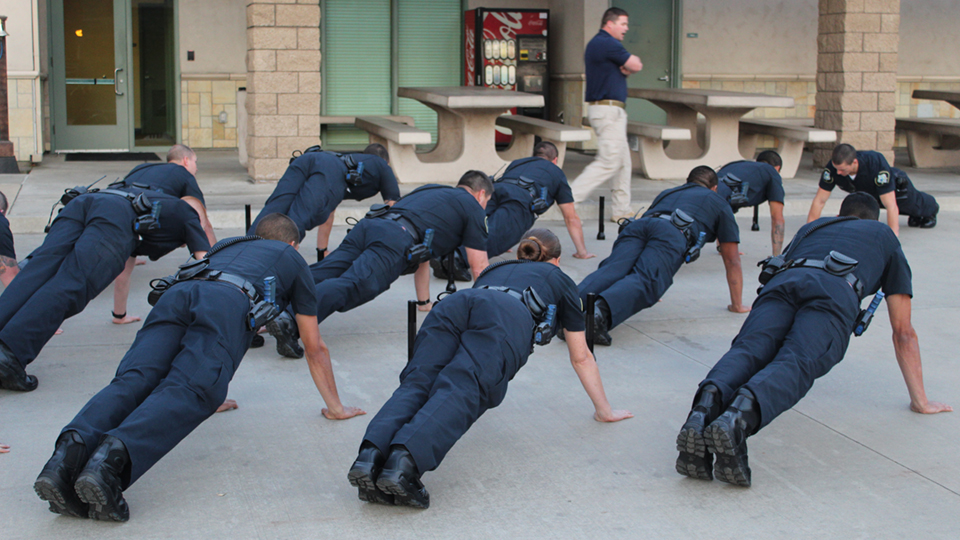
The physical component is relentless. Recruits endure daily physical training sessions, often starting before dawn, focusing on cardiovascular endurance, strength, and agility. This includes extensive running, calisthenics, obstacle courses, and defensive tactics training. Firearms proficiency, involving countless hours on the range, is another critical element, requiring not just physical skill but immense mental focus under pressure. The lifestyle during these months mandates peak physical condition, pushing recruits beyond their perceived limits, fostering resilience and a high tolerance for discomfort. Any existing physical limitations must be addressed long before the academy begins, as the pace leaves little room for catching up. This physical regimen shapes not only their bodies but also their mental toughness, instilling the discipline required for split-second decisions in high-stress situations.
Mental Rigor
Beyond the physical, the intellectual demands are equally strenuous. Classroom instruction covers an exhaustive range of topics, including constitutional law, criminal procedure, vehicle codes, evidence collection, ethics, community policing, and report writing. Recruits are expected to absorb vast amounts of information, understand complex legal frameworks, and apply critical thinking skills to hypothetical scenarios. Regular exams, practical simulations, and mandatory academic standards mean that evenings are often spent studying, preparing for the next day’s challenges, and refining skills. The mental lifestyle of a recruit is one of continuous learning and high-stakes performance, leaving little room for distraction or complacency. This constant mental engagement trains them to process information rapidly and make sound judgments, vital attributes for a peace officer.
Strict Discipline and Routine
The academy imposes a strict, regimented lifestyle. Days begin early, often before sunrise, and end late, with every minute accounted for. Punctuality, attention to detail, uniform inspection, and adherence to commands are paramount. Recruits learn to operate within a rigid hierarchy, respecting authority and following orders without question. Personal freedom is significantly curtailed; even mundane tasks are performed with precision and under supervision. This structured routine is not merely about obedience; it’s about building habits that foster order, efficiency, and a sense of collective responsibility—qualities indispensable for maintaining public safety.
Social Impact

The intensive nature of the academy inevitably impacts a recruit’s social life. For residential academies, contact with family and friends is often limited to weekends or specific visitation times, if at all. Even for commuter academies, the sheer exhaustion from training and studying leaves minimal energy for social engagements. While this period tests existing relationships, it also forges incredibly strong bonds among fellow recruits. They become a surrogate family, sharing triumphs and tribulations, developing a unique camaraderie that often lasts a lifetime. The social lifestyle shifts dramatically, prioritizing the immediate needs of the academy and the collective success of the class.
Beyond the Academy Gates: Preparing for a New Lifestyle
Graduating from the California police academy marks the end of one demanding chapter and the beginning of another: a career and lifestyle as a sworn peace officer. This transition brings its own set of adjustments, impacting not just the individual but their entire support system.
Family and Financial Considerations
The decision to join law enforcement in California is rarely an individual one in terms of its lifestyle implications. For those with families or dependents, the academy period itself presents challenges like separation and potential shifts in household income, especially if the recruit was previously the primary earner and is now receiving academy pay. A robust family support system is crucial during these months. Post-academy, the lifestyle continues to impact family dynamics. Irregular shift schedules, including nights, weekends, and holidays, require families to adapt significantly. Financial planning extends beyond the academy, encompassing considerations for potential relocation to meet agency requirements, managing a new salary structure, and budgeting for the long-term. Understanding these implications beforehand is key to a smoother transition into the law enforcement lifestyle.
Post-Academy Transition
Graduation from the academy is not the end of training; it’s merely the foundation. New officers then enter the Field Training Officer (FTO) program, a critical phase lasting several months. During the FTO program, the theoretical knowledge gained in the academy is applied in real-world scenarios under the direct supervision of experienced officers. This period bridges the gap between the controlled environment of the academy and the unpredictable nature of street patrol. The lifestyle remains one of intense learning and evaluation, albeit with more practical application.
After FTO, officers are typically assigned to patrol, where the realities of shift work and its impact on personal life become palpable. Night shifts, rotating schedules, and the need to be on-call can disrupt sleep patterns, social engagements, and family routines. The emotional and psychological toll of the job—dealing with trauma, confronting danger, and enduring public scrutiny—requires a conscious effort to maintain mental well-being and a healthy work-life balance. Access to agency-provided support services and fostering strong personal coping mechanisms become integral parts of the law enforcement lifestyle.
Is the California Police Lifestyle Right for You?
The journey through a California police academy and into a career in law enforcement is undeniably transformative, shaping every aspect of one’s lifestyle. Before committing to this path, deep introspection and thorough preparation are essential.
Self-Assessment and Preparation
Prospective recruits must honestly assess their motivations, resilience, and willingness to embrace a lifestyle of public service that often comes with significant personal sacrifice. Are you prepared for the physical and mental rigors? Can your support system withstand the demands? Researching specific agencies, such as the LAPD Academy or the LASD Academy, and understanding their unique culture and expectations can provide valuable insight. Prior physical conditioning is not just recommended but often a prerequisite for success, as is mental preparation to handle stress and maintain focus under pressure. Engaging in ride-alongs, talking to active officers, and understanding the day-to-day realities can offer a clearer picture of the lifestyle you are considering.
Long-Term Career Outlook
A career in California law enforcement offers numerous opportunities for specialization, promotion, and continuous professional development. From detective work and K9 units to SWAT and community relations, the path is dynamic and rewarding for those committed to making a difference. However, it’s a demanding profession that requires constant vigilance, ethical conduct, and a commitment to lifelong learning. The lifestyle is one of ongoing challenges and profound satisfactions, where the long hours and inherent risks are balanced by the privilege of serving and protecting communities. Maintaining a healthy work-life balance, leveraging support systems, and engaging in self-care are not luxuries but necessities for a sustainable career in this vital and impactful profession.
LifeOutOfTheBox is a participant in the Amazon Services LLC Associates Program, an affiliate advertising program designed to provide a means for sites to earn advertising fees by advertising and linking to Amazon.com. Amazon, the Amazon logo, AmazonSupply, and the AmazonSupply logo are trademarks of Amazon.com, Inc. or its affiliates. As an Amazon Associate we earn affiliate commissions from qualifying purchases.