
As the sun-drenched heart of Southern California, Los Angeles, California is renowned for its Mediterranean climate, characterized by warm, dry summers and mild, wet winters. Understanding the current temperature is not just a matter of casual curiosity; for travelers, it’s a crucial piece of information that shapes daily itineraries, packing choices, and overall enjoyment of this sprawling metropolis. Whether you’re planning to explore the iconic Hollywood Walk of Fame, bask on the shores of Santa Monica beach, or immerse yourself in the cultural offerings of Downtown Los Angeles, knowing the ambient conditions can significantly enhance your experience.
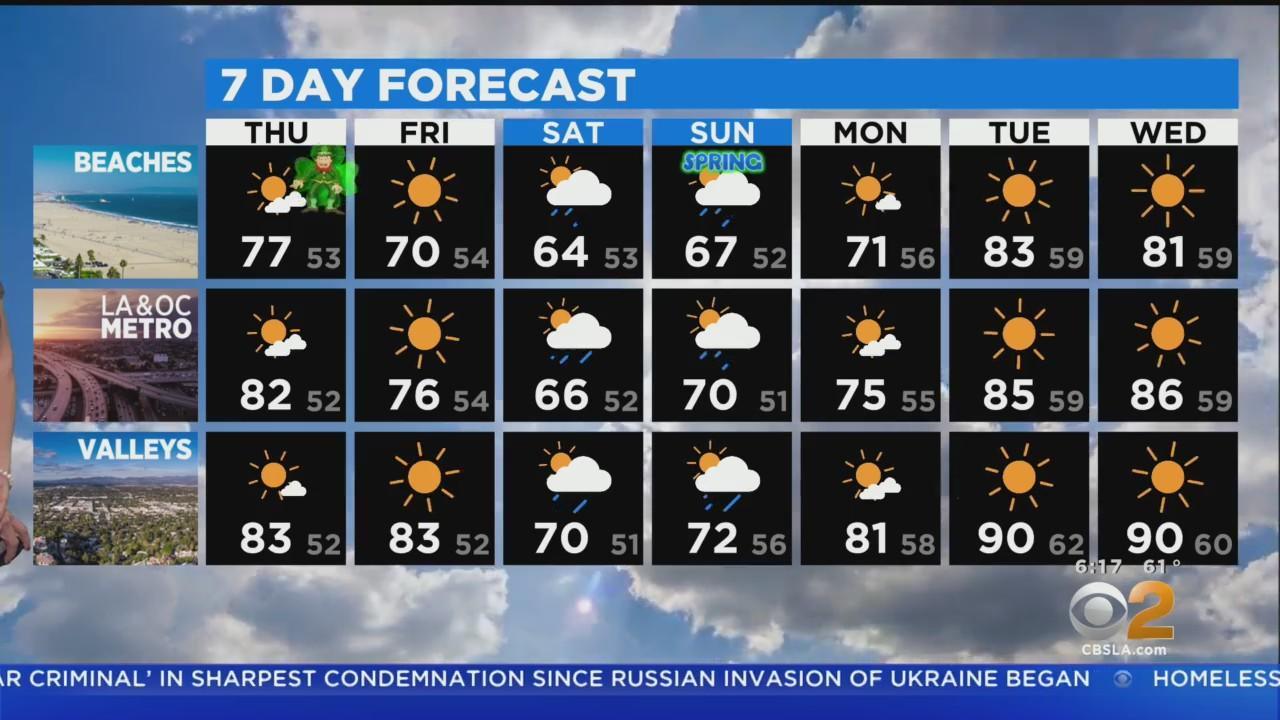
The “right now” temperature in Los Angeles, California is a dynamic figure, influenced by a complex interplay of geographical features, oceanic currents, and urban development. The city’s proximity to the Pacific Ocean acts as a significant moderating force, typically preventing extreme temperature fluctuations. Coastal breezes often bring a refreshing coolness, especially during the warmer months, while inland areas, further from the ocean’s embrace, can experience considerably higher temperatures.
Understanding Los Angeles’s Microclimates
Los Angeles, California’s vast geographical expanse, stretching from the coast to the mountains, creates a fascinating mosaic of microclimates. This means that the temperature can vary significantly from one neighborhood to another, even within a short distance. For instance, a sweltering afternoon in the San Fernando Valley might be considerably more temperate along the coast in areas like Malibu or Venice Beach.
Coastal Influence: The Ocean’s Embrace
The Pacific Ocean plays a pivotal role in shaping the climate of coastal Los Angeles, California. During the day, the land heats up faster than the ocean. Cooler air over the water then moves inland, creating a sea breeze that helps to keep coastal areas pleasant. This effect is most pronounced during the spring and summer months, often referred to as “May Gray” and “June Gloom” due to persistent marine layer clouds that can linger into the late morning. Even when the sun is shining brightly inland, these coastal stretches might be shrouded in a cool, misty veil. As the day progresses and the land cools, the breeze typically subsides, allowing temperatures to rise, though rarely to the extremes found further inland. This moderating influence makes coastal Los Angeles, California a popular destination for those seeking respite from intense heat, offering ideal conditions for beach activities, al fresco dining, and leisurely strolls along the waterfront.
Inland Valleys: Heat and Sunshine
Venturing inland, away from the cooling influence of the ocean, the temperatures in Los Angeles, California can climb considerably. Areas like the San Fernando Valley, which includes neighborhoods such as Burbank and North Hollywood, often experience higher daytime highs, particularly during the summer months. The urban heat island effect also contributes to warmer temperatures in densely populated areas. Here, the sun beats down with more intensity, making air-conditioned accommodations and indoor attractions particularly appealing during the peak afternoon hours. Travelers visiting these regions should be prepared for warmer conditions, ample hydration, and planning outdoor activities for the cooler parts of the day, such as early mornings or late evenings. The perception of temperature in these inland areas can be significantly hotter than on the coast, even when the official “Los Angeles” temperature is reported.
Foothills and Mountain Communities: Elevation Matters
The northern and eastern edges of Los Angeles, California are bordered by mountain ranges, including the San Gabriel Mountains. Communities situated in the foothills and higher elevations surrounding the city, such as Pasadena or areas closer to Mount Wilson, tend to be slightly cooler than the urban basin, especially at night. This is a phenomenon directly related to altitude; as elevation increases, air pressure decreases, and temperatures generally drop. While these areas still experience the general warmth of Southern California, they offer a subtle but noticeable difference in temperature, particularly during the transition seasons of spring and fall. For those venturing into these regions for hiking or exploring nature reserves, it’s wise to pack layers, as temperatures can fluctuate considerably between day and night.
Seasonal Temperature Trends in Los Angeles
While the “right now” temperature is of immediate concern, understanding the broader seasonal trends in Los Angeles, California provides valuable context for planning any visit. The city enjoys a remarkably pleasant climate year-round, which is a significant draw for tourists.
Spring (March – May): Warming Up with a Chance of Bloom
Spring in Los Angeles, California marks a gradual transition from the cooler, wetter winter months to the warmer, drier summer. Temperatures begin to climb, with average daytime highs typically ranging from the mid-60s to the low 70s Fahrenheit (around 18-23°C). While the mornings can still be cool, particularly along the coast where the marine layer might persist, the afternoons generally offer sunshine and comfortable warmth. This is a beautiful time to visit, with wildflowers often blooming in the surrounding hills and a general sense of renewal in the air. Packing layers is advisable, as a crisp morning can quickly turn into a pleasant afternoon.

Summer (June – August): Peak Heat and Sunshine
Summer is synonymous with sunshine and warmth in Los Angeles, California. This is the city’s driest season, with very little rainfall. Daytime temperatures commonly range from the high 70s to the mid-80s Fahrenheit (around 25-29°C) along the coast, with inland areas often soaring into the 90s or even low 100s Fahrenheit (32-38°C+). The ocean breeze provides some relief near the coast, but inland excursions and daytime activities under the direct sun require diligent hydration and sun protection. Evenings typically cool down to the comfortable 60s Fahrenheit (around 15-20°C), making outdoor dining and evening strolls enjoyable. This is the peak tourist season, and while the weather is undeniably delightful for beachgoers and outdoor enthusiasts, it also means larger crowds and higher accommodation prices.
Autumn (September – November): Golden Days and Comfortable Evenings
Autumn in Los Angeles, California is often considered by locals to be one of the most pleasant times to visit. The intense heat of summer begins to wane, and the humidity decreases, leading to consistently mild and sunny days. Temperatures typically range from the low 70s to the high 70s Fahrenheit (around 22-26°C). The “May Gray” and “June Gloom” often give way to clearer skies and more consistent sunshine. Evenings become increasingly crisp, providing a welcome coolness after the day’s warmth, with temperatures often dropping into the 50s and 60s Fahrenheit (around 10-20°C). This season is ideal for exploring the city’s many attractions, hiking in the nearby canyons, or enjoying outdoor cultural events without the oppressive heat of summer.
Winter (December – February): Mild and Occasional Rain
Winter in Los Angeles, California is remarkably mild compared to many other major cities. While it is the rainiest season, significant downpours are infrequent, and many days are still sunny and pleasant. Daytime temperatures usually hover in the low to mid-60s Fahrenheit (around 16-18°C), making it perfectly comfortable for sightseeing. Evenings can be cool, often dropping into the 40s and low 50s Fahrenheit (around 4-10°C), necessitating warmer clothing. This is the off-peak season, offering a great opportunity for budget-conscious travelers to find more affordable accommodations and experience the city with fewer crowds. While not beach weather in the traditional sense, a brisk walk along the coast or a visit to attractions like the Griffith Observatory can be very enjoyable.
Practical Tips for Travelers Based on Temperature
Knowing the current temperature is just the first step; effectively utilizing this information can transform a good trip into a great one. Here are some practical tips for travelers visiting Los Angeles, California based on the prevailing weather conditions.
Packing Wisely for the Angelenos Climate
The key to comfortable packing for Los Angeles, California is layering and versatility. Regardless of the season, always include:
- Lightweight, breathable clothing: Cotton, linen, and moisture-wicking fabrics are ideal for staying cool.
- Sun protection: A wide-brimmed hat, sunglasses, and high-SPF sunscreen are non-negotiable year-round, especially during daylight hours.
- Comfortable walking shoes: You’ll be doing a lot of exploring, from the Santa Monica Pier to the Getty Center.
- A light jacket or sweater: Essential for cooler evenings, particularly near the coast or in the hills, and for air-conditioned interiors.
- A light rain jacket or umbrella: A prudent addition during the winter months, though often not needed during the rest of the year.
For those visiting during the summer, swimwear and beach attire are obvious additions. In winter, pack slightly warmer layers, including a heavier jacket for the evenings.
Planning Your Daily Itinerary
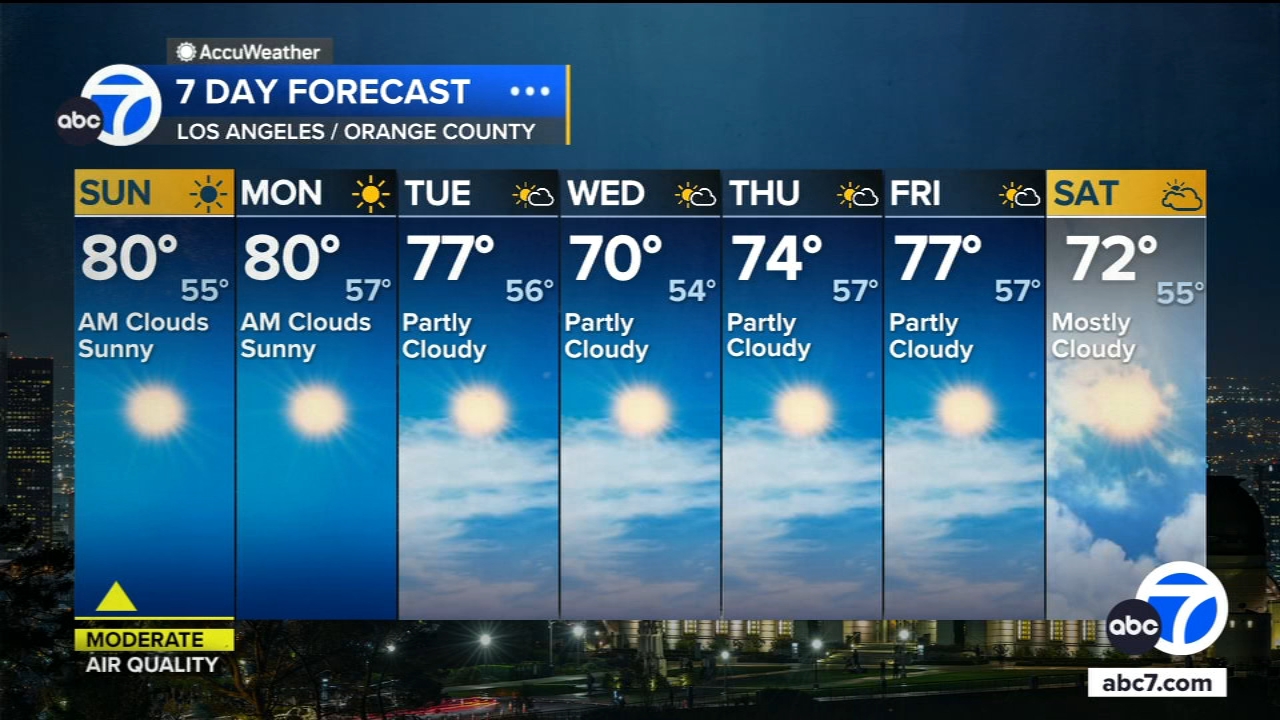
The current temperature and your knowledge of the city’s microclimates should heavily influence your daily planning.
- Hottest part of the day: If the temperature is soaring, particularly inland, schedule indoor activities for midday. This could include visiting world-class museums like the Los Angeles County Museum of Art, exploring the exhibits at the Petersen Automotive Museum, or enjoying a leisurely brunch at a shaded cafe.
- Cooler parts of the day: For outdoor exploration, such as visiting Universal Studios Hollywood or hiking in Runyon Canyon Park, aim for the early morning or late afternoon. This is also the best time for beach visits when the sun is less intense.
- Coastal vs. Inland: Be aware of the temperature difference. If the coast is foggy and cool, but you’re seeking sunshine, consider heading inland. Conversely, if the inland areas are experiencing a heatwave, the coast will likely offer a welcome respite.
By staying informed about the temperature right now in Los Angeles, California, and understanding the factors that influence it, travelers can make informed decisions that enhance their comfort, safety, and overall enjoyment of this vibrant and diverse city. The weather is an integral part of the Los Angeles, California experience, and a little foresight goes a long way in creating unforgettable memories.
LifeOutOfTheBox is a participant in the Amazon Services LLC Associates Program, an affiliate advertising program designed to provide a means for sites to earn advertising fees by advertising and linking to Amazon.com. Amazon, the Amazon logo, AmazonSupply, and the AmazonSupply logo are trademarks of Amazon.com, Inc. or its affiliates. As an Amazon Associate we earn affiliate commissions from qualifying purchases.