
Traveling from the Midwest metropolis of Chicago to the sun-kissed shores and diverse landscapes of California is a common journey for both business and leisure travelers. While the idea of crossing a continent might seem daunting, modern aviation has made it a relatively swift affair. However, the exact duration of a flight can vary significantly based on a multitude of factors that go beyond just the physical distance. Understanding these variables is key to planning an efficient and comfortable trip.
Understanding the Transcontinental Journey
The distance between Chicago and California spans roughly 1,700 to 2,000 miles, depending on the specific cities involved. This vast expanse means a transcontinental flight inherently involves several hours in the air. For many, the primary concern is the actual time spent airborne, but a complete understanding of travel duration must account for airport processes, potential layovers, and even the time zone change.
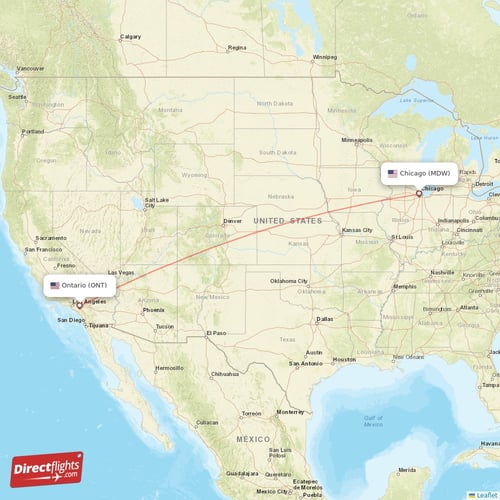
A direct flight offers the most straightforward experience, minimizing the time between takeoff and landing. However, connecting flights, while extending the overall travel time, can sometimes offer more flexible schedules or more competitive pricing. The sheer size of California also plays a crucial role; flying to San Francisco in the north will naturally take a different amount of time than flying to San Diego in the south. Moreover, external elements such as prevailing winds, air traffic control conditions, and the specific aircraft model all contribute to the final flight duration. Travelers flying from O’Hare International Airport (ORD) in Chicago have access to a vast network of routes, providing numerous options to reach various destinations across the Golden State.
Key Factors Influencing Flight Time
Several critical factors determine how long your flight from Chicago to California will truly be. Understanding these elements empowers travelers to make informed decisions when booking their journey.
Direct vs. Connecting Flights
The most significant determinant of flight time is whether your itinerary includes a direct (non-stop) flight or a connecting flight.
- Direct Flights: These flights offer the shortest actual airborne time, typically ranging from 4 to 5.5 hours. They are ideal for travelers prioritizing speed and convenience, though they often come at a premium price. Major airports like O’Hare International Airport in Chicago offer numerous direct routes to key California hubs such as Los Angeles International Airport (LAX), San Francisco International Airport (SFO), and San Diego International Airport (SAN).
- Connecting Flights: These involve at least one stopover at an intermediate airport. While often more affordable, the total journey time is considerably longer, usually ranging from 6 to 10+ hours, depending on the length of the layover and the number of connections. They can, however, be beneficial for those who prefer to break up a longer journey or are looking for specific departure times that direct flights don’t offer.
Specific Destination in California
California is a large state, and the precise arrival airport significantly impacts flight duration.
- Northern California: Flights to cities like San Francisco, Oakland, or Sacramento tend to be slightly shorter due to their more northerly position relative to Chicago’s latitude. Non-stop flights typically fall in the 4 to 4.5-hour range.
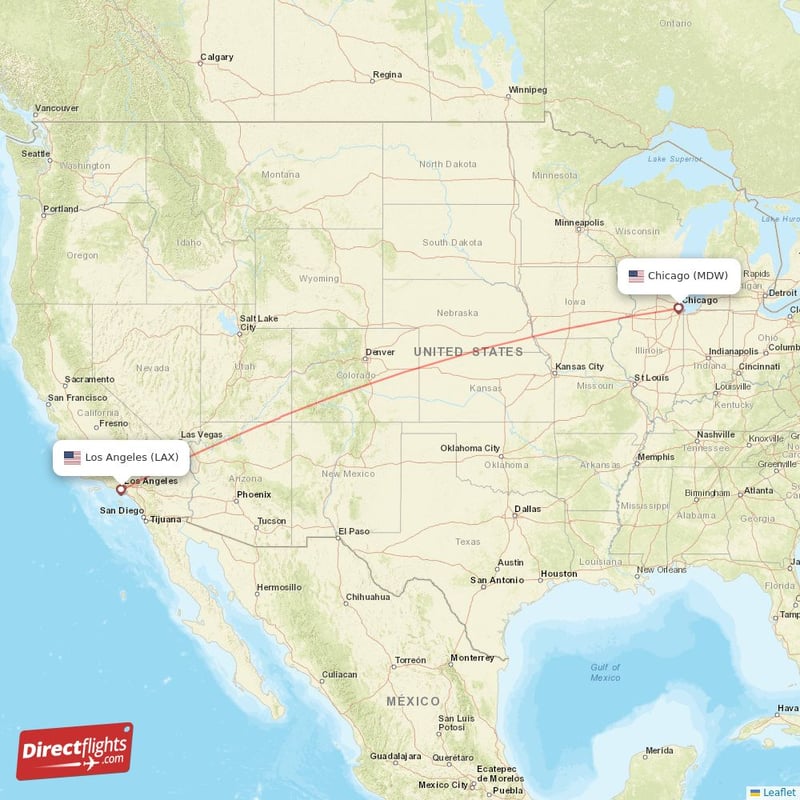
- Southern California: Destinations such as Los Angeles, San Diego, or Orange County are further south, resulting in slightly longer flight times. Non-stop journeys to these areas generally take between 4.5 and 5.5 hours.
Airline and Aircraft Type
The choice of airline and the type of aircraft used can also subtly influence flight duration. Modern aircraft models are often more fuel-efficient and capable of higher cruising speeds. Additionally, different airlines may have slightly varied routing strategies or allocated slot times at busy airports, which can affect scheduled flight times. While these differences are usually minor (perhaps 15-30 minutes), they can add up.
Weather Conditions and Air Traffic Control
Unpredictable elements like weather can impact flight times. Strong headwinds, common when flying westward across the continent due to the jet stream, can add significant time to a flight. Conversely, tailwinds can shorten the journey. Air traffic control at busy hubs, particularly at large airports such as O’Hare International Airport or Los Angeles International Airport, can also lead to ground delays, holding patterns, or re-routing, extending the overall travel time.
Typical Flight Durations by California Region
To provide a more concrete understanding, let’s break down typical flight durations based on popular California regions when departing from Chicago. These are averages and can fluctuate based on the factors mentioned above.
Flights to Southern California (Los Angeles, San Diego, Orange County)
Southern California is a bustling hub for tourism and business, drawing millions to its vibrant cities and famous beaches.
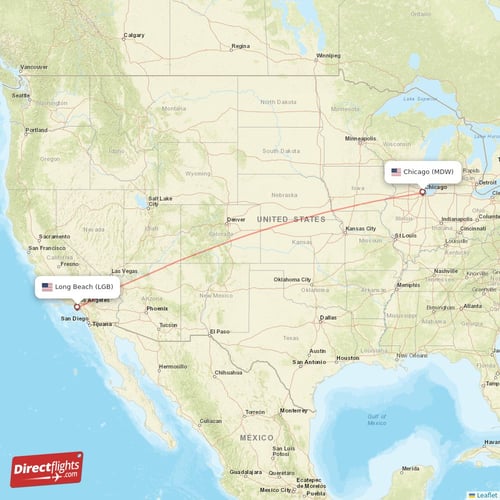
- Non-stop Flights: For direct routes to major airports like Los Angeles International Airport (LAX), San Diego International Airport (SAN), or John Wayne Airport (SNA) in Orange County, expect an airborne time ranging from 4 hours and 45 minutes to 5 hours and 30 minutes. The slight variation depends on the specific destination and prevailing winds.
- Connecting Flights: If your itinerary includes a layover, the total travel time can stretch considerably. These journeys typically range from 6 hours to 10+ hours, with the duration largely dictated by the length and location of your layover. Common connection points might include cities like Denver or Dallas. While longer, connecting flights often present more budget-friendly options.
Flights to Northern California (San Francisco, Oakland, Sacramento)
Northern California, home to the tech industry and iconic natural beauty, offers a slightly shorter aerial journey from Chicago.
- Non-stop Flights: Direct flights to primary Northern California airports such as San Francisco International Airport (SFO), Oakland International Airport (OAK), or Sacramento International Airport (SMF) typically take between 4 hours and 15 minutes to 4 hours and 45 minutes in the air. The fractionally shorter time reflects the geographical alignment.
- Connecting Flights: Similar to Southern California, connecting flights to Northern California will extend your overall travel time. Anticipate a total journey duration of 5 hours and 30 minutes to 9+ hours, again dependent on the stopover details. These flights often offer more departure time flexibility and can sometimes be more economical.
Beyond Flight Time: Total Travel Duration
While the airborne segment is a major component, a realistic assessment of your journey from Chicago to California must include all phases of travel. The “flight time” on your ticket is just one piece of the puzzle.
Getting to the Airport
Factor in the time it takes to travel from your starting point in Chicago to O’Hare International Airport. This includes potential traffic delays, public transportation schedules, and the time required for parking or drop-off. For many, this can add 30 minutes to 1.5 hours before even entering the terminal.
Airport Procedures
Once at the airport, several mandatory steps precede boarding. These include check-in, baggage drop, navigating security checkpoints, and walking to your gate. For domestic flights, it’s generally recommended to arrive at least two hours before your scheduled departure time to allow ample buffer for these procedures, which can be particularly lengthy at a busy hub like O’Hare International Airport.
Layovers
If you opt for a connecting flight, the layover duration is a critical addition to your total travel time. Layovers can range from a quick 45-minute sprint between gates to several hours, or even an overnight stay. Always check the layover time carefully to ensure it’s sufficient but not excessively long, unless planned for.
Deplaning and Ground Transportation
Upon arrival in California, the journey isn’t over. You’ll need time to deplane, potentially wait for checked luggage at the baggage claim, and then arrange for ground transportation to your final destination. This could involve taxis, ride-shares, public transport, or rental car pickup, all of which add to the post-flight travel time.
Time Zone Changes
Perhaps one of the most overlooked aspects is the time zone difference. Chicago operates on Central Time, while California is on Pacific Time. This means there’s a two-hour difference. For example, a flight departing Chicago at 8:00 AM Central Time and landing in Los Angeles 4.5 hours later will arrive at 10:30 AM Pacific Time. While the clock says it’s only 2.5 hours later than your departure, your body has experienced 4.5 hours of travel. This time shift is crucial for planning meetings or activities immediately after arrival and for understanding potential jet lag.
Tips for a Smoother Transcontinental Flight
Making your journey from Chicago to California as smooth and comfortable as possible involves a bit of strategic planning.
Booking Strategically
- Consider Non-stop for Convenience: If your budget allows and speed is a priority, a non-stop flight is the most efficient choice, minimizing overall travel time and reducing the chances of missed connections.
- Evaluate Connecting Flights: For cost savings or specific scheduling needs, connecting flights can be a good option. However, meticulously check the layover durations. Avoid overly short layovers (less than an hour) that leave little room for delays, and overly long ones unless you plan to explore the layover city.
- Book in Advance: Generally, booking flights several weeks or months in advance yields better prices and a wider selection of flight times and routes.
Airport Navigation
- Familiarize Yourself: Before your travel day, quickly review the layout of O’Hare International Airport and your California arrival airport. Knowing which terminals or concourses you’ll be using can save valuable time and reduce stress.
- Utilize Airline Apps: Most airlines offer mobile apps that provide real-time updates on gate changes, delays, and baggage claim information, which can be invaluable for staying informed.
In-flight Comfort
- Stay Hydrated: Air travel can be dehydrating. Drink plenty of water before, during, and after your flight.
- Dress Comfortably: Wear loose, comfortable clothing and layers, as cabin temperatures can vary.
- Bring Entertainment: Load up your devices with movies, music, or e-books. A good book or podcast can make the hours fly by.
- Move Around: On longer flights, try to stand up and walk around the cabin periodically to promote circulation.
- Manage Jet Lag: Start adjusting your sleep schedule a day or two before departure. Once in California, expose yourself to natural light and try to adapt to the local time zone as quickly as possible.
Ground Transportation
- Plan Ahead: Whether you’re using public transport, a ride-share service, or renting a car, arrange your ground transportation in both Chicago and California in advance. This ensures a seamless transition from the airport to your final destination.
By considering all these aspects, travelers can gain a comprehensive understanding of how long their journey from Chicago to California will truly be, enabling them to plan for a more relaxed and enjoyable trip.
LifeOutOfTheBox is a participant in the Amazon Services LLC Associates Program, an affiliate advertising program designed to provide a means for sites to earn advertising fees by advertising and linking to Amazon.com. Amazon, the Amazon logo, AmazonSupply, and the AmazonSupply logo are trademarks of Amazon.com, Inc. or its affiliates. As an Amazon Associate we earn affiliate commissions from qualifying purchases.