
Los Angeles, California, a sprawling metropolis renowned for its entertainment industry, diverse culture, and stunning landscapes, serves as a major global travel hub. For travelers planning a visit to this iconic city, understanding its aviation infrastructure is paramount. While many immediately think of a single dominant airport, the reality is more complex, with a network of airports catering to various travel needs, from international behemoths to more intimate regional gateways and general aviation facilities. This guide delves into the numerous airports that serve the greater Los Angeles area, providing an insightful overview for discerning travelers.

The Primary Gateway: Los Angeles International Airport (LAX)
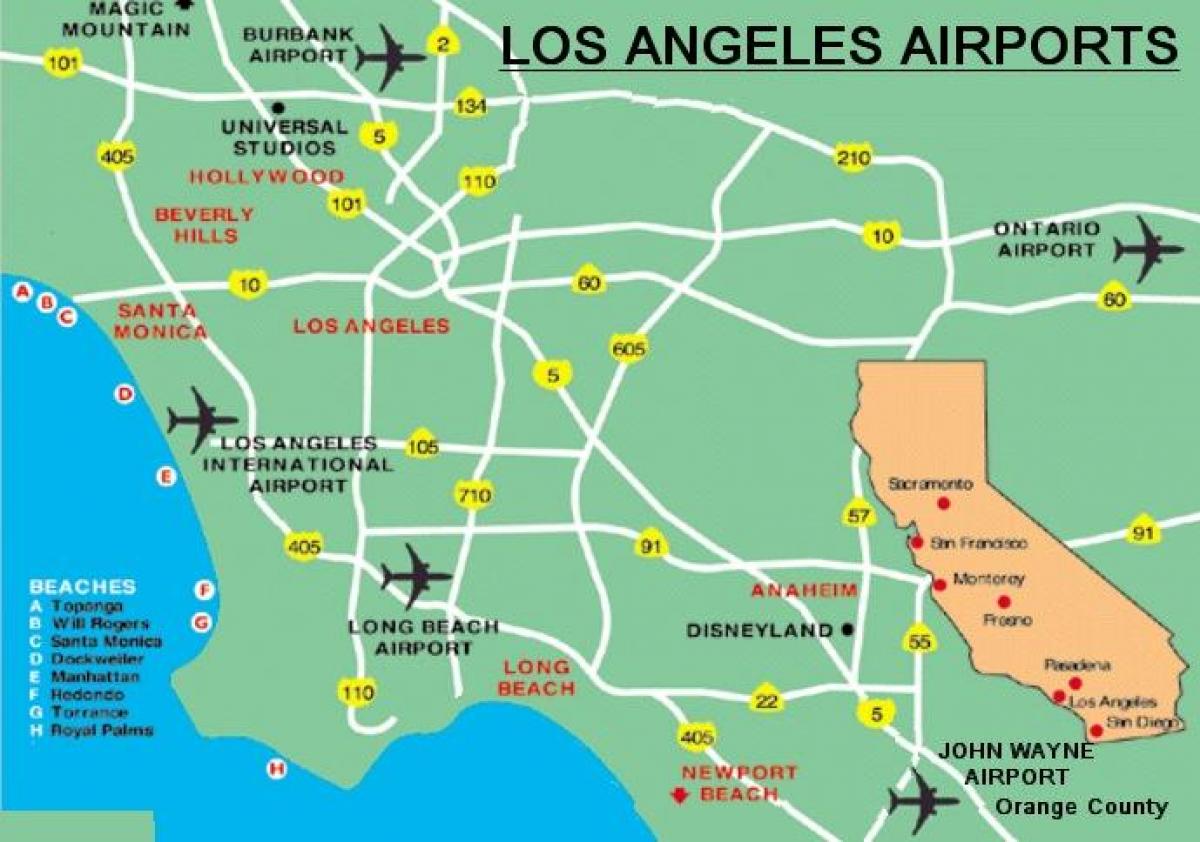
Undoubtedly, the most recognizable and busiest airport serving the region is Los Angeles International Airport (LAX). As one of the world’s largest and most bustling airfields, LAX functions as the primary international and domestic gateway for millions of passengers annually. Located in the Westchester neighborhood, approximately 18 miles southwest of Downtown Los Angeles, LAX is a colossal operation, comprising nine passenger terminals arranged in a horseshoe shape, connected by shuttle buses.
LAX handles the vast majority of international flights into and out of Southern California, linking Los Angeles with destinations across every continent. Its extensive network of airlines offers unparalleled connectivity, making it the go-to choice for travelers arriving from distant locales or requiring a wide selection of flight times and carriers. Despite its immense capacity and ongoing modernization efforts, LAX is notorious for its sheer size, often leading to significant traffic congestion on access roads and within the terminal areas. Navigating through its multiple terminals, especially during peak travel periods, requires ample planning and patience. However, for sheer volume of flights, destinations, and airline choices, LAX remains the undisputed king of Los Angeles air travel.
Regional Connectivity: Other Commercial Airports Serving LA
While LAX dominates, several other commercial airports strategically positioned around the greater Los Angeles area offer valuable alternatives, often providing more convenient access to specific parts of the region or a less crowded travel experience. These airports primarily cater to domestic flights, though some are expanding their international offerings.
Hollywood Burbank Airport (BUR)
Located just 12 miles northwest of Downtown Los Angeles, Hollywood Burbank Airport (BUR), formerly known as Bob Hope Airport, is a favorite among travelers heading to Hollywood, Burbank, Pasadena, or the San Fernando Valley. Its compact size and single terminal design make for a much quicker and less stressful experience compared to LAX. BUR specializes in domestic flights, primarily serving major U.S. cities, and is known for its proximity to numerous film studios and tourist attractions. Travelers often praise its ease of access, efficient security lines, and direct connection to public transportation, including Metrolink and Amtrak.
Long Beach Airport (LGB)
To the south of Los Angeles, approximately 20 miles from downtown, lies Long Beach Airport (LGB). Renowned for its historic Art Deco terminal and garden-like atmosphere, LGB offers a uniquely pleasant travel experience. The airport maintains strict noise ordinances, limiting the number of daily flights, which contributes to its quieter, more relaxed ambiance. While LGB has fewer flight options than LAX or BUR, it’s an excellent choice for those visiting Long Beach itself, nearby Orange County destinations like Disneyland, or southern Los Angeles County. The ease of parking, quick check-in, and minimal walking distances are significant draws.
John Wayne Airport (SNA)
Though technically located in Orange County, John Wayne Airport (SNA) in Santa Ana serves as a vital alternative for travelers accessing the southern reaches of the Los Angeles metropolitan area. Approximately 35 miles southeast of Downtown LA, SNA is known for its modern facilities, efficiency, and proximity to popular attractions such as Disneyland, Newport Beach, and Laguna Beach. It handles a significant volume of domestic flights and some limited international service to Canada and Mexico. For those whose final destination is in Orange County or the southern parts of Los Angeles County, SNA often provides a more streamlined travel experience, bypassing the heavier traffic commonly associated with LAX.
Ontario International Airport (ONT)
Venturing further east, about 38 miles from Downtown Los Angeles, is Ontario International Airport (ONT). ONT primarily serves the rapidly growing Inland Empire region, but it has become an increasingly popular choice for travelers who wish to avoid Los Angeles traffic entirely, especially those heading to destinations east of the city, such as Palm Springs or the mountain resorts. With two modern terminals and a less congested environment, ONT offers a stress-free experience. It has been steadily increasing its domestic and international flight offerings, including direct services to Mexico and other global destinations, positioning itself as a significant regional hub.
General Aviation and Executive Travel Options
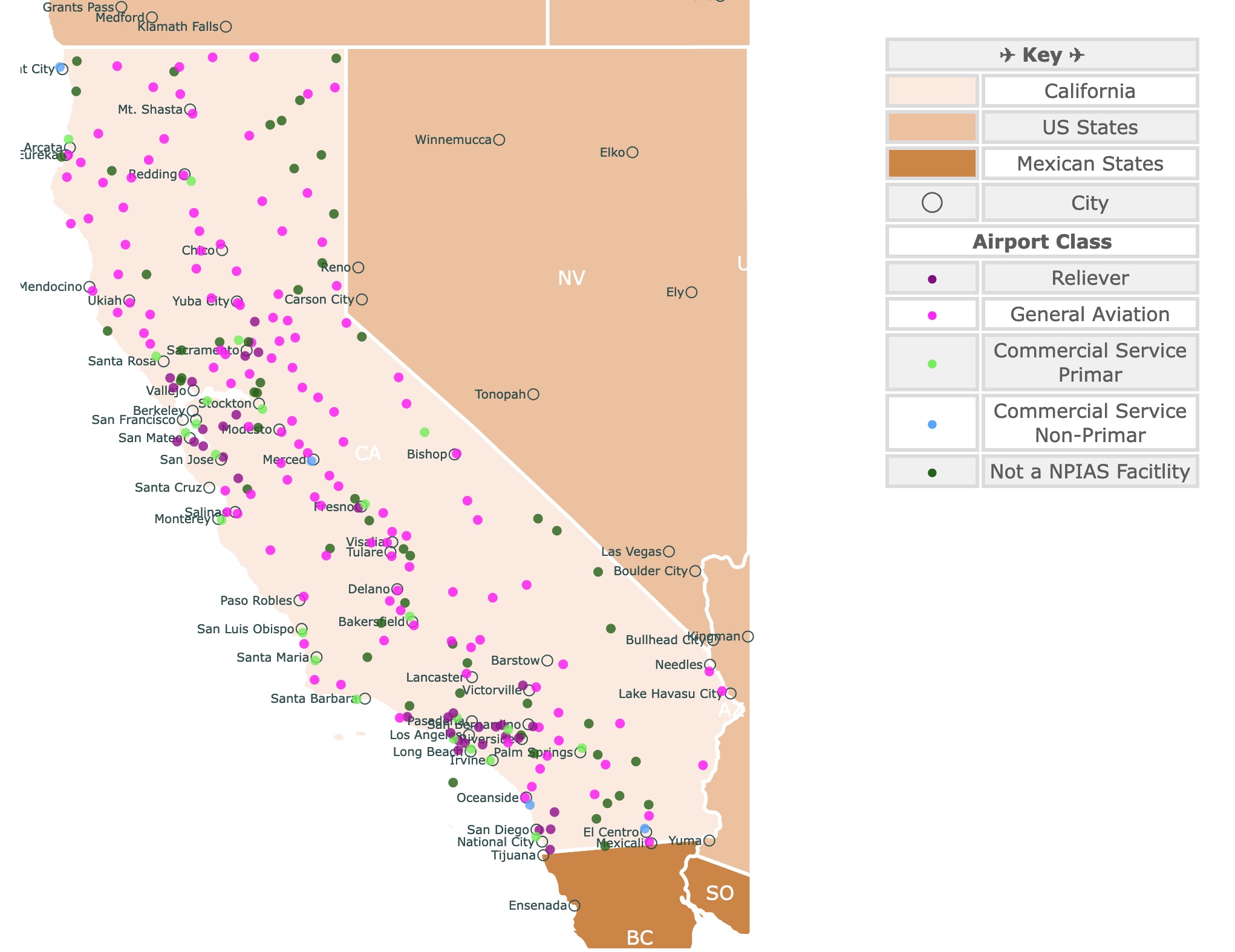
Beyond the major commercial hubs, Los Angeles is also home to several key general aviation airports that play crucial roles in supporting executive travel, private flights, flight training, and emergency services. While not directly serving commercial passengers, their presence significantly contributes to the region’s overall air traffic and connectivity.
Van Nuys Airport (VNY)
Van Nuys Airport (VNY), located in the San Fernando Valley, is one of the busiest general aviation airports in the world. It exclusively handles private, charter, and corporate jets, making it the preferred gateway for celebrities, business executives, and anyone utilizing private air travel. VNY is a hub for fixed-base operators (FBOs) offering a range of services from fueling and maintenance to luxurious lounges for discerning travelers. Its proximity to Hollywood and Beverly Hills makes it an incredibly convenient option for those with the means to fly privately.
Santa Monica Airport (SMO)
Santa Monica Airport (SMO) is another prominent general aviation facility, situated just a few miles from the Pacific Ocean and the bustling areas of Santa Monica and Venice. While discussions about its future have been ongoing, it currently serves private planes, flight schools, and air ambulance services. Its location offers stunning views and unparalleled access to the Westside of Los Angeles, making it a valuable asset for local air travel and smaller aircraft.
Catalina Airport (AVX)
For a truly unique travel experience, Catalina Airport (AVX), also known as “Airport in the Sky,” is located on Catalina Island, approximately 22 miles off the coast of Southern California. While not directly on the mainland, it’s an integral part of the Los Angeles travel ecosystem, providing access to the picturesque island for private planes and chartered flights. It’s a vital link for island residents and tourists seeking an airborne route to this popular destination.
Choosing the Right Airport for Your Los Angeles Journey
The decision of which Los Angeles airport to fly into largely depends on several factors:
Your Final Destination within Los Angeles
If your hotel or attraction is in Hollywood, Burbank, or Pasadena, Hollywood Burbank Airport (BUR) might be the most convenient. For visits to Disneyland or southern Orange County beaches, John Wayne Airport (SNA) or Long Beach Airport (LGB) often reduce ground travel time significantly. If you are heading to the Inland Empire or areas further east, Ontario International Airport (ONT) is the logical choice. For Westside locations like Santa Monica, Venice, or Beverly Hills, LAX is usually the best bet, despite its congestion.
International vs. Domestic Travel
For international arrivals and departures, LAX remains the dominant and often only option due to its comprehensive customs and immigration facilities and global flight network. While ONT and SNA offer limited international flights, primarily to Mexico and Canada, LAX’s scope is unmatched.
Preferred Travel Experience
Travelers prioritizing efficiency, less crowding, and a quicker airport experience might prefer BUR, LGB, SNA, or ONT. These regional airports typically boast shorter lines, easier parking, and faster transit through terminals. However, they come with the trade-off of fewer direct flight options and sometimes higher ticket prices for specific routes. For maximum flight flexibility and access to the widest range of destinations, LAX is the necessary choice, provided you factor in extra time for navigation and ground transport.
Navigating Los Angeles Airports: Tips for Travelers
Understanding the landscape of Los Angeles airports is just the first step. Effective planning can significantly enhance your travel experience:
- Allow Ample Time: Regardless of the airport, Los Angeles traffic can be unpredictable. Always factor in extra time for ground transportation to and from the airport, especially during peak hours.
- Utilize Ride-Shares and Shuttles: Services like Uber, Lyft, and various airport shuttle companies offer convenient, though sometimes costly, options for connecting to and from airports. Be aware of designated pick-up zones, which can sometimes be a walk from the terminal, particularly at LAX.
- Public Transportation: LAX connects to the Metro Rail system via a free shuttle bus, and BUR has direct rail access. Exploring public transport options can be a cost-effective way to reach various parts of the city.
- Check Flight Status Regularly: With the dynamic nature of air travel, especially at a hub like LAX, checking your flight status before heading to the airport is always advisable.
In conclusion, while Los Angeles International Airport is the most prominent, the greater Los Angeles area is served by a robust network of commercial airports, each offering distinct advantages depending on a traveler’s origin, destination, and preferences. From the global reach of LAX to the regional charm of BUR and LGB, the expanding options at SNA and ONT, and the crucial role of general aviation facilities like VNY and SMO, Los Angeles offers a diverse array of entry points designed to facilitate seamless travel to the City of Angels.
LifeOutOfTheBox is a participant in the Amazon Services LLC Associates Program, an affiliate advertising program designed to provide a means for sites to earn advertising fees by advertising and linking to Amazon.com. Amazon, the Amazon logo, AmazonSupply, and the AmazonSupply logo are trademarks of Amazon.com, Inc. or its affiliates. As an Amazon Associate we earn affiliate commissions from qualifying purchases.