
Embarking on a culinary journey is often a highlight of any travel experience, and understanding the nutritional profile of popular dishes can be a key “tip” for health-conscious tourists. Among the myriad of global culinary icons, the California Sushi Roll stands out as a universally recognized, often-ordered item, especially in urban centers and coastal destinations. While its refreshing taste and accessible ingredients make it a favorite, travelers frequently wonder about its calorie content. This insight can help tourists make informed dining choices while savoring the local—or globally adopted—flavors of their chosen destination.
The California Sushi Roll in Global Tourism
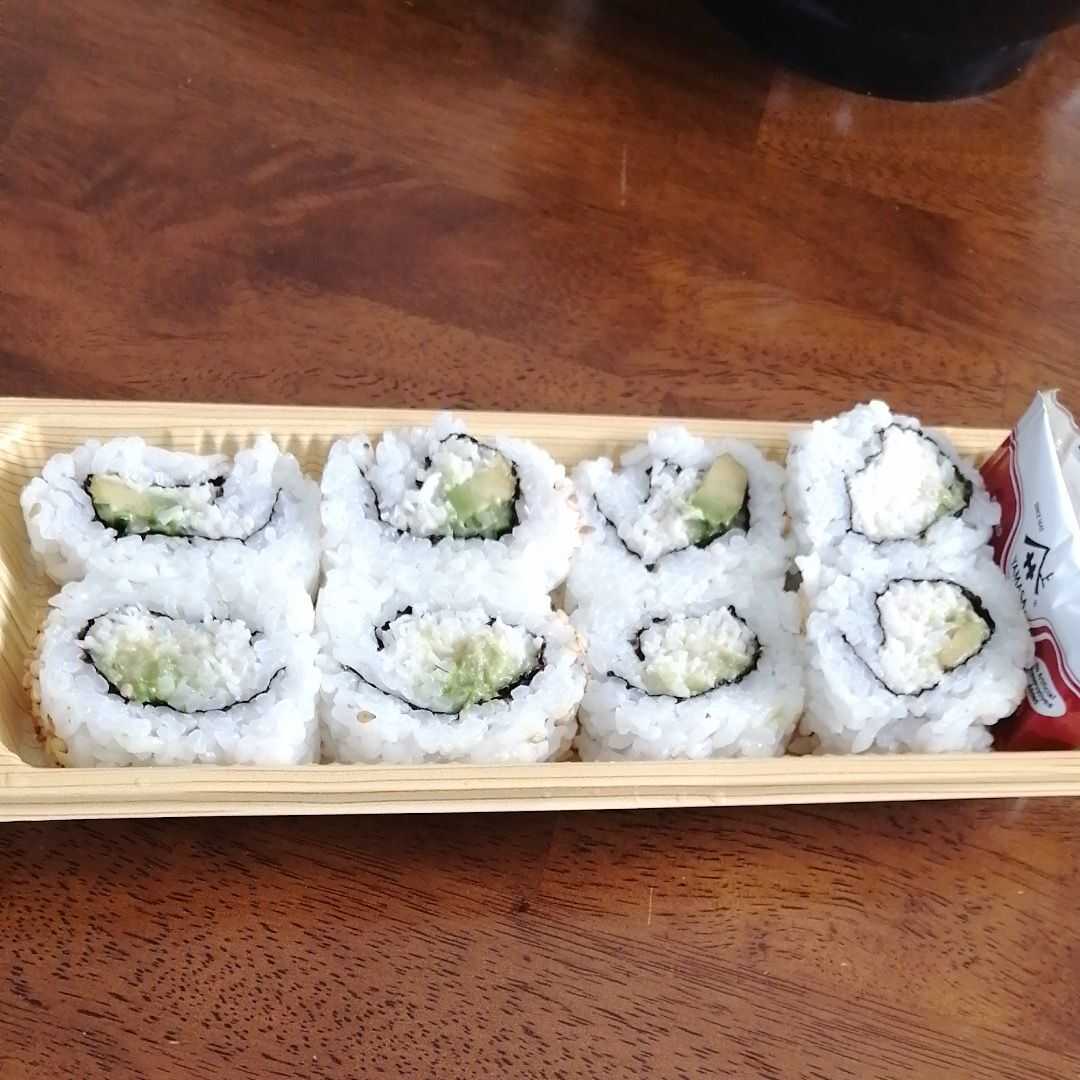
The California Sushi Roll is more than just a dish; it’s a testament to culinary innovation and cultural fusion, making it a ubiquitous item for tourists worldwide. Originating, as its name suggests, in California (though some credit its initial conception to a chef in Vancouver, Canada), this inside-out sushi roll was created to appeal to American palates less accustomed to raw fish and seaweed on the exterior. Its key components—avocado, cucumber, and imitation crab meat (surimi)—are familiar and comforting, making it an easy entry point for travelers exploring Japanese cuisine.
From the bustling streets of Los Angeles to the vibrant food markets of London, and from the sophisticated dining rooms of New York to casual eateries in Sydney, the California Sushi Roll is almost universally available. It represents a safe, delicious, and often budget-friendly option for tourists, whether they’re looking for a quick lunch between sightseeing stops or a starter before a more elaborate meal. Its global presence means that understanding its nutritional impact is a relevant concern for travelers across continents who wish to maintain their dietary goals without sacrificing the joy of food exploration. Even in Tokyo, a city steeped in sushi tradition, variations of the California Sushi Roll can be found, adapted to local tastes and proving its enduring appeal.
Unpacking the Calories: A Tourist’s Nutritional Guide
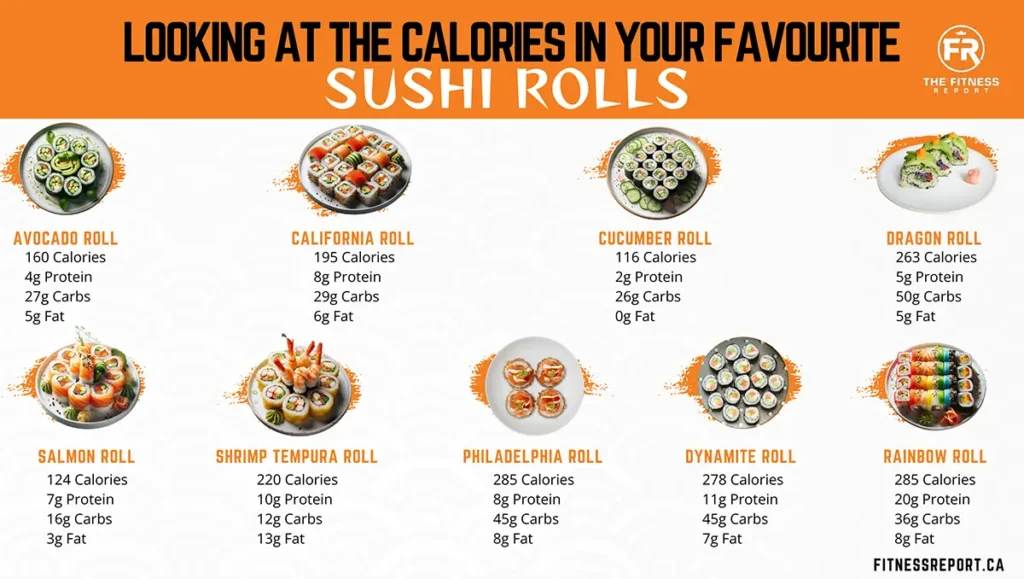
For the traveling foodie focused on wellness, knowing the calorie count of a California Sushi Roll is crucial for making balanced choices. The typical calorie range for a standard, eight-piece California Sushi Roll can vary significantly, generally falling between 250 to 400 calories. This range isn’t arbitrary; it’s influenced by several key factors that a discerning tourist should be aware of.
Core Ingredients and Their Caloric Footprint
The fundamental building blocks of a California Sushi Roll each contribute to its overall caloric value:
- Sushi Rice: This is typically the most calorically dense component. Sushi rice is often prepared with sugar and rice vinegar, making it sticky and flavorful. A single roll can contain a substantial amount of rice, contributing anywhere from 150 to 200 calories or more, depending on the thickness of the rice layer.
- Avocado: Renowned for its healthy fats, avocado adds a creamy texture and significant nutritional value. However, its fat content also means it’s calorie-dense. A quarter to half an avocado slice per roll can contribute 50-80 calories.
- Imitation Crab (Surimi): This processed seafood product is relatively low in calories and fat, usually adding only 20-30 calories per roll.
- Cucumber: A hydrating and low-calorie vegetable, cucumber contributes minimal calories, often less than 5 per roll.
- Nori (Seaweed): The outer wrapper (or inner, for an inside-out roll) is extremely low in calories, almost negligible.
The Impact of Additions and Preparation
Beyond the core ingredients, subtle variations in preparation and additional components can drastically alter the calorie count:
- Mayonnaise/Sauces: Many establishments enhance the California Sushi Roll with a drizzle of spicy mayo or other creamy sauces. A tablespoon of mayonnaise can add 90-100 calories, and these sauces often contain sugar and oil, increasing the caloric load significantly. Some rolls might be topped with a sweet eel sauce or other glazes.
- Tempura Flakes/Crispy Onions: For added texture, some versions incorporate fried elements. These deep-fried additions can quickly push the calorie count upwards by 50-100 calories per roll.
- Portion Size: While typically an eight-piece roll, the actual size of each piece and the overall quantity of rice can vary greatly between restaurants, even within the same city like San Francisco or London.
- Soy Sauce and Wasabi: While not adding significant calories, these condiments are important to note. Soy sauce can be high in sodium, which is a consideration for health-conscious tourists.
When ordering a California Sushi Roll during your travels, a safe estimate for a standard roll without excessive sauces or fried toppings is around 300-350 calories. If it comes with extra mayo or crunchy bits, be prepared for it to be closer to the 400-450 calorie mark, or even higher.
Mindful Eating on the Road: Tips for Health-Conscious Travelers

For tourists committed to healthy eating, navigating diverse culinary landscapes, including those offering the beloved California Sushi Roll, requires strategic thinking. Enjoying local cuisine doesn’t mean sacrificing your wellness goals; it’s about making informed choices.
Navigating Restaurant Menus
When traveling, especially in bustling tourist hubs, restaurant menus can be overwhelming. Here are some tips:
- Look for Nutritional Information: Increasingly, restaurants in major cities like New York and Los Angeles provide calorie counts or nutritional breakdowns on their menus, particularly for chain establishments or those catering to health-conscious diners. If not explicitly listed, don’t hesitate to ask your server if they have this information available.
- Ask for Customizations: Most sushi chefs are happy to accommodate reasonable requests. If you’re concerned about calories, ask for “light rice” (less rice), “no mayo,” or “sauce on the side.” This allows you to control the portion of high-calorie additions.
- Opt for Simplicity: Choose rolls with simpler ingredients. A traditional maki roll with just fish and rice or a vegetable roll will almost always be lower in calories than an elaborate specialty roll with multiple fried elements and creamy sauces.
- Prioritize Freshness: Regardless of calorie count, fresh ingredients are paramount for both taste and health. Seek out reputable establishments with high turnover, ensuring the quality of your sushi experience.
Portion Control and Sharing Strategies
Portion sizes can vary dramatically when traveling. What constitutes a standard serving in one country or city might be an appetizer or an oversized meal in another.
- Share with Travel Companions: Ordering a variety of rolls and sharing them is an excellent way to sample more flavors without overindulging in any single dish. This strategy works particularly well for California Sushi Rolls, where sharing an eight-piece roll means you consume only 125-200 calories from that specific item.
- Combine with Lean Options: Pair your California Sushi Roll with a lighter option. A simple miso soup, a fresh seaweed salad, or edamame can complement your meal, adding nutrients and fiber without excessive calories. This creates a balanced meal that satisfies hunger and nutritional needs.
- Mindful Eating: Take your time to savor each bite. Eating slowly allows your body to register fullness, preventing overconsumption. Engage all your senses – the aroma, texture, and taste – enhancing your culinary tourism experience.
Balancing Indulgence with Wellness
Travel is about experience, and food is a significant part of that. It’s perfectly fine to indulge occasionally, but strategic planning helps maintain balance.
- Plan Ahead: If you know you’ll be enjoying a richer meal or a higher-calorie California Sushi Roll for dinner, opt for lighter breakfast and lunch choices.
- Stay Active: Tourists often walk a lot, exploring attractions. This increased activity can help offset some caloric intake. Embrace walking tours, explore cities like London or Tokyo on foot, or utilize hotel gyms.
- Hydrate: Drinking plenty of water is essential for overall health and can help manage hunger cues, especially when exploring new environments and cuisines.
Beyond the Roll: Exploring California’s Culinary Landscape
While the California Sushi Roll is a delightful introduction, its namesake state offers a far richer and more diverse culinary experience for tourists. From the farm-to-table movement in San Francisco to the vibrant street food scenes in Los Angeles, California is a global food destination.
Tourists visiting California can explore:
- Fresh Produce: California’s fertile valleys yield an abundance of fresh fruits and vegetables, often featured in local dishes. Farmers’ markets are a fantastic way to experience this.
- Diverse Cuisines: Reflecting its multicultural population, California boasts world-class Mexican, Asian, Mediterranean, and European restaurants, offering a feast for every palate.
- Wine Country: Regions like Napa Valley and Sonoma offer exquisite wine-tasting tours combined with gourmet dining experiences, a highlight for many travelers.
Understanding the caloric content of a California Sushi Roll is just one step in the broader journey of informed culinary tourism. By applying these nutritional insights and mindful eating strategies, travelers can truly savor the gastronomic adventures their destinations offer, without compromising their health goals.
LifeOutOfTheBox is a participant in the Amazon Services LLC Associates Program, an affiliate advertising program designed to provide a means for sites to earn advertising fees by advertising and linking to Amazon.com. Amazon, the Amazon logo, AmazonSupply, and the AmazonSupply logo are trademarks of Amazon.com, Inc. or its affiliates. As an Amazon Associate we earn affiliate commissions from qualifying purchases.