
California, a state synonymous with innovation, natural beauty, and cultural diversity, presents an expansive canvas for travelers. From sun-drenched beaches to snow-capped mountains, vast deserts to redwood forests, its geography is as varied as its populace. A fundamental aspect of understanding this immense travel potential lies in answering a deceptively simple question: how many cities are there within its borders? The answer is not just a numerical fact but a gateway to appreciating the sheer scope of destinations, attractions, and unique experiences the Golden State offers to every kind of explorer.
Unpacking California’s Urban Landscape: A Traveler’s Overview
The administrative structure of California is a complex interplay of counties, incorporated cities, and unincorporated communities. For a traveler, understanding this distinction is key to navigating the state’s vast offerings, as incorporated cities are distinct legal entities with their own governance, services, and often, unique identities that shape the visitor experience.
The Official Count: What Defines a Californian City?
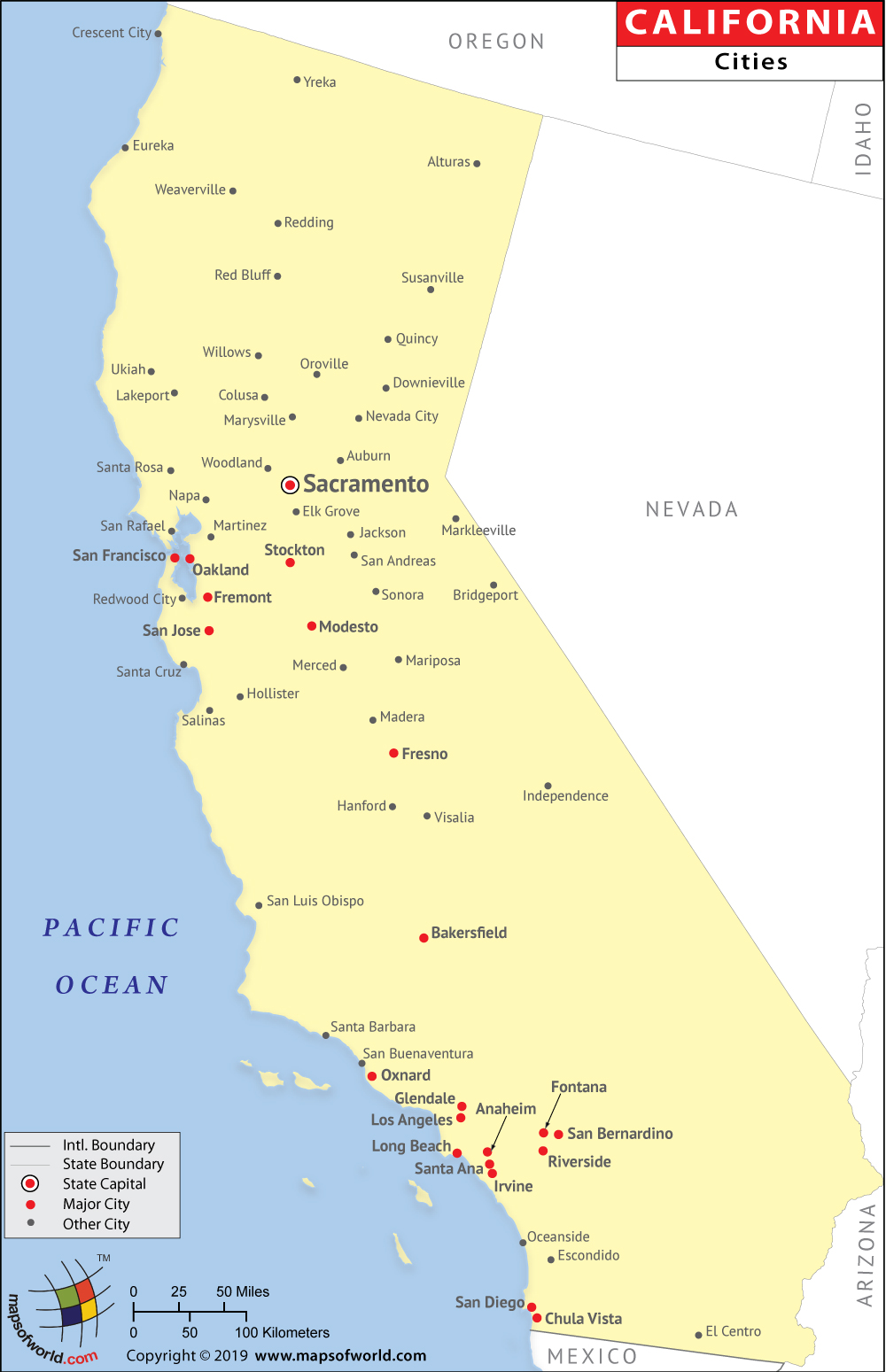
As of the most recent counts by the California Department of Finance, there are approximately 482 incorporated cities in California. This number fluctuates slightly over time as new communities incorporate or, less commonly, disincorporate. An incorporated city is a municipality that has formally adopted a charter or general law structure, granting it a measure of self-governance, including the power to levy taxes, provide local services, and establish its own laws, within the framework of state law. This contrasts with unincorporated areas, which are directly governed by the county in which they reside, despite often having significant populations and distinct community identities. For travelers, this means each of these 482 cities represents a potentially unique destination, each with its own municipal character, attractions, and local flavor.
The Significance of Sheer Numbers for Travel Planners
For anyone planning a trip through California, the existence of nearly 500 incorporated cities is a profound indicator of the state’s immense diversity. It signifies an almost endless array of choices, from bustling metropolises to serene small towns, each offering distinct attractions and experiences. This multitude of urban centers means that itineraries can be meticulously crafted to suit virtually any interest: historical exploration, culinary adventures, outdoor pursuits, artistic immersion, or simply relaxation. The high number of cities also implies a robust infrastructure, connecting these varied destinations through extensive road networks, public transportation, and regional airports, making multi-city travel both feasible and highly rewarding.
Diverse Destinations Across the Golden State
The vast number of cities in California ensures a rich tapestry of travel experiences, spanning every imaginable landscape and cultural context. Each city, regardless of size, contributes to the state’s identity as a premier global travel destination.
Iconic Urban Hubs and Their Allure
Among the 482 incorporated cities are some of the world’s most recognizable urban centers, acting as major magnets for travelers. Los Angeles, for instance, offers a sprawling metropolis known for Hollywood, world-class museums like the Getty Center, and diverse neighborhoods from the beaches of Santa Monica to the urban chic of Downtown LA. To the north, San Francisco captivates with its iconic Golden Gate Bridge, historic cable cars, vibrant cultural districts like Chinatown, and the notorious Alcatraz Island. Meanwhile, San Diego in the south boasts a relaxed coastal vibe, renowned attractions such as Balboa Park and the San Diego Zoo, and a thriving craft beer scene. These major cities serve as essential starting points or focal points for many California travel guides, offering a concentrated dose of culture, entertainment, and sightseeing.
Charming Small Towns and Unique Escapes

Beyond the major metropolises, a significant portion of California’s cities are smaller, often retaining unique historical character or offering specialized experiences. Places like Carmel-by-the-Sea on the Central Coast enchant visitors with their fairytale cottages, art galleries, and pristine beaches. In the Santa Ynez Valley, the Danish-themed town of Solvang transports travelers to Europe with its windmills and authentic bakeries. Historic gold rush towns like Columbia in the Sierra Nevada foothills offer living history museums, while desert cities such as Palm Springs provide a mid-century modern aesthetic and a haven for relaxation and golf. These smaller cities are often overlooked in broader travel narratives but offer deeply immersive and authentic Californian experiences, making them perfect for those seeking to delve deeper into local culture and escape the urban rush.
Regional Clusters for Themed Journeys
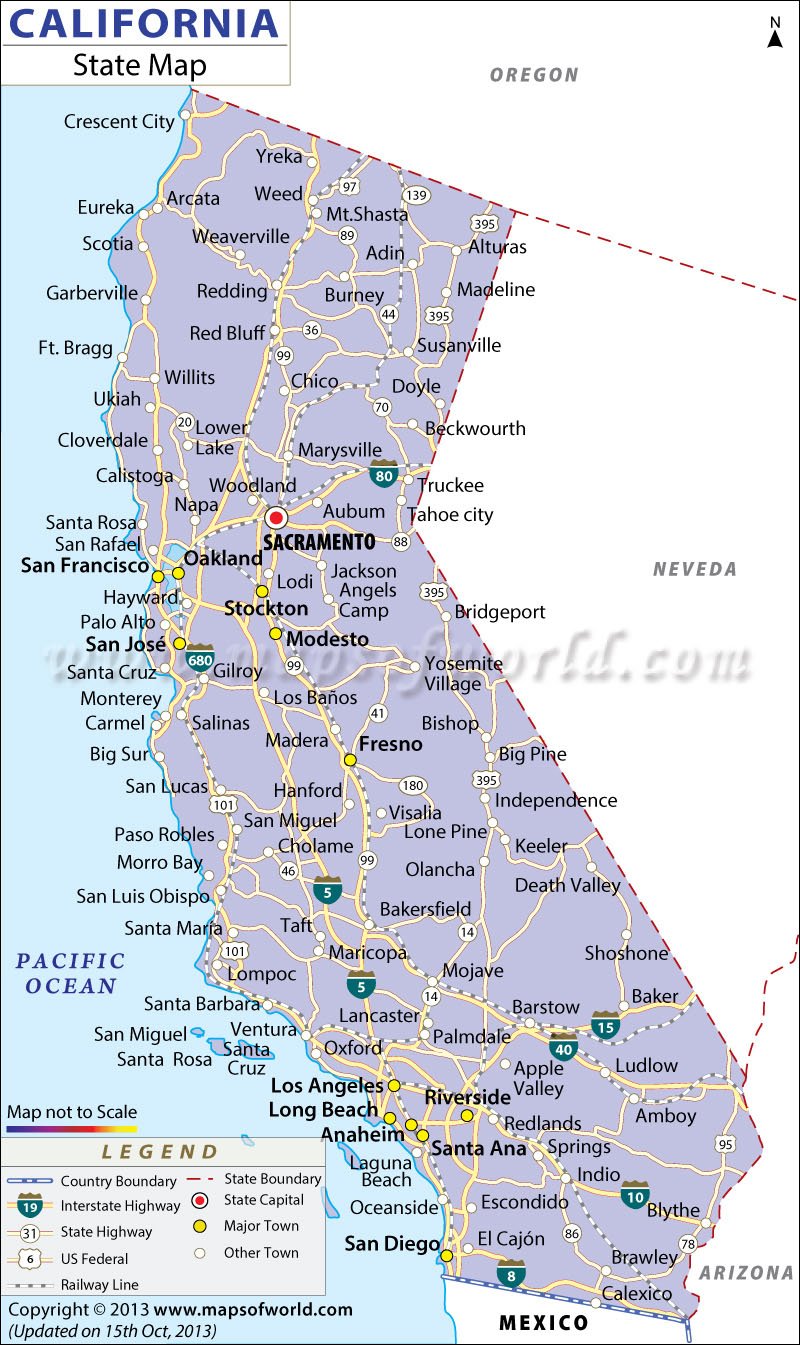
The distribution of California’s cities also facilitates themed travel within distinct regions. The Napa and Sonoma Valleys, for example, are home to numerous cities like Napa, St. Helena, and Healdsburg, forming a world-renowned wine country itinerary. Along the Pacific Coast Highway, cities such as Monterey, Santa Barbara, and San Luis Obispo collectively define the iconic California Central Coast experience, blending stunning ocean views with charming downtowns and rich history. Further north, the collection of cities around Lake Tahoe provides a comprehensive guide for alpine recreation, whether skiing in South Lake Tahoe or exploring the shores near Tahoe City. Grouping these cities by their geographic and thematic strengths allows travelers to craft cohesive and enriching journeys focused on specific interests, from culinary tours to adventure sports.
Crafting Your California Itinerary: Leveraging Urban Diversity
The sheer number and variety of California cities make trip planning an exciting, albeit sometimes overwhelming, endeavor. Strategic planning, however, allows travelers to fully harness this urban diversity to create unforgettable experiences.
From Coastal Retreats to Desert Oases: Geographical Guides
Given the state’s vast geography, segmenting your travel by region is an effective approach. For those drawn to the ocean, exploring cities along the Southern California coast—from Laguna Beach’s art scene to the surf culture of Huntington Beach—offers a distinct guide to beach life. Travelers seeking high-desert tranquility can focus on cities like Twentynine Palms, serving as a gateway to Joshua Tree National Park, or the aforementioned Palm Springs for a more luxurious desert escape. Northern California presents its own urban clusters, from the redwood-adjacent cities of Eureka and Arcata to the vibrant collegiate atmosphere of Berkeley and Oakland in the Bay Area. Each regional collection of cities offers a unique travel experience, shaped by local climate, economy, and history.
Cultural Immersion and Niche Interests
California’s cities are also incredible hubs for specific cultural and niche interests. Foodies can embark on a culinary tour through cities like San Francisco for Michelin-starred dining, Sacramento for its “farm-to-fork” ethos, or the diverse ethnic eateries of Los Angeles. Art enthusiasts might explore the gallery scene in Laguna Beach, the vibrant murals of San Francisco’s Mission District, or the street art found across Oakland. History buffs have a plethora of choices, from San Juan Capistrano with its historic mission to the Victorian architecture of Ferndale. The multitude of cities ensures that whatever your passion, there’s a specific urban destination, or a cluster of them, ready to cater to your specific interests and offer deep cultural immersion.
Practical Tips for Navigating Multiple Destinations
When planning a multi-city California adventure, consider the logistics. Renting a car offers the most flexibility for exploring diverse urban and rural landscapes. However, for travel between major hubs like Los Angeles and San Francisco, train services like Amtrak’s Pacific Surfliner or regional flights can be efficient and scenic alternatives. Booking accommodations in advance, especially during peak seasons, is crucial, as popular cities fill up quickly. Utilizing travel guides and local tourism boards specific to each city can also uncover hidden gems and current events that enhance the travel experience. The key is to embrace the diversity, allowing each city to reveal its unique charm and contribution to the grand Californian narrative.
The Enduring Appeal of California’s Cityscapes for Travelers
The question “How many cities are there in California?” transcends a mere census count; it unveils the boundless opportunities for exploration within one of the world’s most dynamic travel destinations. With nearly 500 incorporated cities, California offers an unparalleled spectrum of experiences, from the global fame of its major metropolises to the understated charm of its countless small towns. Each city is a distinct entry in a grand travel guide, inviting visitors to discover unique attractions, engage with local cultures, and create personalized itineraries that reflect their individual passions. This rich urban diversity is precisely what cements California’s status as an extraordinary and endlessly rewarding place to travel, promising new discoveries with every visit.
LifeOutOfTheBox is a participant in the Amazon Services LLC Associates Program, an affiliate advertising program designed to provide a means for sites to earn advertising fees by advertising and linking to Amazon.com. Amazon, the Amazon logo, AmazonSupply, and the AmazonSupply logo are trademarks of Amazon.com, Inc. or its affiliates. As an Amazon Associate we earn affiliate commissions from qualifying purchases.