
Navigating the legal landscape of any jurisdiction can be a daunting task, and Florida is no exception. For individuals seeking to understand court proceedings, legal precedents, or the status of a case within the Sunshine State, a clear understanding of how to access court records is essential. This guide aims to demystify the process of looking up court cases in Florida, providing a comprehensive overview of the available resources, methods, and considerations. Whether you are a legal professional, a student researching a topic, a concerned citizen, or an individual involved in a legal matter, knowing where to turn will empower you with the information you need.

Understanding Florida’s Court System and Public Records
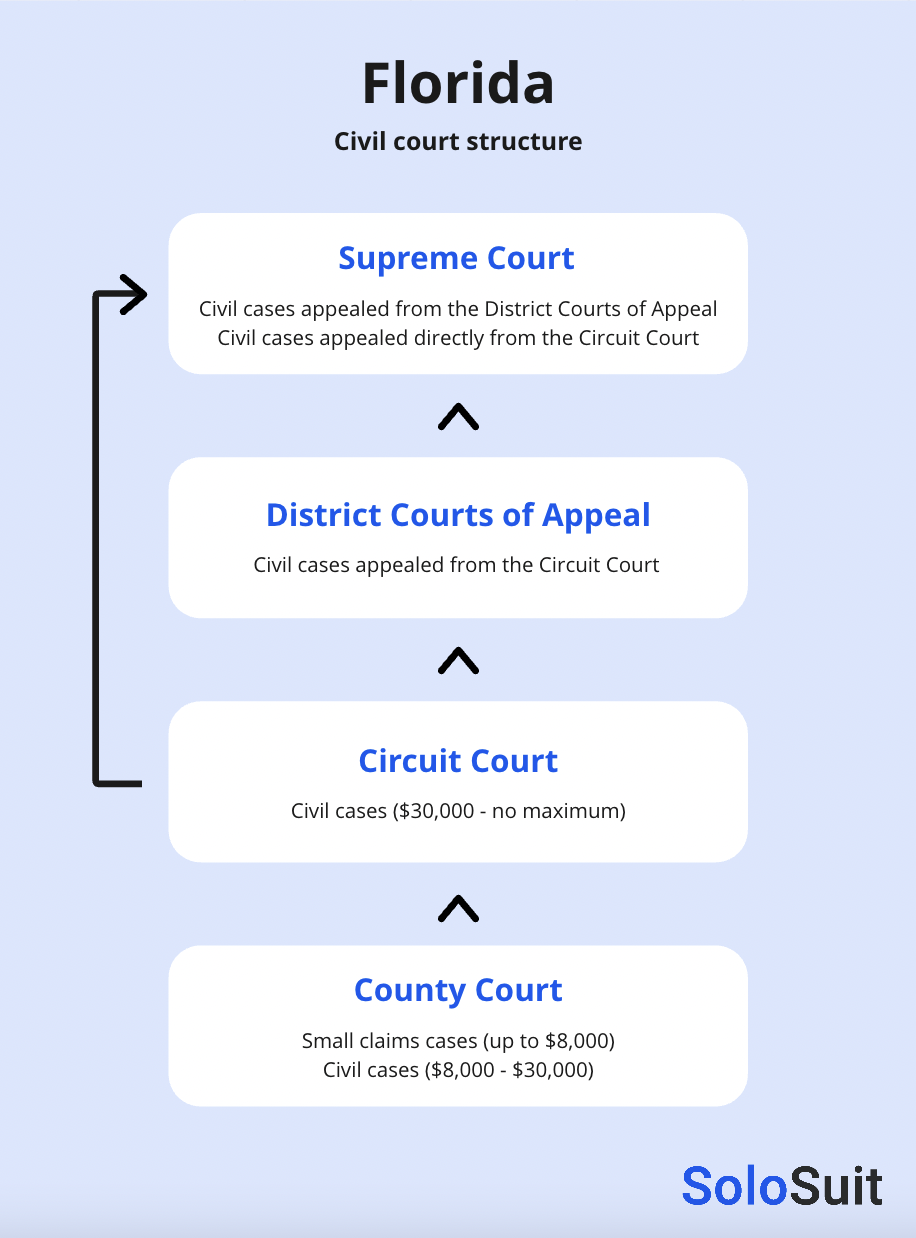
Florida operates a tiered court system, comprising county courts, circuit courts, district courts of appeal, and the Supreme Court of Florida. Each level handles different types of cases, from minor infractions to complex civil and criminal matters. The principle of public access to court records is a cornerstone of the Florida judicial system, ensuring transparency and accountability. However, not all records are immediately accessible or publicly displayed, with certain sensitive information subject to redaction or restriction. Understanding this framework is the first step in effectively locating court case information.
Types of Court Cases in Florida
Florida courts handle a vast array of cases. These can broadly be categorized into:
- Civil Cases: These involve disputes between individuals or organizations, such as contract disputes, personal injury claims, family law matters (divorce, child custody), and property disputes.
- Criminal Cases: These involve alleged violations of state criminal laws, ranging from misdemeanors to serious felonies.
- Probate Cases: These pertain to the administration of estates after a person’s death, including wills, trusts, and guardianship.
- Juvenile Cases: These involve legal proceedings for individuals under the age of 18 who have committed offenses or are involved in dependency or termination of parental rights proceedings.
- Traffic Infractions: Minor violations of traffic laws, often handled by county courts.
The Public Records Law in Florida
Florida has a robust public records law, often referred to as the “Sunshine Law.” This law presumes that all public records are open for inspection unless specifically exempted by law. Court records are generally considered public records, meaning that much of the information contained within them can be accessed by the public. However, there are statutory exceptions, such as records pertaining to juvenile dependency cases, certain mental health proceedings, and information that, if disclosed, would pose a threat to an individual’s safety or privacy.
Methods for Accessing Florida Court Case Information
There are several primary avenues through which one can look up court cases in Florida. These methods range from online databases to in-person visits to courthouses. The most efficient method often depends on the type of case, the jurisdiction, and the specific information sought.
Online Case Information Portals
The most convenient way to access court records is often through online portals. The Florida government provides centralized resources that aggregate information from various county and circuit courts.
Florida’s e-Clerk System
The Florida Courts e-Filing Authority, in conjunction with the Florida Clerks of Court Operations Corporation, offers the Florida Courts e-Clerk portal. This system allows users to search for case information across many Florida counties.
- What you can find: Through the e-Clerk portal, you can typically search for case dockets, filings, and basic case information. This includes case numbers, parties involved, filing dates, and the nature of the proceedings.
- How to use it:
- Visit the official Florida Courts e-Clerk website.
- You will likely be prompted to agree to terms and conditions.
- Search by case number, party name, or attorney name.
- Select the relevant county and court type if prompted.
- Review the search results for the case you are interested in.
- Limitations: While comprehensive, the e-Clerk system might not contain records from all counties or for very old cases. Additionally, full document access may vary by county. Some information might be redacted to protect privacy.
County Clerk of Court Websites
Many Florida counties maintain their own individual websites for their Clerk of Court offices. These websites often provide direct access to their local court dockets and, in some cases, digitized court documents.
- Benefits: These individual county sites can sometimes offer more detailed information or more readily available document images than the centralized portal, especially for recent filings.
- How to find them: Search online for “[County Name] Clerk of Court Florida” (e.g., “Miami-Dade Clerk of Court Florida”).
- Navigating county sites: Each county’s website will have its own search interface. Look for sections labeled “Online Records,” “Case Search,” or “Public Access.”
In-Person at the Courthouse

For comprehensive research or if online resources are insufficient, visiting the courthouse in person remains a viable option. Each county courthouse has a Clerk of Court’s office that manages public records.
- What to expect: Upon arrival, you will typically need to approach the Clerk of Court’s office. Staff can guide you on how to access their record-keeping systems, which may include physical file rooms, microfiche, or public access terminals.
- Requesting records: You can often request specific case files. There may be fees associated with copying or certifying documents.
- Best for: Older cases, cases from counties not well-represented online, or when you need to view original documents.
Third-Party Legal Research Services
While not directly affiliated with the Florida courts, various commercial legal research platforms offer access to Florida court records. These services often aggregate data from multiple jurisdictions and provide sophisticated search tools.
- Examples: Services like LexisNexis, Westlaw, and specialized public record aggregators.
- Cost: These services typically require a subscription fee, making them more suitable for legal professionals, researchers, or businesses with ongoing needs.
- Advantages: Advanced search capabilities, the ability to link cases to statutes and other legal resources, and often provide access to more historical data.
Navigating Specific Case Types and Access Restrictions
While many court records are publicly accessible, certain types of cases or specific information within them are subject to limitations.
Family Law and Juvenile Records
Records related to divorce, child custody, and juvenile dependency cases are often sealed or made confidential to protect the privacy and well-being of the individuals involved, particularly minors.
- Access: Access to these records typically requires a court order or a demonstration of a legitimate need to know. Parties to the case, their attorneys, or individuals with a court-ordered right to access may be able to obtain copies.
- Redaction: Even when accessible, sensitive personal information such as social security numbers, dates of birth, and financial details may be redacted.
Criminal Records
Basic information about criminal cases, such as charges, convictions, and sentencing, is generally public. However, certain sensitive details might be restricted.
- Expungement and Sealing: Florida law allows for the expungement or sealing of certain criminal records under specific conditions. Once a record is expunged or sealed, it is no longer considered a public record and access is severely restricted.
- Background Checks: For employment or housing purposes, official background checks are conducted through specific agencies that adhere to legal guidelines for accessing and using criminal history information.
Probate and Guardianship Records
Probate and guardianship records are generally public to ensure transparency in the management of estates and the protection of vulnerable individuals. However, highly sensitive personal financial information might be redacted.
Civil and Other Cases
Most civil cases, including contract disputes, personal injury claims, and property disputes, have their records available to the public. This allows for transparency in the legal system and enables parties to understand ongoing litigation.
Tips for Effective Case Searching
To maximize your chances of finding the information you need, consider these practical tips:
- Gather as much information as possible: The more details you have, the easier it will be to pinpoint the correct case. This includes full names of parties, approximate dates of filings or events, case numbers, and the county where the case was filed.
- Understand the court hierarchy: Knowing whether a case is likely to be in county court, circuit court, or a higher appellate court can help narrow your search.
- Be patient and persistent: Locating obscure or older records can sometimes require persistence. Online systems are constantly updated, but there can be delays.
- Consult with legal counsel: If you are involved in a legal matter or have complex research needs, consulting with a Florida attorney is highly recommended. They can assist in navigating the legal system and accessing relevant documentation.
- Be aware of fees: While many records are free to search online, obtaining certified copies or specific documents may incur fees.
By understanding the structure of the Florida court system, utilizing the available online and in-person resources, and being mindful of access restrictions, individuals can effectively look up court cases in Florida. This access to public records is fundamental to an informed and engaged citizenry and provides critical transparency to the administration of justice.
LifeOutOfTheBox is a participant in the Amazon Services LLC Associates Program, an affiliate advertising program designed to provide a means for sites to earn advertising fees by advertising and linking to Amazon.com. Amazon, the Amazon logo, AmazonSupply, and the AmazonSupply logo are trademarks of Amazon.com, Inc. or its affiliates. As an Amazon Associate we earn affiliate commissions from qualifying purchases.