
California, often referred to as the Golden State, is an expansive and incredibly diverse region that serves as a premier global travel destination. Its allure stems from a myriad of factors, including stunning natural landscapes, groundbreaking technological innovation, and a vibrant cultural mosaic. For travelers planning an immersive journey through this iconic state, a fundamental question often arises: just how many cities does California encompass? Understanding the sheer number and distribution of its urban centers is key to appreciating the state’s vastness and the incredible spectrum of experiences it offers.
As of the latest official counts and data, California is home to approximately 482 incorporated cities. This figure refers to municipalities that have officially organized themselves under state law, possessing their own local governments, distinct boundaries, and municipal services. This substantial number underscores the state’s significant population and its complex urban fabric, stretching from the bustling metropolises along the Pacific coast to the agricultural heartlands of the Central Valley and the unique communities nestled in its mountains and deserts. Each incorporated city, regardless of its size, contributes to the unique character and offerings that make California such a multifaceted travel destination.
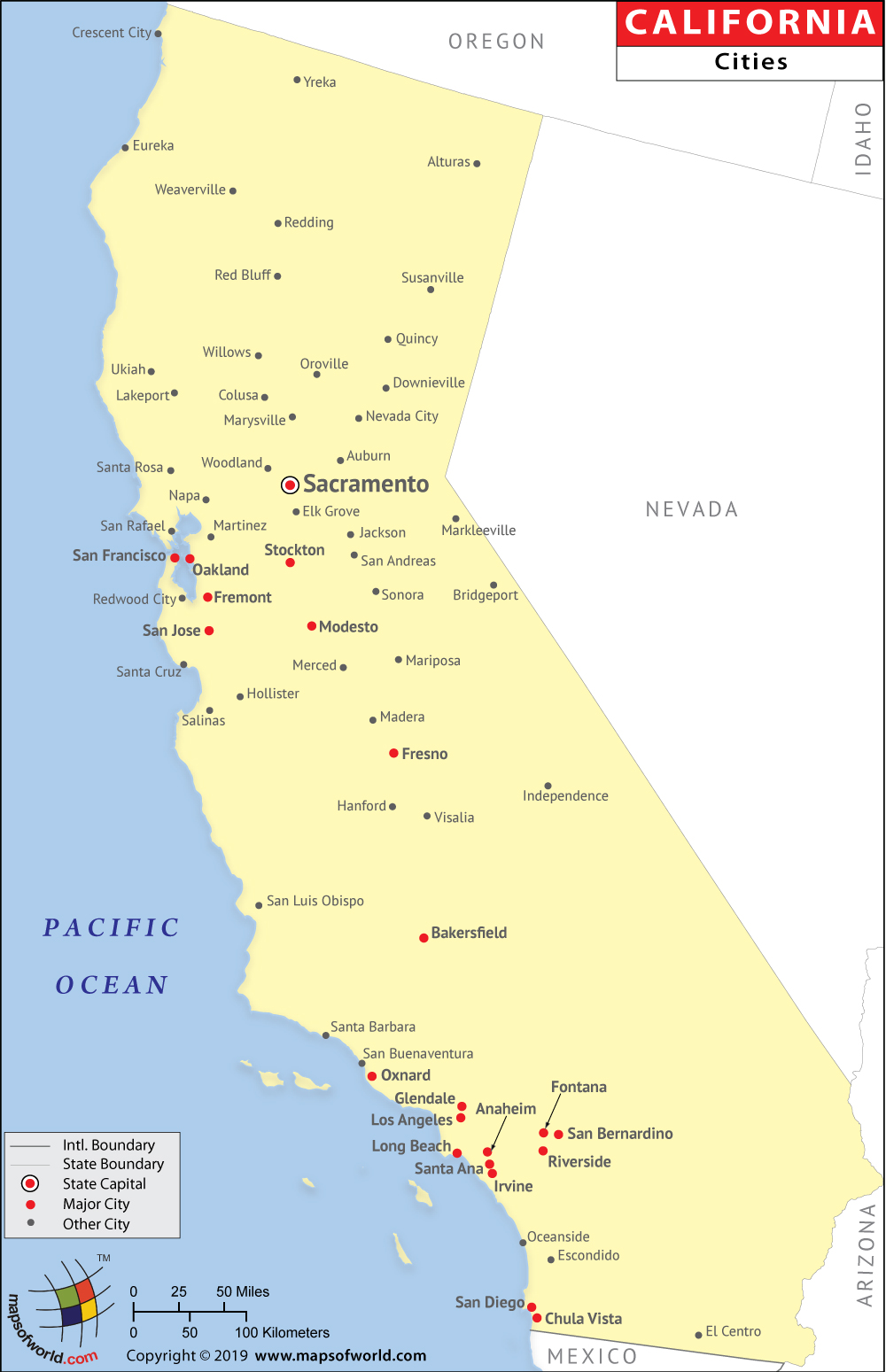
The Golden State’s Urban Tapestry: An Overview
The journey through California’s cities is akin to traversing multiple distinct regions, each with its own rhythm and appeal. From north to south, and east to west, the incorporated cities of California paint a comprehensive picture of its economic power, cultural richness, and natural beauty. The concept of an “incorporated city” in California is crucial, as it denotes a self-governing entity with local control over planning, public safety, and infrastructure, distinguishing it from unincorporated communities that fall under county jurisdiction. This structure allows for a remarkable degree of local identity and character to flourish, giving travelers a distinct experience in each urban center they visit.
The sheer volume of cities means that a trip to California can be meticulously crafted to suit any interest. Whether seeking the vibrant energy of major global hubs, the serene beauty of coastal towns, or the unique charm of historic inland communities, the state’s diverse urban landscape ensures an endless array of possibilities. This extensive network of cities is a testament to California’s historical growth, continuous innovation, and enduring appeal as a place where dreams are pursued and diverse cultures converge.
Navigating California’s Diverse Urban Landscape
The nearly 500 incorporated cities in California are far from homogenous; they are distinct entities, each contributing a unique flavor to the state’s overall persona. For travelers, this diversity translates into an unparalleled range of experiences, from world-class urban exploration to tranquil escapes.
Major Metropolises and Global Hubs
At the forefront of California’s urban landscape are its iconic major cities, which are not just regional centers but global powerhouses of culture, technology, and commerce. Los Angeles, the state’s largest city, is synonymous with the entertainment industry, offering everything from Hollywood glamor and theme parks like Universal Studios Hollywood to diverse culinary scenes and stunning beaches. San Francisco, famed for its Golden Gate Bridge, cable cars, and tech innovation, provides a blend of historic charm and modern vibrancy, with distinct neighborhoods like Chinatown and the Mission District offering rich cultural experiences. Further south, San Diego offers a relaxed coastal vibe, renowned for its beautiful beaches, the San Diego Zoo, and a burgeoning craft beer scene. As the state capital, Sacramento anchors the Central Valley, offering a glimpse into California’s Gold Rush history and a vibrant farm-to-fork dining culture. These cities serve as crucial entry points and central hubs for any extensive California itinerary.
Coastal Charms and Beachside Retreats
Beyond the major cities, California’s coastline is dotted with numerous smaller incorporated cities that promise picturesque views and laid-back lifestyles. Santa Barbara, often called the “American Riviera,” boasts stunning Spanish colonial architecture, pristine beaches, and world-class wineries just a short drive away. Monterey, famous for its historic Cannery Row and the Monterey Bay Aquarium, offers a blend of maritime history and natural marine beauty. Laguna Beach is celebrated for its thriving arts community, tide pools, and coves perfect for surfing and paddleboarding. These coastal cities are ideal for travelers seeking relaxation, outdoor activities, and breathtaking ocean vistas away from the urban hustle.

Inland Empires and Valley Ventures
Venturing away from the coast, California’s interior presents another facet of its urban diversity. Fresno, situated in the heart of the agriculturally rich San Joaquin Valley, provides insight into the state’s vital farming industry and offers easy access to national parks like Yosemite and Sequoia. In the desert landscape of Southern California, Palm Springs stands out as a mid-century modern architectural haven, offering luxurious resorts, golf courses, and a gateway to the Joshua Tree National Park. Bakersfield, another significant Central Valley city, is known for its “Bakersfield Sound” in country music and its oil industry history. These inland cities provide a different perspective on California’s heritage and economy, showcasing its diverse geographical and cultural tapestry.
The Significance for Travelers: Planning Your California Journey
The sheer number of incorporated cities in California is not merely a statistical fact; it profoundly impacts how travelers can plan and experience the state. It signifies a wealth of options, ensuring that every type of traveler, from adventure seekers to culture enthusiasts, can find their ideal destination.
Endless Exploration Opportunities
With nearly 500 cities, the possibilities for exploration are virtually limitless. Travelers can craft itineraries that seamlessly blend vibrant city life with tranquil natural retreats. One day might involve exploring the museums and galleries of San Francisco, followed by a scenic drive down Highway 1 to the charming coastal towns of Carmel-by-the-Sea or Pismo Beach. Another journey could combine the theme parks of Anaheim with a peaceful getaway to the mountain city of Big Bear Lake. This extensive urban network allows for highly customized travel experiences, moving between distinct micro-cultures and landscapes within a single state. Each city offers its own unique attractions, festivals, culinary scenes, and local narratives, inviting deeper engagement with California’s rich tapestry.
Connectivity and Accessibility
The multitude of cities also means a highly developed infrastructure for travel. California boasts several major international airports, including Los Angeles International Airport (LAX), San Francisco International Airport (SFO), and San Diego International Airport (SAN), along with numerous regional airports that facilitate easy access to various parts of the state. Furthermore, California’s extensive network of freeways and scenic highways connects these urban centers, making road trips a popular and practical way to explore. The ability to easily traverse from one distinct urban environment to another within a reasonable driving distance enhances the travel experience, allowing for multi-city adventures that highlight the state’s incredible diversity without excessive travel time.
Regional Diversity and Micro-Cultures
Each incorporated city in California often possesses its own unique character, influenced by its history, geography, and demographics. This leads to a fascinating array of micro-cultures. For instance, the bohemian vibe of Berkeley stands in contrast to the upscale elegance of Beverly Hills, or the agricultural roots of Modesto differ from the innovative tech landscape of San Jose. Travelers can immerse themselves in these distinct local cultures, discovering unique regional cuisines, art scenes, and community events that provide a more authentic and intimate understanding of the Golden State. This granular level of cultural diversity ensures that even return visitors can uncover new experiences and perspectives with each trip.
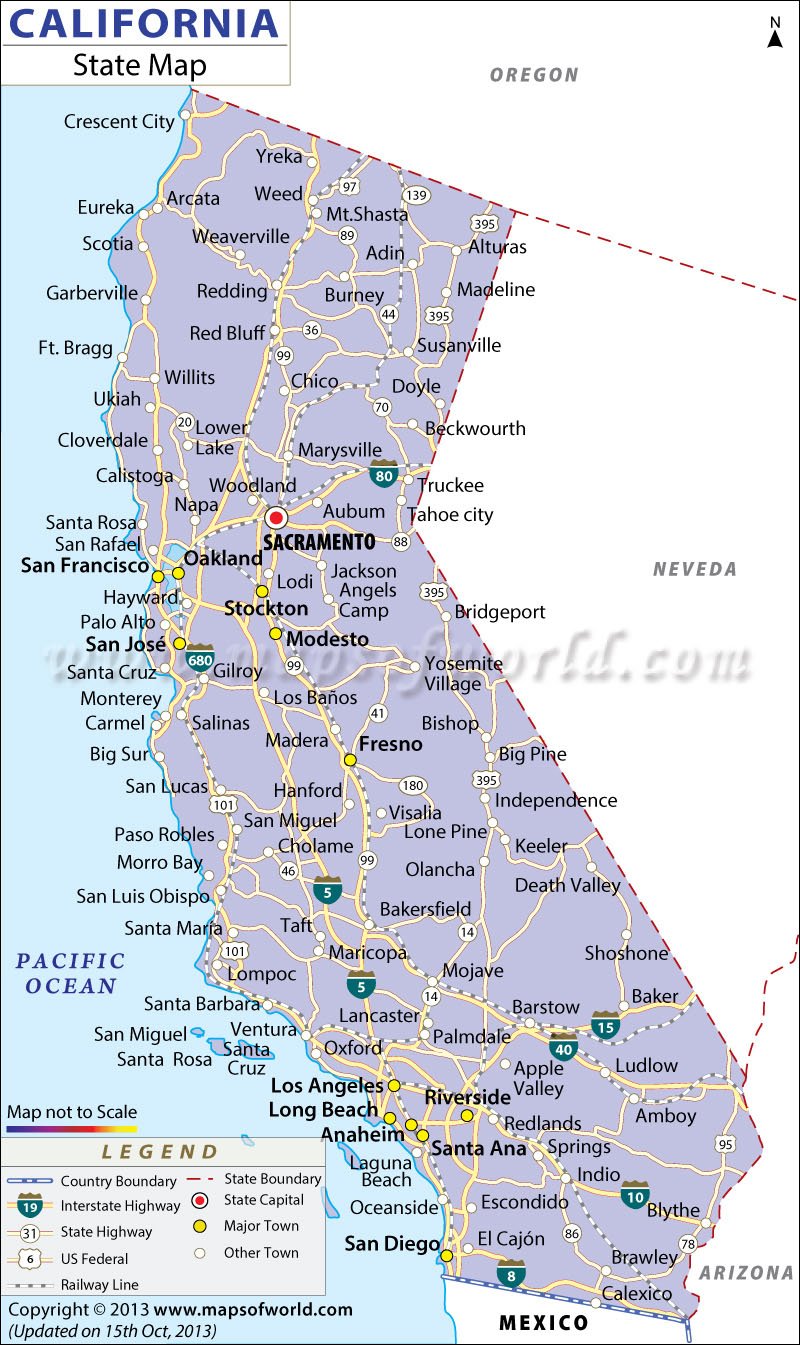
Beyond the Incorporations: Unincorporated Areas and Census-Designated Places
While the official count of incorporated cities provides a clear framework, it’s important for travelers to understand that California’s appeal extends well beyond these municipal boundaries. There are countless unincorporated communities and Census-Designated Places (CDPs) that, while not having their own city governments, are significant destinations in their own right. These might include charming small towns, popular resort areas, or remote hamlets that serve as gateways to natural wonders. For example, many of the communities around Lake Tahoe or the gateway towns to national parks like Yosemite and Death Valley are unincorporated, yet they offer essential services, unique attractions, and memorable experiences for visitors. Therefore, while the 482 incorporated cities represent a robust urban framework, the true number of distinct places to explore in California is even greater, offering an almost boundless canvas for travel and discovery.
LifeOutOfTheBox is a participant in the Amazon Services LLC Associates Program, an affiliate advertising program designed to provide a means for sites to earn advertising fees by advertising and linking to Amazon.com. Amazon, the Amazon logo, AmazonSupply, and the AmazonSupply logo are trademarks of Amazon.com, Inc. or its affiliates. As an Amazon Associate we earn affiliate commissions from qualifying purchases.