
California’s Political Geography: A Traveler’s Overview
California, a land of diverse landscapes, cultures, and economies, is not only the most populous state in the United States but also a sprawling tapestry of distinct communities. For the intrepid traveler, understanding its political geography, particularly its congressional districts, offers a unique lens through which to appreciate the state’s vastness and variety. These districts, while primarily drawn for electoral representation, effectively delineate regions that often share common characteristics, from economic drivers to natural beauty and cultural heritage.
As of the current congressional apportionment, California is home to 52 congressional districts. This significant number reflects its immense population, ensuring that a wide array of voices from across the state are represented in the federal government. For a traveler, this numerical fact is more than just a statistic; it underscores the sheer scale of California and the incredible diversity found within its borders. Each district, in its own way, contributes to the overall mosaic that makes California a premier travel destination, offering distinct experiences that cater to every interest, from sun-kissed beaches to towering ancient forests, bustling metropolises to serene deserts. Understanding these divisions, even broadly, can enrich the travel experience, allowing for a deeper appreciation of the regional nuances that define the Golden State.
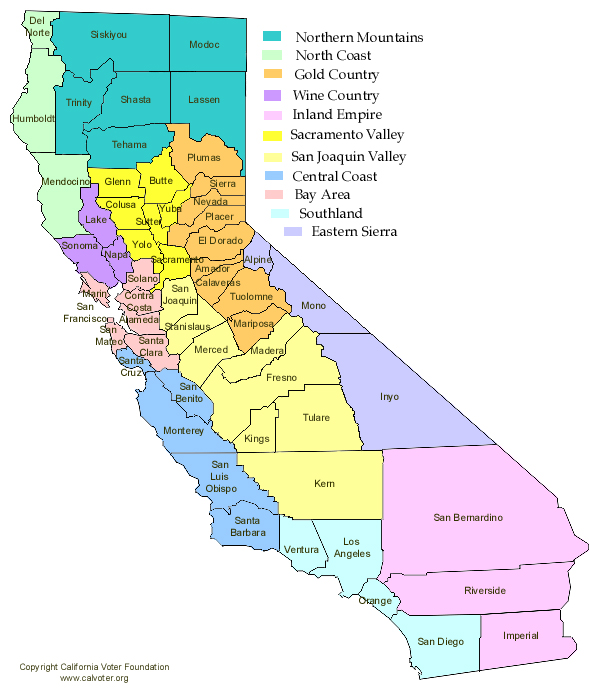
Exploring Diverse Destinations Through California’s Districts
The 52 congressional districts of California are not arbitrary lines on a map; they often encompass regions with shared identities, making them natural foci for specific types of travel experiences. From north to south, these districts encapsulate a spectrum of destinations, each promising unique adventures and insights.
The Northern California Experience: From Redwoods to Silicon Valley
The northernmost districts of California are defined by breathtaking natural beauty and groundbreaking innovation. Travelers here can explore the majestic ancient groves of Redwood National Park, where some of the tallest trees on Earth inspire awe and provide unparalleled opportunities for hiking and nature photography. Further south, districts around San Francisco beckon with iconic landmarks like the Golden Gate Bridge, vibrant neighborhoods, and a world-renowned culinary scene. The urban landscape of San Francisco offers a cosmopolitan experience, from historical cable car rides to exploring the eclectic shops of Haight-Ashbury.
Adjacent to San Francisco lies the epicenter of technological advancement, Silicon Valley. Districts in this area, encompassing cities like San Jose and Palo Alto, offer a different kind of travel experience. Here, visitors can delve into the history of innovation at computer museums, explore university campuses that have shaped global technology, and witness the dynamic energy of a region that continuously reinvents the future. While not traditionally “touristy,” the unique blend of intellectual curiosity and modern architectural marvels provides a fascinating journey for those interested in the cutting edge.
Central California’s Heartlands: Agriculture, Coastlines, and National Parks
Moving into the central part of the state, congressional districts begin to tell a story of agricultural prowess, stunning Pacific coastlines, and monumental national parks. The sprawling Central Valley districts are the agricultural backbone of California, where vast orchards and farmlands produce much of the nation’s fruits, vegetables, and nuts. This region offers unique agritourism opportunities, from farm tours and farmers’ markets to tasting rooms for locally produced wines and olive oils. It’s a journey into the heart of California’s food culture, offering a taste of the land.
To the west, coastal districts around Monterey Bay captivate travelers with their rugged beauty and marine life. The Monterey Bay Aquarium, a world-class institution, provides an immersive look at the ocean’s wonders, while the scenic Highway 1 drive through Big Sur offers some of the most dramatic coastal vistas imaginable. Further inland, districts stretch towards the Sierra Nevada mountains, home to iconic destinations such as Yosemite National Park. Here, travelers can marvel at granite cliffs, ancient sequoia groves, and cascading waterfalls, engaging in hiking, climbing, and wilderness exploration that reconnects them with nature’s grandeur.
Southern California’s Iconic Regions: Beaches, Entertainment, and Deserts

Southern California encompasses districts that are globally recognized for their vibrant entertainment, sun-drenched beaches, and unique desert landscapes. The densely populated districts of Los Angeles County are a hub of activity, offering everything from the glamour of Hollywood and its movie studios to the artistic treasures of museums like the Getty Center. Travelers can explore diverse neighborhoods, experience world-class dining, or soak up the sun on famous beaches like Santa Monica and Malibu.
Further south, districts in Orange County are synonymous with theme parks and pristine coastlines. Disneyland Resort in Anaheim draws millions annually, while the sophisticated beach towns of Laguna Beach and Newport Beach offer upscale relaxation and water sports. Near the southern border, districts around San Diego boast a laid-back charm, historic neighborhoods like the Gaslamp Quarter, and family-friendly attractions like the San Diego Zoo.
Beyond the coastal urban centers, some southern California districts extend into the mesmerizing desert regions. Destinations like Palm Springs offer a luxurious desert escape with mid-century modern architecture, golf courses, and vibrant arts scenes. Nearby, Joshua Tree National Park provides otherworldly landscapes for hiking, stargazing, and rock climbing, showcasing a stark yet beautiful contrast to the state’s more verdant areas.
How Congressional Districts Reflect California’s Unique Charms
While their primary function is political, California’s congressional districts often align with distinct geographical, economic, and cultural regions. This alignment makes them an interesting framework for understanding the state’s diverse appeal to travelers.
Economic Engines and Tourist Appeal
Many districts are drawn around economic hubs, which naturally translate into specific tourist attractions and experiences. For instance, districts encompassing Hollywood are magnets for film enthusiasts and celebrity spotters, offering studio tours and movie-themed attractions. The agricultural districts in the Central Valley highlight farm-to-table dining experiences and agricultural fairs. The tech-centric districts of Silicon Valley, while not traditional tourist destinations, attract visitors interested in innovation, technology history, and the future of entrepreneurship. This alignment means that exploring different districts can reveal the underlying economic forces that shape the local culture and attractions.
Cultural Tapestry and Local Experiences
California’s immense population is a melting pot of cultures, and many congressional districts reflect these unique cultural concentrations. For example, specific districts in Los Angeles might be home to vibrant Chinatowns, Koreatowns, or Little Mexicos, each offering authentic culinary experiences, festivals, and cultural events. Travelers seeking genuine local experiences can often find them by exploring areas known for their distinct community identities, which frequently correspond to these political boundaries. These cultural enclaves provide an immersive experience, allowing visitors to taste, see, and hear the rich diversity that defines California.
Natural Wonders and Conservation
The varied topography of California means that many congressional districts encompass vast stretches of natural beauty, from pristine coastlines to towering mountain ranges and arid deserts. The representatives for these districts often advocate for environmental protection and sustainable tourism, directly impacting the preservation of popular natural attractions. Travelers benefit from these efforts through well-maintained trails, accessible parks, and protected wilderness areas. Whether it’s the dramatic cliffs of Big Sur, the ancient trees of Redwood National Park, or the unique ecosystems of Joshua Tree National Park, these natural wonders often fall within specific districts, whose governance plays a role in their accessibility and conservation.

Navigating California with a Regional Understanding
While not typically part of a travel itinerary, understanding that California is divided into 52 congressional districts provides a framework for appreciating the state’s incredible scale and multifaceted character. Each district, in its unique way, contributes to the state’s economic vitality, cultural richness, and environmental splendor. For travelers, this insight can enhance their journey, encouraging them to look beyond the superficial and delve into the distinct regional identities that make the Golden State such a captivating destination.
Whether you’re exploring the political pulse of its urban centers, savoring the agricultural bounty of its valleys, or immersing yourself in the awe-inspiring beauty of its natural landscapes, recognizing the diverse representation within California offers a deeper understanding of its dynamic spirit. Plan your adventure across these varied regions, and discover how each corner of California offers a world of its own, collectively forming one of the most remarkable travel destinations on Earth.
LifeOutOfTheBox is a participant in the Amazon Services LLC Associates Program, an affiliate advertising program designed to provide a means for sites to earn advertising fees by advertising and linking to Amazon.com. Amazon, the Amazon logo, AmazonSupply, and the AmazonSupply logo are trademarks of Amazon.com, Inc. or its affiliates. As an Amazon Associate we earn affiliate commissions from qualifying purchases.