
Embarking on a journey from the bustling mainland of California to the tranquil shores of Hawaii involves more than just a change in scenery; it signifies a significant shift in time zones. Understanding this crucial difference is paramount for any traveler looking to seamlessly transition into island life, mitigate jet lag, and maximize their precious vacation time. The temporal distance between these two iconic USA destinations can be a source of confusion, particularly with the added complexity of Daylight Saving Time. This guide illuminates the precise time difference and offers actionable insights for a flawless travel experience.
The Core Time Difference Unveiled
At its heart, the time difference between California and Hawaii is consistent for much of the year, but a critical seasonal adjustment must be factored in. Hawaii steadfastly observes Hawaii Standard Time (HST) year-round, which is UTC-10. This means the islands do not participate in Daylight Saving Time, a key distinction from most of the continental USA.
Hawaii Standard Time (HST) vs. Pacific Time (PT)
California operates on Pacific Time (PT), which shifts between Pacific Standard Time (PST) during the winter months and Pacific Daylight Time (PDT) during the spring, summer, and fall.
- During Pacific Standard Time (PST): From early November to mid-March, California is on PST, which is UTC-8. During this period, Hawaii is two hours behind California. For instance, if it’s 10:00 AM in Los Angeles, it’s 8:00 AM in Honolulu.
- During Pacific Daylight Time (PDT): From mid-March to early November, California switches to PDT, which is UTC-7. Because Hawaii does not observe Daylight Saving Time, the time difference widens. During this period, Hawaii is three hours behind California. So, if it’s 10:00 AM in San Francisco, it’s 7:00 AM in Maui.
This three-hour difference during PDT is the most common scenario for travelers, as many plan their Hawaii trips during the warmer months when California is on PDT. This temporal gap is a significant factor in travel planning and body clock adjustments. It’s also worth noting that other western USA states like Oregon, Washington, and Nevada follow Pacific Time, while Arizona (largely) and Alaska have their own distinct time zones, further emphasizing the unique position of Hawaii.
The Daylight Saving Time (DST) Factor
The absence of Daylight Saving Time in Hawaii simplifies local life but adds a layer of complexity for visitors from regions that do observe it, such as Canada and Mexico‘s border regions, in addition to the continental USA. Travelers often forget to account for this shift, leading to minor scheduling mishaps or an underestimation of potential jet lag. Always double-check the current time difference just before your departure, especially if your trip spans the DST transition dates in March or November. A simple search for “time in Honolulu now” against your local time can save you from any confusion.
Navigating Jet Lag: Strategies for a Smooth Transition
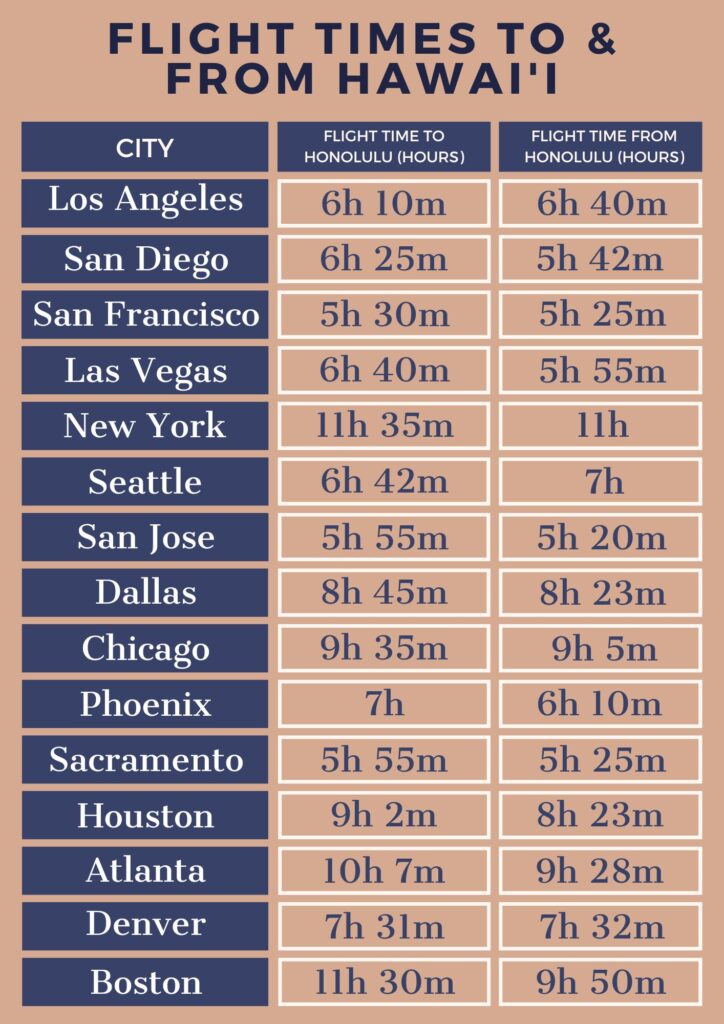
The journey to Hawaii from California is typically 5-6 hours by air, but the feeling of losing 2-3 hours can significantly impact your internal clock. Jet lag, characterized by fatigue, disorientation, and sleep disturbances, is a common companion for westbound travelers. However, with a proactive approach, its effects can be greatly minimized.
Pre-Trip Adjustments
Start your jet lag prevention strategy even before you board the plane. A few days prior to departure, gradually shift your bedtime and wake-up time to align more closely with Hawaii’s schedule. If you’re heading to Hawaii during PDT (the three-hour difference), try going to bed and waking up an hour earlier each day for three days before your flight. This gentle adjustment can significantly ease the shock to your system upon arrival. Also, ensure you are well-rested before traveling. A lack of sleep exacerbates jet lag symptoms.
On-Arrival Techniques
Once your flight lands in Honolulu, Maui, Kona, or any of the islands, immediately set your watch to local Hawaii time. Expose yourself to natural light as much as possible during the day, especially in the mornings. Sunlight helps reset your circadian rhythm. Plan light activities for your first day, avoiding strenuous excursions. A gentle stroll on Waikiki Beach or exploring the shops in Lahaina can be a perfect introduction to island life without overdoing it. Resist the urge to nap for extended periods during the day, even if you feel tired; brief power naps (20-30 minutes) are acceptable if absolutely necessary, but aim to stay awake until the local bedtime.
Hydration and Nutrition

Proper hydration is critical both during your flight and upon arrival. Airplane cabins are notoriously dry, and dehydration can worsen jet lag symptoms. Drink plenty of water and avoid excessive alcohol and caffeine, which can disrupt sleep patterns and further dehydrate you. Focus on consuming light, fresh meals, echoing the abundant local produce found throughout the Hawaiian islands. Fresh fruits, vegetables, and lean proteins can help your body adjust more naturally than heavy, processed foods. Eating at local meal times also signals to your body that it’s time to align with the new schedule.
Optimizing Your Hawaii Itinerary: Making the Most of the Time Shift
Understanding the time difference isn’t just about mitigating discomfort; it’s also about strategic planning to enhance your Hawaii experience. The unique temporal relationship with California can be leveraged to your advantage.
Early Mornings, Longer Days
The most significant benefit of the time shift, especially for those coming from California during PDT (the three-hour difference), is the natural inclination to wake up earlier. Your body, still somewhat on California time, will likely prompt you to rise before the sun. Embrace this! Early mornings in Hawaii are magical. You can witness breathtaking sunrises over Haleakala on Maui, enjoy uncrowded beaches on Oahu, or explore the Na Pali Coast of Kauai before the crowds arrive. This natural early start effectively extends your day, allowing you to pack more adventure and relaxation into your itinerary. Consider booking popular attractions, like surfing lessons on Waikiki Beach or a visit to Pearl Harbor, for early slots to avoid peak crowds and make the most of your heightened morning energy.
Business and Communication Across Time Zones
For business travelers or those needing to stay connected with work, family, or friends on the mainland, the time difference requires careful consideration. A 9 AM meeting in California will be at 6 AM in Hawaii during PDT, or 7 AM during PST. This means early mornings for calls if you need to align with regular business hours on the west coast. Conversely, if you need to connect with the East Coast, the time difference can be even more pronounced, potentially requiring late-night calls from Hawaii. Plan your communication schedule in advance, letting mainland contacts know your local time to manage expectations. Utilize scheduling tools that automatically adjust for time zones to prevent miscommunications.
Evening Activities and Dinner Plans
The time difference can also influence your evening plans. While you might be ready for a late dinner at 9 PM local time, your internal clock might feel like it’s 12 AM California time, leading to premature fatigue. For the first few days, consider dining earlier than usual. Many Hawaiian restaurants offer beautiful sunset views, providing a perfect backdrop for an early evening meal. As you adjust, you can gradually shift to later dinners and enjoy the vibrant nightlife, whether it’s a luau on the Big Island or live music in Honolulu. Remember that the sun sets relatively early in the tropics, providing ample evening hours even with an earlier dinner.
Beyond the Clock: Cultural Nuances and Travel Tips
The time difference isn’t just a technicality; it’s an invitation to embrace the unique rhythm of the islands. Your travel experience will be richer if you allow yourself to sink into the local cadence.
The Hawaiian Pace of Life
Hawaii operates on “island time,” a more relaxed, unhurried pace compared to the fast-paced life of California. While the time zone difference is fixed, the cultural approach to time is fluid. Embrace this slower tempo. Don’t rush. Allow extra time for everything, from getting to your destination to waiting for service. This relaxed attitude can be a refreshing antidote to the initial jet lag and helps you truly unwind. It’s an integral part of the Hawaiian experience, encouraging mindfulness and appreciation for the present moment.
Staying Connected with the Mainland
While many desire to disconnect entirely on vacation, staying briefly connected for emergencies or important updates is often necessary. Ensure your phone settings automatically update for time zones. Consider downloading a world clock app to easily track both Hawaii time and your home time. If relying on public Wi-Fi, remember that connections might be slower or less ubiquitous than what you’re accustomed to in urban California. For seamless communication, check with your mobile provider about international roaming plans or consider purchasing a local SIM card if you plan an extended stay.
Essential Packing for Time Zone Adjustments
Thoughtful packing can further aid your adjustment. Bring an eye mask and earplugs to ensure undisturbed sleep, especially if your body is still trying to adapt. A comfortable travel pillow can make your flight more restful. Light, breathable clothing is essential for Hawaii’s tropical climate, but also consider a light jacket or sarong for air-conditioned spaces or cooler evenings. Sunscreen and a wide-brimmed hat are non-negotiable for protecting your skin during those early morning explorations when the sun, though not yet scorching, is still potent. Finally, an adaptable attitude and a willingness to embrace the temporal shift will be your best companions as you journey to the alluring islands of Hawaii.
The 2-3 hour time difference between California and Hawaii is more than just numbers on a clock; it’s a gateway to a different pace of life. By understanding and proactively addressing this shift, travelers can transform a potential hurdle into an opportunity for deeper immersion and enjoyment of the unique Hawaiian experience, from the vibrant streets of Honolulu to the serene landscapes of Kauai and the volcanic wonders of the Big Island.
LifeOutOfTheBox is a participant in the Amazon Services LLC Associates Program, an affiliate advertising program designed to provide a means for sites to earn advertising fees by advertising and linking to Amazon.com. Amazon, the Amazon logo, AmazonSupply, and the AmazonSupply logo are trademarks of Amazon.com, Inc. or its affiliates. As an Amazon Associate we earn affiliate commissions from qualifying purchases.