
Decoding the Nutritional Profile of a Popular Sushi Choice
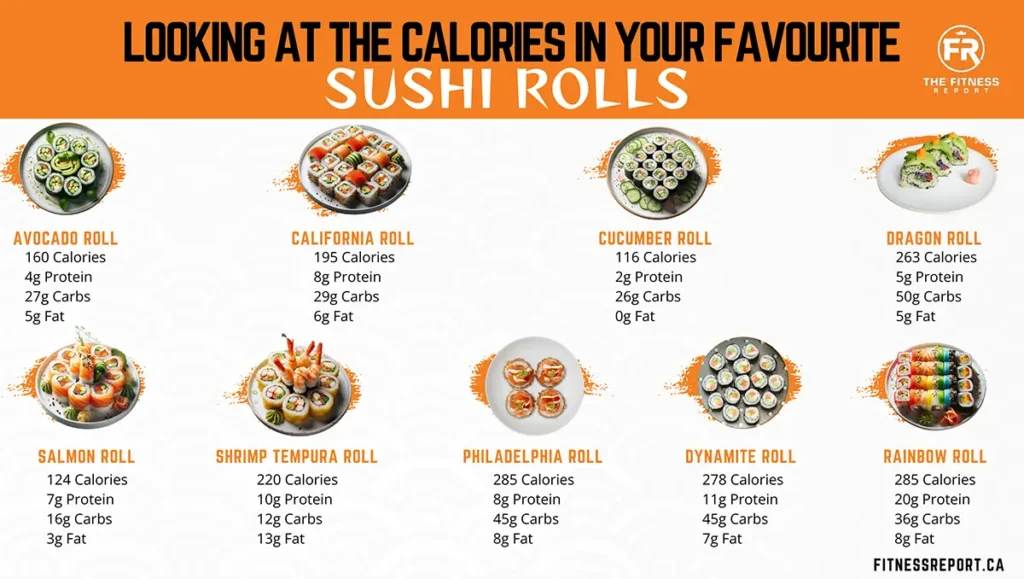
The California Roll has become a ubiquitous presence on sushi menus worldwide, a testament to its approachable flavor profile and unique construction. Unlike traditional sushi that prominently features raw fish, the California Roll typically comprises imitation crab (surimi), avocado, and cucumber, all rolled in vinegared rice and often coated with sesame seeds or seaweed (nori). This ingredient blend makes it a favored option for those new to sushi or with aversions to raw seafood. However, as diners become increasingly health-conscious and curious about the nutritional content of their meals, a common question arises: “How much protein is actually in a California Roll?” This article delves into the protein contributions of each component and explores how preparation methods can influence the overall nutritional value, providing a comprehensive understanding for consumers.
The Protein Contributors: A Component Breakdown
To accurately assess the protein content of a California Roll, it’s essential to examine the primary ingredients individually. While no single component is a powerhouse of protein, their combined effect, along with potential variations, paints a clearer picture.
Surimi (Imitation Crab)
The star ingredient of the California Roll is often surimi, a processed seafood product made from white fish (such as pollock) that has been deboned, minced, and then combined with binders, flavorings, and colorings to mimic the texture and taste of crab meat. The protein content in surimi can vary significantly depending on the manufacturer and the specific formulation. Generally, high-quality surimi is derived from fish protein. A typical serving of surimi, approximately 2 ounces (about 56 grams), can contain between 6 to 10 grams of protein. This is a moderate contribution, and it’s important to note that surimi is not pure fish but rather a processed product where protein is present, but other ingredients like starches and sugars are also incorporated. The process of creating surimi involves washing the fish to remove fat and undesirable compounds, then mincing and mixing it with ingredients like egg whites, starch, and seasonings. This refinement process can alter the protein density compared to whole fish.
Avocado
Avocado, prized for its creamy texture and healthy fats, is a significant component of the California Roll. While not primarily a protein source, avocado does offer a small amount of this essential macronutrient. A quarter of a medium avocado (approximately 30 grams) contains about 0.6 to 1 gram of protein. In a standard California Roll, where about a quarter to a third of an avocado might be used, this contributes a negligible amount to the overall protein count. However, the healthy monounsaturated fats present in avocado are a key nutritional benefit, contributing to satiety and providing essential fatty acids.
Cucumber
Cucumber, largely composed of water, is primarily valued for its refreshing crunch and low calorie count. It offers very little in terms of protein. A typical serving of cucumber used in a California Roll, about a quarter of a cup sliced (around 30 grams), provides less than 0.5 grams of protein. Its main role is textural and in adding a subtle, cooling flavor to the roll.
Rice
The vinegared rice used in sushi forms the base of the California Roll. White sushi rice, when cooked, provides a modest amount of protein. A half-cup serving of cooked white rice (about 100 grams) contains approximately 2 to 2.5 grams of protein. Given that a California Roll typically uses between half a cup to a full cup of rice, this component contributes a few grams of protein. While not a significant source, it does add to the overall intake, and the carbohydrates in the rice are the primary macronutrient contribution.
Nori (Seaweed)
If the California Roll is made with nori on the outside (a traditional maki style), the seaweed wrapper itself can offer a small protein boost. A single sheet of nori (about 3-5 grams) contains around 0.5 to 1 gram of protein. While this is a minor addition, it does contribute to the cumulative protein count of the roll. Nori is also a good source of various vitamins and minerals, including iodine.
Estimating the Total Protein Content
Synthesizing the protein contributions from each ingredient allows for an estimation of the total protein in a standard California Roll. A typical California Roll, often consisting of 6 to 8 pieces, might be expected to contain:

- Surimi: 6-10 grams
- Avocado: 0.5-1 gram
- Cucumber: <0.5 gram
- Rice: 2-4 grams
- Nori (if used): 0.5-1 gram
Adding these figures, a single California Roll, depending on its size and the exact proportions of ingredients, can range from approximately 9 to 16 grams of protein. This estimation positions the California Roll as a moderate protein source, more substantial than a simple salad but less so than a piece of grilled chicken breast or fish.
Factors Influencing Protein Content
It’s crucial to acknowledge that the actual protein content can fluctuate based on several factors. Understanding these variables can help diners make more informed choices.
Size and Portion Control
The most obvious factor is the size of the roll and the number of pieces served. A larger roll with more rice and a more generous filling of surimi will naturally have more protein. Similarly, an order of 8 pieces will contain more protein than an order of 6. Many sushi restaurants offer different portion sizes or allow for customization, which can affect the final nutritional outcome. When ordering, consider the visual size of the sushi pieces.
Ingredient Quality and Quantity
The quality and quantity of the surimi used are paramount. Some establishments may use surimi with a higher fish protein content, while others might utilize cheaper alternatives with more fillers. The ratio of surimi to rice and avocado also plays a significant role. Rolls with a higher proportion of surimi will naturally boast more protein. Similarly, the amount of avocado used can marginally impact the protein count, though its contribution remains modest.
Preparation Methods and Additions
While the core ingredients of a California Roll are standard, variations in preparation can subtly alter the protein content. For instance, if additional protein sources are incorporated, such as real crab meat (which significantly increases protein), the nutritional profile changes dramatically. Some chefs might add a touch of mayonnaise to the surimi mixture, which is typically low in protein. The way the sushi is cut and assembled can also influence the ingredient distribution per piece.
Accompanying Sauces and Sides
While not part of the roll itself, accompanying condiments can sometimes contribute to the overall dietary intake, although rarely protein. Soy sauce, while low in protein, is high in sodium. Wasabi and pickled ginger offer minimal nutritional value in terms of protein. If the California Roll is part of a larger meal that includes protein-rich items like edamame or sashimi, the cumulative protein intake will, of course, be higher.

The California Roll in a Balanced Diet
Understanding the protein content of a California Roll allows for its integration into a balanced dietary plan. For individuals seeking to increase their protein intake, a California Roll can be a supplementary option rather than a primary protein source. It offers a palatable way to consume some protein, alongside healthy fats from the avocado and carbohydrates from the rice.
For vegetarians or vegans, the traditional California Roll is not suitable due to the surimi. However, vegetarian sushi rolls that utilize ingredients like tofu or tempeh can offer plant-based protein alternatives. The nutritional profile of these rolls would differ significantly. For example, a roll featuring firm tofu could provide a more substantial and direct source of plant-based protein.
When dining at sushi establishments, whether it’s a local favorite like Nobu in Malibu or a casual eatery in your hometown, being aware of the protein content of your chosen dishes empowers you to make mindful dietary choices. For those traveling and exploring culinary landscapes, such as the diverse food scene in Los Angeles, understanding these nutritional details can enrich the experience.
In conclusion, while the California Roll is not a protein heavyweight, it does offer a respectable amount, primarily from its surimi component, with minor contributions from rice and avocado. It serves as a good example of how seemingly simple dishes can have a nuanced nutritional composition, making it a popular and somewhat satisfying choice on a sushi menu for many.
LifeOutOfTheBox is a participant in the Amazon Services LLC Associates Program, an affiliate advertising program designed to provide a means for sites to earn advertising fees by advertising and linking to Amazon.com. Amazon, the Amazon logo, AmazonSupply, and the AmazonSupply logo are trademarks of Amazon.com, Inc. or its affiliates. As an Amazon Associate we earn affiliate commissions from qualifying purchases.