
Embarking on a journey from the sun-kissed shores of California to the vast, diverse landscapes of Australia is an adventure of a lifetime. However, such an epic voyage across the Pacific Ocean comes with a significant challenge: navigating one of the largest time differences on the planet. Understanding precisely how many hours Australia is ahead of California is not just a matter of curiosity; it’s a critical piece of information for seamless travel planning, managing jet lag, and maintaining connections with home. This guide delves into the complexities of global time zones to equip you with the knowledge needed for an unforgettable trip Down Under.

Understanding Global Time Zones for Seamless Travel
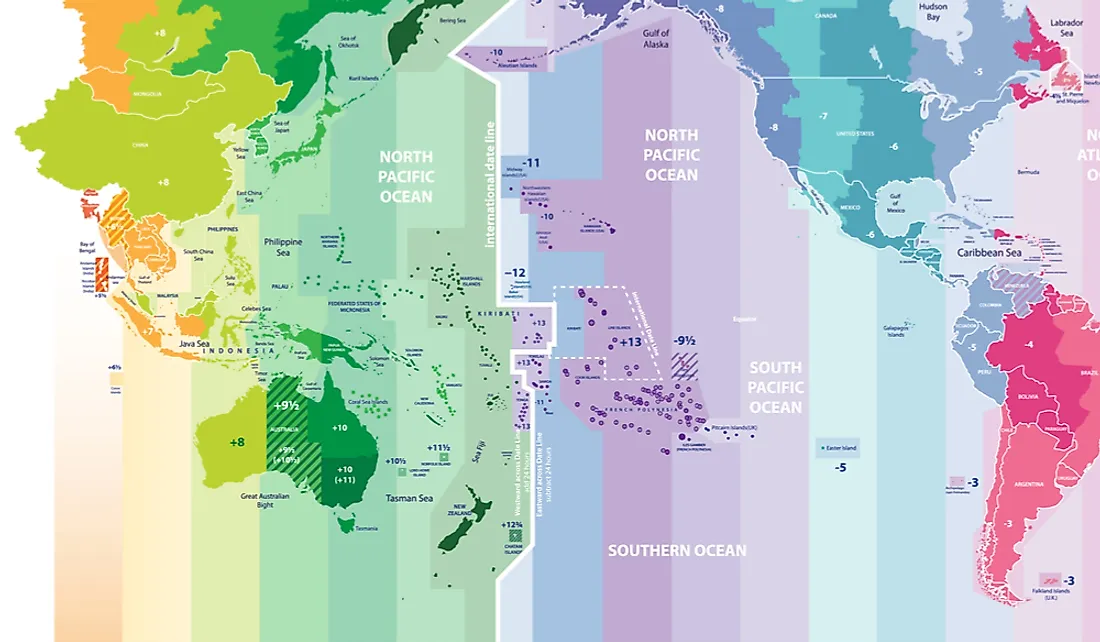
The Earth’s rotation dictates the concept of time zones, dividing the globe into 24 segments, each roughly 15 degrees of longitude wide. These zones are referenced against Coordinated Universal Time (UTC), the primary time standard by which the world regulates clocks and time. When traveling east across these zones, you essentially “gain” time, moving ahead; traveling west, you “lose” time. However, the true game-changer in trans-Pacific travel is the International Date Line, an imaginary line that runs mostly through the middle of the Pacific Ocean. Crossing this line means not just a change in time by several hours, but a complete change of calendar day.
For travelers journeying from California to Australia, this translates into a substantial leap forward in time, often landing you a day or more ahead. The sheer vastness of both the United States and Australia further complicates matters, as both countries encompass multiple time zones. While California largely adheres to a single time zone (with Daylight Saving Time variations), Australia spans three primary time zones, each with its own Daylight Saving Time rules in various states. This intricate web of temporal shifts necessitates careful calculation to avoid scheduling mishaps and mitigate the effects of jet lag, making a comprehensive understanding indispensable for any sophisticated globetrotter.
Pinpointing the Time Difference: A State-by-State Breakdown
Calculating the precise time difference between California and Australia requires a detailed look at their respective time zones, accounting for seasonal changes like Daylight Saving Time.
California’s Consistent Pacific Time
California primarily operates under one time zone: Pacific Standard Time (PST) during the winter months and Pacific Daylight Time (PDT) during the summer.
- PST is UTC-8.
- PDT is UTC-7, shifting one hour forward from PST typically from March to November.
This consistency makes California’s side of the equation relatively straightforward.
Australia’s Multiple Time Zones
Australia, being a continent of immense size, is divided into three main time zones:
-
Australian Eastern Standard Time (AEST): This covers the eastern states of Queensland, New South Wales, Victoria, Tasmania, and the Australian Capital Territory. AEST is UTC+10. During summer, New South Wales, Victoria, Tasmania, and the Australian Capital Territory observe Australian Eastern Daylight Time (AEDT), which is UTC+11. Queensland does not observe Daylight Saving Time.
- Key cities: Sydney, Melbourne, Brisbane.
-
Australian Central Standard Time (ACST): This applies to the Northern Territory and South Australia. ACST is UTC+9:30. South Australia observes Australian Central Daylight Time (ACDT) during summer, which is UTC+10:30. The Northern Territory does not.
- Key cities: Adelaide, Darwin.
-
Australian Western Standard Time (AWST): This zone covers Western Australia and is UTC+8. Western Australia does not observe Daylight Saving Time.
- Key city: Perth.
The Calculation: California vs. Key Australian Cities
Given these complexities, the time difference can vary significantly depending on the time of year and your specific destination within Australia.
-
California (PDT) vs. Sydney/Melbourne (AEDT) – During Daylight Saving (typically October to March in Australia, March to November in California):
- PDT is UTC-7.
- AEDT is UTC+11.
- Difference: 11 – (-7) = 18 hours.
- Result: Sydney and Melbourne are 18 hours ahead of California.
-
California (PST) vs. Sydney/Melbourne (AEST) – During Winter (typically April to September in Australia, November to March in California):
- PST is UTC-8.
- AEST is UTC+10.
- Difference: 10 – (-8) = 18 hours.
- Result: Sydney and Melbourne are 18 hours ahead of California.
- Note: While both are 18 hours, the actual local times shift. For example, 1 PM Monday in Los Angeles (PDT) would be 7 AM Tuesday in Sydney (AEDT). During winter, 1 PM Monday in Los Angeles (PST) would be 7 AM Tuesday in Sydney (AEST).
-
California (PDT) vs. Adelaide (ACDT) – During Daylight Saving:
- PDT is UTC-7.
- ACDT is UTC+10:30.
- Difference: 10.5 – (-7) = 17.5 hours.
- Result: Adelaide is 17.5 hours ahead of California.
-
California (PST) vs. Adelaide/Darwin (ACST) – During Winter:
- PST is UTC-8.
- ACST is UTC+9:30.
- Difference: 9.5 – (-8) = 17.5 hours.
- Result: Adelaide and Darwin are 17.5 hours ahead of California.
-
California (PDT) vs. Perth (AWST) – During California’s Daylight Saving:
- PDT is UTC-7.
- AWST is UTC+8.
- Difference: 8 – (-7) = 15 hours.
- Result: Perth is 15 hours ahead of California.
-
California (PST) vs. Perth (AWST) – During California’s Winter:
- PST is UTC-8.
- AWST is UTC+8.
- Difference: 8 – (-8) = 16 hours.
- Result: Perth is 16 hours ahead of California.
Crucially, because you cross the International Date Line when traveling from California to Australia, you will arrive “the next day.” If you depart California on a Monday, you will land in Australia on a Wednesday, having skipped Tuesday entirely.
Navigating the Time Warp: Practical Travel Tips
The significant time difference between California and Australia demands strategic planning to ensure a smooth and enjoyable travel experience.
Beating Jet Lag
Jet lag is an inevitable companion on such long-haul flights. However, its effects can be significantly minimized with proactive measures:
- Gradual Adjustment: Begin shifting your sleep schedule by an hour or two each day in the days leading up to your departure. Aim to get closer to Australian time.
- Hydration and Moderation: Stay well-hydrated throughout your flight and avoid excessive caffeine and alcohol, which can exacerbate jet lag symptoms.
- Sunlight Exposure: Upon arrival, expose yourself to natural sunlight, especially in the morning. This helps reset your body’s internal clock (circadian rhythm).
- Immediate Adoption of Local Time: As soon as you board your flight, adjust your watch to your Australian destination’s time. Start eating and sleeping according to this new schedule as much as possible.
- Strategic Napping: If you must nap, keep it short (20-30 minutes) and avoid sleeping for extended periods during the day, which can disrupt nighttime sleep.
- Melatonin: Consider using melatonin supplements, under medical advice, to help regulate your sleep cycle during the first few nights.
Communication Across Continents
Maintaining contact with family, friends, or business associates back in California requires careful consideration of the time difference.
- Time Zone Converters: Utilize online time zone converters or world clock apps to quickly check current times in both locations.
- Best Call Times: If you’re in Sydney (18 hours ahead of California PDT), 9 AM Tuesday in Sydney would be 3 PM Monday in California (PDT). This means early evening for Californians is the morning of the next day in Australia, which can be an ideal window for calls. Conversely, your evening in Australia would be early morning on the same day in California.
- Scheduled Communication: Agree on specific times for calls or video chats to avoid waking anyone up at an inconvenient hour.
Planning Your Itinerary
The time difference impacts more than just jet lag; it shapes your entire travel experience.
- Flight Duration and Arrival: A typical flight from Los Angeles to Sydney can take around 14-15 hours. Due to the time difference and crossing the International Date Line, you might depart on a Monday evening and arrive Wednesday morning. Factor this “lost” day into your total trip duration.
- Initial Days: Plan for a lighter schedule during your first few days in Australia to allow your body to adjust. Avoid booking demanding tours or activities immediately after arrival.
- Internal Australian Travel: Remember that Australia itself has multiple time zones. If you fly from Sydney to Perth, you will “gain” 2-3 hours, potentially making for a longer perceived day or requiring further minor adjustments.
Embrace the Experience: The Allure of Australian Travel
Despite the logistical challenges posed by the significant time difference, the journey from California to Australia is profoundly rewarding. It’s a leap not just across time zones, but into a different hemisphere with an inverted seasons, unique wildlife, and a vibrant culture that captivates every visitor.
From California’s Sunshine to Australia’s Wonders
Imagine trading California’s iconic beaches and national parks for Australia’s world-renowned natural and cultural treasures. You can marvel at the architectural masterpiece of the Sydney Opera House, explore the vibrant marine biodiversity of the Great Barrier Reef, witness the spiritual grandeur of Uluru in the Red Centre, or surf the legendary waves of Bondi Beach. Melbourne beckons with its laneway cafes and arts scene, while Perth offers a relaxed pace and stunning Indian Ocean sunsets. The contrast between California’s familiar charm and Australia’s exotic allure makes for an unparalleled travel narrative.

Making the Most of Your Journey Down Under
The long flight and the considerable time adjustment are small prices to pay for the unparalleled experiences awaiting you. To maximize your journey:
- Visa Requirements: Ensure you have the necessary Australian visa (such as an ETA or eVisitor visa) well in advance of your travel date.
- Seasonal Considerations: Remember that Australia’s seasons are opposite to those in the Northern Hemisphere. December to February is summer, while June to August is winter. Plan your activities accordingly.
- Immersive Experiences: Don’t just tick off landmarks. Engage with the local Australian culture, try the diverse cuisine, and venture beyond the major cities to discover hidden gems. From cuddling a koala to exploring ancient rainforests, Australia offers a tapestry of unique moments.
By understanding and preparing for the temporal leap, travelers from California can transform the challenge of time differences into an anticipated part of the adventure, ready to embrace every moment of their extraordinary Australian escapade.
LifeOutOfTheBox is a participant in the Amazon Services LLC Associates Program, an affiliate advertising program designed to provide a means for sites to earn advertising fees by advertising and linking to Amazon.com. Amazon, the Amazon logo, AmazonSupply, and the AmazonSupply logo are trademarks of Amazon.com, Inc. or its affiliates. As an Amazon Associate we earn affiliate commissions from qualifying purchases.