
California, a state synonymous with innovation, diverse landscapes, and cultural influence, serves as a crucial global hub for both business and leisure travel. As such, its connectivity to the rest of the world is paramount. For travelers planning a visit or residents looking to explore beyond its borders, understanding the gateways that facilitate international passage is key. The Golden State boasts seven primary international airports that welcome millions of passengers annually, linking its vibrant cities and iconic destinations to every corner of the globe. These aren’t just transit points; they are essential arteries of commerce, tourism, and cultural exchange.
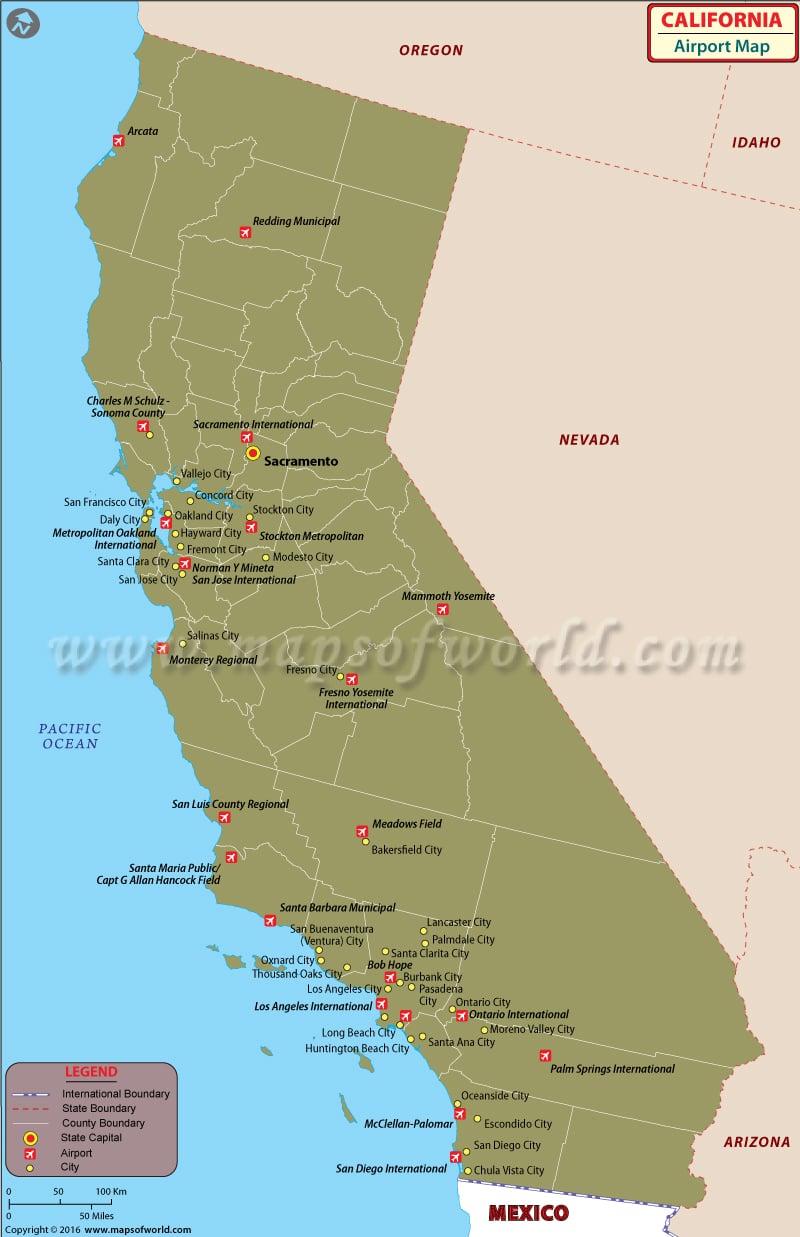
California’s Global Gateways: An Overview
California’s position on the Pacific Rim naturally makes it a prime entry point for travelers from Asia and beyond, while its extensive ties to Europe and Latin America further solidify its global reach. The seven airports equipped with U.S. Customs and Border Protection facilities and offering regular international passenger service are strategically distributed across the state, ensuring comprehensive coverage for its vast and varied regions. These airports are more than just infrastructure; they are economic engines, facilitating trade, attracting foreign investment, and supporting millions of jobs. They enable seamless access to California’s world-renowned attractions, from the beaches of Southern California to the tech hubs of Northern California and the agricultural heartland of the Central Valley. Each airport offers a unique set of international routes, catering to specific regional demands and demographic needs, collectively creating a robust network that truly defines California as a global connector.
Key International Airports Serving Southern California
Southern California is home to a significant portion of the state’s population and iconic tourist destinations, demanding a robust network of international air travel options. Four major international airports serve this dynamic region, each playing a distinct role in connecting it to the world.
Los Angeles International Airport (LAX)
Los Angeles International Airport (LAX) stands as the undisputed titan among California’s airports and one of the busiest in the world. As the primary gateway to Los Angeles and the surrounding metropolitan area, LAX boasts an unparalleled network of international flights, connecting travelers to virtually every continent. With multiple terminals and a vast array of airlines, it serves as a critical hub for travel between North America and Asia, Europe, and Oceania. Its strategic location makes it indispensable for Hollywood’s film industry, international business, and tourists eager to explore Southern California’s diverse attractions, from Disneyland to the beaches of Malibu. Ongoing modernization projects, including a new automated people mover and terminal enhancements, aim to improve the passenger experience and solidify its position as a world-class travel hub for decades to come.
San Diego International Airport (SAN)
Located just three miles northwest of downtown San Diego, San Diego International Airport (SAN) is another vital international gateway, particularly for cross-border travel. SAN offers direct flights to several destinations in Mexico and Canada, reflecting San Diego’s’s unique geographical position adjacent to the U.S.-Mexico border. It caters to a significant number of leisure travelers drawn to San Diego’s vibrant culture, pristine beaches, and world-class attractions like the San Diego Zoo and Balboa Park. While smaller in scale than LAX, SAN plays a critical role in regional connectivity and serves as a convenient alternative for international travelers avoiding the larger Los Angeles hub.
Ontario International Airport (ONT)
For travelers heading to the Inland Empire and eastern Los Angeles County, Ontario International Airport (ONT) provides an increasingly popular international option. ONT has seen significant growth in recent years, particularly in its international offerings, with direct flights to Mexico and expanding services to Asia. This airport offers a less congested and often more convenient experience than LAX for travelers whose final destinations are east of Los Angeles. Its modern facilities and commitment to expanding its route network make it a vital component of Southern California’s international travel infrastructure, easing pressure on LAX and providing a valuable alternative for many.
John Wayne Airport (SNA)

Serving Orange County, John Wayne Airport (SNA) is another key player in Southern California’s international air travel scene. While primarily known for its extensive domestic connections, SNA also facilitates international flights, predominantly to destinations in Canada and Mexico. It serves a prosperous region, including the cities of Anaheim, Santa Ana, and Irvine, and is a convenient choice for business travelers and tourists visiting Orange County’s numerous attractions, including Disneyland and beautiful coastal areas. Its more boutique-like feel and efficient operations make it a preferred choice for many local residents and visitors who value convenience and a streamlined travel experience.
Northern California’s Global Connectors
Northern California, a powerhouse of technology, culture, and natural beauty, relies on a trio of international airports to connect its innovative industries and stunning landscapes with the global community.
San Francisco International Airport (SFO)
San Francisco International Airport (SFO) is the premier international gateway for Northern California and the broader Bay Area. Revered for its extensive international network, particularly across the Pacific Rim to Asia and Oceania, as well as robust connections to Europe, SFO is a critical nexus for global travel and commerce. It serves as a vital entry point for business travelers heading to Silicon Valley’s tech giants and tourists eager to explore San Francisco’s iconic landmarks like the Golden Gate Bridge and Alcatraz Island. SFO is consistently recognized for its passenger amenities, art installations, and commitment to sustainability, offering a superior travel experience that reflects the innovative spirit of the region it serves.
Norman Y. Mineta San Jose International Airport (SJC)
Strategically positioned in the heart of Silicon Valley, Norman Y. Mineta San Jose International Airport (SJC) caters specifically to the region’s thriving technology sector. While its international route network is more focused than SFO’s, SJC offers direct flights to key international business destinations, particularly in Mexico, Canada, and increasingly to Asia. This airport is a preferred choice for tech professionals and executives seeking efficient travel with direct access to multinational corporations headquartered in San Jose and its surrounding areas. SJC prides itself on its convenience, modern facilities, and an emphasis on a streamlined passenger journey, making it an indispensable link for Silicon Valley’s global operations.
Sacramento International Airport (SMF)
Serving the state capital and the expansive Central Valley, Sacramento International Airport (SMF) has steadily expanded its international offerings. While traditionally focused on domestic travel, SMF now provides direct flights to destinations in Mexico and Canada, enhancing connectivity for residents of Sacramento and the surrounding agricultural and governmental hub. This airport’s growing international presence is crucial for facilitating tourism to California’s interior regions, including proximity to the Napa Valley wine country and the natural beauty of the Sierra Nevada mountains. SMF provides a convenient and often less hectic alternative for international travelers, embodying the growing global aspirations of California’s heartland.
The Broader Impact of California’s International Air Travel
The existence and continuous development of California’s seven international airports underscore the state’s profound global significance. These aerial gateways are not merely points of departure and arrival; they are powerful catalysts for economic growth, cultural exchange, and innovation.
Economically, they support a vast ecosystem of industries, from logistics and hospitality to retail and technology. The direct and indirect jobs created by airport operations, airline services, and the tourism they facilitate contribute billions to California’s gross state product annually. International trade, enabled by air cargo facilities at these airports, connects California’s producers and consumers with global markets, enhancing the state’s competitive edge.
Culturally, these airports serve as vibrant crossroads where diverse cultures meet. They welcome millions of international visitors who come to experience California’s unique blend of natural beauty, entertainment, culinary excellence, and innovative spirit. Conversely, they allow Californians to explore the world, fostering global understanding and personal enrichment.
Looking ahead, California’s international airports are continually evolving. Investments in infrastructure modernization, technological advancements to streamline passenger processing, and a strong focus on sustainability are shaping their future. These efforts ensure that California remains at the forefront of global air travel, offering efficient, secure, and environmentally responsible connections to the rest of the world. For any traveler, understanding the network of international airports in California is essential for navigating this dynamic and globally connected state.
LifeOutOfTheBox is a participant in the Amazon Services LLC Associates Program, an affiliate advertising program designed to provide a means for sites to earn advertising fees by advertising and linking to Amazon.com. Amazon, the Amazon logo, AmazonSupply, and the AmazonSupply logo are trademarks of Amazon.com, Inc. or its affiliates. As an Amazon Associate we earn affiliate commissions from qualifying purchases.