
Navigating the skies to and from New York City is a significant undertaking, as this global hub is served by a complex network of airports. For travelers, understanding these gateways is crucial for planning efficient and stress-free journeys. While the city itself is comprised of five boroughs – Manhattan, Brooklyn, Queens, the Bronx, and Staten Island – its primary aviation infrastructure extends beyond these immediate boundaries, serving the greater metropolitan area. The main international gateways are concentrated in Queens and New Jersey, each offering distinct advantages and considerations for various types of travelers.
The Major International Hubs
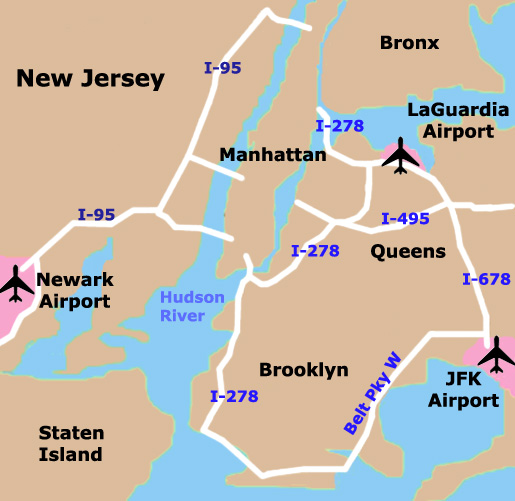
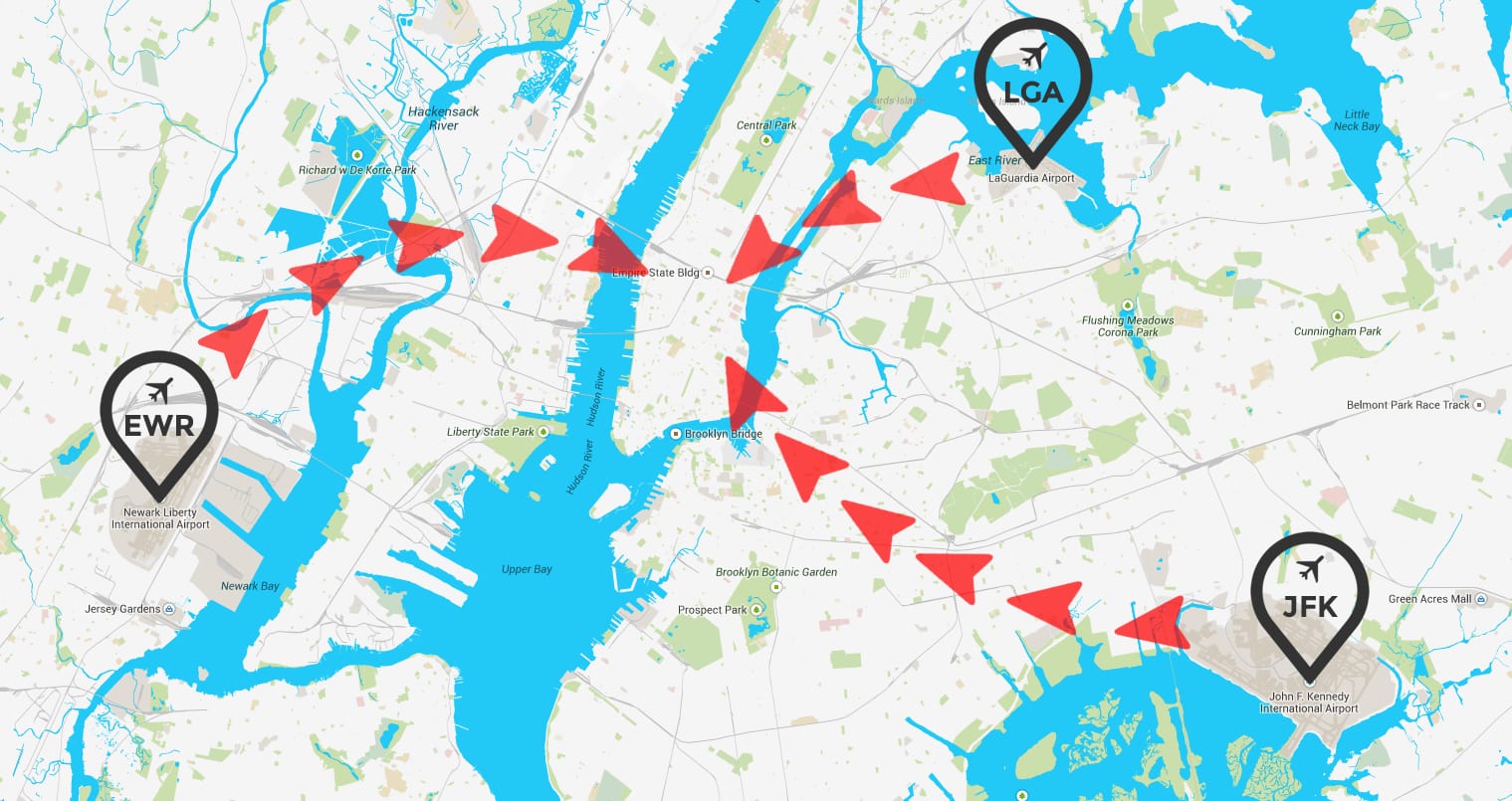
The landscape of New York City air travel is dominated by three major airports, each with its own character and operational focus. These are John F. Kennedy International Airport (JFK), LaGuardia Airport (LGA), and Newark Liberty International Airport (EWR). While JFK and LGA are physically located within the city’s limits, EWR, though technically in New Jersey, is an integral part of the New York metropolitan area and is heavily utilized by New York residents and visitors.
John F. Kennedy International Airport (JFK)
John F. Kennedy International Airport, often simply referred to as JFK, is the premier gateway for international travel to New York. Located in Queens, it is a sprawling complex that handles the vast majority of long-haul international flights.
Terminals and Airlines
JFK boasts nine passenger terminals, each serving different airlines and alliances. This terminal diversity can sometimes lead to complex navigation, but it also means a wide array of flight options.
- Terminal 1: Primarily hosts international carriers from Europe, Asia, and Africa, including airlines like Air France, Lufthansa, and Korean Air.
- Terminal 4: One of the largest and busiest terminals, it serves a mix of international and domestic airlines, including a significant presence of Delta Air Lines and its SkyTeam partners.
- Terminal 5 (T5): Formerly the iconic TWA Flight Center, it has been redeveloped and is now home to JetBlue Airways and a few other carriers, offering a modern and stylish travel experience.
- Terminal 7: Hosts carriers such as British Airways, United Airlines (for certain international routes), and others.
- Terminal 8: A major hub for American Airlines and its Oneworld partners, handling both domestic and international flights.
Transportation to and from JFK
Connecting JFK to the city and surrounding areas is facilitated by several options:
- AirTrain JFK: This vital service connects all terminals to the New York City subway system (at Jamaica Station and Howard Beach Station) and the Long Island Rail Road (LIRR) for faster access to Manhattan and Long Island.
- Taxis and Ride-Sharing: Available at designated pickup points outside each terminal, offering direct service to any destination, though often subject to heavy New York traffic.
- Buses: Various public and private bus services operate to and from JFK, providing more economical options.
- Car Rentals: Numerous car rental agencies have facilities at the airport.
LaGuardia Airport (LGA)
LaGuardia Airport, also situated in Queens, is primarily a domestic airport. It is the favored choice for many travelers flying between New York and other cities within the United States.
Terminals and Airlines
LGA has undergone significant modernization in recent years, with its terminals now offering a much-improved passenger experience. The airport is divided into three main terminals:
- Terminal A (Marine Air Terminal): Historically significant, it now serves as the base for Boutique Air flights to Washington D.C..
- Terminal B: This terminal is a showcase of LGA’s revitalization. It serves a large number of airlines, including United Airlines, American Airlines, Southwest Airlines, and Air Canada.
- Terminal C: Primarily used by Delta Air Lines for its extensive domestic operations.
Transportation to and from LGA
Accessing LGA is typically managed via:
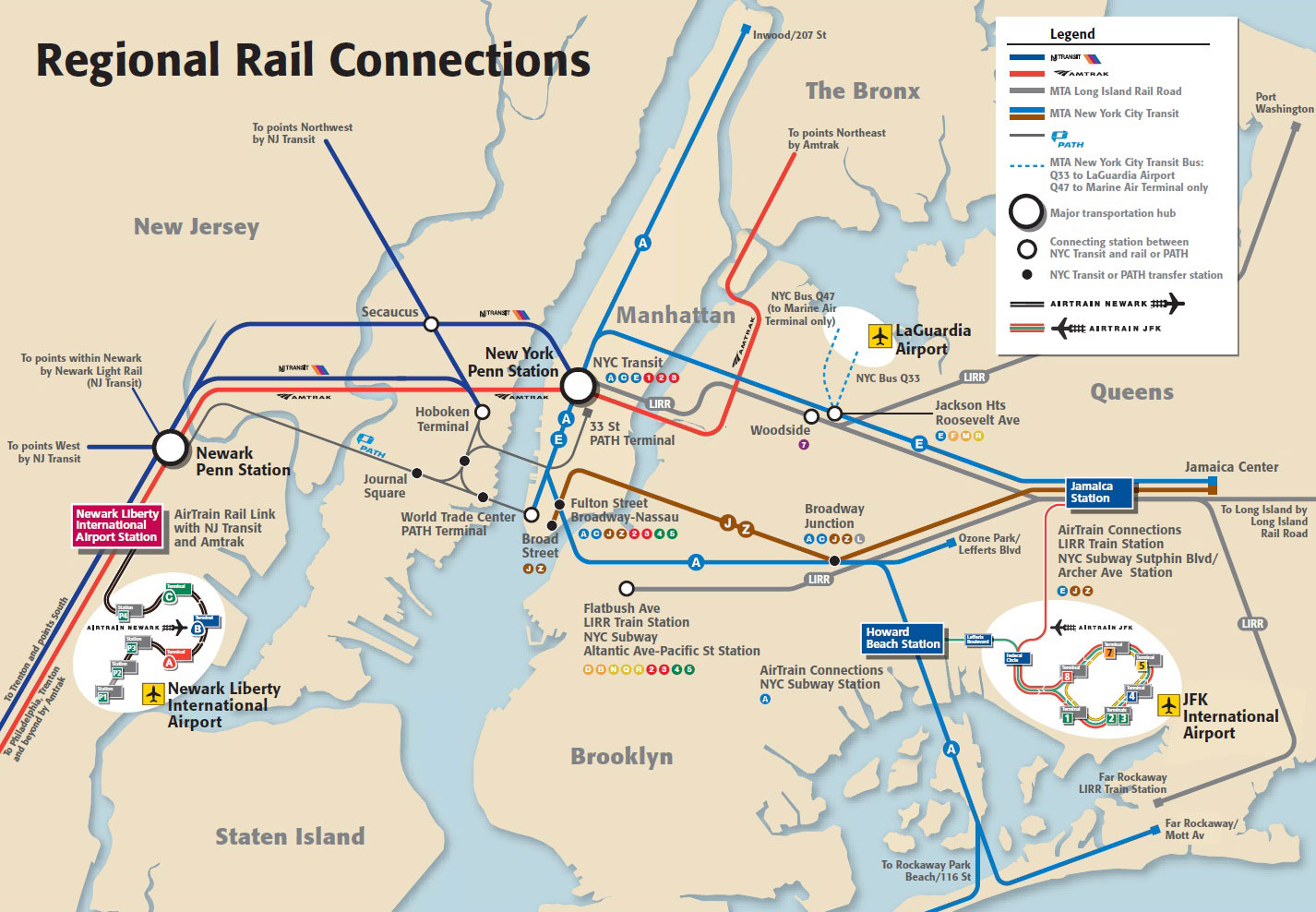
- Public Buses: Several MTA bus lines connect LGA to subway stations, offering an affordable route into the city. The Q70-SBS (LaGuardia Link Q70) is a particularly convenient bus-rapid transit service connecting to the 7 and E subway lines.
- Taxis and Ride-Sharing: Similar to JFK, these services are readily available but can be impacted by traffic.
- Car Rentals: Available for travelers preferring to drive themselves.
Notably, LGA does not have a direct rail link, making bus connections to the subway the most common public transit method for reaching Manhattan.
Newark Liberty International Airport (EWR)
While physically located in Newark, New Jersey, Newark Liberty International Airport is an essential component of the New York City air travel ecosystem. It is a major hub for many domestic and international carriers.
Terminals and Airlines
EWR is comprised of three main terminals:
- Terminal A: Serves a variety of domestic and international airlines, including Air Canada and American Airlines.
- Terminal B: Hosts numerous international carriers from around the globe.
- Terminal C: Primarily used by United Airlines and its partners, serving as a significant hub for the airline.
Transportation to and from EWR
Getting to and from EWR offers several practical solutions:
- AirTrain Newark: Connects all terminals to the New Jersey Transit (NJ Transit) train station, providing direct service to New York Penn Station in Manhattan. This is often the fastest and most reliable method to reach the city.
- NJ Transit Trains: Direct rail service from the airport to New York Penn Station, with frequent departures.
- Taxis and Ride-Sharing: Available outside the terminals.
- Buses: Local and express bus services connect EWR to various destinations within New Jersey and parts of New York.
- Car Rentals: Agency facilities are present at the airport.
Smaller Regional Airports and General Aviation
Beyond the major international and domestic gateways, the New York metropolitan area also accommodates smaller airports that cater to regional flights, private aviation, and cargo. While these are less relevant for the average international or domestic traveler, they are part of the broader aviation infrastructure.
Republic Airport (FRG)
Located on Long Island, Republic Airport is a significant general aviation airport. It serves a large number of private aircraft, flight schools, and charter services. It does not handle commercial passenger flights.
Teterboro Airport (TEB)
Situated in Teterboro, New Jersey, Teterboro Airport is one of the busiest general aviation airports in the world. It is a hub for private jets, corporate aircraft, and charter operations, and it is not open to commercial passenger airlines.
Choosing the Right Airport
The selection of which New York City area airport to use often depends on a variety of factors, including destination, airline preference, cost, and desired convenience.
- For international travel: JFK is typically the primary choice due to its extensive international network. EWR is a strong contender, especially if flying with airlines that have a significant presence there or if ground transportation via NJ Transit to Manhattan is preferred.
- For domestic travel within the US: LGA is often the most convenient option, particularly for flights within the Northeast corridor or to destinations served primarily by airlines based at LGA. JFK and EWR also handle a significant volume of domestic flights and may offer better connections for some routes.
- Considering Ground Transportation: Travelers should factor in the time and cost of getting to their final destination. While JFK and LGA are within the city limits, accessing them can be time-consuming due to traffic. EWR, despite being in New Jersey, offers the efficient NJ Transit rail link directly to Manhattan, which can be a significant advantage.
Understanding the unique characteristics of JFK, LGA, and EWR empowers travelers to make informed decisions, ensuring a smoother start or end to their visit to the vibrant metropolis of New York City.
LifeOutOfTheBox is a participant in the Amazon Services LLC Associates Program, an affiliate advertising program designed to provide a means for sites to earn advertising fees by advertising and linking to Amazon.com. Amazon, the Amazon logo, AmazonSupply, and the AmazonSupply logo are trademarks of Amazon.com, Inc. or its affiliates. As an Amazon Associate we earn affiliate commissions from qualifying purchases.