
The vast, rugged expanse of Alaska is more than just a frontier of unparalleled natural beauty; it stands as a cornerstone of national defense for the United States. Its strategic geopolitical position, bridging North America with Asia and adjacent to Russia across the Bering Strait, has historically rendered it a critical region for military operations. These installations, far from mere functional sites, are significant landmarks in themselves, shaping the landscape, economy, and history of the Last Frontier. They are massive undertakings of architecture and engineering, testaments to strategic planning, and enduring monuments to the nation’s security posture. Understanding the number and nature of these bases offers a unique perspective on Alaska’s role on the global stage, solidifying their status as modern-day landmarks.
Alaska’s Strategic Imperative: A Northern Bulwark
Alaska’s immense size and extreme northern latitude make it an invaluable asset for national security. Often referred to as “America’s Arctic Rampart,” the state’s proximity to adversarial nations across the Pacific Rim and the Arctic Circle necessitates a robust military presence. During the Cold War, Alaska served as a vital early warning detection zone, bristling with radar sites and interceptor squadrons. This historical context laid the foundation for the sophisticated network of military installations present today. These bases are not simply points on a map; they are highly specialized complexes designed to operate in some of the harshest environments on Earth, making them distinct architectural and engineering feats.
The military’s footprint in Alaska reflects a comprehensive defense strategy that encompasses air superiority, missile defense, arctic warfare training, and logistical support. Each primary installation, with its sprawling infrastructure and specialized equipment, represents a unique type of landmark—a functional monument to national defense. They stand as enduring symbols of human ingenuity in the face of environmental extremes and geopolitical complexities, their existence intrinsically tied to the strategic narrative of the United States in the Arctic. Their sheer scale and continuous operational status make them dynamic, living landmarks, constantly evolving yet firmly rooted in their strategic purpose.
The Major Military Footprints: Key Alaskan Landmarks
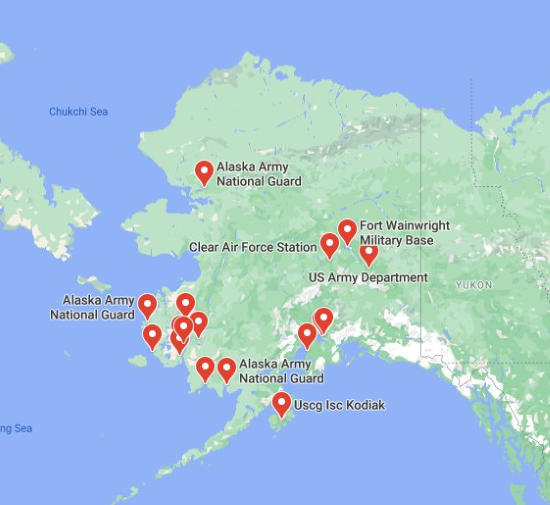
When considering “how many” military bases are in Alaska, it’s important to distinguish between major installations and smaller, often remote, support sites. The core of Alaska’s defense infrastructure is concentrated in a handful of significant bases, each serving a critical, specialized role. These are the primary landmarks of military presence in the state.
Joint Base Elmendorf-Richardson (JBER)
Located immediately adjacent to Anchorage, Alaska’s largest city, Joint Base Elmendorf-Richardson (JBER) is perhaps the most prominent military landmark in the state. Formed in 2010 by the merger of Elmendorf Air Force Base and Fort Richardson, JBER is a colossal facility housing elements of both the Air Force and the Army. As a landmark, its sheer scale is impressive, encompassing thousands of acres and featuring two long runways capable of handling the largest cargo and fighter aircraft. It serves as the headquarters for Alaskan Command (ALCOM), Eleventh Air Force, and the U.S. Army Alaska (USARAK).
JBER’s architecture blends functional military structures with the unique demands of the Alaskan environment. Its hangars, barracks, and training areas are designed to withstand extreme cold and heavy snowfall, making them distinct examples of northern engineering. The base’s fighter aircraft, including F-22 Raptors, are a constant visual presence in the skies above Anchorage, serving as a living symbol of defense readiness. Its historical significance, stretching back to World War II and the Cold War, further solidifies its status as an iconic landmark for both the military and the state of Alaska.
Eielson Air Force Base
Situated southeast of Fairbanks, Eielson Air Force Base is another pivotal military landmark, especially for air power projection and Arctic operations. Eielson is renowned for its harsh weather conditions and extensive airspace, making it an ideal location for large-scale training exercises like Red Flag-Alaska. The base is home to the 354th Fighter Wing and hosts the latest generation of fighter aircraft, including the F-35 Lightning II.
As a landmark, Eielson is characterized by its purpose-built infrastructure for extreme cold weather maintenance and operations. Its massive hangars, designed to protect aircraft and personnel from sub-zero temperatures, are imposing structures on the flat, frozen landscape. The base’s history is intertwined with the development of Arctic aviation, from pioneering flights to modern strategic airlift capabilities. Its presence underscores the commitment to maintaining air superiority in the Arctic and projecting power globally, making it a critical landmark in the Department of Defense’s global strategy.
Clear Space Force Station
Approximately 70 miles south of Fairbanks, Clear Space Force Station (formerly Clear Air Force Station) holds a unique position as a landmark of strategic defense. It is a key component of the Ballistic Missile Defense System, housing a crucial radar and sensor array. Its primary mission is to detect and track intercontinental ballistic missiles, providing early warning to the North American Aerospace Defense Command (NORAD).
The architecture of Clear is dominated by its enormous, unmistakable radar domes and antennas, which stand out starkly against the wilderness. These structures are not merely buildings; they are highly specialized instruments, designed with precision to peer into space. They represent the cutting edge of defensive technology and are perhaps the most visually distinct military landmarks in Alaska outside of the major cities. The base embodies a quiet, yet profound, strategic significance, a sentinel watching over the northern approaches to North America.

Fort Greely
Further south, near Delta Junction, lies Fort Greely, an Army installation primarily known for its role in missile defense. This base is home to the Ground-Based Midcourse Defense (GMD) system, with interceptor missiles housed in underground silos, ready to defend against long-range ballistic missile threats.
Fort Greely’s physical presence as a landmark is somewhat understated compared to its immense strategic importance. Its architecture is functional and integrated into the landscape, with the missile silos themselves being subterranean marvels of engineering. The visible portions include support facilities and administrative buildings, all designed to function in extreme temperatures. Fort Greely represents a hidden but critical layer of national defense, a testament to the ingenuity and scale of modern military infrastructure, firmly establishing it as a landmark of global security.
Coast Guard Air Station Kodiak
On Kodiak Island in the Gulf of Alaska, the Coast Guard Air Station Kodiak stands as a vital landmark for maritime safety and national security in the region. It is the largest Coast Guard base in the United States and the operational hub for search and rescue, law enforcement, and environmental protection across a vast area of the Pacific and Arctic oceans.
The base’s landmark status comes from its critical role in a state defined by its extensive coastline and reliance on sea-based activities. Its facilities, including runways, hangars for helicopters and fixed-wing aircraft, and docks, are built to withstand the often-tempestuous maritime weather of the region. It is a beacon of safety and order in a challenging environment, its presence a constant reassurance to mariners and coastal communities.
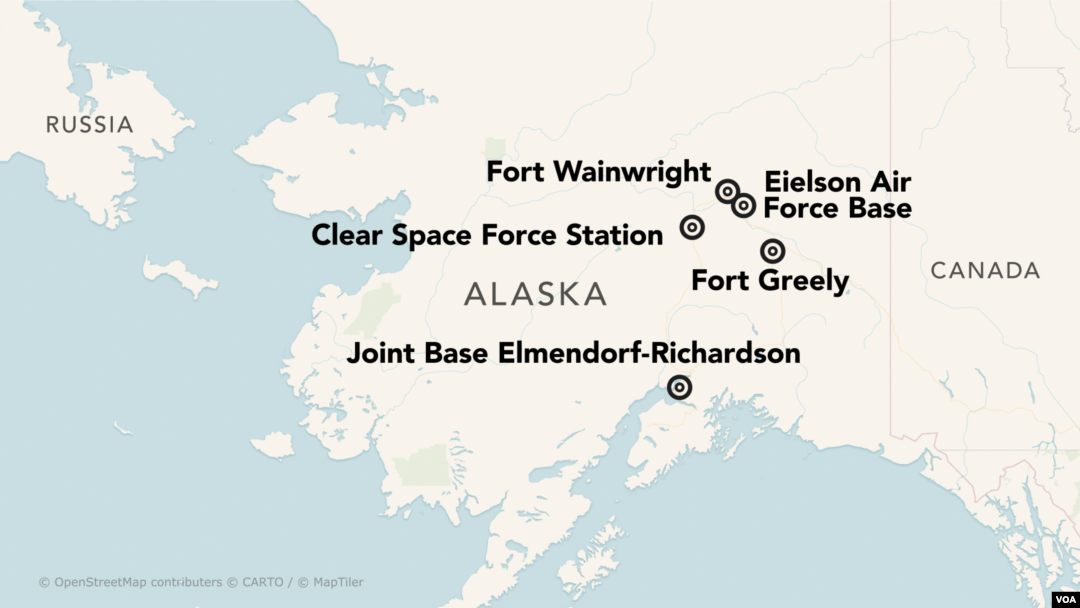
In summary, there are five principal military installations in Alaska: Joint Base Elmendorf-Richardson, Eielson Air Force Base, Clear Space Force Station, Fort Greely, and Coast Guard Air Station Kodiak. These form the backbone of the state’s military presence.
Beyond the Main Gate: Smaller Installations and Remote Sites
While the five major bases are the most recognizable military landmarks, Alaska hosts numerous smaller, often remote, sites that collectively form a complex web of defense infrastructure. These range from radar stations and communication outposts to training areas and former Cold War facilities, many of which are now operated by the Alaska National Guard or maintained on a limited basis.
Many of these smaller sites, especially those located along the Aleutian Islands chain (such as Adak and Shemya), played a crucial role during World War II and the Cold War as early warning and refueling stops. While no longer housing large numbers of personnel, their dilapidated structures, abandoned bunkers, and remnants of runways stand as haunting architectural landmarks of past conflicts and strategic imperatives. They serve as silent sentinels, echoing stories of vigilance and sacrifice against the backdrop of Alaska’s raw wilderness.
The geographical dispersion of these smaller sites underscores the immense challenge of maintaining vigilance across Alaska’s vast and often unforgiving terrain. Each remote outpost, whether active or historical, contributes to the state’s identity as a fortified frontier, making them minor but significant landmarks in the broader military landscape.
Architectural Echoes and Environmental Integration
The military bases in Alaska are not just strategic assets; they are also remarkable examples of architectural adaptation and engineering resilience in an extreme environment. The severe climate, with its deep snow, permafrost, and prolonged periods of darkness, necessitates specialized construction techniques and materials. Buildings are often elevated to prevent permafrost degradation, foundations are meticulously designed to cope with ground shifts, and facilities are built to be highly energy-efficient and self-sufficient.
From the robust, heavily insulated hangars at Eielson Air Force Base to the reinforced missile silos at Fort Greely, the architecture is fundamentally driven by function and survival. The radar domes at Clear Space Force Station, iconic symbols of surveillance, are precisely engineered enclosures designed to protect delicate electronics from the elements while allowing unimpeded operation. This integration of structure with the environment, where buildings are designed as much to combat nature as to serve military objectives, makes these bases unique architectural landmarks. They represent a distinct style of frontier engineering—a blend of utilitarianism, robust construction, and a deep respect for the unforgiving Alaskan landscape.
The Enduring Legacy: Bases as Modern Alaskan Monuments
In conclusion, Alaska hosts five major military installations: Joint Base Elmendorf-Richardson, Eielson Air Force Base, Clear Space Force Station, Fort Greely, and Coast Guard Air Station Kodiak. Beyond these principal sites, there are numerous smaller outposts and historical remnants scattered across the state, contributing to a comprehensive network.
These military bases, both active and historical, transcend their functional roles to become significant landmarks within the Alaskan narrative. They are physical manifestations of strategic importance, technological prowess, and human adaptation to extreme conditions. Their imposing structures, vast footprints, and profound historical and current significance mark them as modern monuments—beacons of defense, innovation, and resilience. As such, they are integral to understanding Alaska’s unique position in the world, embodying a rich tapestry of history, engineering, and strategic foresight that continues to shape the state and the nation.
LifeOutOfTheBox is a participant in the Amazon Services LLC Associates Program, an affiliate advertising program designed to provide a means for sites to earn advertising fees by advertising and linking to Amazon.com. Amazon, the Amazon logo, AmazonSupply, and the AmazonSupply logo are trademarks of Amazon.com, Inc. or its affiliates. As an Amazon Associate we earn affiliate commissions from qualifying purchases.