
Understanding California’s Complex Culinary Landscape Beyond the Tourist Trail
California, often lauded as a global culinary beacon, a paradise of farm-to-table dining, and a vibrant hub for diverse food experiences, presents a fascinating paradox to the discerning traveler. Visitors are frequently drawn to the sun-drenched vineyards of Napa Valley, the Michelin-starred restaurants of San Francisco and Los Angeles, and the bountiful farmers’ markets showcasing the freshest produce from the state’s fertile lands. This image of gastronomic abundance, however, exists alongside a starker reality: a significant portion of California’s population struggles with food insecurity. For those exploring the unique local culture and social fabric of the Golden State, understanding this duality is crucial for a truly insightful and engaging experience.
California as a Food Basket: Abundance and Paradox
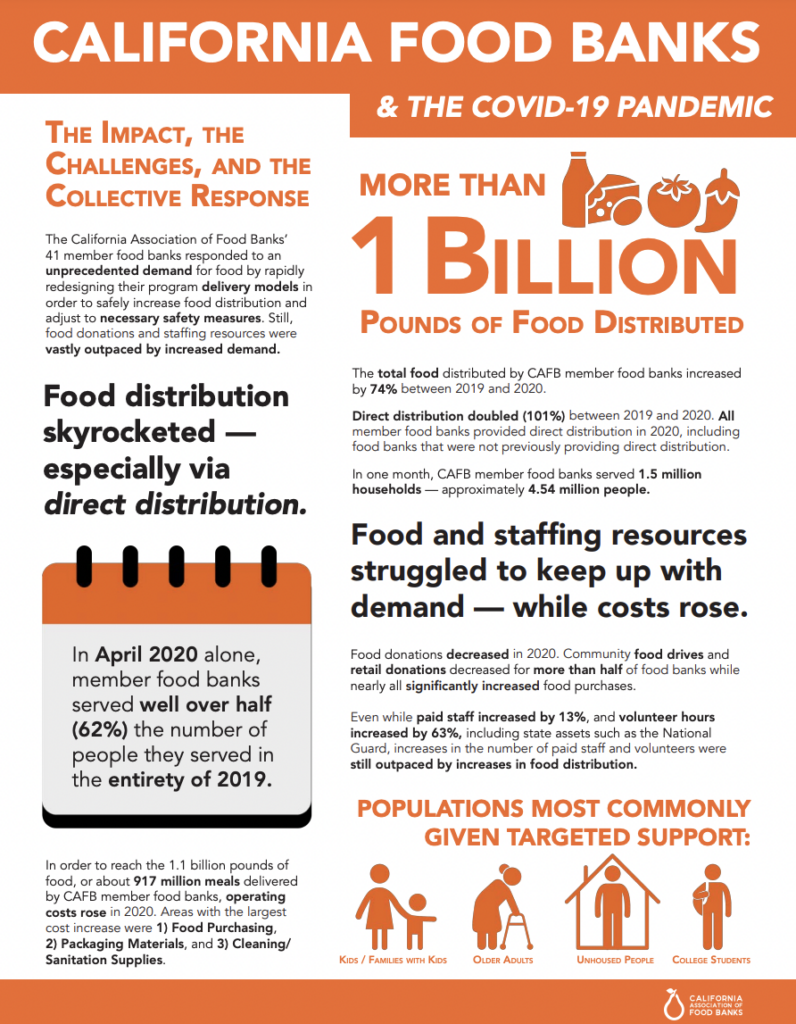
The sheer agricultural output of California’s Central Valley alone is staggering, producing over a third of the nation’s vegetables and two-thirds of its fruits and nuts. This abundance fuels the state’s celebrated culinary scene, drawing tourists eager to sample regional specialties, explore vibrant food festivals, and indulge in world-class dining. Yet, despite being a global food powerhouse, California also faces persistent challenges in ensuring its own residents have consistent access to nutritious food. This discrepancy creates a complex layer within the local culture, urging visitors to look beyond the immediate pleasures of gourmet meals and consider the broader context of food distribution and access.
The Realities of Food Insecurity: Numbers and Demographics
The question “How many people are hungry in California?” points to a critical social issue that impacts communities across the state, from bustling urban centers like San Diego to rural agricultural towns. While exact figures fluctuate, pre-pandemic estimates often indicated that around one in eight Californians faced food insecurity, meaning they lacked consistent access to enough food for an active, healthy life. This number saw significant increases during and after the pandemic, with some reports suggesting that as many as one in five residents experienced food insecurity at its peak. Vulnerable populations, including low-income families, seniors, children, and agricultural workers, are disproportionately affected. For tourists interested in understanding the depth of local life, recognizing this pervasive issue adds a layer of depth to their perception of California, moving beyond superficial attractions to a more profound appreciation of its human landscape. Exploring a city like Sacramento, with its burgeoning farm-to-fork movement, takes on new meaning when considering the simultaneous food access struggles of some of its residents.
The Interplay Between Tourism, Local Economies, and Food Access
Tourism is a colossal industry in California, generating billions in revenue and supporting millions of jobs. However, its relationship with local food security is multifaceted and, at times, contradictory. While it brings economic benefits, it also influences local costs of living and resource allocation, creating both opportunities and challenges for residents struggling with hunger.
Hospitality Sector Employment and Wage Realities
Many jobs within the tourism and hospitality sector, from hotel staff to restaurant servers and theme park employees, are often characterized by fluctuating hours and wages that may not keep pace with California’s high cost of living. Even with employment, these individuals and their families can still find themselves food insecure. A tourist frequenting a vibrant Santa Monica restaurant or staying at a luxury Beverly Hills hotel might not immediately connect their experience with the food access struggles of the staff who make their trip enjoyable. However, understanding this dynamic is part of appreciating the full picture of local culture and economy. When choosing accommodations or dining, considering businesses known for fair wages and employee support can be a subtle yet impactful act of responsible tourism.
Impact on Local Communities: Rising Costs vs. Local Resources
The influx of tourists can drive up demand and, consequently, prices for goods and services, including food, in popular destinations. This phenomenon, while beneficial for businesses, can place additional strain on low-income residents. Furthermore, land allocated for food production or community gardens might be converted for tourism-related development, potentially diminishing local food sources. Conversely, tourism can also stimulate local food economies, creating markets for local farmers and artisans, which, when managed thoughtfully, can benefit the entire community. Travelers keen on supporting sustainable practices might seek out destinations or businesses that demonstrate a commitment to bolstering local food systems that serve all residents, not just visitors.
Farm-to-Table Movements and Food Deserts: A Tale of Two Realities
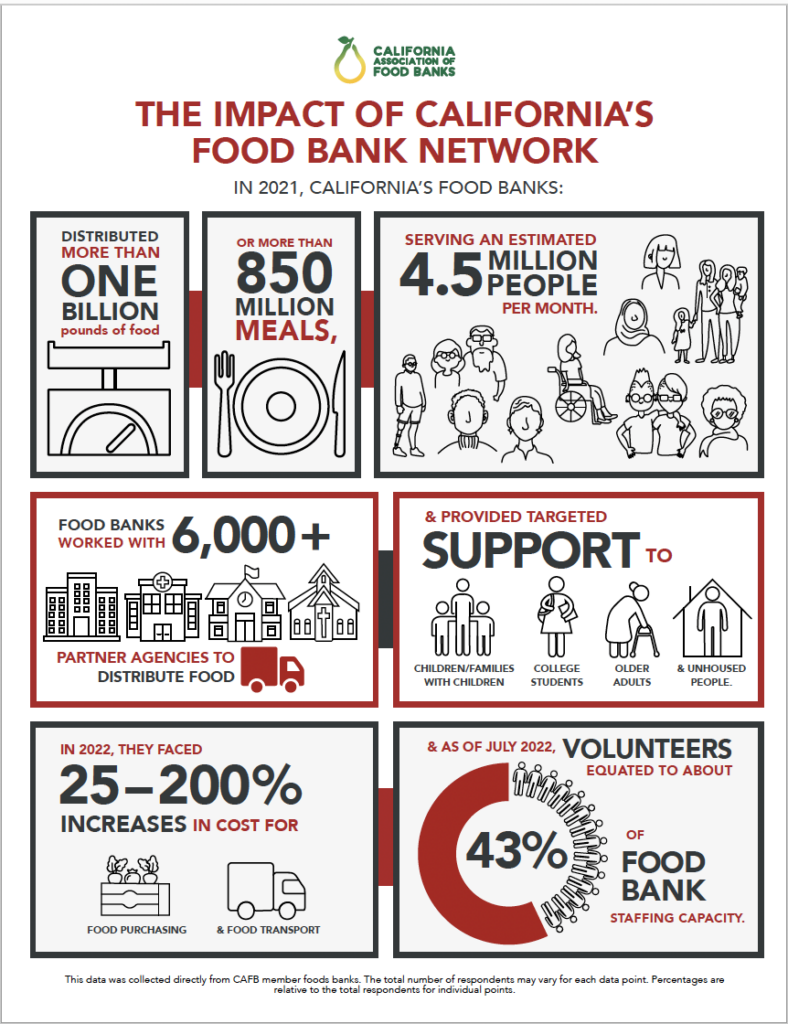
California’s celebrated farm-to-table movement is a major draw for culinary tourists, showcasing the state’s agricultural bounty and commitment to fresh, locally sourced ingredients. However, this movement often thrives in affluent areas, while many low-income communities, even within agricultural regions, remain “food deserts” or “food swamps” – areas with limited access to affordable, nutritious food options. A visit to a bustling farmers’ market in San Jose might offer an array of organic produce, yet just a few miles away, residents might struggle to find fresh vegetables at an affordable price. Recognizing this stark contrast offers a more nuanced understanding of California’s food culture and social landscape for the engaged traveler.
Responsible Tourism: Engaging with California’s Food Security Challenges
For the conscious traveler, experiencing California extends beyond sightseeing; it involves engaging with its people and understanding its challenges. Integrating an awareness of food insecurity into travel plans allows for a more meaningful journey and offers opportunities to contribute positively to the local communities visited.
Supporting Local Food Initiatives: Food Banks and Community Gardens
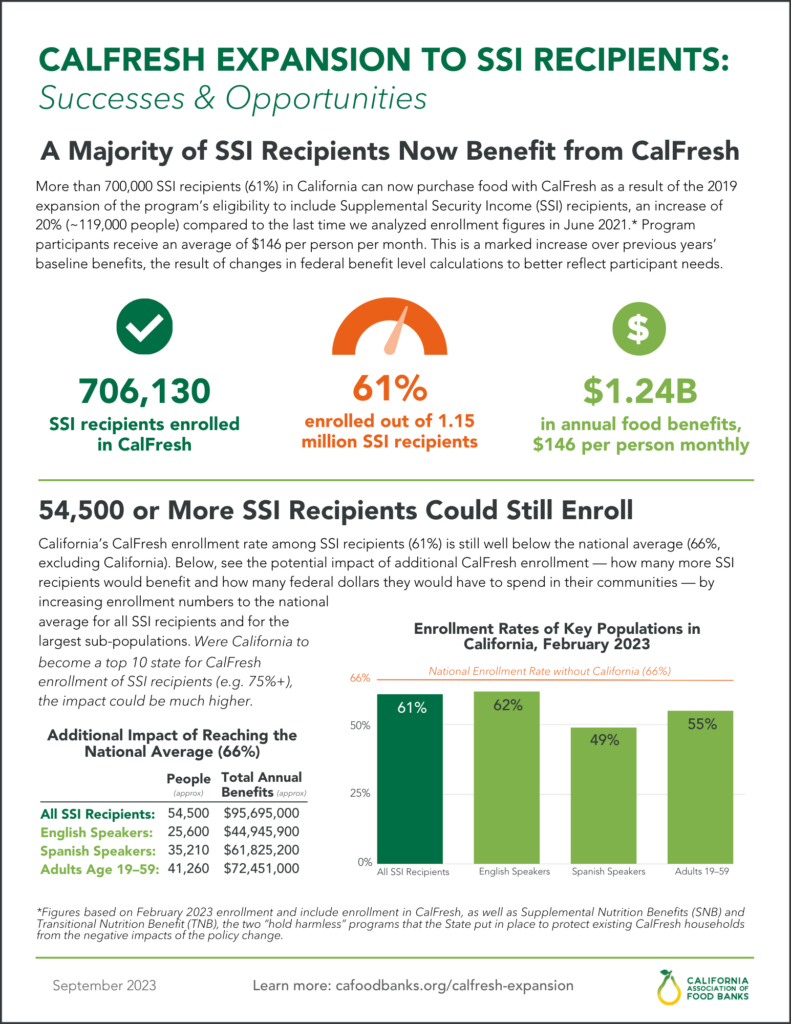
Many California communities have robust networks of food banks, pantries, and community gardens working tirelessly to address hunger. Visitors can choose to support these initiatives directly or indirectly. A small monetary donation to a local food bank in a city like Oakland or Long Beach, or even volunteering a few hours of time, can make a tangible difference. Some travel organizations even facilitate “voluntourism” experiences that allow visitors to participate in community food programs, offering an immersive way to connect with local efforts and gain a deeper understanding of the issue. Such activities offer a unique perspective on local culture that standard tourist itineraries often miss.
Ethical Dining and Local Sourcing
When dining out, tourists have the power to make choices that support ethical practices. Prioritizing restaurants that publicly commit to fair wages for their staff, source ingredients from local farms that prioritize community welfare, or partner with food recovery programs can amplify positive impacts. Asking questions about sourcing and employment practices, while subtle, encourages transparency within the hospitality industry. Exploring local eateries that are genuinely community-focused, perhaps off the main tourist drag, also provides an authentic taste of local life and culture while often supporting smaller, local businesses that reinvest in their neighborhoods. This is a practical “tip” for travelers seeking to align their culinary experiences with their values.
Educational Experiences: Learning About California’s Social Fabric
Beyond direct action, travelers can seek out educational experiences that shed light on California’s social issues. Museums or cultural centers often feature exhibits on labor history, agricultural practices, and community development that touch upon food security. Engaging with local guides who are knowledgeable about the socio-economic landscape can provide invaluable insights. For instance, a tour focusing on the agricultural heritage of the Salinas Valley could be enhanced by discussions on the lives of farmworkers and their access to healthy food, offering a richer and more complete cultural understanding of the region. Such experiences enrich the travel itinerary by adding depth and context.
A Holistic View for the Conscious Traveler
The question of “How many people are hungry in California?” transcends a mere statistic; it represents a significant aspect of the state’s social reality, a complex challenge nestled within its celebrated abundance. For the engaged tourist, understanding this dichotomy transforms a visit from a superficial exploration of attractions into a more profound encounter with local culture and community.
Beyond the Attractions: Connecting with the Human Story
While California’s iconic landmarks and entertainment venues are undeniable draws, the true essence of a destination often lies in its people and their stories. Acknowledging and understanding the challenges faced by many [Californians], including food insecurity, allows travelers to connect with the human story of the state on a deeper level. This holistic view fosters empathy and a more nuanced appreciation of the vibrant, yet complex, society that makes California unique. It enriches the “local culture” aspect of tourism by encouraging a more complete and authentic perspective.
Making a Difference: Small Actions, Big Impact
Even small actions from visitors can contribute positively. Choosing businesses that practice social responsibility, supporting local non-profits, or simply engaging in respectful dialogue with residents about their experiences, can collectively foster a more responsible and beneficial tourism environment. Ultimately, responsible tourism in California means enjoying its unparalleled beauty and attractions while remaining mindful of the communities that make the experience possible, recognizing that true local culture encompasses both its triumphs and its ongoing struggles. This mindful approach to travel offers a “tip” for every visitor on how to leave a positive footprint.
LifeOutOfTheBox is a participant in the Amazon Services LLC Associates Program, an affiliate advertising program designed to provide a means for sites to earn advertising fees by advertising and linking to Amazon.com. Amazon, the Amazon logo, AmazonSupply, and the AmazonSupply logo are trademarks of Amazon.com, Inc. or its affiliates. As an Amazon Associate we earn affiliate commissions from qualifying purchases.