
Understanding the demographic landscape of California goes beyond population counts; it delves into the very fabric of its civic life and the lifestyle it fosters. The number of registered voters in the Golden State is a crucial indicator of its residents’ engagement, reflecting the dynamic interplay between policy, community, and individual participation. These figures are not mere statistics; they are a pulse check on the state’s collective lifestyle, influencing everything from local governance to the broader socio-economic environment.
Understanding California’s Electorate: A Snapshot of Civic Lifestyle
California, renowned for its innovation, cultural diversity, and economic prowess, is also a politically active state. The registration of its citizens to vote is a fundamental aspect of their civic lifestyle, empowering them to shape the policies that directly impact their daily lives, from housing and education to environmental regulations and public services.
The Current Landscape of Voter Registration
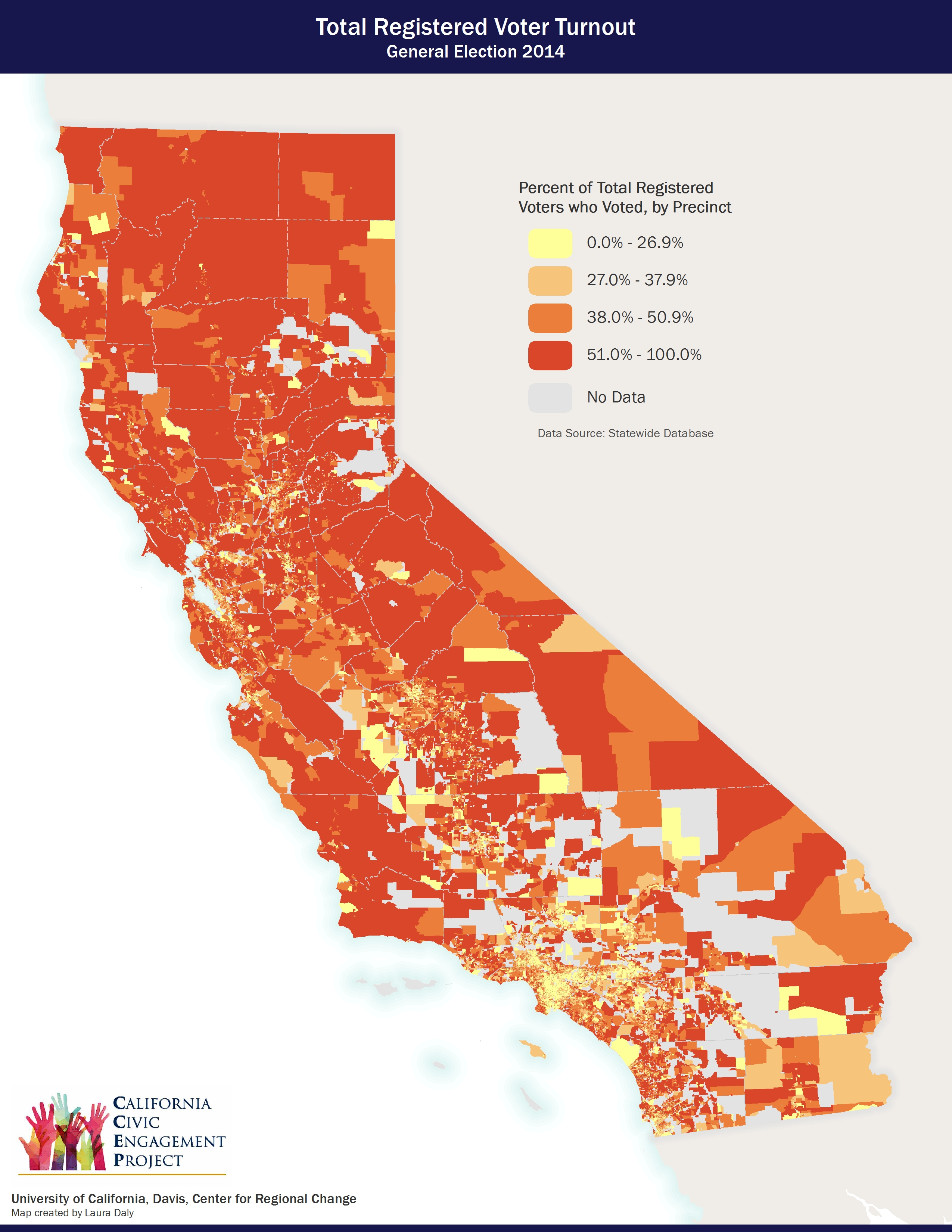
The exact number of registered voters in California is a figure that constantly fluctuates, influenced by factors such as population growth, new citizen registrations, voter purges, and demographic shifts. Generally, the state consistently boasts one of the largest electorates in the United States. Millions of Californians are registered, making it a critical battleground and a bellwether for many national trends. These numbers are typically updated prior to major elections by the California Secretary of State, providing a transparent look at the state’s engaged populace. For instance, before a significant general election, voter registration numbers can soar, reflecting heightened interest and the proactive efforts of various organizations to encourage participation. The scale of this electorate underscores the immense power of the individual vote in California, directly impacting the lifestyle and future direction of its diverse communities.
Demographic Vibrancy and Voter Turnout
California’s unparalleled demographic diversity plays a significant role in its voter registration landscape. Communities from Los Angeles to Sacramento represent a mosaic of ethnicities, age groups, and socio-economic backgrounds, each contributing to the state’s unique civic identity. This diversity brings with it a wide array of perspectives and priorities, all vying for representation at the ballot box. The various ways in which these different groups engage with the electoral process speak volumes about their distinct lifestyles and concerns. For some, voting is a deeply ingrained civic duty passed down through generations; for others, it represents a newer pathway to advocacy and change within their adopted communities. Understanding these underlying currents is key to grasping the full picture of California’s engaged populace. High voter registration often correlates with higher civic engagement, influencing the vibrancy of local political discourse and the responsiveness of elected officials to community needs.
The Dynamic Nature of California’s Voter Rolls
The number of registered voters is never static; it’s a living reflection of a constantly evolving society. Several factors contribute to the ebb and flow of California’s voter rolls, each with implications for the state’s lifestyle and political trajectory.
Factors Influencing Registration Numbers
One of the primary drivers of change in voter registration is population movement. California experiences both inward migration, bringing new potential voters, and outward migration, leading to purges of inactive voter records. New residents often arrive with diverse political backgrounds and expectations, enriching the state’s civic dialogue. Another significant factor is the consistent influx of young people turning 18, becoming eligible to vote, and often registering while still in high school or college. Voter registration drives, particularly during election cycles, also play a critical role, mobilizing efforts to reach unregistered citizens through community events, digital campaigns, and targeted outreach. Legislative changes, such as automatic voter registration at the Department of Motor Vehicles (DMV), have profoundly impacted the ease and volume of new registrations, making civic participation a more seamless part of the civilian lifestyle. These systemic changes aim to reduce barriers, ensuring that the electorate accurately reflects the state’s adult population.
The Role of Political Engagement in Lifestyle

The level of political engagement among California residents directly shapes the state’s lifestyle. A highly engaged electorate is more likely to scrutinize policy proposals, hold elected officials accountable, and advocate for specific community needs. This engagement manifests in various ways beyond just casting a ballot: attending town halls, participating in local advocacy groups, volunteering for campaigns, or simply staying informed about local and state issues. In cities like San Francisco or San Diego, where local politics often feel very immediate, high voter registration can translate into a more responsive municipal government and a lifestyle where civic participation is a visible and valued aspect of community identity. Conversely, areas with lower engagement might find their voices less heard, leading to different public service allocations and varied impacts on resident lifestyle. The act of registering to vote is often the first step in a broader journey of civic participation that defines the character and direction of a community.
Impact on Governance and Quality of Life
The sheer volume and diversity of registered voters in California have profound implications for its governance structure and, by extension, the quality of life experienced by its residents.
Shaping Local Policies and Services
Every registered voter in California contributes to the electoral outcomes that determine who governs and how resources are allocated. From the governor’s mansion in Sacramento to local city councils and school boards, elected officials make decisions that directly affect public education, infrastructure development, healthcare access, public safety, and environmental protection. For example, a strong voter base concerned with housing affordability in Los Angeles can compel policymakers to prioritize zoning reforms or affordable housing initiatives, directly impacting the cost of living and residents’ financial lifestyle. Similarly, registered voters advocating for enhanced public transportation in the Bay Area can drive investments in transit networks, influencing commute times and overall urban lifestyle. The collective will of the registered electorate is a powerful force, capable of directing policy in ways that profoundly shape the everyday experiences and opportunities available to Californians.
The Lifestyle Implications of Voter Participation
A robust and active electorate fosters a particular kind of lifestyle – one characterized by a heightened sense of collective ownership and democratic accountability. When a significant portion of the eligible population is registered and participates, the government is more likely to reflect the diverse needs and aspirations of its people. This translates into more responsive public services, equitable resource distribution, and policies that align with community values. Conversely, low voter participation can lead to policies that favor specific, often vocal, segments of the population, potentially marginalizing others and shaping a less inclusive lifestyle for many. The health of California’s democracy, as measured by its voter registration and turnout rates, is therefore intrinsically linked to the overall quality of life and the democratic lifestyle its residents enjoy. It ensures that the state’s vast resources and progressive ideals are directed in ways that broadly benefit its diverse citizenry.
Engaging the Electorate: Future Trends
Maintaining high levels of voter registration and engagement is an ongoing effort, vital for the continued health of California’s democratic lifestyle. Future trends indicate a continued evolution in how citizens are brought into the civic fold and encouraged to participate.
Bridging Gaps in Civic Participation
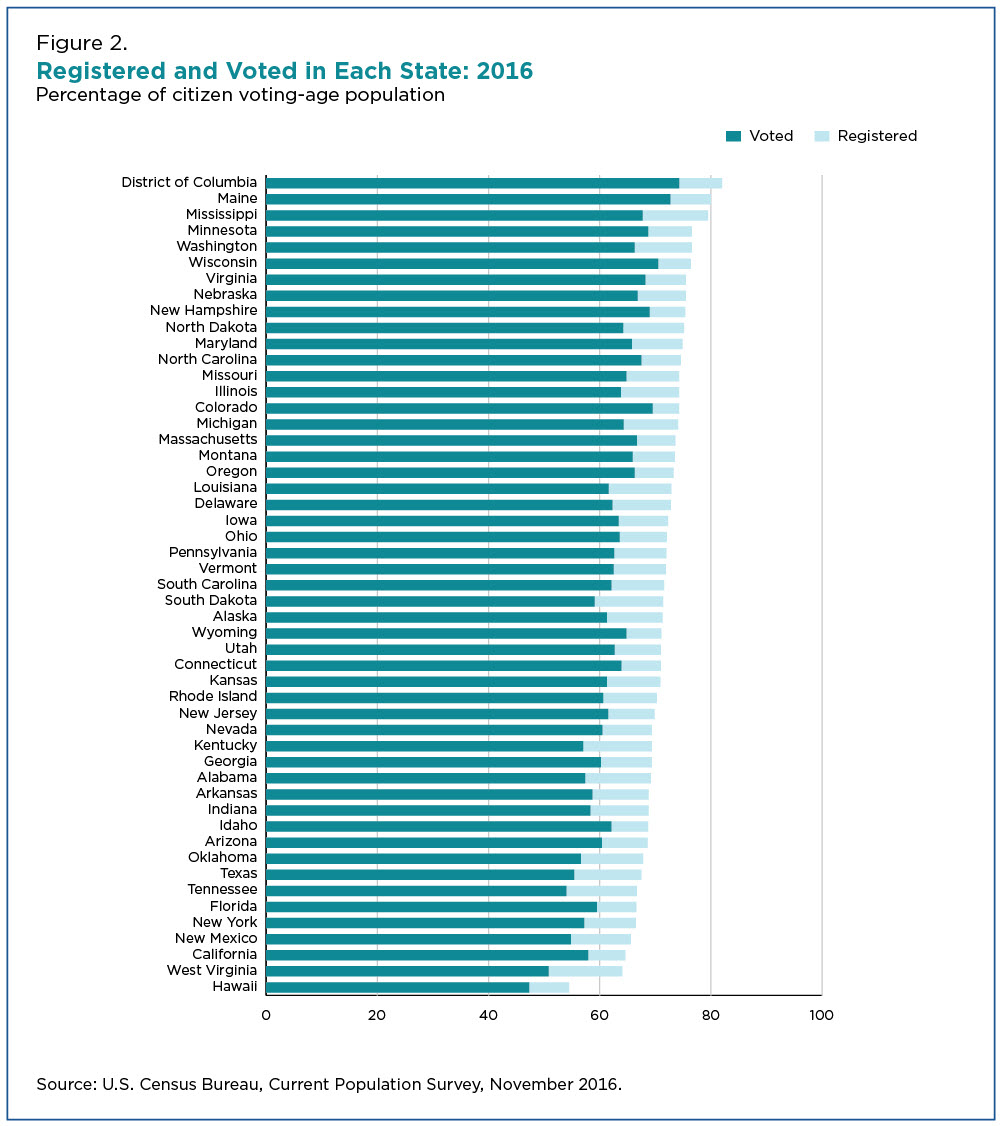
Despite high overall registration numbers, disparities often exist across different demographic groups and geographic regions. Efforts to bridge these gaps are crucial for ensuring that the full spectrum of California lifestyles is represented. Targeted outreach to historically underrepresented communities, educational initiatives aimed at first-time voters, and leveraging technology to simplify the registration and voting process are all key strategies. The aim is to make civic participation not just a right, but an accessible and intuitive part of every eligible Californian’s lifestyle. Organizations and state agencies continually innovate to connect with young voters, new immigrants, and underserved populations, recognizing that an inclusive electorate is fundamental to a truly representative democracy.
California’s Evolving Political Identity
The ongoing changes in voter registration numbers are not just about raw figures; they represent a continuous evolution of California’s political identity. As demographics shift and new generations come of age, the collective priorities and values of the electorate adapt. This dynamic process influences the state’s progressive policies, its approach to environmental issues, its economic strategies, and its social programs. The number of registered voters reflects not only the potential for political power but also the changing face of the state’s lifestyle and its vision for the future. It underscores that the people of California, through their active participation, are the primary architects of their shared destiny, continually shaping the Golden State into a reflection of their collective aspirations.
LifeOutOfTheBox is a participant in the Amazon Services LLC Associates Program, an affiliate advertising program designed to provide a means for sites to earn advertising fees by advertising and linking to Amazon.com. Amazon, the Amazon logo, AmazonSupply, and the AmazonSupply logo are trademarks of Amazon.com, Inc. or its affiliates. As an Amazon Associate we earn affiliate commissions from qualifying purchases.