
California, a state synonymous with vast natural beauty and diverse landscapes, boasts an unparalleled network of protected areas. For travelers planning an adventure, understanding the scale of these treasures is key to unlocking unforgettable experiences. The California State Parks system is one of the largest and most diverse park systems in the United States, safeguarding an incredible array of natural, cultural, and recreational resources.
An Overview of California’s Expansive State Park System
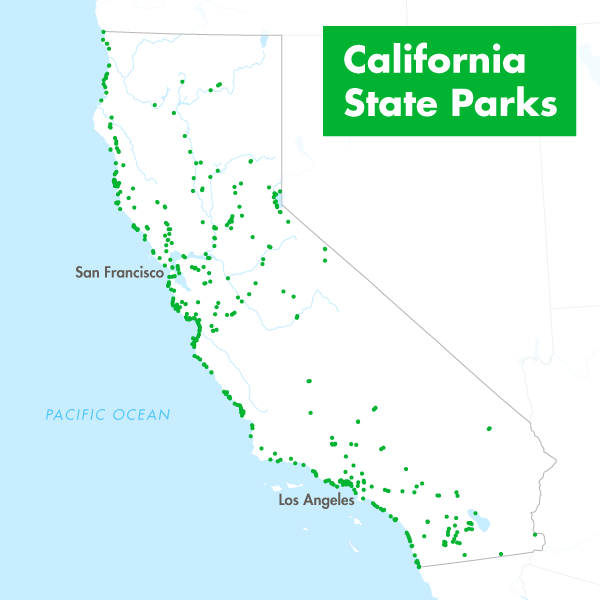
The answer to “how many state parks in California?” is not a simple fixed number, but rather an impressive and dynamic count. Currently, the California State Parks system manages 280 park units. These “units” encompass a rich tapestry of different designations, including state parks, state beaches, state historic parks, state recreation areas, natural preserves, and wilderness areas. This vast network protects over 1.6 million acres of land, nearly 340 miles of coastline, 970 miles of lake and river frontage, and approximately 15,000 campsites.
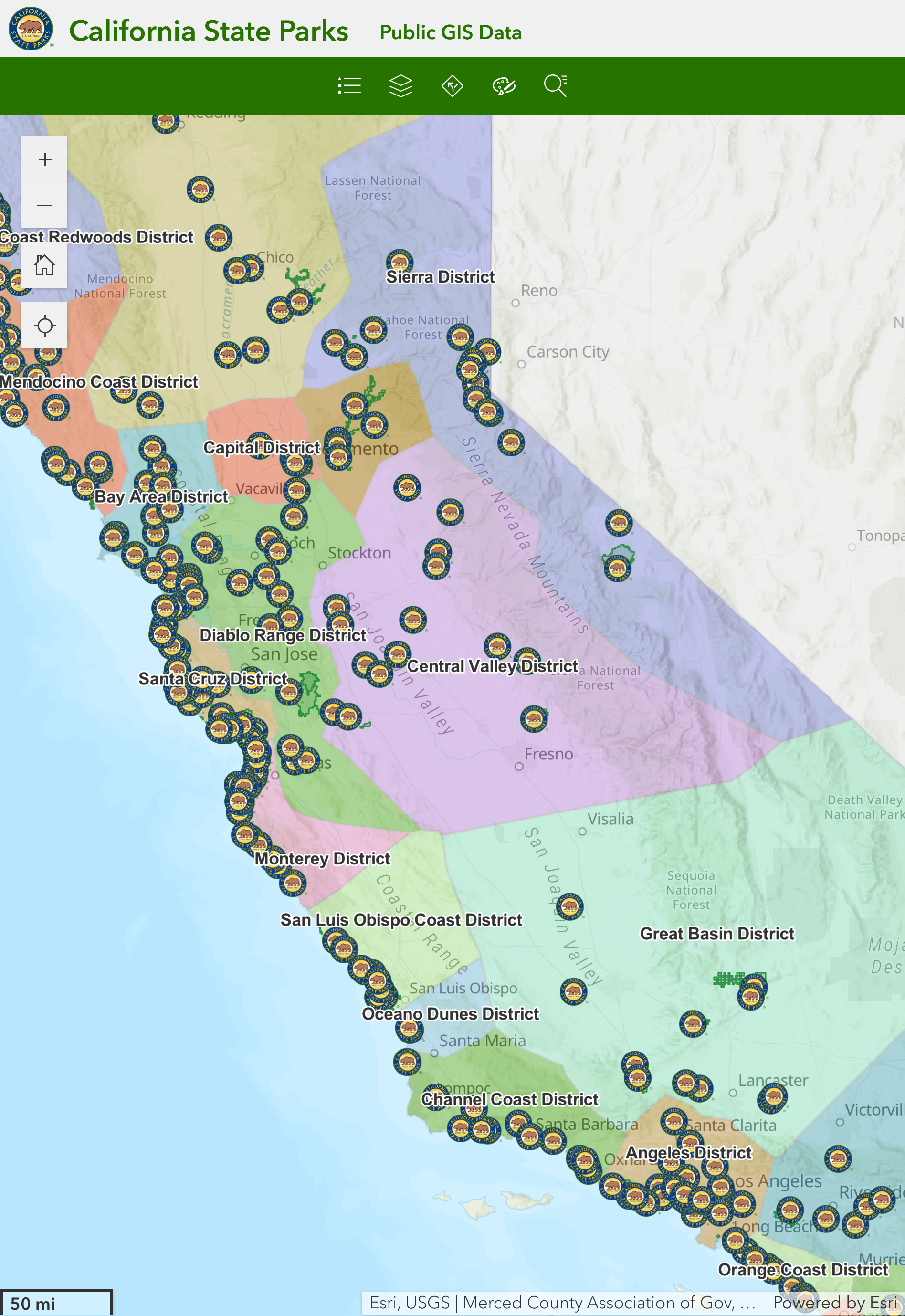
This staggering number reflects California’s commitment to preserving its natural wonders and rich history for both residents and visitors. From towering ancient redwood forests to pristine Pacific Ocean beaches, rugged desert landscapes, and historically significant landmarks, the state parks offer an immense diversity of destinations. Each unit provides unique opportunities for recreation, education, and exploration, making California a premier travel destination for outdoor enthusiasts and history buffs alike. The sheer scale ensures that no matter where you are in the state, from Southern California’s sunny shores to Northern California‘s ancient forests, a state park unit is likely within reach, offering a window into the state’s natural and cultural heritage.
A Traveler’s Guide to Diverse Park Experiences
The 280 units of the California State Parks system are far from monolithic; they represent an incredible spectrum of landscapes and experiences. This diversity is what makes traveling through California so rewarding, as each park promises a distinct adventure.
Coastal Escapes and Aquatic Adventures
California’s legendary coastline is home to numerous state parks and beaches, offering everything from surfing and sunbathing to tide pooling and dramatic cliffside hikes. Destinations like Crystal Cove State Park in Orange County captivate with historic cottages, pristine beaches, and underwater parks perfect for snorkeling and diving. Further north, Salt Point State Park on the Sonoma Coast provides rugged beauty, rich tide pools, and an opportunity to explore unique pygmy forests. Meanwhile, Point Lobos State Natural Reserve, often called the “crown jewel” of the state park system, offers stunning coves, vibrant marine life, and some of the most picturesque hiking trails along the Central Coast. These coastal parks are perfect for travelers seeking marine wildlife encounters, breathtaking ocean vistas, and a refreshing dose of sea air.
Forested Retreats and Mountain Majesties
Inland, California’s state parks ascend into majestic mountains and dense forests. Calaveras Big Trees State Park in the Sierra Nevada foothills allows visitors to walk among giant sequoias, some of the largest and oldest living organisms on Earth. It’s a humbling experience to stand beneath these ancient giants, providing a profound connection to nature. For those seeking alpine adventures, Mount San Jacinto State Park, accessible via the Palm Springs Aerial Tramway, transports travelers from the desert floor to a pristine wilderness of pine forests and granite peaks. Here, hiking, backpacking, and snowshoeing are popular activities, offering panoramic views and a serene escape from urban life. Another gem is Mount Tamalpais State Park near San Francisco, providing stunning views of the Golden Gate Bridge, the Pacific Ocean, and rolling hills, with miles of trails for hikers and mountain bikers.
Desert Oases and Unique Ecosystems
California’s deserts are not barren wastelands but vibrant ecosystems protected within the state park system. Anza-Borrego Desert State Park, the largest state park in California, sprawls across more than 600,000 acres, showcasing badlands, slot canyons, palm oases, and a spectacular spring wildflower bloom. It’s a haven for stargazers and those seeking solitude amidst dramatic landscapes. Further east, Picacho State Recreation Area along the Colorado River offers a unique desert river experience, popular for boating, fishing, and exploring historical mining sites. These parks challenge perceptions of desert environments, revealing their delicate beauty and resilience.
Historical Journeys and Cultural Immersion
Many state park units are dedicated to preserving California’s rich and complex history. Old Town San Diego State Historic Park transports visitors to the birthplace of California, showcasing life in the Mexican and early American periods with historic buildings, museums, and vibrant cultural events. Columbia State Historic Park in the Gold Country is a living history museum, where visitors can experience what life was like during the California Gold Rush, with authentic shops, saloons, and stagecoach rides. For a glimpse into indigenous heritage, Chumash Painted Cave State Historic Park near Santa Barbara protects significant rock art sites, offering a powerful connection to the state’s earliest inhabitants. These historic parks are essential destinations for understanding the diverse forces that shaped California.
Planning Your Unforgettable California State Park Trip
With so many options, planning a trip to California’s state parks can be an adventure in itself. Thoughtful preparation ensures a smoother, more enjoyable experience.
Essential Visitor Information
Before embarking on your park journey, familiarize yourself with crucial details. Many parks, especially popular camping destinations, require reservations far in advance, particularly for peak seasons. The California State Parks website is an invaluable resource for booking campsites and understanding park-specific regulations. Entrance fees vary by park, but a California State Parks Pass can be a cost-effective option for frequent visitors, offering annual access to most park units. Check for accessibility information if needed, as many parks offer accessible trails, facilities, and programs. Always be mindful of the “Leave No Trace” principles to protect these precious environments for future generations.
Maximizing Your Experience
Consider the time of year when planning your visit. Spring brings vibrant wildflowers to the deserts and coastal hills, while summer is ideal for beach activities and mountain hikes. Fall offers stunning foliage in many inland parks, and winter, while colder, can provide unique opportunities for solitude and even snow play in higher elevations. Research specific activities offered at each park, whether it’s guided nature walks, ranger programs, or specialized tours. Many parks are near charming small towns, offering additional attractions, dining options, and lodging to complement your park experience. Engaging with local communities can enhance your understanding and appreciation of the region’s unique character.
Iconic State Parks: Must-Visit Destinations
Among the hundreds of state park units, some stand out as essential stops for any traveler to California.
- Big Basin Redwoods State Park: Although significantly impacted by the 2020 CZU Lightning Complex Fire, California’s oldest state park is slowly reopening and remains an iconic destination for experiencing ancient coast redwoods. Its ongoing recovery offers a unique perspective on natural resilience.
- Pfeiffer Big Sur State Park: Nestled in the heart of Big Sur, this park offers stunning redwood groves, serene riverside camping, and access to numerous hiking trails that lead to waterfalls and breathtaking vistas of the Pacific Ocean.
- Torrey Pines State Natural Reserve: Located in San Diego, this reserve protects the rare Torrey pine and offers dramatic clifftop trails with sweeping ocean views, tide pooling, and opportunities to spot migrating whales.
- Bodie State Historic Park: A truly unique destination, Bodie is a genuine California Gold Rush ghost town, preserved in a state of “arrested decay.” Visitors can walk through abandoned streets and buildings, experiencing a hauntingly authentic glimpse into a bygone era.
- Emerald Bay State Park: Situated on the picturesque shores of Lake Tahoe, this park is renowned for its stunning turquoise waters, Fannette Island with its historic tea house, and Vikingsholm, a Scandinavian-style mansion. It’s a postcard-perfect destination for boating, hiking, and sightseeing.
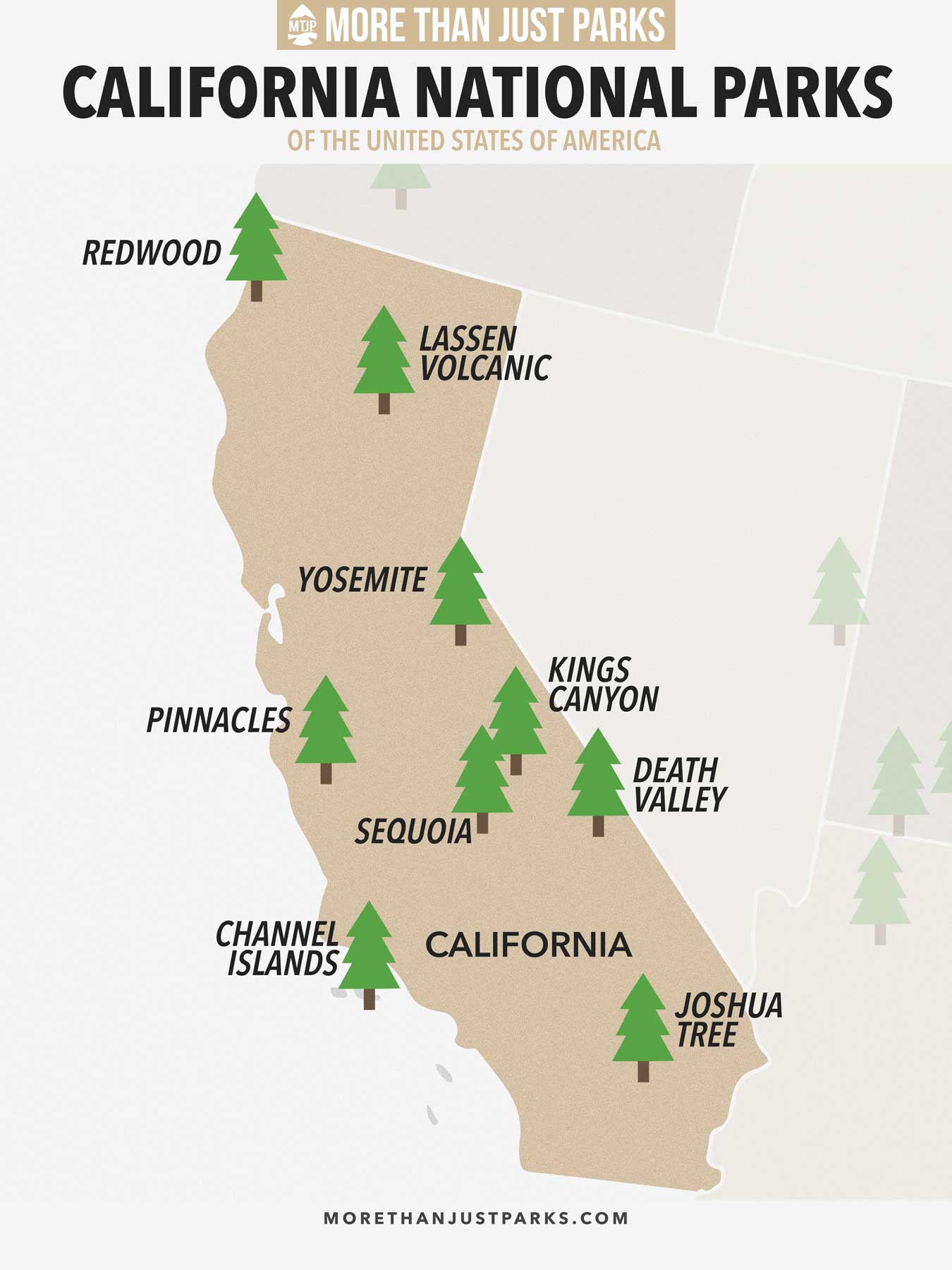
- Redwood National and State Parks: While partly federal, the state parks within this complex (like Jedediah Smith Redwoods State Park and Prairie Creek Redwoods State Park) are crucial to preserving the world’s tallest trees. These parks offer unparalleled opportunities for forest bathing, scenic drives, and wildlife viewing.
The extensive California State Parks system truly offers something for every type of traveler. From its vast number of units, protecting diverse ecosystems and historical narratives, to the endless array of recreational activities, these parks are integral to the California experience, inviting exploration and promising unforgettable memories.
LifeOutOfTheBox is a participant in the Amazon Services LLC Associates Program, an affiliate advertising program designed to provide a means for sites to earn advertising fees by advertising and linking to Amazon.com. Amazon, the Amazon logo, AmazonSupply, and the AmazonSupply logo are trademarks of Amazon.com, Inc. or its affiliates. As an Amazon Associate we earn affiliate commissions from qualifying purchases.