
Embarking on a journey through the Golden State offers a plethora of experiences, from the sun-drenched beaches of San Diego to the majestic redwoods of Northern California. However, for the discerning traveler, understanding the nuances of local taxation, particularly sales taxes, is crucial for effective budgeting and avoiding unwelcome surprises. California operates a complex sales tax system that combines a statewide base rate with various local district taxes, resulting in a patchwork of rates across its diverse regions. Familiarizing yourself with these figures can significantly enhance your financial planning and overall travel experience.
Navigating California’s Sales Tax Landscape for the Savvy Traveler
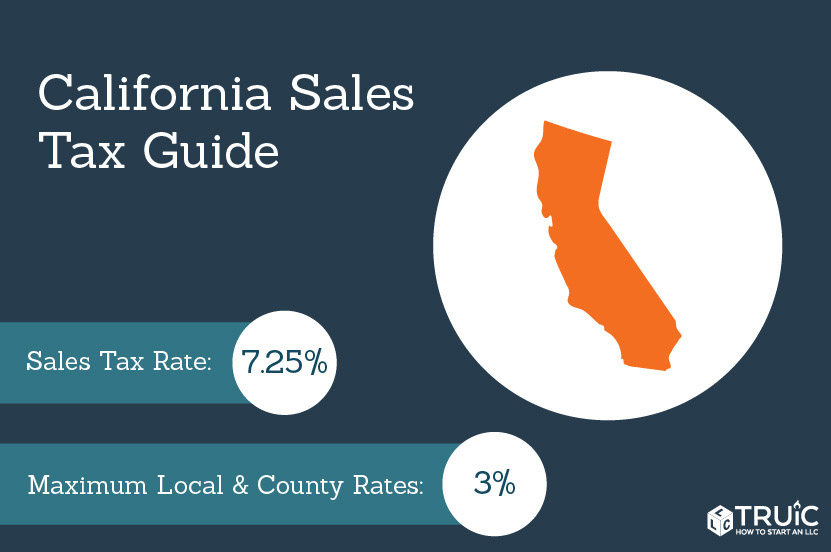
At its core, California imposes a statewide sales tax rate on the retail sale of tangible personal property. This baseline rate serves as the foundation upon which additional local taxes are layered. These local add-ons, known as district taxes, are approved by voters in specific cities, counties, or special districts to fund a variety of local services and infrastructure projects. Consequently, the actual sales tax rate you pay as a traveler can vary considerably depending on your exact location within the state, often ranging from approximately 7.25% to over 10%.
The statewide base rate applies across all 58 counties of California. However, nearly every city and county has adopted one or more district taxes, pushing the effective rate higher. For instance, a purchase made in Los Angeles County will carry a different sales tax rate than one made in Orange County or San Francisco. It’s vital for travelers to remember that the prices displayed on retail shelves, restaurant menus, and attraction tickets typically do not include sales tax. This tax is calculated and added at the point of sale, requiring a mental adjustment or quick calculation to understand the final cost. Understanding these variations is key to managing your travel budget effectively, whether you’re shopping for souvenirs in Beverly Hills or dining in Napa Valley.
What Travelers Should Anticipate Paying Sales Tax On
As a traveler in California, identifying which purchases are subject to sales tax is paramount. The general rule of thumb is that tangible personal property—items you can see, touch, and move—is taxable. However, there are crucial distinctions and exemptions that can impact your spending.
Taxable Goods and Services
The vast majority of goods purchased during your trip will be subject to sales tax. This includes common tourist purchases such as souvenirs, clothing, electronics, books, and gifts. If you’re exploring Hollywood and decide to buy a movie poster or visiting Disneyland and pick up merchandise, expect sales tax to be added to your bill.
Food and beverages are another significant area where sales tax applies, but with an important caveat. Prepared food, whether purchased from a restaurant, café, deli, or even a grocery store’s hot food bar, is generally taxable. This includes all meals consumed in restaurants, takeout orders, coffee shop drinks, and ready-to-eat items like hot pizzas or pre-made sandwiches from a supermarket. When dining out, remember that the sales tax will be applied to your entire food and beverage bill before any gratuity is added.
While most services are not directly subject to sales tax in California, some services that result in the creation or production of tangible personal property, or those closely associated with a taxable sale, may be. For instance, if you purchase a custom-engraved item, the engraving service might be taxed as part of the overall sale. However, personal services like haircuts, massages, or car repairs are typically exempt from sales tax.
Key Exemptions for Travelers
Understanding exemptions can help travelers optimize their spending. The most common exemption for travelers pertains to unprepared food items purchased from grocery stores for consumption at home or as picnic supplies. If you’re planning a scenic drive along Highway 1 and stocking up on groceries for a picnic overlooking Big Sur, items like fresh produce, packaged snacks, beverages, and most staples are generally not subject to sales tax. The key distinction lies in whether the food is “prepared” for immediate consumption or requires further preparation.
Other significant exemptions include prescription medications, certain medical devices, and specific agricultural products. While these might not be daily considerations for most tourists, they are important to note. Furthermore, services like airline tickets, most public transportation fares, and the base charges for accommodation (though accommodation has its own separate lodging tax, discussed below) are not subject to sales tax.
Sales Tax Variations Across California’s Iconic Destinations
The sales tax rate in California is not uniform; it fluctuates based on the city and county you are in. This means that a souvenir bought in San Francisco will incur a different sales tax than an identical item purchased in Palm Springs. These variations arise from district taxes, which local jurisdictions levy to fund specific projects or services.
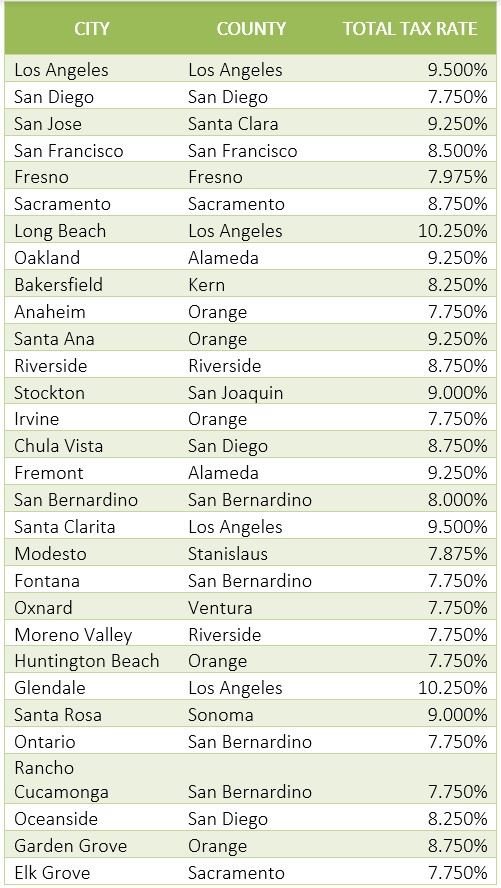
For example, travelers exploring metropolitan areas will often encounter higher rates. Los Angeles County, encompassing popular destinations like Santa Monica, Beverly Hills, and downtown Los Angeles, typically has a combined sales tax rate of 9.5%. In contrast, San Francisco boasts a sales tax rate of 8.625%. San Diego County generally sees rates around 7.75%, while Sacramento County’s rate hovers around 8.75%.
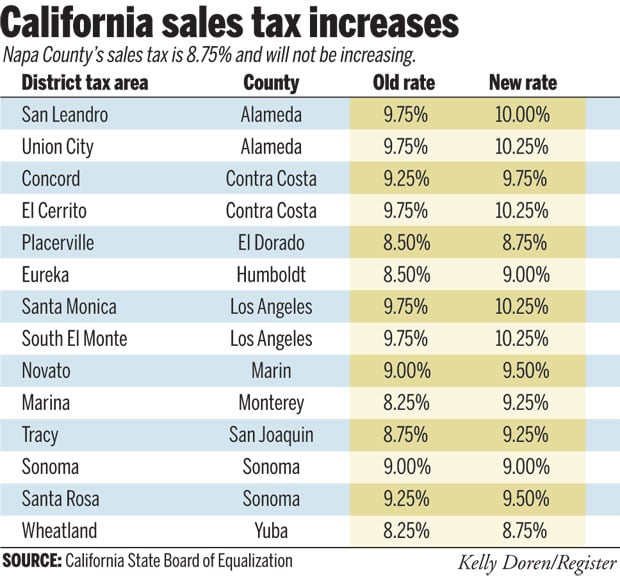
Areas popular with tourists like Anaheim, home to Disneyland, typically fall under Orange County’s rates, which are currently 7.75%. However, some cities within Orange County might have additional district taxes. Even within a single county, rates can vary. For example, specific cities in Alameda County or Santa Clara County (part of Silicon Valley) might have rates pushing towards or exceeding 10%.
Understanding these regional differences is particularly important for those undertaking road trips across California, from the coastal towns of Carmel-by-the-Sea to the inland expanse of the San Joaquin Valley or the natural wonders of Yosemite National Park and Death Valley National Park. Always verify the current sales tax rate for your specific location, perhaps through a quick online search, to accurately estimate your expenses.
Practical Tips for Budgeting Sales Tax on Your California Adventure
Successfully managing your budget in California involves more than just accounting for headline prices. Factoring in sales tax from the outset can prevent budget overruns and enhance your overall travel experience.
Factor It In From the Start
When planning your purchases, always assume that an additional 8% to 10% will be added to the sticker price for most goods and prepared foods. For instance, a souvenir priced at $50 might cost you $54-$55 after sales tax, depending on your location. For larger purchases, this percentage can add up quickly. A mental calculation or the use of a simple budgeting app can help you keep track of these additional costs.
Be Mindful of Purchases
Consider the sales tax implications for significant purchases. If you plan to buy high-value items, researching the exact sales tax rate in that specific city can inform your decision. Remember the distinction between unprepared and prepared food items. Opting for groceries to prepare your own snacks or simple meals can lead to significant savings on sales tax compared to consistently dining out or buying ready-to-eat items.
Plan for Dining Expenses
Dining out is an integral part of the California experience, from fine dining in San Francisco to casual eateries in Santa Monica. Always factor in sales tax on your entire food and beverage bill. Additionally, remember that tips for service are typically calculated on the pre-tax total.
Keep Records
While tourists cannot reclaim sales tax in the United States as they can in some other countries, keeping receipts can be useful for tracking your spending and identifying where your money goes. This practice aids in post-trip budget analysis and can inform future travel planning.
Beyond Sales Tax: A Holistic View of Traveler Costs in California
While sales tax is a significant component of hidden costs for travelers in California, it’s not the only one. A comprehensive travel budget should also account for other specific taxes and fees that can impact your overall expenses, reinforcing the importance of diligent financial planning for any travel itinerary.
Transient Occupancy Taxes (TOT)
Often referred to as hotel or lodging taxes, Transient Occupancy Taxes (TOT) are levied on stays in hotels, motels, and other short-term accommodations. These taxes are entirely separate from sales tax and are imposed by cities and counties. TOT rates vary dramatically by location, often ranging from 8% to as high as 17% or more in major tourist destinations. For example, popular cities like San Francisco, Los Angeles, and San Diego typically have higher TOT rates, which can substantially increase the cost of your accommodation. Always check the specific TOT rate for your chosen city when booking lodging to avoid surprises.
Rental Car Taxes and Fees
If you plan to rent a car to explore the scenic routes of California, such as driving across the Golden Gate Bridge or venturing to Universal Studios, be prepared for a variety of taxes and fees beyond the basic rental rate. These can include state and local sales taxes on the rental itself, a “tourism commission assessment,” vehicle license fees, airport concession recovery fees (if renting from an airport location), and various surcharges. These additional charges can cumulatively add 10% to 30% or more to your daily rental cost, making it crucial to review the total estimated cost before finalizing your reservation.
Tourism Improvement District Assessments
In certain areas, particularly in tourist-heavy zones, you might encounter small, additional “Tourism Improvement District” (TID) assessments added to your hotel bill or, less commonly, to other services. These fees are designed to fund local tourism marketing and improvement initiatives and are typically a small percentage of the room rate or a flat fee. While not as widespread or substantial as TOT, they represent another layer of local taxation that travelers should be aware of when calculating their total trip expenses in California.
By understanding not just sales taxes, but also TOT, rental car fees, and other potential assessments, travelers can create a more accurate budget, ensuring a smooth and enjoyable California adventure without unexpected financial setbacks.
LifeOutOfTheBox is a participant in the Amazon Services LLC Associates Program, an affiliate advertising program designed to provide a means for sites to earn advertising fees by advertising and linking to Amazon.com. Amazon, the Amazon logo, AmazonSupply, and the AmazonSupply logo are trademarks of Amazon.com, Inc. or its affiliates. As an Amazon Associate we earn affiliate commissions from qualifying purchases.