
Understanding the costs associated with car registration in California is a crucial aspect of financial planning for anyone living in or considering a move to the Golden State. Beyond the initial purchase price and ongoing fuel costs, vehicle registration fees represent a mandatory, recurring expense that directly impacts your lifestyle budget. Navigating the nuances of the California Department of Motor Vehicles (DMV) fee structure can seem daunting, but a clear breakdown reveals the various components that contribute to the total amount. This insight is essential for effective budgeting, ensuring smooth vehicle operation, and avoiding penalties, whether you’re a long-term resident, a new transplant, or simply planning an extended stay where vehicle ownership is a necessity.
Decoding the Core Components of California Car Registration
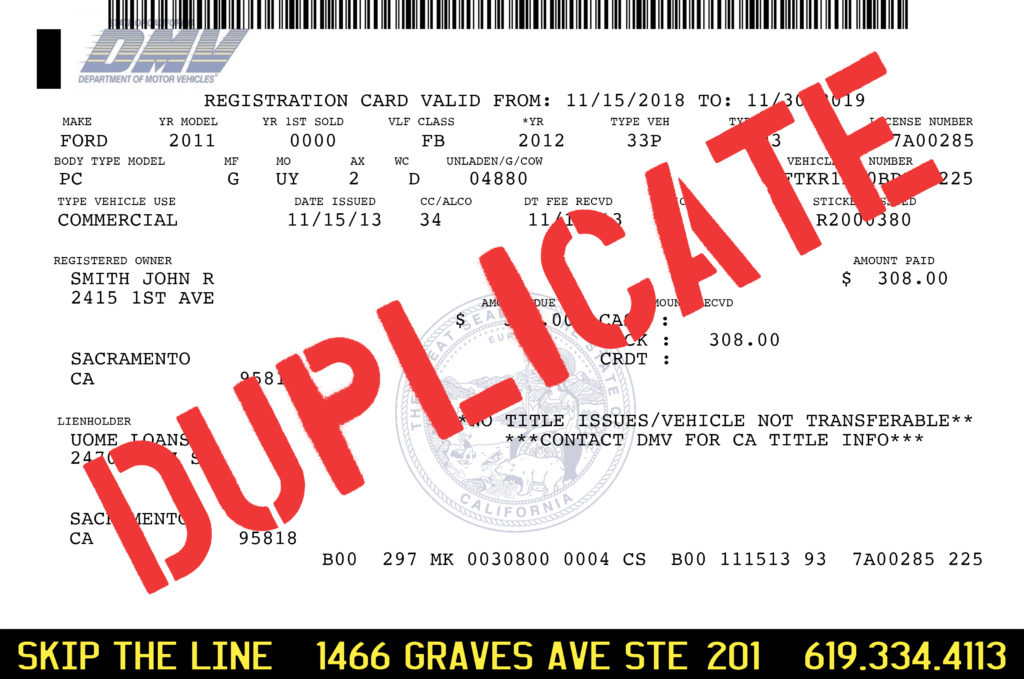
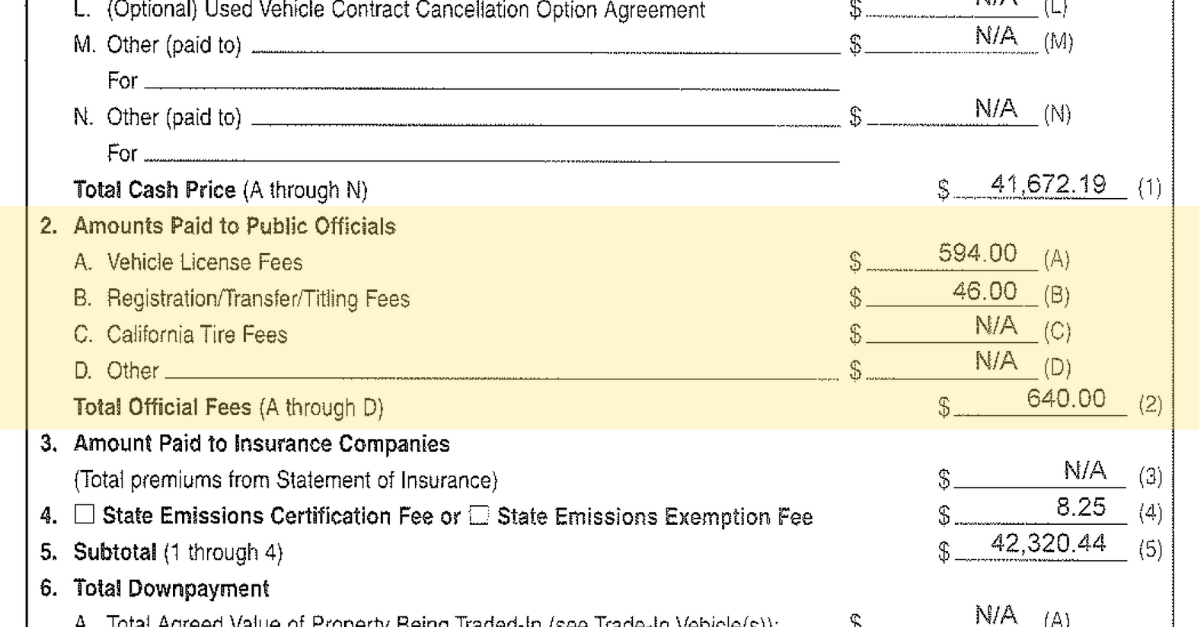
The total cost of car registration in California is not a flat fee but rather a sum of several distinct charges. These fees are primarily determined by factors such as the type of vehicle, its value, its age, and even the county in which it is registered. Understanding each component is the first step toward accurately estimating your annual expenditure.
Vehicle License Fee (VLF)
The Vehicle License Fee (VLF) is arguably the most significant portion of your registration cost. This fee is essentially a property tax on your vehicle, calculated as a percentage of its market value. Historically, the VLF was 2% of the vehicle’s depreciated value, but changes have occurred over time. Currently, it’s set at 0.65% of the vehicle’s value. The vehicle’s value is determined by the DMV based on the original purchase price and an annual depreciation schedule. This means that newer, more expensive vehicles will incur a higher VLF than older, less valuable ones. For example, a brand-new luxury car registered in Los Angeles will face a substantially higher VLF compared to a decade-old sedan in Sacramento.
Registration Fee
This is a fixed annual fee applied to all vehicles registered in California. Unlike the VLF, it doesn’t fluctuate based on vehicle value. As of recent updates, this fee typically stands at around $58. It contributes to the general operation of the DMV and state transportation infrastructure.
California Highway Patrol (CHP) Fee
A portion of your registration goes towards funding the California Highway Patrol (CHP), which plays a vital role in ensuring road safety and traffic enforcement across the state. This fee is also a fixed annual amount, typically around $30, and is mandatory for all registered vehicles.
Transportation Planning Fee
This fee is relatively newer and contributes to local and regional transportation planning and infrastructure projects. It is generally a fixed fee, usually around $3, but can vary slightly depending on legislative adjustments.
Air Quality Management District (AQMD) Fees and Other Local Fees
Many counties and air quality districts impose additional fees to fund initiatives aimed at reducing air pollution and improving environmental quality. These fees can vary significantly depending on where you register your vehicle. For instance, vehicles registered in areas like Los Angeles or San Francisco, which fall under specific air quality management districts, may incur higher fees than those in less populous regions. These fees are usually modest, ranging from a few dollars to twenty or so, but they add to the overall cost. For example, the San Joaquin Valley Air Pollution Control District, like many others, imposes specific surcharges.
Additional Factors Influencing Your Total Bill
Beyond the standard components, several other factors can significantly impact your total car registration cost. Being aware of these can help you better anticipate and budget for your annual expenses.
Vehicle Type and Fuel Efficiency
While not a direct fee, certain vehicle types are subject to additional surcharges or, conversely, receive exemptions. For example, older vehicles that fail to meet emission standards might incur penalties, or require additional testing. Conversely, Electric Vehicle (EV) and Hybrid Vehicle owners, while benefiting from fuel savings and sometimes HOV lane access, might find themselves subject to a separate “road use” fee to offset lost gas tax revenue. California is at the forefront of encouraging green vehicle adoption, so these policies are dynamic and subject to change.
Smog Check Requirements
Most vehicles registered in California are required to undergo a Smog Check every two years, or when ownership changes. This is not a fee paid directly to the DMV but an out-of-pocket expense paid to a certified Smog Check station. The cost typically ranges from $30 to $80, depending on the station and the vehicle. New vehicles (under eight model years old) and certain Electric Vehicles or motorcycles are usually exempt. Failing a Smog Check can lead to significant repair costs before registration can be completed, a critical factor for budget-conscious individuals.
Late Fees and Penalties
Perhaps one of the most impactful additional costs comes from neglecting to renew your registration on time. California has strict penalties for late renewals, which can quickly add up. These typically include a late VLF penalty, a late registration fee penalty, and a late CHP fee penalty. The longer the delay, the higher the penalties become, making timely renewal essential for managing your lifestyle budget effectively. A vehicle can also be impounded if registration is expired for an extended period, leading to towing and impound fees on top of the penalties.
Out-of-State Vehicle Registration
For those moving to California with a vehicle from another state, the initial registration process can involve additional costs and steps. You’ll typically need to get a new Smog Check, pay any applicable use tax (if sales tax wasn’t paid in the previous state or was lower than California’s), and complete an inspection. The fees for an out-of-state vehicle often include a separate “original registration” fee in addition to the standard annual fees. This initial outlay can be considerable and should be factored into the relocation budget for a smooth transition. New residents must register their vehicles within 20 days of establishing residency.
Managing Your California Car Registration Costs
Proactive management of your car registration responsibilities can significantly ease the financial burden and prevent unforeseen expenses. Integrating these costs into your annual budget is key to a stress-free vehicle ownership experience in California.
Budgeting for Annual Renewal
Given the various components, it’s wise to budget a range for your annual car registration. For a moderately valued vehicle (e.g., $20,000-$30,000), typical annual registration fees could range from $200 to $500, not including the Smog Check or any late penalties. Newer luxury vehicles in urban areas like San Diego could push this figure higher. The DMV provides an online fee calculator that can offer a more precise estimate based on your specific vehicle details. Utilizing this tool is highly recommended for accurate financial planning.
Timely Renewal and Reminders
The simplest way to avoid additional costs is to renew your registration on time. The DMV typically sends renewal notices by mail a few months before the expiration date. Take note of this date and set your own reminders. Many people opt for automatic reminders through calendar apps or by signing up for email notifications from the DMV online portal. Renewing online is often the most convenient option, saving time and potentially avoiding delays associated with mail-in renewals.
Considering Vehicle Value and Age
When purchasing a vehicle, particularly if you plan to keep it for several years, consider how its value will impact your ongoing VLF. Opting for a slightly older model, or one with a lower initial purchase price, can lead to substantial savings on registration fees over time. This decision aligns with a budget-conscious lifestyle, where long-term operational costs are weighed alongside the upfront purchase price.

Exploring Potential Exemptions or Reductions
While less common for standard vehicle registration, it’s always worth researching if your specific vehicle or circumstances qualify for any exemptions or reductions in fees. For example, certain historical vehicles or those with specific modifications might have different fee structures. Veterans or individuals with disabilities may also qualify for specific programs, though these are typically related to license plates rather than the core registration fees. Staying informed about California DMV policies and legislative changes can sometimes uncover opportunities for savings.
Understanding “How Much Car Registration California?” is more than just knowing a single number; it’s about grasping a multi-faceted fee structure that impacts your financial lifestyle. By breaking down the core components, considering additional factors, and adopting proactive management strategies, you can ensure your vehicle remains legally registered without unexpected financial strain. This informed approach allows for better budgeting and a smoother experience navigating California’s roads, whether you’re cruising through San Francisco or commuting in Los Angeles.
LifeOutOfTheBox is a participant in the Amazon Services LLC Associates Program, an affiliate advertising program designed to provide a means for sites to earn advertising fees by advertising and linking to Amazon.com. Amazon, the Amazon logo, AmazonSupply, and the AmazonSupply logo are trademarks of Amazon.com, Inc. or its affiliates. As an Amazon Associate we earn affiliate commissions from qualifying purchases.