
The allure of a career in California real estate is undeniable. With some of the most expensive and dynamic accommodation markets in the world, the potential for high earnings often draws aspiring professionals. However, the reality of a real estate agent’s income in the Golden State is multifaceted, influenced by a complex interplay of commission structures, market dynamics, experience, and sheer hustle. While the state’s high property values mean a single sale can yield a substantial commission, the path to financial success in facilitating accommodation transactions is rarely straightforward. Understanding the various factors that dictate an agent’s take-home pay is crucial for anyone considering or currently navigating this competitive industry.

The Foundation of Earnings: Understanding Commission Structures in California Accommodation
At the heart of a California real estate agent’s income lies the commission structure. Unlike salaried positions, agents earn a percentage of the property’s sale price. This commission is typically paid by the seller, although nuances exist.
Standard Commission Rates and Their Impact on Agent Income
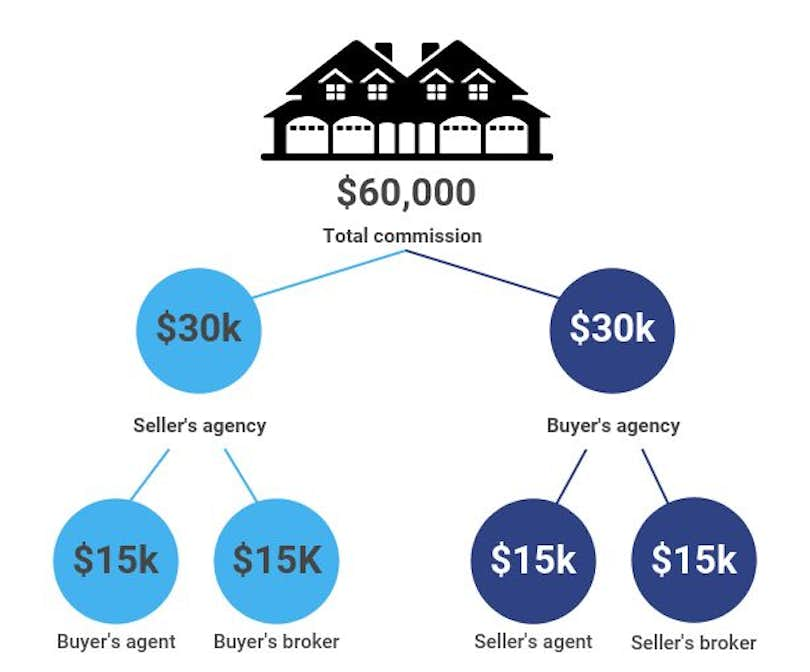
In California, the standard commission rate for a residential real estate transaction typically ranges from 5% to 6% of the property’s final sale price. This percentage is not solely for one agent; it’s usually split between the buyer’s agent and the seller’s agent (the listing agent). For example, a 6% commission would often mean 3% for the listing agent’s brokerage and 3% for the buyer’s agent’s brokerage.
Crucially, individual agents do not receive the entire brokerage’s share. Instead, they operate under a split agreement with their managing broker. This split can vary significantly, ranging from 50/50 for new agents to 90/10 (agent keeping 90%) for top performers or those on team structures with high volume. After the split, agents are also responsible for their own business expenses, including marketing, professional development, association dues, licensing fees, and health insurance. These costs can significantly eat into gross commission income, making the net earnings for facilitating accommodation sales much lower than initial appearances suggest. In a market where the median home price can hover around $800,000, a 3% commission share for an agent’s brokerage on a single transaction translates to $24,000. If an agent has a 70/30 split with their broker, their gross share would be $16,800 from that single sale before any additional business expenses.
The Role of Property Type and Location
The type and location of accommodation an agent specializes in profoundly affect their income potential. California’s diverse geography presents a vast range of property values.
Selling a luxury mansion in Beverly Hills with a multi-million-dollar price tag will inherently generate a larger commission than selling a starter home in a more affordable market like Sacramento or the Central Valley. An agent specializing in high-end residential accommodation in Malibu or Palo Alto might close fewer deals annually but earn significantly more per transaction. Conversely, an agent focusing on first-time homebuyers in a mid-tier market might close more deals but with lower individual commissions.
Major metropolitan areas like Los Angeles, San Francisco, and San Diego boast higher median home prices, leading to higher potential commission per sale. However, these markets are also often the most competitive, requiring agents to invest more in marketing and client acquisition to stand out in the crowded field of accommodation professionals. Furthermore, specializing in niche markets such as commercial real estate, multi-unit dwellings, or investment properties for long-term accommodation can also offer different income profiles, often involving more complex transactions but potentially higher payouts.
Factors Influencing a California Agent’s Income Potential in the Accommodation Market
Beyond the basic commission structure, several critical factors determine an individual agent’s earning capacity in the California accommodation sector.
Experience and Expertise
Like many professions, experience plays a pivotal role in a real estate agent’s income. New agents often face a steep learning curve and may struggle to close many deals in their first year or two. They need to build a client base, establish a reputation, and understand the nuances of the local accommodation market and transaction processes.
Seasoned agents, on the other hand, benefit from years of networking, client referrals, and a deep understanding of market trends. They have honed their negotiation skills, developed robust marketing strategies, and built trust within their communities. Many top-performing agents achieve success through repeat business and referrals from satisfied clients who initially sought them out for residential accommodation needs. Specializations also contribute to expertise; an agent known for successfully navigating the luxury market in Orange County or investment properties in Silicon Valley can command a premium in their niche.
Market Volatility and Economic Climate
The real estate market in California is inherently cyclical and sensitive to broader economic conditions. Agents’ incomes are directly tied to the health of the housing market and the volume of accommodation transactions. During boom cycles, characterized by low interest rates, high demand, and rising property values, agents can see significant increases in their sales volume and commission income. Properties sell quickly, often with multiple offers, simplifying the sales process.
Conversely, during market downturns, such as periods of high interest rates, economic recession, or low inventory, sales volume can plummet. Properties may sit on the market longer, and price reductions become common, directly impacting an agent’s ability to close deals and earn commissions. The availability and affordability of different types of accommodation also shift with the economic climate, influencing buyer and seller behavior. Adaptability and resilience are key for agents to navigate these fluctuations successfully.
Business Acumen and Marketing Investment
Being a real estate agent is essentially running an independent business. Success hinges on strong business acumen, including effective self-promotion, robust lead generation, and diligent client relationship management. Agents who consistently invest in their personal brand, online presence, and targeted marketing campaigns tend to outperform those who don’t. This includes professional photography for accommodation listings, engaging social media content, local advertising, and leveraging CRM systems to manage client interactions.
Networking within the community and with other industry professionals (lenders, inspectors, contractors, appraisers) is also vital. These relationships not only provide valuable referrals but also enhance an agent’s ability to provide comprehensive service to clients looking to buy or sell accommodation. The costs associated with these efforts – from professional website maintenance to advertising spend – are significant operational expenses that successful agents factor into their financial planning.
A Look at Average Earnings and High Performers in California’s Accommodation Sector
The range of incomes for California real estate agents is vast, often leading to misconceptions about average earnings.
Median Income vs. Top Earners
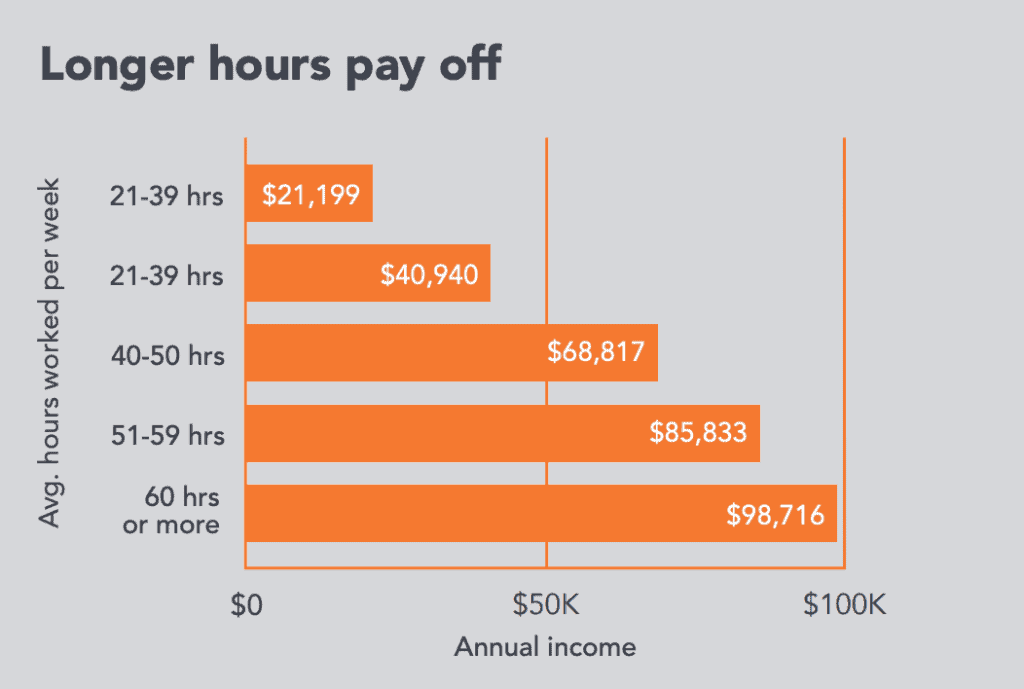
While some surveys report a median annual income for real estate agents in California in the range of $50,000 to $80,000, this figure can be highly misleading. The reality is that a significant portion of licensed agents either work part-time, do very few transactions annually, or exit the profession within their first few years due to lack of sales. Many new agents earn very little, if anything, in their initial year as they build their business.
However, the top 10% to 20% of agents can earn six figures, with exceptional performers easily surpassing $200,000, $500,000, or even $1 million annually. These top earners typically have years of experience, a strong referral network, specialize in high-value accommodation markets, and have invested heavily in their business and personal brand. They operate with a high volume of transactions or focus on very high-priced properties, leveraging their expertise to provide unparalleled service to clients seeking premium residential or investment accommodation. The potential for substantial earnings is what keeps the profession attractive, despite the challenges.
The Cost of Living in California and Financial Realities
It is impossible to discuss real estate agent earnings in California without considering the state’s notoriously high cost of living. What might be considered a comfortable income in other parts of the country can barely cover basic expenses in major California cities. Housing costs, whether renting or buying accommodation, are among the highest in the nation. For an agent living in San Jose, Santa Monica, or Oakland, an income that might seem impressive on paper may only provide a modest lifestyle after accounting for housing, taxes, and other living expenses. This pressure often drives agents to strive for higher commission volumes and to continually seek out lucrative accommodation opportunities.
Strategies for Maximizing Income in the California Accommodation Industry
For agents aiming to thrive in California’s competitive real estate landscape, strategic approaches are essential for maximizing income.
Building a Niche and Personal Brand
Standing out in a crowded market requires specialization. Agents can significantly enhance their earning potential by focusing on specific types of accommodation, such as luxury estates, waterfront properties, historic homes, urban lofts in Downtown Los Angeles, or investment properties for vacation rentals. Becoming the undisputed expert in a particular neighborhood, a micro-market like Venice Beach, or a specific demographic (e.g., first-time homebuyers, tech professionals) can attract a steady stream of targeted clients. Developing a strong personal brand that communicates this niche expertise and unique value proposition is crucial for attracting the right accommodation clients and commands higher trust and loyalty.
Leveraging Technology and Digital Marketing
In today’s digital age, an agent’s online presence is paramount. Leveraging technology for virtual tours of accommodations, high-quality online listings, and engaging social media content can dramatically expand reach and generate leads. Implementing robust CRM systems helps manage client relationships, automate follow-ups, and track potential accommodation transactions, ensuring no opportunity is missed. Data analytics can also provide insights into market trends, helping agents advise clients more effectively on buying or selling various types of accommodation. A strong digital footprint is no longer optional but a necessity for sustained success.
Continuous Professional Development and Networking
The California real estate market is constantly evolving, with new regulations, market shifts, and technological advancements impacting the accommodation sector. Top-performing agents commit to continuous professional development, staying abreast of the latest trends, economic indicators, and legal changes that affect property transactions. Attending industry conferences, pursuing advanced certifications, and engaging in ongoing education can provide a competitive edge. Moreover, active networking with other agents, brokers, and related professionals not only fosters referral opportunities but also creates a supportive community for sharing best practices and market insights. This collaborative approach can significantly enhance an agent’s ability to navigate complex accommodation deals and ultimately boost their income.
LifeOutOfTheBox is a participant in the Amazon Services LLC Associates Program, an affiliate advertising program designed to provide a means for sites to earn advertising fees by advertising and linking to Amazon.com. Amazon, the Amazon logo, AmazonSupply, and the AmazonSupply logo are trademarks of Amazon.com, Inc. or its affiliates. As an Amazon Associate we earn affiliate commissions from qualifying purchases.