
The vast, breathtaking landscapes of Arizona hold many natural wonders, but none captures the essence of the Grand Canyon State’s unique beauty quite like its official state flower: the magnificent blossom of the Saguaro cactus. More than just a botanical specimen, this vibrant bloom is a potent symbol of resilience, natural splendor, and the rich cultural tapestry that defines Arizona, offering a profound connection to the local environment for any discerning traveler.
The Iconic Saguaro Cactus Blossom: A Desert Masterpiece
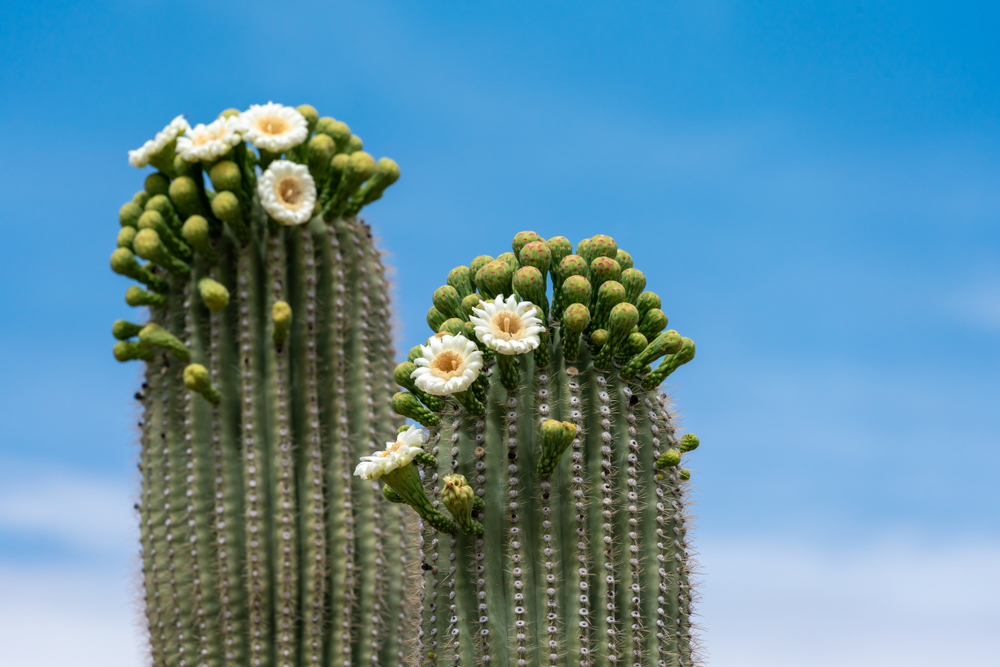
Designated as Arizona’s state flower in 1931, the Saguaro blossom is a creamy white, waxy bloom that emerges from the tips of the Saguaro cactus (Carnegiea gigantea) arms and trunk. This choice wasn’t arbitrary; it reflects the deep reverence for a plant that is synonymous with the state’s most iconic ecosystem, the Sonoran Desert. For tourists, encountering this flower in its natural habitat is an experience that transcends mere sightseeing, offering an intimate glimpse into the desert’s surprising vitality.
A Symbol of the Sonoran Desert’s Soul
The Saguaro cactus itself is an emblem of the American Southwest, a towering sentinel that can live for 150 years or more, reaching heights of over 50 feet. It is an exclusively North American species, primarily found in the Sonoran Desert of Arizona, southeastern California, and parts of Mexico. The blossom, therefore, represents not just a flower, but the very spirit of this unique biome – its ability to thrive under harsh conditions, its intricate ecological relationships, and its profound, often subtle, beauty. For visitors seeking to understand the true character of Arizona, comprehending the Saguaro and its flower is paramount. It’s a testament to the desert’s paradoxical abundance, an oasis of life that flourishes against all odds. Understanding its significance adds layers of appreciation to any desert excursion, transforming a casual visit into an insightful cultural and ecological journey.
The Bloom’s Ephemeral Beauty and Nocturnal Allure
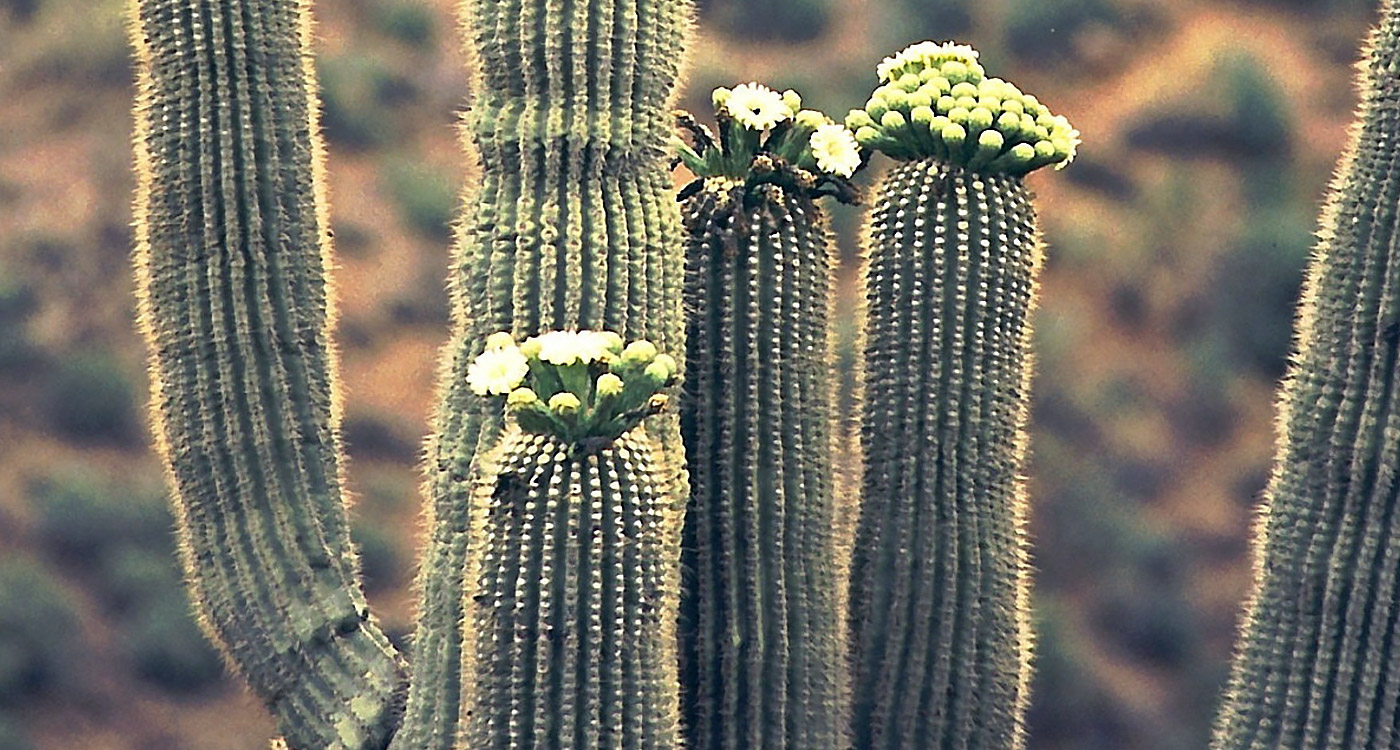
What makes the Saguaro blossom particularly enchanting for tourists is its distinct blooming pattern. These striking flowers typically appear from late April through early June, emerging predominantly at night and closing by mid-day. Each flower is relatively short-lived, often lasting only for a single day, which adds to its mystique and makes witnessing a full bloom a truly special event. The nocturnal opening is a crucial adaptation, attracting key pollinators like bats and moths, which play a vital role in the Saguaro’s reproductive cycle. As dawn breaks, bees and other daytime insects take over, further contributing to cross-pollination. The blossoms are often clustered in a crown-like formation atop the cactus arms, presenting a spectacular sight when in full bloom – a stark contrast of delicate white against the rugged green of the cactus. The delicate scent, often described as sweet and melon-like, adds another sensory dimension to this unique experience. For those traveling through Arizona during this prime window, seeking out these blossoms becomes an engaging pursuit, rewarding early risers or twilight adventurers with unforgettable views.
Experiencing the Bloom: When and Where to See It
For tourists eager to witness Arizona’s state flower firsthand, timing and location are key. Planning your trip around the blooming season can elevate your entire desert experience, offering photo opportunities and insights into the desert’s vibrant ecosystems that are simply unparalleled at other times of the year.
Optimal Viewing Seasons and Times
As previously noted, the Saguaro cactus typically flowers from late April to early June. The peak often falls in mid-May, but this can vary slightly depending on rainfall and temperature fluctuations from year to year. To catch the blossoms at their best, it’s advisable to venture out in the early morning hours, shortly after sunrise, or in the late evening/night if you’re keen on nocturnal viewing (though this requires careful planning and often guided tours for safety and accessibility in parks). The flowers are most vibrant and open during these times before the intense midday sun causes them to wilt. Checking local park websites or visitor centers upon arrival can provide up-to-date information on current bloom conditions, helping tourists pinpoint the best times to visit specific areas.
Prime Locations for Cactus Spotting
Arizona offers numerous spectacular locations where visitors can immerse themselves in the Saguaro-rich landscape and seek out its iconic blossoms. Each location provides a slightly different perspective and accessibility:
- Saguaro National Park: Divided into two districts, one west of Tucson and one east, this park is dedicated to preserving the Saguaro cactus forest. It is arguably the best place in the world to see Saguaros in their natural habitat. Both districts offer scenic drives, hiking trails, and visitor centers with educational exhibits. The Rincon Mountain District (east) is particularly dense with Saguaros and often features the most dramatic displays of blossoms. Early morning hikes through trails like the Desert Discovery Trail or Cactus Forest Drive can yield stunning close-ups of the blooms.
- Desert Botanical Garden (Phoenix): For those based in or visiting Phoenix, the Desert Botanical Garden offers a curated and accessible experience. While not a wild landscape, the garden boasts an impressive collection of Saguaros and other desert flora. It’s an excellent option for visitors who prefer paved paths and interpretive signage, ensuring a clear understanding of the plants and their significance. During the blooming season, the garden often highlights blooming Saguaros and may even offer special tours or events.
- Boyce Thompson Arboretum (Superior): Located an hour east of Phoenix, this arboretum is Arizona’s oldest and largest botanical garden. It features a diverse collection of desert plants from around the world, including a significant number of native Saguaros. Its expansive trails offer a more naturalistic experience than urban gardens, with plenty of opportunities to spot the blossoms in a varied setting.
- Catalina State Park (Tucson): Nestled at the base of the majestic Santa Catalina Mountains, just north of Tucson, this park is home to a magnificent stand of Saguaros. It offers numerous hiking and equestrian trails that wind through the cactus forest, providing ample chances to view the blossoms against a stunning mountainous backdrop. It’s a fantastic option for active travelers looking to combine hiking with floral admiration.
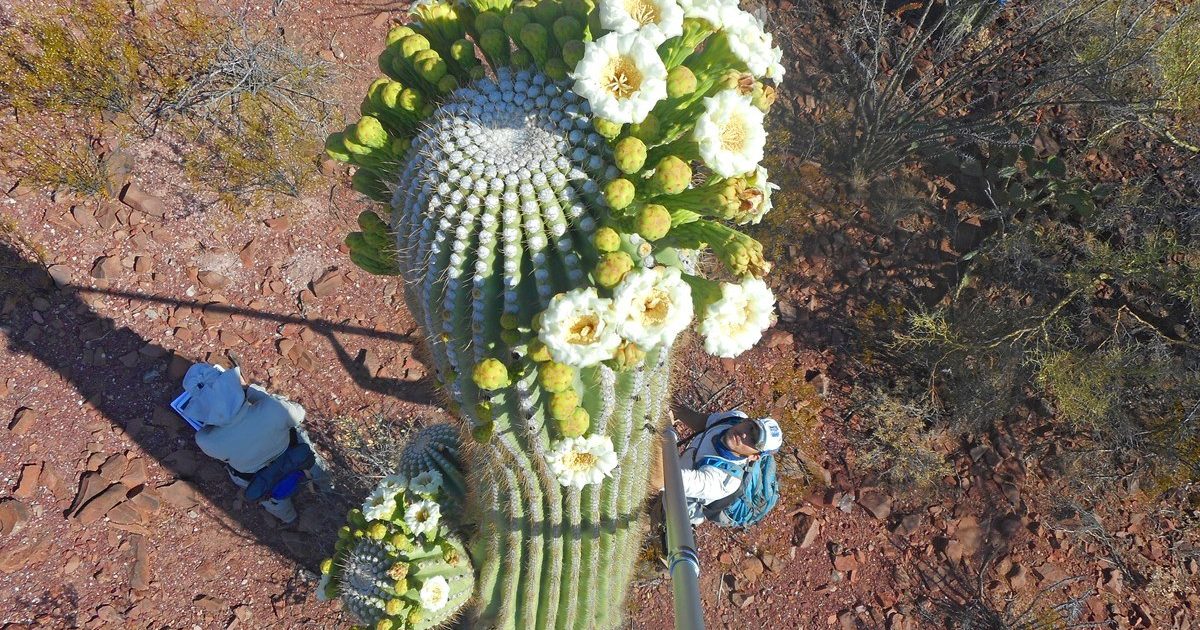
When visiting these locations, remember to practice responsible tourism: stay on marked trails, do not touch or disturb the plants, and certainly do not pick the flowers. Respecting the delicate desert ecosystem ensures that future generations of tourists can also enjoy Arizona’s iconic state flower.
Cultural Significance and Conservation Efforts
The Saguaro cactus and its delicate blossom are more than just botanical marvels; they are deeply ingrained in the cultural identity of Arizona and represent critical components of the region’s natural heritage. Understanding these dimensions enriches the tourist experience, fostering a deeper appreciation for the local culture and environment.
Indigenous Connections and Uses
For millennia, the Saguaro cactus has been a cornerstone of life for Indigenous peoples of the Sonoran Desert, particularly the Tohono O’odham nation. The cactus itself is revered, and its various parts have historically provided food, shelter, and tools. The fruit, which ripens in late June and July after the blossoms have faded, is especially significant. It’s a key food source, high in vitamin C, and is traditionally harvested using long poles. The crimson pulp is used to make syrup, jams, and even ceremonial wine. The blossoms, while not as widely consumed, contribute to the overall life cycle that sustains the plant and the ecosystem. For the Tohono O’odham, the Saguaro harvest marks the beginning of their new year, symbolizing renewal and abundance. Tourists interested in cultural immersion can explore the historical significance of the Saguaro through museums, cultural centers, and guided tours that highlight Indigenous perspectives, connecting the natural beauty of the flower to the deep human history of the region.
Protecting Arizona’s Natural Heritage
Given its iconic status and ecological importance, the Saguaro cactus is fiercely protected under Arizona state law. It is illegal to harm or remove a Saguaro cactus without a permit, and penalties are severe. This protective stance extends to its blossoms and fruit, underscoring the state’s commitment to preserving its natural heritage. Conservation efforts focus on habitat protection, scientific research to understand and mitigate threats like climate change and invasive species, and public education. When tourists visit locations like Saguaro National Park or the Desert Botanical Garden, they are directly supporting these conservation efforts through entrance fees and by adhering to park regulations. Learning about the fragile ecosystem that supports the Saguaro and its blossom provides a valuable lesson in environmental stewardship, transforming a vacation into an opportunity for impactful learning and appreciation. Responsible tourism, which includes staying on marked trails and respecting wildlife, is crucial for safeguarding these natural treasures for future generations.
Beyond the Bloom: Exploring Arizona’s Diverse Flora
While the Saguaro blossom is undoubtedly Arizona’s floral crown jewel, the Sonoran Desert and other regions of the state boast an astonishing array of plant life. For tourists fascinated by local culture and nature, delving deeper into Arizona’s botanical richness offers even more layers of discovery.
Other Desert Flowers to Discover
The spring blooming season in Arizona is a spectacular event that extends far beyond the Saguaro. Depending on rainfall, the desert floor can transform into a vibrant carpet of wildflowers from late February through April. Visitors might encounter the fiery reds and oranges of the Mexican Gold Poppy, the delicate purple of the Desert Lavender, the bright yellow of Brittlebush, and the striking magenta of Ocotillo blossoms. Many other cacti also produce stunning flowers in a kaleidoscope of colors – pinks, yellows, and oranges – each contributing to the desert’s surprising biodiversity. Exploring these floral displays adds immense value to a tourist’s itinerary, showcasing the incredible adaptability and beauty of desert life. Specific wildflower reports are often available from state parks and botanical gardens, guiding enthusiasts to the best current viewing spots.
Integrating Flora into Your Arizona Itinerary
For tourists, incorporating the appreciation of Arizona’s flora into their travel plans means more than just a passing glance. It can involve:
- Guided Botanical Tours: Many parks and gardens offer guided walks led by naturalists who can provide in-depth knowledge about the plants, their ecological roles, and their cultural significance.
- Photography Workshops: The unique light and landscapes of the desert, combined with the vibrant blossoms, offer unparalleled opportunities for nature photography. Local tours often cater to photographers during peak bloom.
- Art and Craft Markets: Local artists are often inspired by the desert flora, and visitors can find unique souvenirs and artworks that reflect the beauty of the Saguaro blossom and other plants. This provides a tangible connection to the local culture.
- Educational Centers: Beyond the Desert Botanical Garden, smaller interpretive centers across the state offer insights into desert ecology, helping tourists understand the intricate web of life that makes the desert thrive.
By deliberately seeking out and engaging with Arizona’s plant life, visitors gain a richer, more nuanced understanding of this remarkable state. The Saguaro cactus blossom, while serving as the state’s official flower, is truly a gateway to discovering the hidden depths and vibrant soul of the Sonoran Desert and its enduring local culture. It’s an essential part of the Arizona experience, inviting travelers to look closer and appreciate the profound beauty that flourishes in unexpected places.
LifeOutOfTheBox is a participant in the Amazon Services LLC Associates Program, an affiliate advertising program designed to provide a means for sites to earn advertising fees by advertising and linking to Amazon.com. Amazon, the Amazon logo, AmazonSupply, and the AmazonSupply logo are trademarks of Amazon.com, Inc. or its affiliates. As an Amazon Associate we earn affiliate commissions from qualifying purchases.