
The Sunshine State, with its diverse ecosystems ranging from the vibrant coral reefs of the Florida Keys to the unique wetlands of the Everglades, attracts a significant number of tourists year-round. This influx of visitors, coupled with a robust year-round resident population, fuels a substantial demand for veterinary services. From routine check-ups for beloved family pets to specialized care for exotic animals housed in the state’s many zoological facilities and wildlife sanctuaries, the veterinary profession plays a crucial role in maintaining the health and well-being of both domestic and wild populations across Florida. Understanding the earning potential for veterinarians within this dynamic state offers valuable insight for aspiring veterinary professionals and those considering relocation.

Factors Influencing Veterinary Salaries in Florida
The compensation for veterinarians in Florida is a complex equation influenced by a variety of factors, each contributing to the overall earning landscape. These variables range from the specific type of practice and geographic location to the veterinarian’s level of experience and any specialized training they may possess. A thorough understanding of these elements is essential for accurately assessing potential income.
Practice Type and Specialization
The type of veterinary practice a professional chooses significantly impacts their earning potential. General practice veterinarians, often found in small animal clinics catering to dogs and cats, typically earn a solid, steady income. However, those who venture into specialized fields can often command higher salaries.
- Small Animal Practice: The most common form of veterinary practice, focusing on companion animals. While competitive, the demand in densely populated areas like Miami or Orlando ensures consistent work.
- Large Animal Practice: Veterinarians serving livestock, such as cattle or horses, may find opportunities in more rural parts of Florida, where agriculture is prevalent. Compensation can vary based on the types of animals served and the size of the operations.
- Emergency and Critical Care: These veterinarians often work irregular hours, including nights and weekends, and deal with high-stress situations. Their specialized skills and dedication to immediate patient care are typically reflected in higher pay scales.
- Specialists: Veterinarians who have completed advanced residency training and are board-certified in areas like surgery, internal medicine, cardiology, oncology, or dermatology are in high demand. Their expertise allows them to tackle complex cases, often referred by general practitioners, and thus command premium salaries. For instance, a veterinary surgeon in Tampa performing intricate orthopedic procedures might earn considerably more than a general practitioner.
- Zoological and Wildlife Medicine: Florida boasts numerous theme parks, zoos, and wildlife rehabilitation centers, such as Busch Gardens Tampa Bay or the Miami Zoo. These institutions require veterinarians with specialized knowledge of exotic and wild animals. Salaries in these roles can be competitive, often influenced by the size and funding of the institution.
- Research and Academia: Veterinary professionals contributing to research or teaching at universities like the University of Florida may have different compensation structures, often including benefits and the opportunity for academic advancement.
Geographic Location
The cost of living and the concentration of veterinary practices vary significantly across Florida, directly impacting salary ranges.
- Metropolitan Areas: Major cities like Jacksonville, Tampa, Orlando, and Miami tend to offer higher average salaries due to a greater demand for veterinary services, a higher cost of living, and a larger number of practices, including specialized referral centers. The sheer volume of pet owners in these urban hubs creates a robust market.
- Suburban and Rural Areas: While salaries might be slightly lower on average in more rural or less populated suburban areas, the cost of living can also be significantly reduced, potentially offsetting the difference in take-home pay. In some agricultural regions, there might be a higher demand for large animal veterinarians.
- Tourist Hotspots: Areas heavily reliant on tourism, such as Key West or parts of the coast, may also see competitive salaries due to the transient population and the demand for care for pets accompanying visitors.
Experience Level
As with most professions, a veterinarian’s salary typically increases with their years of experience.
- Entry-Level Veterinarians (0-3 years): New graduates entering the workforce will generally command entry-level salaries. These positions are often focused on building foundational skills and gaining practical experience under the guidance of senior veterinarians.
- Mid-Career Veterinarians (3-10 years): With several years of experience, veterinarians often take on more responsibility, potentially managing aspects of a practice or handling more complex cases. Their earning potential sees a noticeable increase during this phase.
- Experienced/Senior Veterinarians (10+ years): Highly experienced veterinarians, especially those who have become practice owners, specialists, or leaders in their field, can expect to earn significantly more. Practice ownership, in particular, offers the potential for higher earnings but also comes with the responsibilities of business management.
Additional Qualifications and Skills
Beyond formal education and experience, certain additional qualifications and skills can enhance a veterinarian’s earning capacity in Florida.
- Board Certification: As mentioned earlier, achieving board certification in a specialty is a significant factor.
- Continuing Education and Advanced Training: Participation in ongoing workshops, seminars, and advanced training programs demonstrates a commitment to staying current with veterinary medicine’s latest advancements, making a veterinarian more valuable.
- Surgical Skills: Proficiency in advanced surgical techniques can differentiate a veterinarian, particularly in small animal practices that handle orthopedic or soft tissue surgeries.
- Diagnostic Imaging Proficiency: Expertise in ultrasonography, radiography, and CT/MRI interpretation is highly sought after.
- Business Management Skills: For those aspiring to practice ownership or leadership roles, strong business acumen, including financial management, marketing, and staff supervision, is invaluable.
- Client Communication and Relationship Building: The ability to effectively communicate with clients, build trust, and provide compassionate care is fundamental and contributes to client retention and practice success.
Average Veterinary Salaries in Florida
Pinpointing an exact average salary for veterinarians in Florida is challenging due to the wide array of influencing factors. However, industry data and salary surveys provide a useful range.
General Salary Ranges
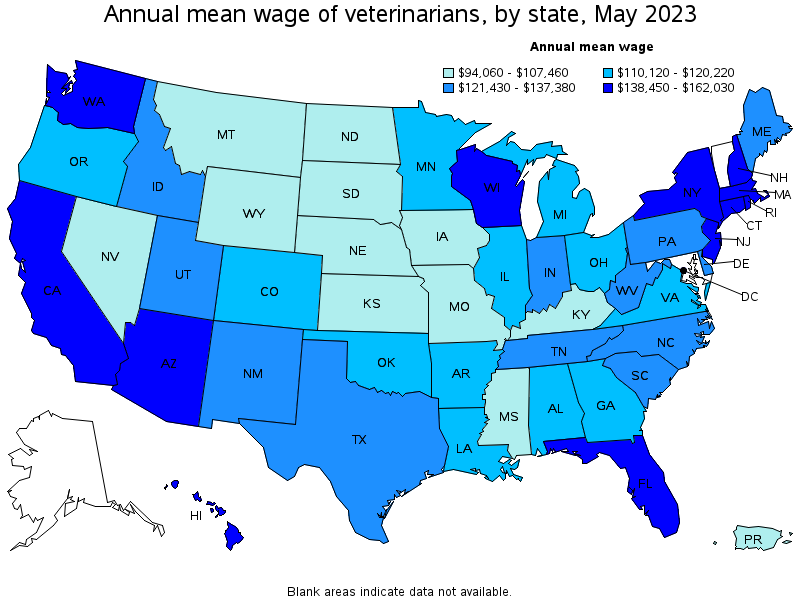
According to various sources that track veterinary compensation, the average annual salary for a veterinarian in Florida can range from approximately $90,000 to $150,000+.
- Entry-Level: A veterinarian fresh out of veterinary school might expect to earn in the range of $75,000 to $95,000 annually. This figure can vary based on the location and type of practice. For instance, an entry-level position at a large referral hospital in Miami might offer a higher starting salary than a position in a smaller town.
- Mid-Career: Veterinarians with 5-10 years of experience could see their salaries climb into the $100,000 to $130,000 range. At this stage, they might be taking on more responsibilities, such as supervising junior staff or managing specific departments within a clinic.
- Experienced Professionals and Specialists: Highly experienced veterinarians, particularly those who are specialists or practice owners, can earn upwards of $150,000, with some reaching $200,000 or more, especially if they own a successful practice or hold a leadership position at a large veterinary hospital.
Salary Comparisons by Practice Type
The type of practice often dictates where a veterinarian falls within the salary spectrum.
- Small Animal General Practice: This is the most common sector. Salaries here tend to be competitive, with averages often falling within the $90,000 to $120,000 range, depending on location and experience.
- Emergency and Critical Care: These roles frequently offer higher compensation, often in the $110,000 to $140,000+ range, reflecting the demanding nature of the work and the specialized skills required.
- Specialists: Board-certified specialists are among the highest earners. Their salaries can easily start at $120,000 and go well over $180,000, particularly for those in high-demand fields like surgery or oncology.
- Large Animal Practice: Salaries in this sector can be more variable, influenced by the agricultural economy and the specific needs of the region. Averages might fall between $85,000 and $115,000.
- Zoological/Wildlife: While not always the highest paying, these positions offer unique career paths. Salaries can range from $80,000 to $130,000+, depending on the institution and the veterinarian’s level of responsibility.
The Impact of Benefits
It’s important to note that reported salaries often represent base pay. The total compensation package for veterinarians in Florida typically includes a range of benefits that add significant value. These can include:
- Health, Dental, and Vision Insurance: Comprehensive medical coverage is standard.
- Retirement Plans: 401(k) or similar retirement savings plans, often with employer matching contributions.
- Paid Time Off: Vacation days, sick leave, and paid holidays.
- Continuing Education Allowance: Funding for professional development, conferences, and workshops.
- Liability Insurance: Professional liability coverage is essential.
- Potential for Bonuses or Profit Sharing: Especially in private practices, performance-based bonuses or profit-sharing arrangements can boost overall earnings.
Career Outlook for Veterinarians in Florida
The demand for veterinary services in Florida is projected to remain strong, ensuring a positive career outlook for qualified professionals. The state’s growing human population, increasing pet ownership rates, and ongoing advancements in veterinary medicine all contribute to this sustained demand.
Growing Pet Population and Humanization of Pets
Florida consistently ranks among the states with high pet ownership. As more households welcome pets, the need for routine care, preventative medicine, and specialized treatments escalates. The trend of “pet humanization,” where pets are increasingly viewed as integral family members, also drives demand for advanced veterinary care, including diagnostics, surgery, and specialized treatments, similar to human healthcare. This trend is particularly evident in affluent areas and major metropolitan centers.
Advancements in Veterinary Medicine
Just as in human medicine, veterinary science is continuously evolving. New diagnostic tools, treatment modalities, and pharmaceuticals are regularly introduced, leading to improved patient outcomes and a greater capacity to treat previously untreatable conditions. Veterinarians who embrace these advancements and seek specialized training are well-positioned for success and higher earning potential. The availability of sophisticated imaging equipment, advanced surgical techniques, and cutting-edge therapies means that more complex cases can be managed effectively, increasing the need for skilled professionals.
Opportunities Beyond Traditional Practice
While private practice remains the dominant career path, veterinarians in Florida have a diverse range of employment opportunities.
- Veterinary Hospitals and Clinics: From solo practitioners to large, multi-specialty referral centers like BluePearl Pet Hospital in various locations, these offer varied roles.
- Zoological Parks and Aquariums: Institutions like SeaWorld Orlando employ veterinarians to care for their animal collections.
- Wildlife Rehabilitation Centers: These organizations often rely on dedicated veterinarians for the care of injured or orphaned wild animals.
- Government Agencies: Positions within agencies like the Florida Fish and Wildlife Conservation Commission or the U.S. Department of Agriculture (USDA) involve public health, regulatory oversight, and wildlife disease surveillance.
- Pharmaceutical and Pet Food Industries: Roles in research and development, technical services, or sales within these sectors are also available.
- Academia: Universities, such as the University of Florida College of Veterinary Medicine, offer opportunities for teaching, research, and clinical practice.
- Telemedicine: The burgeoning field of veterinary telemedicine offers new avenues for providing consultations and advice remotely, though it is still an evolving area for veterinarians.

Conclusion: A Rewarding Career in the Sunshine State
The veterinary profession in Florida offers a compelling blend of fulfilling work, diverse opportunities, and competitive financial rewards. While salaries vary based on specialization, experience, and location, veterinarians in the Sunshine State can expect a comfortable living, with significant potential for growth and advancement. The intrinsic reward of caring for animals, coupled with the economic stability and professional respect afforded to veterinarians, makes Florida an attractive destination for those passionate about animal health and welfare. The state’s vibrant economy, growing population, and dedication to preserving its natural beauty and diverse animal life ensure that skilled and dedicated veterinarians will continue to be an indispensable part of the community. Whether one chooses to practice in the bustling urban centers or the serene rural landscapes, the career path of a veterinarian in Florida promises both professional satisfaction and financial security.
LifeOutOfTheBox is a participant in the Amazon Services LLC Associates Program, an affiliate advertising program designed to provide a means for sites to earn advertising fees by advertising and linking to Amazon.com. Amazon, the Amazon logo, AmazonSupply, and the AmazonSupply logo are trademarks of Amazon.com, Inc. or its affiliates. As an Amazon Associate we earn affiliate commissions from qualifying purchases.