
Navigating a period of unemployment can significantly impact one’s lifestyle, particularly in a state as vibrant and diverse as California. For many, this transition isn’t just about financial security; it’s about reassessing priorities, exploring new opportunities, or even considering a temporary relocation within the state. Understanding the unemployment benefits available in California is crucial for anyone looking to maintain a degree of lifestyle stability, manage budget-conscious travel, or facilitate a long-term stay while between professional engagements. This guide delves into the specifics of California’s unemployment insurance, framing it within the context of lifestyle planning during a career shift.
Understanding California Unemployment Insurance (UI) for Lifestyle Transitions
Unemployment Insurance (UI) in California provides temporary financial assistance to eligible workers who have lost their jobs through no fault of their own. For individuals embracing a flexible lifestyle or those considering a period of career redirection, these benefits can serve as a vital financial bridge. Rather than being seen solely as a safety net, UI can be a tool to support a planned transition, allowing for careful budgeting, skill development, or even a strategic temporary move within the state.
Eligibility Requirements and Application Process
Before you can plan your California lifestyle around UI benefits, it’s essential to understand the eligibility criteria. To qualify, you generally must have:
- Earned sufficient wages: Your past earnings during a “base period” determine if you qualify and the amount of benefits you can receive. This base period typically covers the first four of the last five completed calendar quarters before you filed your claim.
- Be unemployed or working reduced hours: Your unemployment must be through no fault of your own (e.g., layoff, reduction in force). If you quit voluntarily or were fired for misconduct, you might not be eligible.
- Be able and available for work: This is a crucial lifestyle consideration. While receiving UI, you must be physically and mentally capable of working and actively seeking new employment. This doesn’t preclude a temporary change of scenery, but it means you must remain accessible for job interviews and committed to your job search.
- Register for work: You typically need to register for work with CalJOBS, the state’s online job search system, unless otherwise exempt.
The application process is managed by the California Employment Development Department (EDD). You can file a claim online, by phone, or by mail. The initial application requires detailed information about your work history, earnings, and the reason for your unemployment. Once filed, the EDD will review your claim and determine your eligibility and weekly benefit amount. Maintaining consistent communication with the EDD and accurately certifying for benefits every two weeks are critical steps to ensure uninterrupted support for your planned lifestyle.
Maximizing Your Benefits: A Foundation for Budget-Conscious Living
Understanding “how much” you get is paramount for anyone planning their financial landscape during a period of unemployment, especially if it involves maintaining a specific lifestyle or exploring California’s diverse regions. The exact amount varies significantly based on individual earnings, but there are clear parameters.
Calculating Your Weekly Benefit Amount (WBA)
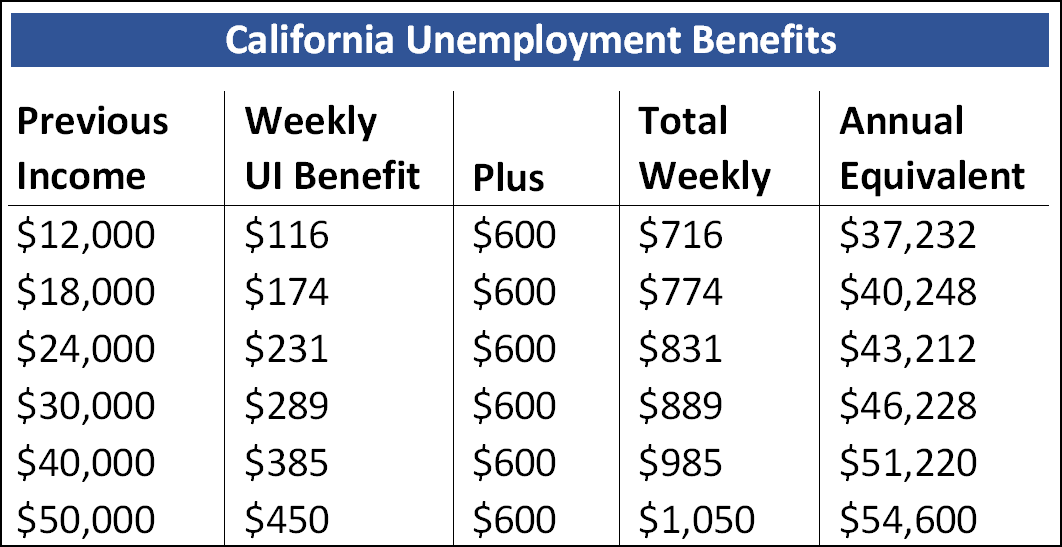
In California, your Weekly Benefit Amount (WBA) is determined by your wages earned during your base period. As of recent updates, the WBA in California typically ranges from a minimum of $40 to a maximum of $450 per week.
The EDD calculates your WBA by taking your highest-earning quarter in your base period and dividing it by 26, up to the maximum weekly amount. For example, if your highest quarter’s earnings were $11,700, your WBA would be approximately $450 ($11,700 / 26 = $450). Conversely, if your highest quarter’s earnings were lower, your WBA would reflect that, ensuring a minimum of $40 per week.
This amount is disbursed every two weeks, meaning you would receive double your WBA every other week. While $450 per week may seem modest, especially in high-cost areas like San Francisco or Los Angeles, it forms a foundational income stream that, when combined with careful budgeting, can support a temporary, more budget-conscious lifestyle or even facilitate a long-term stay in more affordable parts of California.
Duration of Benefits: Planning Your California Stay
Standard UI benefits in California are typically paid for up to 26 weeks within a one-year benefit period. This 26-week duration provides a substantial window for individuals to re-evaluate their career paths, undergo short-term training, or pursue specific lifestyle goals such as an extended stay in a new California city.
However, it’s important to note that extended benefits may become available during periods of high unemployment, as seen during economic downturns. These extensions, often federally funded, can significantly prolong the duration of assistance, offering greater flexibility for long-term planning. Regardless of potential extensions, planning your lifestyle and job search within the initial 26-week framework is a prudent approach. This fixed period encourages focused effort on re-employment while providing enough time to enjoy a change of pace or location if desired, within a responsible financial plan.
Crafting a Budget for a California Lifestyle on Unemployment
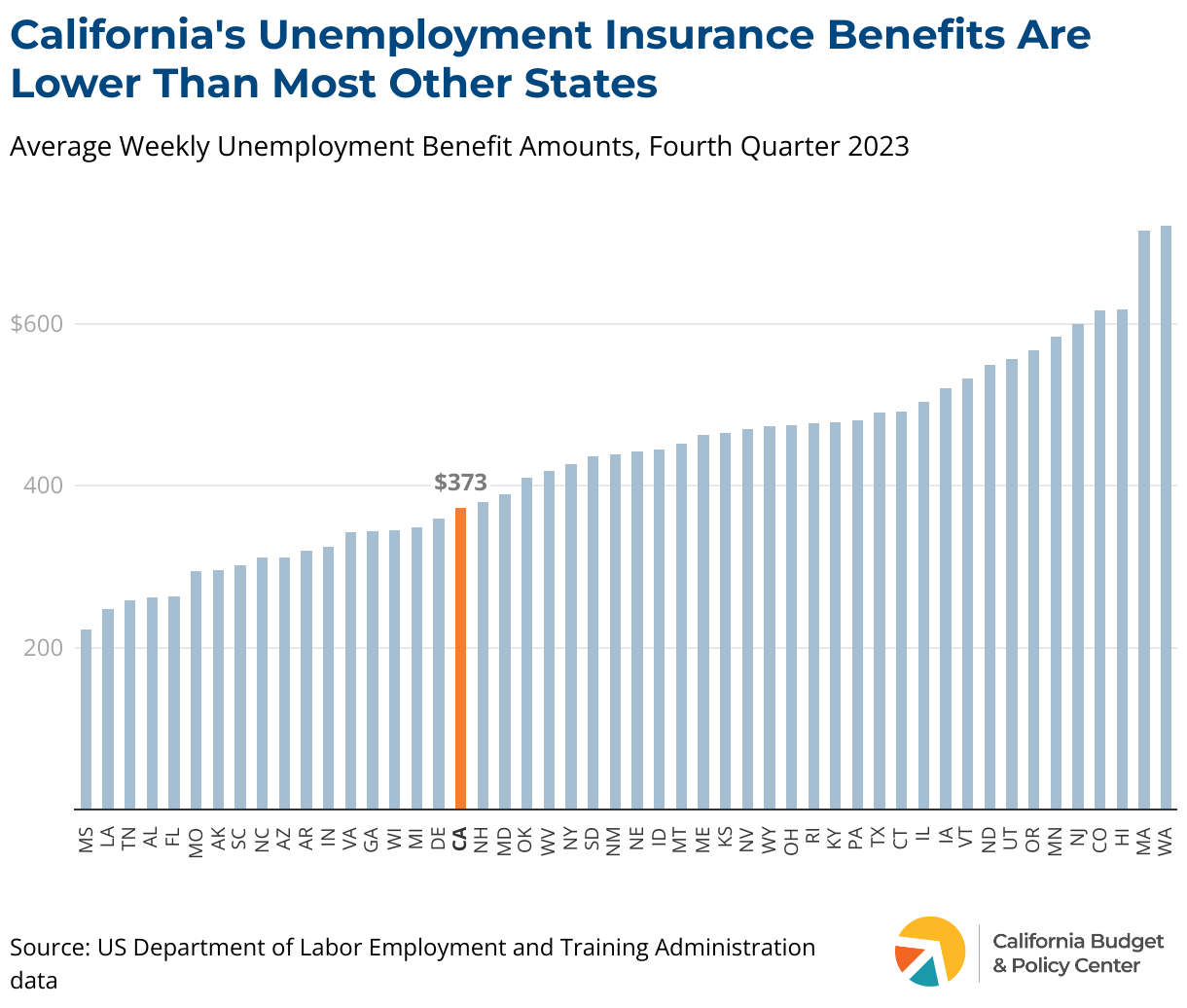
Living in California on unemployment benefits requires strategic financial planning, especially if you aim to maintain a desired lifestyle or embark on budget-conscious exploration. The maximum weekly benefit of $450 translates to approximately $1,800 per month, an amount that necessitates careful allocation to cover essentials and still allow for some flexibility.
Essential Expenses vs. Lifestyle Choices
Your first priority should be to cover essential expenses:
- Housing: This is often the largest expense in California. If you’re considering a temporary relocation, looking at more affordable cities outside major metropolitan areas like San Diego or Sacramento might be wise. Room rentals, extended-stay motels, or even house-sitting opportunities can drastically reduce costs compared to traditional apartment leases.
- Food: Cooking at home, meal planning, and taking advantage of farmers’ markets can significantly cut down food costs.
- Transportation: Relying on public transit, cycling, or ride-sharing services instead of owning a car can be a substantial saving, especially in cities with good infrastructure.
- Utilities & Health Insurance: Factor in these fixed costs, exploring state subsidies or marketplace options for health coverage if you’ve lost employer-sponsored benefits.
Once essentials are covered, any remaining funds can be strategically allocated to lifestyle choices. This might mean enjoying [California](https://lifeoutofthebox.com/california]’s natural beauty with free activities like hiking in national parks, visiting beaches, or exploring local parks. A small budget can still allow for enriching experiences without overspending.
Exploring California on a Shoestring Budget
California offers an incredible array of experiences that don’t require deep pockets. For those using unemployment as a period for introspection or low-cost exploration, consider:
- Free Attractions: Many of California’s most iconic attractions, like the beaches of Santa Monica, the trails in Redwood National Park, or walking across the Golden Gate Bridge, are entirely free to enjoy. Museums often have free days or discounted entry options.
- Camping & Nature: Instead of hotels, consider camping in state parks or national forests for a fraction of the cost. This allows you to immerse yourself in California’s stunning landscapes.
- Local Events: Many communities host free festivals, concerts, and cultural events throughout the year. Checking local calendars can uncover unique, budget-friendly entertainment.
- Food Truck Culture & Picnics: Embrace California’s diverse food truck scene for affordable, gourmet meals, or pack picnics to enjoy in scenic spots.
By meticulously tracking expenses and prioritizing experiences that offer high value without high costs, you can still enjoy a fulfilling California lifestyle during your unemployment period.
The Role of Unemployment in Lifestyle Design and Relocation
Unemployment, while challenging, can also present a unique opportunity to redesign your lifestyle, especially if you’ve been contemplating a change of scenery within California or a shift in professional direction. The temporary financial cushion provided by UI benefits can enable a more strategic and less rushed transition.
Temporary Relocation: Leveraging Benefits for New Beginnings
For many, a period of unemployment might be the catalyst to explore new living environments within California. Perhaps you’ve dreamt of living closer to the ocean in San Luis Obispo, experiencing the vibrant arts scene in Oakland, or finding solace in the mountains near Lake Tahoe. UI benefits can make a temporary relocation more feasible by covering basic living expenses while you scout new job markets, explore different communities, or simply enjoy a change of pace.
This temporary move can be particularly beneficial for career development. If your industry is concentrated in a specific California city, relocating there temporarily can provide easier access to networking events, industry contacts, and potential employers. It allows you to ‘try before you buy’ a new city, ensuring it aligns with your long-term lifestyle and career goals without the immediate pressure of finding a high-paying job. Remember, however, that you must remain actively engaged in your job search, regardless of your temporary location.
Pursuing Passion Projects or Skill Development in California
The flexibility offered by unemployment benefits can also be leveraged for personal and professional growth. If you have a passion project that requires dedicated time, or if you need to acquire new skills to pivot your career, this period can be invaluable. Many community colleges and online platforms in California offer affordable or even free courses that can enhance your resume and open doors to new opportunities.
Consider exploring:
- Online Certifications: Platforms offer courses in digital marketing, coding, project management, and more.
- Volunteer Opportunities: Gaining new experience or networking in a different sector can be achieved through volunteering, often providing a sense of purpose and community connection.
- Creative Pursuits: If your lifestyle allows, dedicate time to writing, art, music, or other creative endeavors that can enrich your life and potentially lead to future income streams.
By viewing unemployment not merely as a pause but as an active phase in your lifestyle design, the financial support from California’s UI program can be a powerful enabler. It provides the breathing room to make intentional choices about where you live, what you learn, and how you shape your next professional chapter, all while exploring the unique opportunities that California has to offer.
LifeOutOfTheBox is a participant in the Amazon Services LLC Associates Program, an affiliate advertising program designed to provide a means for sites to earn advertising fees by advertising and linking to Amazon.com. Amazon, the Amazon logo, AmazonSupply, and the AmazonSupply logo are trademarks of Amazon.com, Inc. or its affiliates. As an Amazon Associate we earn affiliate commissions from qualifying purchases.