
Understanding the Arizona Food Handler Card Requirement
Navigating the nuances of local regulations is a crucial tip for anyone engaging with a new area, particularly within the hospitality and food service sectors. In Arizona, maintaining high standards of food safety is paramount, both for public health and for the reputation of its vibrant culinary scene. This commitment is underscored by the requirement for a Food Handler Card, a certification that demonstrates an individual’s understanding of essential food safety practices. While Arizona does not have a statewide mandate for a food handler card for all food service employees, many individual counties and cities within the state have implemented their own regulations, making it essential to understand the local landscape.
Who Needs a Food Handler Card in Arizona?
Generally, a Food Handler Card is required for any individual involved in the preparation, storage, or serving of unpackaged food, as well as those who come into contact with food preparation surfaces or utensils. This includes a broad spectrum of roles, from chefs and cooks to waitstaff, dishwashers, and food truck operators. The specific requirements can vary significantly depending on the county or municipality. For instance, Maricopa County, which includes Phoenix, explicitly requires food handler cards for many employees. Similarly, Pima County, home to Tucson, and Coconino County, encompassing Flagstaff, also have robust programs. If you are considering working in food service in Arizona, it is prudent to check the specific regulations of the county or city where the establishment is located.
Why is it Important?
The Food Handler Card serves several critical purposes. Firstly, it ensures that food service professionals possess fundamental knowledge of foodborne illness prevention, cross-contamination, proper hygiene, temperature control, and sanitization. This knowledge directly contributes to public health and safety by reducing the risk of outbreaks. Secondly, for businesses, having certified staff not only fulfills legal requirements but also enhances their reputation for safety and quality. It instills confidence in patrons, which is vital in a competitive tourism and hospitality market. Finally, for individuals, obtaining this card demonstrates professionalism and a commitment to industry best practices, making them more marketable in Arizona’s bustling food sector.
State vs. County Regulations
As noted, Arizona operates under a decentralized system when it comes to food handler card mandates. While the Arizona Department of Health Services sets general food safety standards, the enforcement and specific requirements for food handler certification often fall to local county health departments. This means that a card obtained in one county might not be automatically recognized in another, although many programs are based on similar principles. It is crucial for prospective food service workers to identify their specific county of employment and consult that county’s health department website for the most accurate and up-to-date information. Common counties with their own food handler card requirements include Maricopa County, Pima County, Coconino County, and Yuma County.
Step-by-Step Guide to Obtaining Your Card
Acquiring an Arizona Food Handler Card is a straightforward process designed to be accessible and efficient. Understanding each stage will help you navigate the requirements successfully and integrate quickly into the local food service economy.
Choose an Approved Training Program
The first step is to select an accredited or approved food handler training program. Many counties require the program to be accredited by the American National Standards Institute (ANSI) or specifically approved by their local health department. Several reputable online providers offer courses tailored to Arizona regulations. These online courses offer flexibility, allowing individuals to complete the training at their own pace and convenience. Before enrolling, always confirm that the chosen program is recognized by the county where you intend to work. A quick check on the county health department’s website will usually list approved providers.
Complete the Training Course
Once you have selected your program, you will proceed with the training course. These courses typically cover a range of critical food safety topics, presented through modules, videos, and interactive exercises. Key areas of focus include:
- Personal Hygiene: Emphasizing handwashing, proper attire, and health policies.
- Time and Temperature Control: Understanding safe cooking, holding, cooling, and reheating temperatures for various foods.
- Preventing Cross-Contamination: Methods to avoid transferring pathogens from one food item or surface to another.
- Cleaning and Sanitization: Protocols for maintaining a clean and sanitary food preparation environment.
- Foodborne Illnesses: Identification of common foodborne pathogens and symptoms.
The training is designed to be comprehensive, ensuring participants grasp the essential principles necessary to handle food safely and responsibly.
Pass the Certification Exam
After completing the training modules, you will be required to take a certification exam. This exam assesses your understanding of the course material. Most online programs provide practice quizzes to help prepare you for the final test. The exam usually consists of multiple-choice questions, and a passing score (typically around 70-75%) is required to obtain your card. If you do not pass on the first attempt, most providers offer a retake option, sometimes after a short waiting period or a review of specific modules.
Receive and Present Your Card
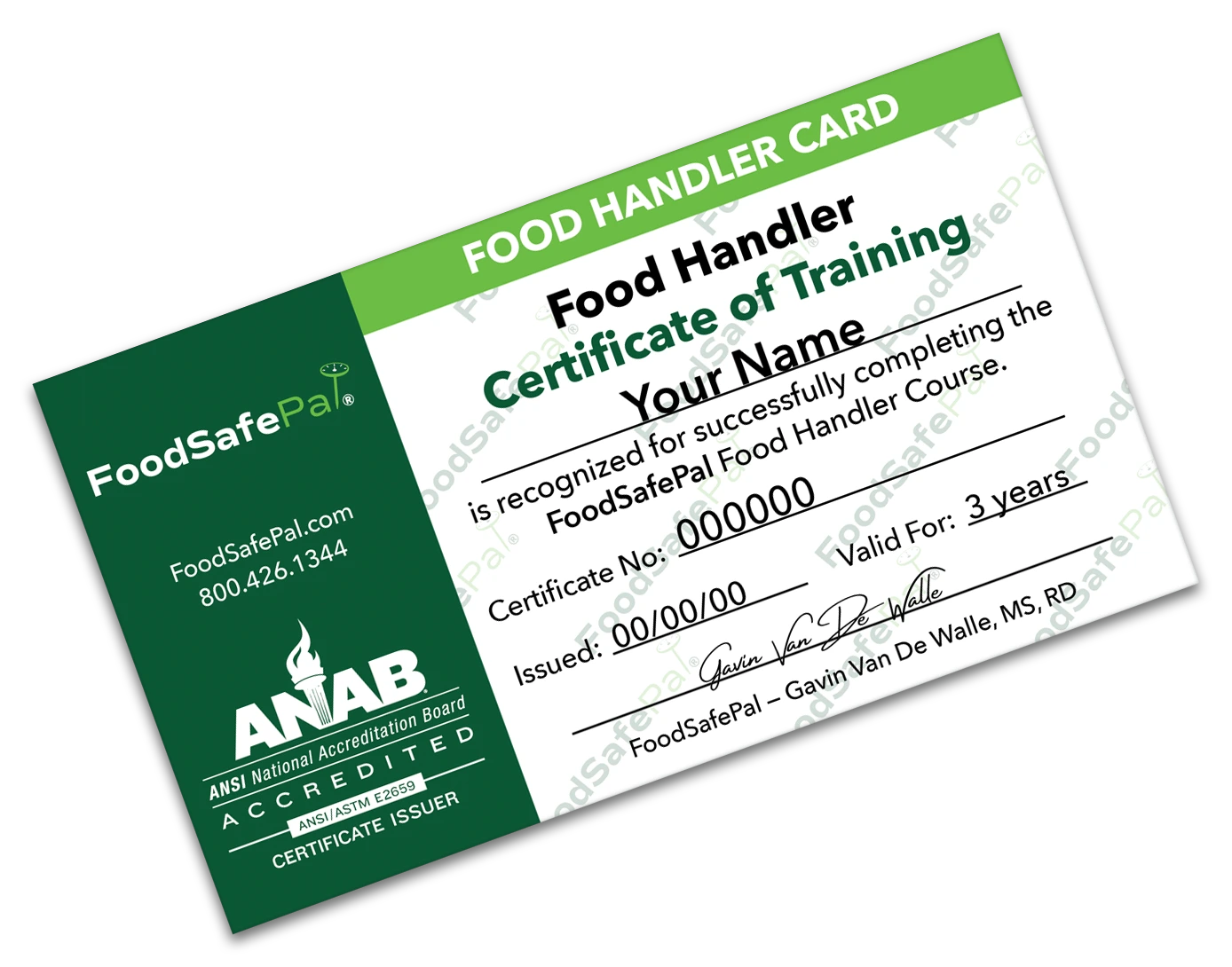
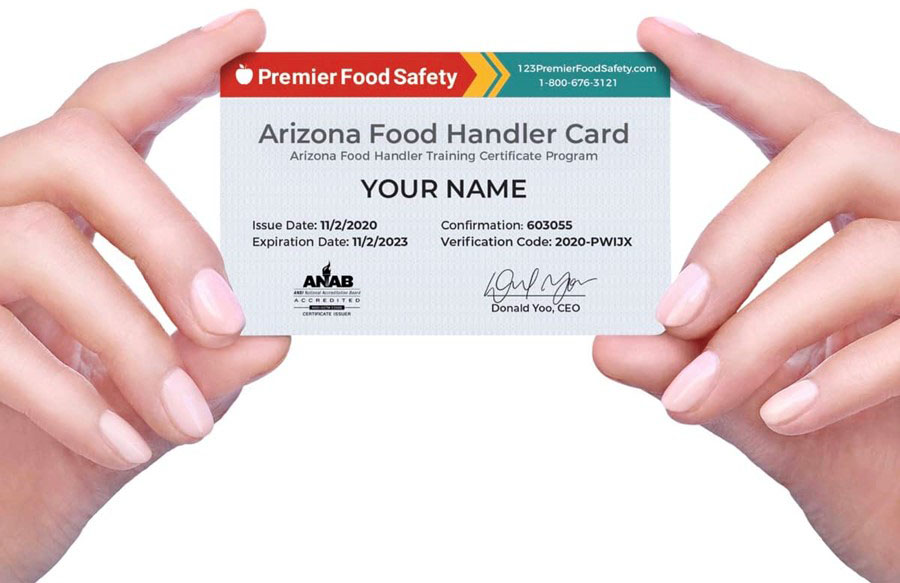
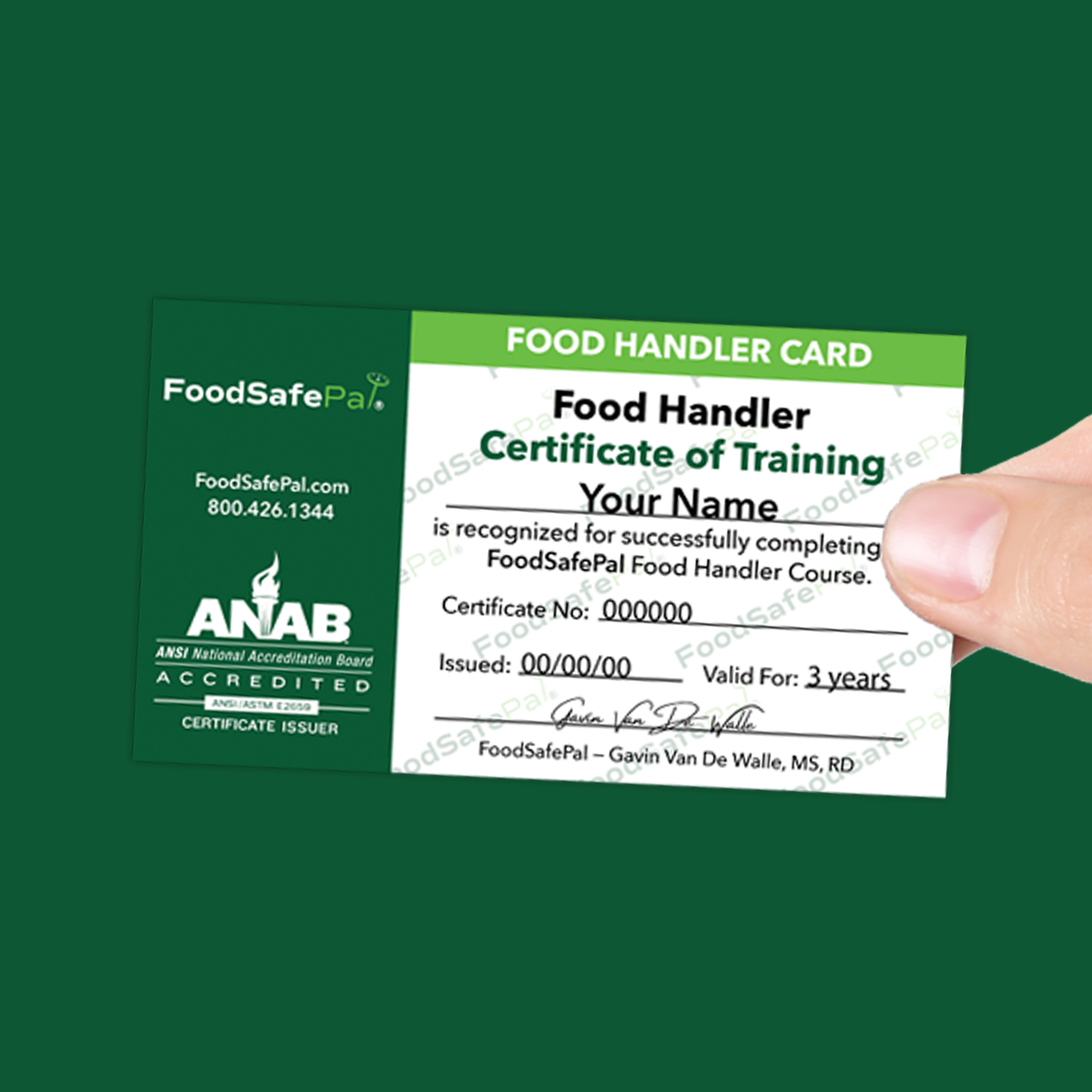
Upon successfully passing the exam, you will be issued a Food Handler Card or Certificate. This is often available for immediate download and printing, though some providers may also mail a physical card. It is crucial to keep this card readily accessible, as your employer or a health inspector may request to see it at any time. The card typically includes your name, the date of issuance, and an expiration date. Ensure all information is accurate. This card is your official proof of certification and is a mandatory document for many food service roles in Arizona.
Key Information and Best Practices
Securing your Food Handler Card is a vital step, but understanding its context, longevity, and financial implications, along with upholding ongoing food safety standards, offers a holistic approach to thriving in Arizona’s culinary landscape.
Course Content Overview
Beyond the basic points, food handler courses delve into practical scenarios and the scientific principles behind food safety. You’ll learn about the “danger zone” for bacterial growth (41°F to 135°F), the importance of separating raw and cooked foods, and effective pest control measures. Understanding allergic reactions and proper allergen management is also a growing component of these courses, reflecting increasing awareness in the industry. The emphasis is on proactive prevention rather than reactive measures, equipping food handlers with the knowledge to identify and mitigate risks before they escalate. This detailed instruction ensures that food prepared in Arizona meets stringent health and safety criteria, contributing to positive experiences for both residents and visitors exploring the local food scene.
Validity and Renewal
An Arizona Food Handler Card typically has a validity period of two to three years, depending on the issuing county or program. It is not a one-time certification; continuous education and renewal are essential to ensure that food handlers remain current with the latest food safety guidelines and regulations. You will need to retake an approved training course and pass the exam before your card expires to maintain your certification. Employers often keep track of employee certifications and may remind you when renewal is due. Proactive renewal avoids any lapse in certification, which could temporarily prevent you from working in food service.
Cost Considerations
The cost of obtaining a Food Handler Card is generally quite affordable, typically ranging from $10 to $20 for online courses and exams. Some employers may cover this cost as part of their onboarding process, recognizing it as an investment in staff training and compliance. It is advisable to clarify with your prospective employer whether they will reimburse or directly pay for the certification. While a minor expense, it is a necessary one for legal compliance and professional practice within Arizona’s food industry. Be wary of significantly higher-priced courses, as many reputable and approved providers offer competitive rates.
Maintaining Food Safety Standards
Obtaining the card is just the beginning. The true value lies in consistently applying the learned principles in daily practice. This includes rigorous adherence to personal hygiene, meticulous attention to food temperatures, proper storage, and diligent cleaning. Food service establishments in Arizona are subject to periodic inspections by county health departments, and a significant component of these inspections involves observing employee practices and verifying certifications. By consistently upholding high food safety standards, you not only protect consumers but also contribute to a culture of excellence in the local culinary sector. This commitment is particularly important in regions like Arizona, where tourism heavily relies on positive and safe experiences.
Beyond the Card: Embracing Arizona’s Culinary Scene
Securing your Food Handler Card is more than just a regulatory hurdle; it’s an entry point into Arizona’s rich and diverse culinary world. Understanding the local food culture and the opportunities within the hospitality sector provides context for why these certifications are so crucial.
Impact on Local Food Culture
Arizona’s food scene is a vibrant fusion of Southwestern, Mexican, Native American, and contemporary influences. From the award-winning restaurants of Phoenix and Tucson to the charming eateries in smaller towns like Flagstaff, the state offers a wide array of dining experiences. The consistent application of food safety standards by certified food handlers ensures that these culinary delights can be enjoyed with confidence. This professionalism enhances the reputation of Arizona as a destination that cares deeply about the well-being of its residents and visitors, making its local food culture not only delicious but also trustworthy.
Opportunities in Arizona’s Hospitality Sector
Arizona’s tourism and hospitality sector is a significant economic driver, constantly seeking skilled and compliant professionals. Resorts, hotels, restaurants, cafes, and event venues across the state frequently look for individuals with valid Food Handler Cards. Possessing this certification immediately qualifies you for a range of positions and demonstrates your commitment to professional standards. It can open doors to exciting career paths, from working in a high-end resort kitchen in Scottsdale to contributing to the farm-to-table movement in Sedona, each requiring a foundational understanding of food safety.
Connecting with Arizona’s Unique Flavors
With your Food Handler Card in hand, you are not just an employee; you become a guardian of public health and an integral part of delivering memorable dining experiences. This knowledge empowers you to work confidently with Arizona’s unique ingredients – from locally sourced chilies and fresh produce to the state’s burgeoning wine industry. By ensuring the safety of preparation, you directly contribute to preserving the integrity and enjoyment of these distinct local flavors, allowing both residents and tourists to fully immerse themselves in the authentic taste of Arizona. It’s a vital tip for anyone looking to make a meaningful contribution to, and benefit from, the state’s dynamic food landscape.
LifeOutOfTheBox is a participant in the Amazon Services LLC Associates Program, an affiliate advertising program designed to provide a means for sites to earn advertising fees by advertising and linking to Amazon.com. Amazon, the Amazon logo, AmazonSupply, and the AmazonSupply logo are trademarks of Amazon.com, Inc. or its affiliates. As an Amazon Associate we earn affiliate commissions from qualifying purchases.