
Understanding the financial landscape of disability benefits in California is a critical starting point for anyone navigating life with a disability in the Golden State. While the primary purpose of these benefits is to provide essential living support, their amount directly influences an individual’s lifestyle choices, including the pursuit of travel and leisure experiences. For those looking to explore the diverse landscapes, vibrant cities, and rich culture of California, knowing the potential financial parameters is key to planning accessible, enjoyable, and budget-friendly adventures. This article delves into how disability benefits in California shape the travel lifestyle, offering insights into budgeting, accessible destinations, and resources for making travel a reality.
Navigating Disability Benefits and Travel Aspirations in the Golden State
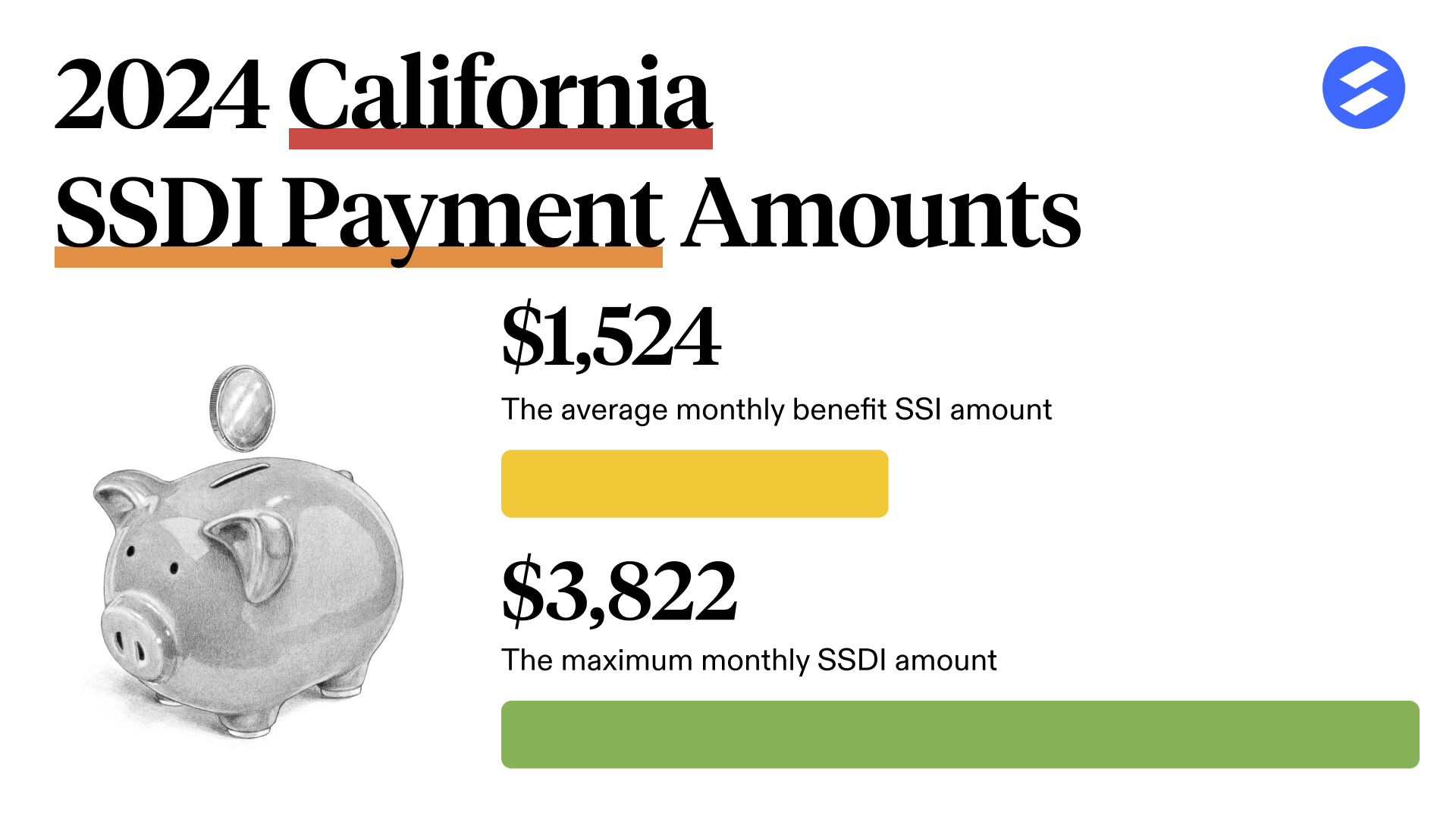
California offers several programs designed to support individuals with disabilities, primarily through the State Disability Insurance (SDI) program and the federal Supplemental Security Income (SSI) program, often supplemented by the State Supplementary Payment (SSP). Each program has distinct eligibility requirements, benefit calculations, and payment structures. SDI is a short-term wage replacement program for workers who suffer a non-work-related illness or injury, including pregnancy, making them unable to work. SSI/SSP, on the other hand, provides financial assistance to low-income individuals who are aged, blind, or disabled, regardless of their work history.
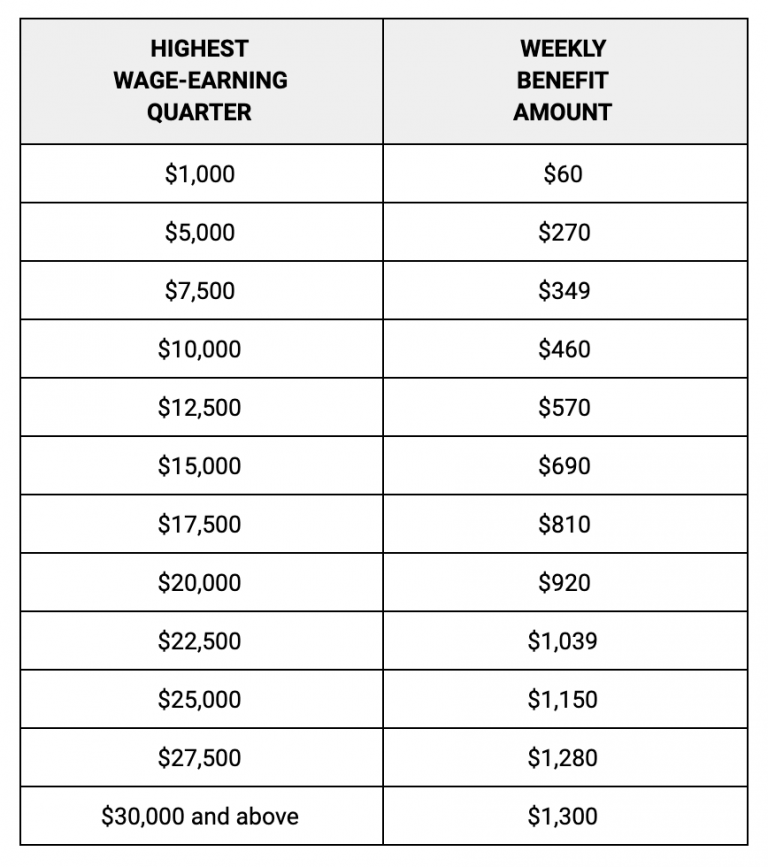
The “amount you get” from these programs varies significantly based on factors such as prior earnings, household income, living arrangements, and the specific nature of the disability. For SDI, benefits are typically a percentage of your average weekly wages earned in a base period. For SSI/SSP, the federal maximum benefit is combined with a state supplement, designed to help meet basic needs. These amounts, while vital for daily living, often necessitate careful budgeting when considering discretionary spending like travel. The critical insight here is that while the benefits provide a foundation, they also demand a strategic approach to leisure and exploration, particularly when venturing beyond one’s immediate community. Understanding these financial baselines is the first step toward transforming travel aspirations into tangible plans within the framework of a disability-inclusive lifestyle.
Budgeting for the California Traveler on Disability
Embarking on travel adventures in California while relying on disability benefits requires meticulous financial planning. The state, renowned for its diverse attractions, also comes with a higher cost of living and, consequently, higher travel expenses compared to many other regions. However, with smart budgeting and strategic choices, the dream of exploring the Golden State remains well within reach.
Understanding the Financial Landscape for Travel
The specific dollar amount received from disability benefits dictates the upper limits of a travel budget. For instance, if one receives SSI/SSP, their monthly income is set to cover basic living expenses, leaving a limited margin for travel. This necessitates a focus on low-cost or free activities, discounted transportation, and affordable accommodation. Individuals receiving SDI might have a slightly larger temporary income, allowing for a bit more flexibility, but the short-term nature of these benefits means careful planning for future expenses is paramount.
Effective budgeting involves tracking all income and expenses, setting realistic savings goals, and prioritizing travel experiences that offer the most value. Many travelers on disability benefits find success by planning trips during off-peak seasons, utilizing loyalty programs for hotels or airlines (if applicable), and opting for self-catering accommodations to save on dining costs. Exploring public transportation options, which are often more affordable and increasingly accessible, can also significantly reduce travel expenditures within cities like Los Angeles or San Francisco.
Smart Savings and Planning for Accessible Adventures
To make travel more affordable, consider utilizing state and national park passes, which often offer discounted rates for individuals with permanent disabilities. The National Parks and Federal Recreational Lands Access Pass, for example, provides free lifetime access to federal recreation sites for U.S. citizens or permanent residents with permanent disabilities. This single pass can unlock countless outdoor adventures across California, from the majestic Yosemite National Park to the serene coastal trails.
Furthermore, seeking out free attractions, such as many of California’s stunning beaches, picturesque hiking trails, and free walking tours in major cities, can enrich travel experiences without straining the budget. Many museums also offer free admission days or reduced rates for seniors and individuals with disabilities. Leveraging online resources and disability travel blogs can also provide invaluable tips on hidden gems and cost-saving strategies specifically tailored for travelers with disabilities. Planning well in advance for transportation and accommodation often yields better rates, and being flexible with travel dates can lead to significant savings.
Exploring California with Accessibility in Mind
California is increasingly recognized for its efforts to enhance accessibility, making its diverse attractions more welcoming for individuals with disabilities. From bustling urban centers to serene natural wonders, there are numerous options for accessible travel that cater to various interests and mobility levels, all within a budget-conscious framework often dictated by disability benefits.
Accessible Destinations and Attractions
Cities like San Francisco and Los Angeles have made considerable strides in urban accessibility. San Francisco boasts accessible public transit, including buses and the iconic cable cars with accessible routes. Popular attractions like Alcatraz Island and the Golden Gate Bridge offer accessible pathways and services. In Los Angeles, the Metro Rail system is largely accessible, connecting travelers to destinations such as the Santa Monica Pier and accessible sections of Hollywood Boulevard. Theme parks, including Disneyland Park in Anaheim, provide comprehensive accessibility guides and services, ensuring a magical experience for all.
Beyond the cities, California’s natural beauty is increasingly within reach. Yosemite National Park, for instance, offers numerous accessible trails, viewpoints, and lodging options. The Redwood National and State Parks feature boardwalks and paved paths that allow visitors to experience the majestic ancient forests. Coastal towns like San Diego and Santa Cruz offer accessible beaches with matting and beach wheelchairs, allowing individuals to enjoy the sand and surf. Before visiting, it’s always advisable to check the specific accessibility features of any attraction or park, as conditions can vary.
Finding Accessible Accommodation
Accommodation is a significant part of any travel budget, and for travelers with disabilities, finding accessible and affordable options is crucial. Many hotel chains are mandated to provide accessible rooms, but verifying specific features like roll-in showers, grab bars, and room dimensions beforehand is always recommended. Budget-friendly options might include accessible rooms in motel chains, or vacation rentals through platforms that allow filtering for accessibility features.
Consider staying in hotels that are part of loyalty programs if you travel frequently, as accumulated points can lead to free or discounted nights. For longer stays, accessible vacation rentals or apartments with kitchenettes can be more economical and provide greater flexibility for preparing meals, further saving on dining costs. Hostels in some cities are also beginning to offer accessible private rooms, providing a very budget-conscious alternative. Always communicate your specific accessibility needs directly with the accommodation provider at the time of booking to ensure your requirements can be met.
Resources and Support for Disability Travel in California
The journey of exploring California as an individual on disability benefits is greatly supported by a growing network of resources and communities. These platforms and organizations can provide invaluable assistance, from planning accessible itineraries to securing travel assistance.
Travel Assistance Programs
Several non-profit organizations and governmental initiatives are dedicated to making travel more accessible. While direct financial grants for travel specific to disability benefits recipients are less common, some programs offer assistance for specific needs, such as discounted adaptive equipment rentals or specialized tours. Organizations like Wheelchair Escapes or Accessible Journeys specialize in planning accessible travel itineraries globally, and their expertise can be particularly helpful for navigating California’s diverse terrain. Always research local California disability advocacy groups, as they often have the most up-to-date information on local accessible services and potential travel grants or subsidies within the state. Public transportation agencies in major California cities also offer paratransit services for individuals unable to use fixed-route bus or rail service, which can be a vital resource for local sightseeing.

Community and Online Forums
One of the most powerful resources for travelers with disabilities is the community itself. Online forums, social media groups, and dedicated blogs for disability travel are treasure troves of practical advice, personal experiences, and recommendations. Platforms like “Curb Free with Cory Lee” or “Wheelchair Accessible Travel Blog” offer firsthand accounts and detailed guides to accessible destinations, including many within California. These communities can provide honest reviews of hotels, attractions, and transportation services from a disability perspective, offering insights that might not be available on official websites. Engaging with these communities can help identify the most budget-friendly and truly accessible options, gather tips on managing specific mobility needs, and even find travel companions.
Ultimately, while the amount received from disability benefits in California shapes the framework of a travel lifestyle, it by no means defines its limits. With careful planning, resourcefulness, and the utilization of available support, the Golden State’s myriad experiences are open to all, allowing individuals to live a fulfilling and adventurous lifestyle within their means.
LifeOutOfTheBox is a participant in the Amazon Services LLC Associates Program, an affiliate advertising program designed to provide a means for sites to earn advertising fees by advertising and linking to Amazon.com. Amazon, the Amazon logo, AmazonSupply, and the AmazonSupply logo are trademarks of Amazon.com, Inc. or its affiliates. As an Amazon Associate we earn affiliate commissions from qualifying purchases.