
Understanding Unemployment Benefits as a Lifestyle Safety Net
Navigating periods of career transition or unexpected job loss can significantly impact one’s lifestyle. In California, unemployment insurance (UI) benefits serve as a crucial financial safety net, designed to provide temporary income assistance to eligible workers. For many, understanding how much they can expect to receive and how to manage these funds is paramount to maintaining their desired quality of life and ensuring financial stability during challenging times. This isn’t just about a paycheck; it’s about the ability to cover essential living expenses, manage household budgets, and potentially even pursue new lifestyle avenues, such as skill development or a career pivot, without immediate financial catastrophe.
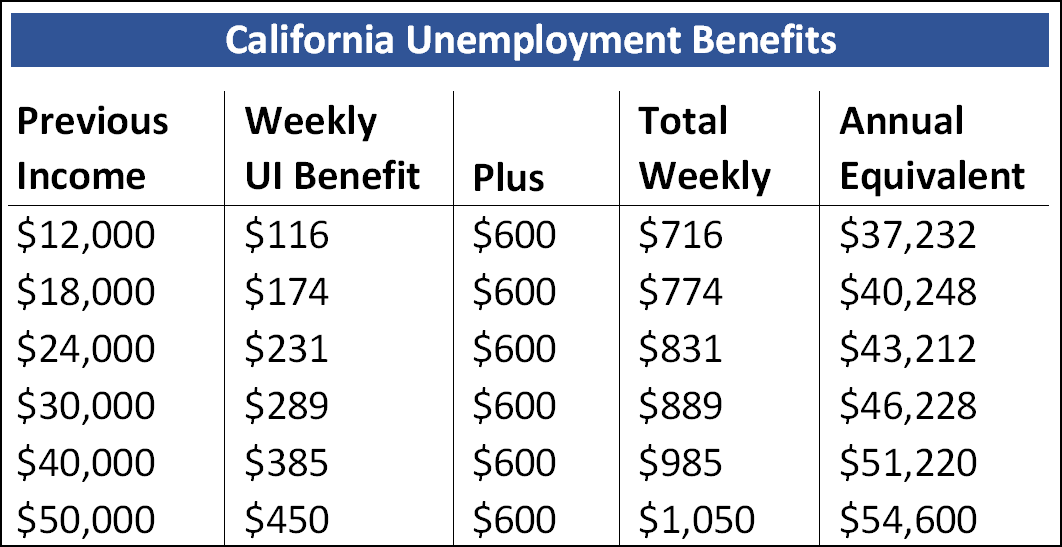
The Role of UI in Financial Resilience
Unemployment insurance is more than just a government program; it’s a pillar of financial resilience for individuals and families. When a primary source of income is suddenly removed, UI benefits can bridge the gap, allowing individuals to focus on job searching rather than succumbing to immediate financial distress. This support can prevent the depletion of savings, help avoid debt accumulation, and maintain a certain standard of living. For those who embrace a “life out of the box” philosophy, where adaptability and strategic planning are key, understanding UI is an integral part of their overall financial toolkit, enabling them to weather economic shifts with greater confidence. It allows for a thoughtful approach to future planning, whether that involves local exploration, personal enrichment, or simply sustaining daily life while seeking new opportunities.
Maintaining Your Lifestyle During Transitions
The amount received through unemployment benefits in California directly influences an individual’s capacity to maintain their lifestyle during a period of joblessness. While UI is not intended to replace full earnings, it aims to provide sufficient support to cover basic necessities. This means individuals might need to adjust their discretionary spending, but essential aspects of their lifestyle – housing, food, transportation, and healthcare – can often be sustained. For those accustomed to a certain quality of life, understanding the maximum benefit amounts and duration is vital for budgeting and making informed decisions about expenditures. Strategic financial planning during this period can help mitigate stress and allow individuals to focus on the active pursuit of new employment that aligns with their career aspirations and lifestyle goals.
Eligibility and Application: Navigating the System for Lifestyle Stability
Accessing unemployment benefits in California requires meeting specific eligibility criteria and successfully navigating the application process. These steps are fundamental for anyone seeking to utilize this safety net to maintain their lifestyle during a period of unemployment. Understanding the nuances ensures a smoother experience and quicker access to much-needed funds.
Who Qualifies in California?
To be eligible for unemployment benefits in California, claimants must meet several key requirements. Generally, you must have:
- Earned sufficient wages in your “base period” (a 12-month period the California Employment Development Department, or EDD, uses to calculate your benefit amount). This ensures that only individuals who have been actively contributing to the workforce are eligible.
- Become unemployed through no fault of your own. This typically means you were laid off, your position was eliminated, or you quit for good cause (e.g., unsafe working conditions, discrimination). If you were fired for misconduct or quit without good cause, you might be disqualified.
- Be able and available for work. This implies you are physically and mentally capable of performing work and are actively seeking new employment.
- Be ready and willing to accept suitable work. While actively searching, you must demonstrate a willingness to take on appropriate job opportunities.
Understanding these qualifications upfront helps individuals assess their likelihood of receiving benefits and plan their lifestyle adjustments accordingly.
The Application Process: A Step-by-Step Guide
Applying for unemployment benefits in California is primarily done online through the EDD’s website. The process typically involves:
- Gathering necessary information: This includes your Social Security number, driver’s license number, mailing address, employment history for the last 18 months (employer names, addresses, phone numbers, dates of employment, reasons for separation, gross wages), and bank account information for direct deposit.
- Creating an EDD Online Account: This secure portal allows you to file your claim, certify for benefits, and manage your account.
- Filing your claim: Complete the application form accurately and thoroughly. Any discrepancies can cause delays.
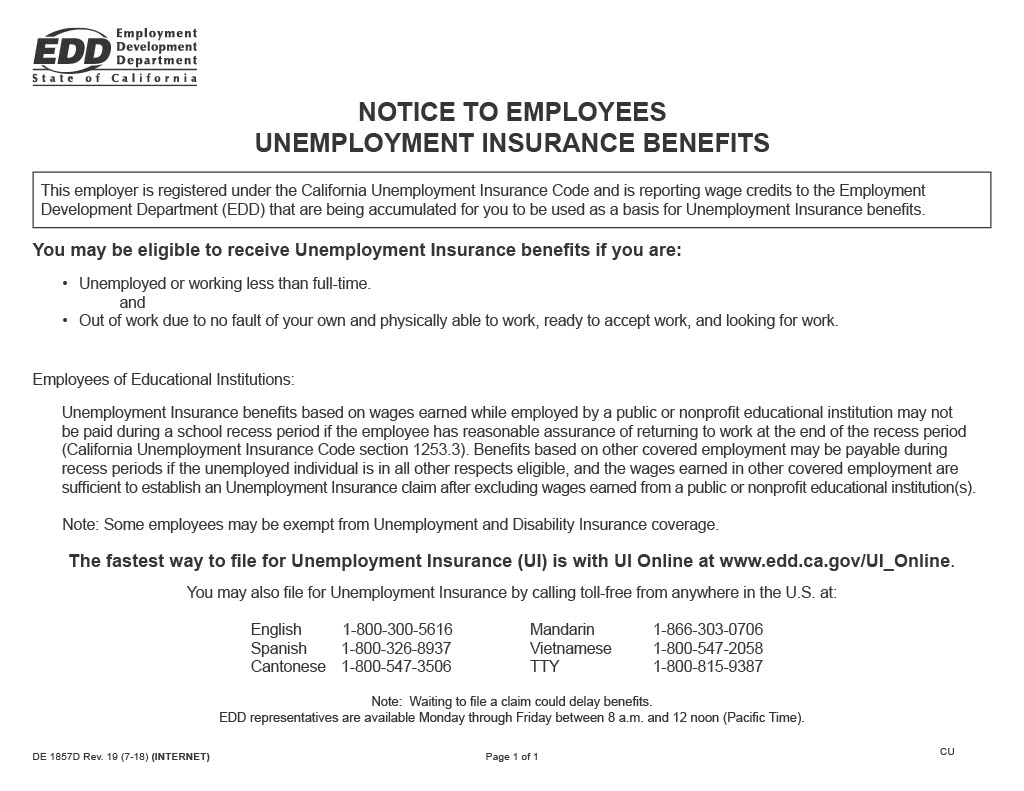
- Waiting for a determination: After filing, the EDD will review your claim, potentially contact your former employer(s), and mail you important documents, including your Notice of Unemployment Insurance Award, which details your weekly benefit amount.
- Certifying for benefits: Every two weeks, you must certify that you are still unemployed, able and available for work, and actively seeking employment. This step is crucial for receiving continuous payments.
A smooth application process is vital for ensuring that there are no unnecessary interruptions to income, thus helping to maintain lifestyle continuity.
Weekly Benefit Amount Calculation: What to Expect
The amount of unemployment benefits you receive in California is calculated based on your earnings during your “base period.” The EDD uses a specific formula to determine your weekly benefit amount (WBA). Generally, your WBA is calculated by taking approximately 40-50% of your average weekly wages during your highest earning quarter of the base period, up to a maximum limit.
For example, if your highest earning quarter’s wages were $10,000, your average weekly wage for that quarter would be approximately $769 ($10,000 / 13 weeks). Your WBA would then be a percentage of this amount, subject to the state’s minimum and maximum thresholds. This calculation provides a tangible figure for individuals to integrate into their temporary budgets, helping them plan for expenses and adjust their lifestyle as needed. Knowing this figure helps in assessing how much existing savings might be needed to supplement UI benefits to sustain a particular standard of living.
Maximizing Your Benefits and Managing Your Lifestyle
Understanding the full scope of unemployment benefits in California and adhering to the necessary requirements is crucial for maximizing your financial support and effectively managing your lifestyle during a period of joblessness. Strategic planning can make a significant difference in maintaining financial equilibrium.
The Maximum Weekly Benefit Amount
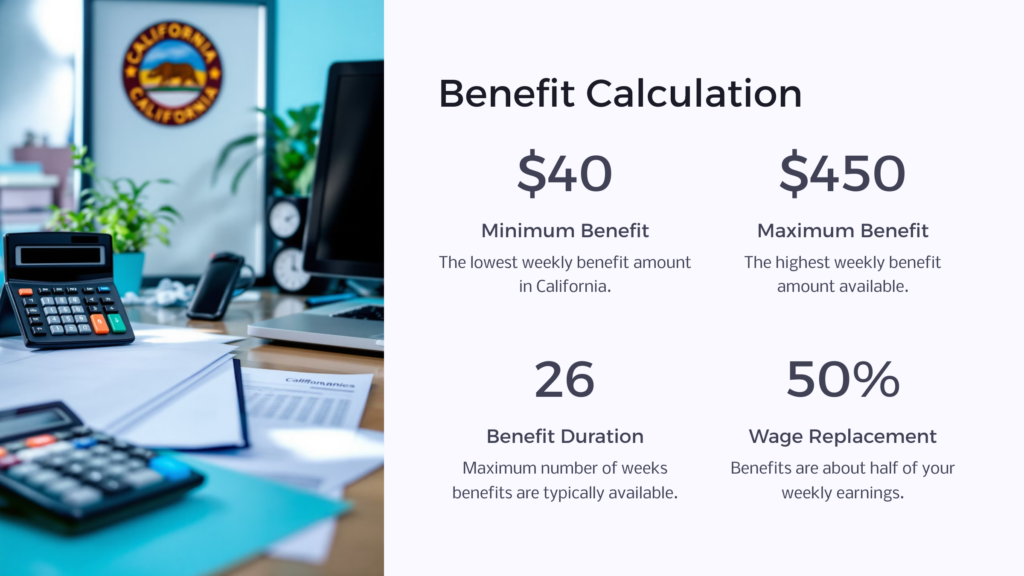
California sets a maximum weekly benefit amount (WBA) for unemployment insurance claimants. As of the current period, the maximum WBA is $450 per week. This means that no matter how high your past earnings were, you will not receive more than this amount in weekly benefits. While this provides a substantial safety net for many, it also underscores the importance of realistic budgeting and financial planning, particularly for individuals who had a significantly higher income prior to unemployment. For those seeking to maintain a specific lifestyle, this maximum amount often necessitates adjustments to discretionary spending and a careful review of all expenses. Understanding this cap is essential for setting realistic financial expectations and avoiding potential shortfalls in your budget.
Duration of Benefits: Planning for the Long Haul
Typically, individuals can receive unemployment benefits for up to 26 weeks in California. However, the duration can be extended during periods of high unemployment through federal or state extended benefit programs. These extensions are not permanent and are activated or deactivated based on specific economic indicators. For effective lifestyle management, it’s prudent to plan for the standard 26-week duration. This timeframe should be viewed as a window to actively seek new employment, acquire new skills, or strategize a career pivot. Relying solely on the possibility of extensions without a proactive job search plan can lead to financial precariousness. Smart lifestyle planning involves creating a budget that accounts for the potential end of benefits, encouraging a focused approach to re-employment.
Reporting Requirements and Continued Eligibility
Maintaining eligibility for unemployment benefits in California requires consistent adherence to reporting requirements. Every two weeks, claimants must “certify” for benefits, which involves answering questions about their job search efforts, any earnings received during that period, and their continued ability and availability for work.
- Work Search: You must demonstrate that you are actively looking for work, usually by recording specific job contacts. The EDD may periodically request details of your job search activities.
- Earnings: Any income earned during a benefit week, even from part-time or temporary work, must be reported. The EDD will deduct a portion of these earnings from your weekly benefit amount. Earning too much can result in the loss of benefits for that week.
- Ability and Availability: You must continue to be physically and mentally able to work and ready to accept suitable employment.
Failing to meet these requirements can lead to delayed payments, disqualification, or even overpayment penalties. For a consistent lifestyle, diligent reporting is non-negotiable, ensuring uninterrupted access to your benefits. This structured engagement keeps individuals connected to the job market and focused on their transition.
Financial Planning Beyond UI: Budgeting and Savings for Lifestyle Maintenance
While unemployment benefits provide crucial support, they are temporary. A truly resilient lifestyle plan incorporates financial strategies that extend beyond the duration of UI benefits.
- Aggressive Budgeting: Create a detailed budget that prioritizes essential expenses (housing, utilities, food, healthcare) and minimizes discretionary spending. Look for areas to cut costs, such as reducing dining out, subscription services, or non-essential purchases.
- Emergency Savings: Ideally, individuals should have an emergency fund covering 3-6 months of living expenses. If you have such a fund, UI benefits can help extend its longevity. If not, consider using UI to build a small buffer if possible, even while actively searching for work.
- Skill Development: Invest time, and potentially a small portion of your UI funds, into acquiring new skills or certifications that enhance your employability. Many online courses are affordable or even free, providing a valuable lifestyle enhancement in the long run.
- Networking: Leverage your time to network actively within your industry. This is a low-cost, high-return activity that can open doors to new opportunities and sustain professional connections, which is a key part of an engaged lifestyle.
Integrating these financial planning principles ensures that UI benefits are not just a temporary stopgap but part of a broader strategy for long-term lifestyle stability and career growth.
Beyond the Basics: Special Circumstances and Lifestyle Considerations
The landscape of unemployment benefits in California can sometimes involve special circumstances that further impact an individual’s lifestyle and financial planning. Understanding these additional facets is key to a holistic approach to managing periods of joblessness.
Extended Benefits and Federal Programs
While standard California UI benefits last for up to 26 weeks, federal and state extended benefit programs can sometimes provide additional weeks of assistance during periods of high unemployment. Historically, programs like Pandemic Unemployment Assistance (PUA) or Pandemic Emergency Unemployment Compensation (PEUC) have offered critical extensions during economic crises, such as the COVID-19 pandemic. These programs are typically triggered by specific unemployment rates and economic indicators. For individuals navigating a prolonged job search, being aware of the potential for extended benefits can influence long-term financial planning and reduce stress, allowing for a more sustained focus on career transition rather than immediate survival. However, it’s crucial to remember that these extensions are not permanent entitlements and depend on economic conditions and legislative action. Relying on them as a certainty can be risky for a stable lifestyle.
The Impact on Healthcare and Other Essential Lifestyle Needs
Beyond direct income, unemployment can have significant implications for other essential lifestyle needs, particularly healthcare. Losing employer-sponsored health insurance is a major concern for many. In California, individuals losing job-based coverage have several options:
- COBRA: This federal law allows eligible employees to continue their health coverage for a limited time after leaving a job, though they typically pay the full premium plus an administrative fee. This can be expensive but maintains continuity of care.
- Covered California: The state’s health insurance marketplace, Covered California, offers subsidized health plans based on income. Unemployment benefits are considered income for these calculations, and many individuals find affordable options through this pathway.
- Medi-Cal: For those with very low income, Medi-Cal (California’s Medicaid program) provides comprehensive health coverage at little to no cost.
Addressing healthcare needs promptly is a critical component of maintaining a stable lifestyle and preventing potentially catastrophic medical debt. Additionally, other essential lifestyle needs like housing assistance, food stamps (CalFresh), and utility assistance programs are available for those who qualify, providing further layers of support beyond UI benefits. Integrating these resources into your overall financial strategy is paramount for comprehensive lifestyle management.
Leveraging UI for Career Transitions and Skill Development
For individuals embracing a “life out of the box,” unemployment can be viewed not just as a setback but as an opportunity for strategic career transition and skill development. While receiving UI benefits, claimants are often required to be available for work, but this doesn’t preclude using the time wisely. California’s EDD offers programs like the Workforce Innovation and Opportunity Act (WIOA), which can provide funding for job training, skill upgrades, and career counseling for eligible individuals.
- Education and Training: Exploring online courses, vocational training, or certification programs can significantly enhance your marketability. Investing in skills that align with emerging industries can pave the way for a more fulfilling and financially stable lifestyle in the long run.
- Entrepreneurial Exploration: For some, unemployment might be the catalyst to explore entrepreneurial ventures. While rules about self-employment and UI can be complex, understanding them is crucial.
- Networking and Personal Branding: This period offers an invaluable chance to expand your professional network, refine your resume, and enhance your personal brand, all of which are critical for securing future employment that aligns with your desired lifestyle.
By viewing unemployment as a strategic pause, individuals can leverage UI benefits and related resources to not just survive, but to thrive and intentionally shape their future career and lifestyle paths.
LifeOutOfTheBox is a participant in the Amazon Services LLC Associates Program, an affiliate advertising program designed to provide a means for sites to earn advertising fees by advertising and linking to Amazon.com. Amazon, the Amazon logo, AmazonSupply, and the AmazonSupply logo are trademarks of Amazon.com, Inc. or its affiliates. As an Amazon Associate we earn affiliate commissions from qualifying purchases.