
The allure of California is undeniable, a state synonymous with sun-kissed beaches, towering redwoods, and a vibrant tapestry of cultures. For those contemplating a career in public service, particularly as a firefighter, the question of compensation in such a dynamic and often expensive environment is paramount. A fireman’s salary in California is not merely a number; it is the foundation upon which a lifestyle is built, influencing everything from housing choices and family planning to leisure activities and the ability to explore the state’s myriad attractions. Understanding this financial landscape offers a crucial glimpse into the life of these everyday heroes and the economic realities that shape their existence amidst the golden state’s compelling narrative.

The Financial Landscape of a Firefighter in California
Becoming a firefighter in California means joining a highly respected and essential profession, one that demands courage, physical prowess, and unwavering dedication. The financial rewards for this demanding work can vary significantly, reflecting factors such as experience, rank, specialization, and crucially, the specific department and region within the state.
Base Salaries and Entry-Level Pay
Entry-level firefighter salaries in California typically fall within a broad range, often starting from around $60,000 to $80,000 annually. For instance, a new recruit in a smaller municipal department might begin at the lower end of this spectrum, while a larger, more affluent city or a department operating in a high-cost-of-living area might offer a more competitive starting wage. These base salaries are designed to attract qualified candidates, but they represent only a portion of a firefighter’s total compensation package. It is important to note that these figures are general and can fluctuate based on collective bargaining agreements and specific departmental budgets, which are subject to local government funding and economic conditions.
Factors Influencing Earnings
A firefighter’s earning potential grows considerably with experience and career progression. Seasoned firefighters with several years on the job can see their base salaries rise significantly, often reaching $90,000 to $120,000 or more. Beyond tenure, several other factors play a critical role:
- Rank and Promotions: Moving up the ranks from firefighter to engineer, captain, battalion chief, or even beyond, brings substantial increases in pay. Each promotion comes with added responsibilities and commensurate compensation.
- Specialized Training and Certifications: Firefighters who acquire specialized skills, such as paramedic certification, hazardous materials expertise, or technical rescue proficiency, often qualify for additional incentive pay or higher base salaries within their departments. These specializations are vital for handling the diverse emergencies that occur across California’s varied terrain, from urban high-rises to wildland interfaces.
- Geographic Location: This is perhaps one of the most significant variables. A firefighter in Los Angeles or the Bay Area will likely command a higher base salary than one in a less expensive area like the Central Valley or a more rural county. This adjustment is often a direct response to the local cost of living, aiming to provide a comparable quality of life. For example, a captain in San Francisco might earn considerably more than a captain in Sacramento, reflecting the differing economic environments.
- Department Size and Funding: Larger, well-funded departments often have more robust salary structures and better benefits packages than smaller, volunteer-based, or less affluent fire districts.
Overtime and Comprehensive Benefits
Beyond base pay, overtime is a crucial component of a firefighter’s total annual earnings. The nature of emergency services often requires extensive overtime, especially during major incidents like wildfires – a frequent challenge in California – or staffing shortages. Many firefighters routinely work additional shifts, significantly boosting their take-home pay. It is not uncommon for overtime to add tens of thousands of dollars to an annual income.
Furthermore, the benefits package for California firefighters is typically comprehensive and highly valuable. This usually includes:
- Robust Health Insurance: Covering medical, dental, and vision for the firefighter and their family.
- Generous Retirement Pensions: Public safety pensions in California are often among the best in the nation, providing long-term financial security.
- Paid Time Off: Including vacation, sick leave, and holidays.
- Life Insurance and Disability Benefits: Providing essential safety nets for a dangerous profession.
When these benefits are factored in, the total compensation package for a California firefighter can easily exceed their base salary by a substantial margin, reflecting the state’s commitment to its public safety personnel.
Living the California Dream: Salary vs. Cost of Living
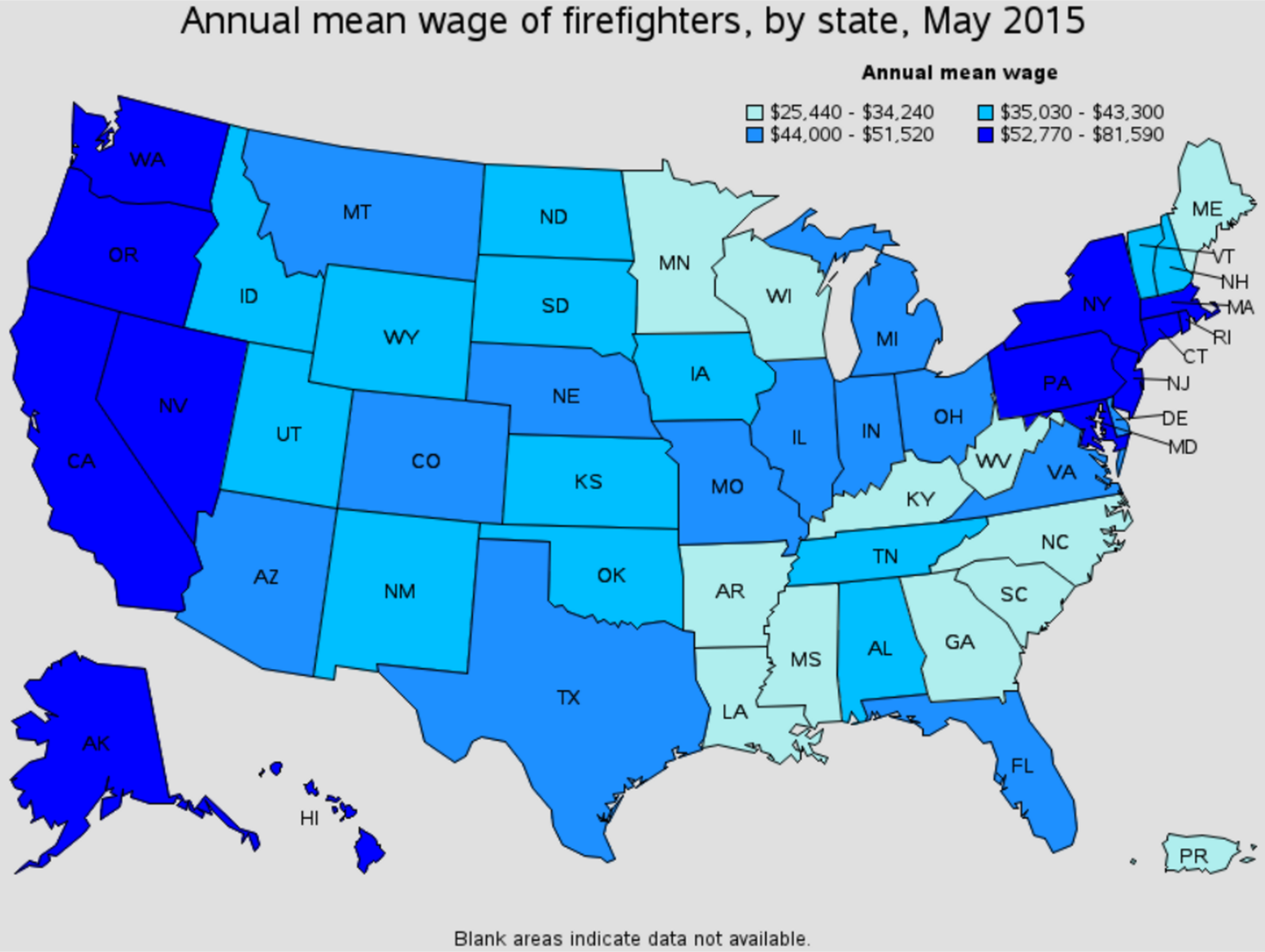
While firefighter salaries in California are often above the national average for the profession, the state’s notoriously high cost of living presents a unique challenge. This dynamic critically shapes the lifestyle a fireman can afford.
High Cost of Living
California is consistently ranked among the most expensive states to live in the United States. Housing costs, in particular, are astronomical in major metropolitan areas such as the Bay Area, Los Angeles, and San Diego. Even essential expenses like groceries, gasoline, and utilities tend to be higher than the national average. A fireman earning $80,000 annually might find this income provides a comfortable lifestyle in a state like Texas or Arizona, but in California, it requires careful budgeting and often difficult choices, especially for families. The “golden handcuffs” effect is real, where good salaries are offset by extraordinary expenses, making it challenging to save for future goals like homeownership or retirement without strategic financial planning.
Geographic Variations in Lifestyle
The cost of living varies dramatically across California, creating diverse lifestyle implications for firefighters.
- Coastal Regions (e.g., San Francisco, Los Angeles, San Diego): Firefighters in these sought-after areas earn higher salaries to compensate for housing costs that can be two to three times the national average. Living close to work might mean a smaller apartment or a long commute from a more affordable inland community. The lifestyle here often emphasizes urban amenities, beach access, and a fast-paced environment.
- Inland Empire/Central Valley (e.g., Riverside, Fresno, Sacramento): These regions offer a relatively lower cost of living, particularly regarding housing. Firefighters here might enjoy larger homes for their families and a more suburban or rural lifestyle. While salaries might be slightly lower than in coastal cities, the purchasing power can sometimes be greater, allowing for a more spacious home or more disposable income for leisure.
- Rural and Mountainous Areas (e.g., Sierra Nevada foothills, Northern California): Firefighters serving these communities, often grappling with intense wildland fires, may have salaries that reflect the local economic conditions. While housing is generally more affordable, access to amenities and services might be limited. The lifestyle here is often tied to outdoor activities and a strong sense of community.
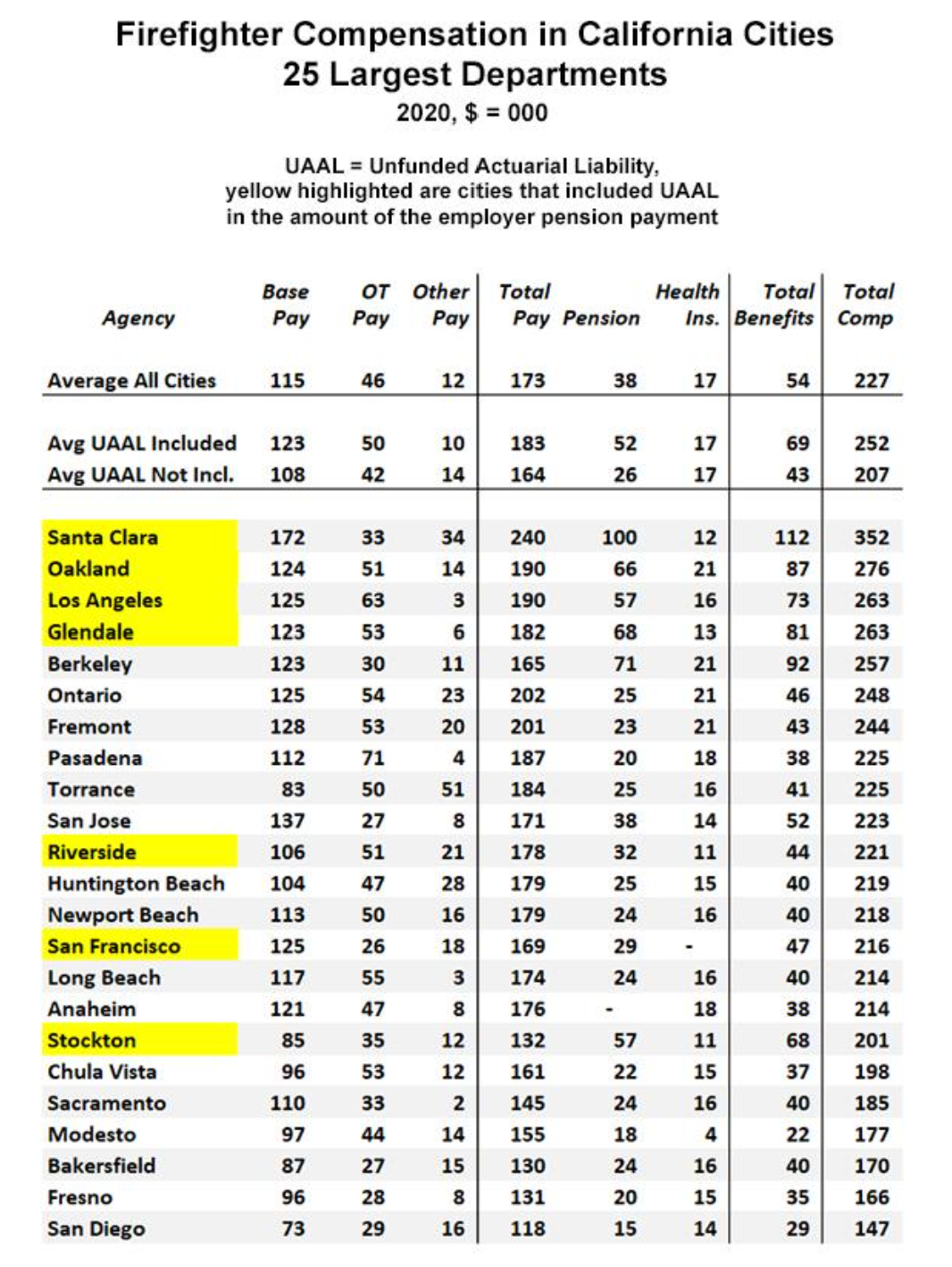
These geographic differences mean that a firefighter’s “California dream” can manifest in various ways, from a compact urban dwelling with vibrant city life to a sprawling property offering peace and quiet.
Budgeting for a Firefighter’s Family
For a firefighter with a family, budgeting in California becomes an intricate exercise. A dual-income household is often essential to achieve a comfortable middle-class lifestyle, especially in expensive urban centers. Financial planning often includes:
- Strategic Housing Decisions: Choosing to live further from work to secure more affordable housing, or opting for smaller properties.
- Maximizing Overtime: Recognizing overtime as a significant income booster.
- Utilizing Benefits: Leveraging comprehensive health insurance and robust pension plans to reduce out-of-pocket expenses and ensure long-term security.
- Cost-Conscious Leisure: Prioritizing affordable family activities and budget-friendly travel options.
Despite the challenges, the consistent income, strong benefits, and opportunities for overtime mean that most California firefighters can achieve a stable, albeit sometimes tightly managed, lifestyle, allowing them to raise families and contribute positively to their communities.
Lifestyle Implications: Travel, Leisure, and Quality of Life
A firefighter’s compensation in California directly impacts their ability to enjoy the state’s renowned lifestyle, influencing choices related to travel, leisure, and overall quality of life. The demanding nature of the job, with its irregular shifts and potential for extended deployments, also shapes how time off is utilized.
Balancing Work and Leisure
The typical 24-hour on, 48-hour off schedule (or similar variations) means firefighters often have concentrated blocks of time off. This structure, combined with a solid income, allows for meaningful leisure. Rather than short, frequent breaks, firefighters can plan longer excursions, whether it’s a camping trip, a family vacation, or a dedicated period for hobbies. This schedule offers a unique flexibility that many 9-to-5 professions lack, making it possible to embark on mid-week adventures when tourist destinations are less crowded.
Exploring California on a Firefighter’s Budget
While not necessarily a “luxury travel” income, a California firefighter’s salary, especially with experience and overtime, enables a robust “budget travel” or “family trip” lifestyle within the state and beyond.
- Camping and Outdoor Adventures: California’s state and national parks are treasures. A firefighter’s income comfortably supports camping trips to places like Yosemite National Park, Sequoia National Park, or along the scenic Pacific Coast Highway. The cost-effectiveness of camping allows for frequent getaways.
- Beach Escapes: With hundreds of miles of coastline, weekend trips to iconic beaches in San Diego, Orange County, or Santa Cruz are popular and accessible. Renting a modest beach house or staying at a family-friendly hotel is often within reach.
- Theme Parks and Attractions: For families, visits to destinations like Disneyland or Universal Studios Hollywood are significant expenses but manageable with careful planning and budgeting, perhaps once a year or every few years.
- Wine Country Weekends: For those without children or seeking a romantic escape, a weekend in Napa Valley or Sonoma can be a delightful, albeit pricier, indulgence.
- Road Trips: California’s vastness makes road trips a natural and cost-effective way to explore. From the deserts of Death Valley to the majestic redwoods of Northern California, the state offers endless scenic routes.
The stable income and benefits also allow for family planning and investing in children’s education or extracurricular activities, contributing to a well-rounded and enriching family lifestyle.
Retirement and Long-Term Financial Planning
The long-term financial security offered by California’s public safety pensions is a significant lifestyle benefit. After a career of dedicated service, firefighters can retire with a guaranteed income stream, providing peace of mind and the freedom to enjoy their golden years. This stability allows for extensive post-retirement travel, pursuing long-held hobbies, or even relocating to a more affordable state while still receiving a substantial pension. The lifestyle impact of this secure retirement cannot be overstated, offering a robust foundation for a comfortable future.
The Value Beyond the Paycheck: A Career in Public Service
While salary and benefits are critical, the lifestyle of a California firefighter extends far beyond financial compensation. It is a life defined by purpose, community, and an unwavering commitment to public safety.
Job Security and Community Respect
Firefighting is a profession with inherent job security, as emergency services are always in demand, regardless of economic fluctuations. This stability is a significant lifestyle advantage, reducing financial stress and enabling long-term planning. Furthermore, firefighters consistently rank among the most trusted and respected professionals. This societal esteem translates into a high quality of life, fostering a sense of pride and belonging within their communities. The daily interactions, the gratitude of those they help, and the camaraderie with their fellow firefighters all contribute to a deeply fulfilling existence that money alone cannot buy.
The Lifestyle of Service
Ultimately, the lifestyle of a California fireman is one of constant readiness and selfless service. It involves rigorous training, continuous education, and the mental and physical fortitude to face dangerous situations. The unique schedule, the bond with crewmates who become a second family, and the profound impact they have on people’s lives create a distinct way of living. This lifestyle, characterized by resilience, courage, and community engagement, is perhaps the most valuable aspect of the profession, offering a sense of purpose that enriches every other facet of their lives, including how they earn, spend, and enjoy their time in the diverse and challenging landscape of California.
LifeOutOfTheBox is a participant in the Amazon Services LLC Associates Program, an affiliate advertising program designed to provide a means for sites to earn advertising fees by advertising and linking to Amazon.com. Amazon, the Amazon logo, AmazonSupply, and the AmazonSupply logo are trademarks of Amazon.com, Inc. or its affiliates. As an Amazon Associate we earn affiliate commissions from qualifying purchases.