
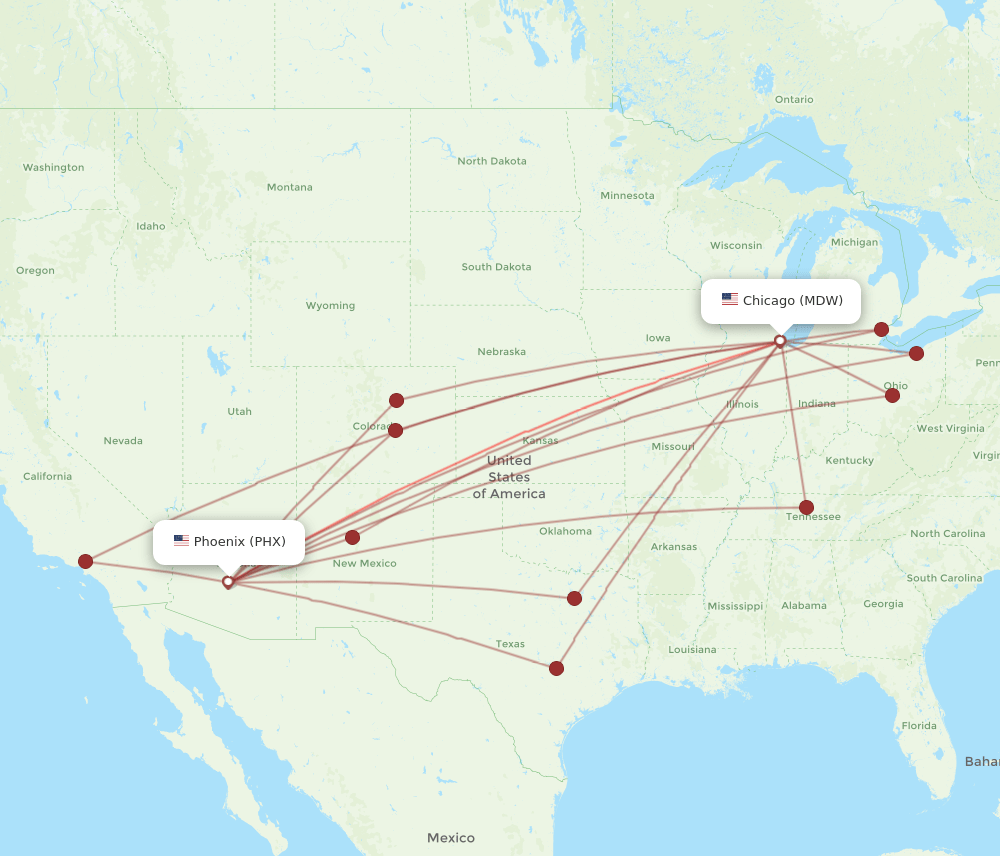
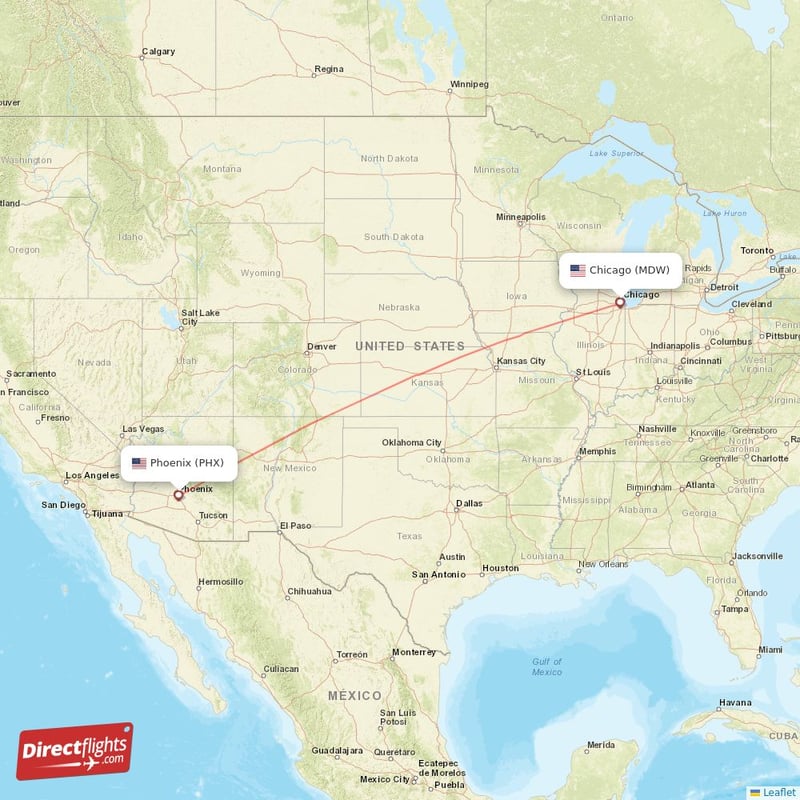
Embarking on a cross-country road trip from Chicago to Phoenix is an adventure that traverses diverse landscapes and offers a unique glimpse into the heart of America. While the direct route is approximately 1,700 miles, the concept of “middle points” extends beyond mere geographical distance. It encompasses fascinating destinations that break up the journey, offer cultural immersion, and provide opportunities for memorable experiences. This guide explores these pivotal points, turning a long drive into a series of exciting discoveries.
The Vast Plains and Gateway to the West
The initial leg of the journey from Chicago to Phoenix takes travelers across the expansive plains of the American Midwest, eventually leading them towards the rugged beauty of the West. The transition from the urban sprawl of Chicago to the open horizons is a journey in itself, marked by changing vegetation, architectural styles, and a distinct shift in pace.
Omaha: A Cultural Crossroads
One of the first significant urban centers that lies roughly a third of the way from Chicago is Omaha, Nebraska. Often overlooked, Omaha is a city with a rich history and a vibrant present. Its location on the Missouri River has shaped its identity, from its origins as a frontier town to its current status as a hub for business and culture.
- The Old Market: This historic district is a pedestrian-friendly area featuring cobblestone streets, Victorian architecture, and a plethora of unique shops, art galleries, and restaurants. It’s an ideal place to stretch your legs, grab a bite to eat, and soak in the local atmosphere.
- Henry Doorly Zoo and Aquarium: Consistently ranked among the top zoos in the nation, the Henry Doorly Zoo and Aquarium is an absolute must-visit. Its immersive exhibits, such as the Desert Dome and the Antarctic Village, offer incredible wildlife encounters without having to deviate significantly from the main path.
- Strategic Positioning: Omaha serves as an excellent first major stop, offering ample accommodation and dining options. It breaks the initial, often monotonous, drive across the flatter states and provides a refreshing change of scenery.
Kansas City: A Culinary and Cultural Melting Pot
Continuing southwest, the next significant metropolitan area on a common route is Kansas City, straddling the border of Kansas and Missouri. This city, approximately halfway through the journey from Chicago to the more western portions of the route, is renowned for its distinctive contributions to American culture.
- Barbecue Capital: Kansas City is internationally acclaimed for its barbecue. Numerous world-class establishments offer a taste of slow-cooked, smoky perfection. Exploring this culinary landscape is an essential experience, with iconic spots like Joe’s Kansas City Bar-B-Que and Arthur Bryant’s Barbeque being essential stops for any true aficionado.
- Jazz Heritage: The city boasts a rich jazz history, particularly in the 18th & Vine Jazz District. The American Jazz Museum and the Negro Leagues Baseball Museum are located here, offering profound insights into African American culture and its impact on American music and sports.
- Nelson-Atkins Museum of Art: This impressive art museum features a diverse collection spanning centuries and cultures, with notable strengths in Asian art and American paintings. Its expansive sculpture park is also a delightful area for a leisurely stroll.
Kansas City represents a crucial midpoint, offering a blend of iconic American flavors and cultural depth that invigorates any traveler on a long haul.
The Transition to the High Plains and Deserts
As the journey progresses, the landscape begins to transform dramatically. The flat plains give way to rolling hills, then to the stark, majestic beauty of the high desert. This transition zone offers unique natural wonders and historically significant stopping points.
Denver: The Mile-High City Gateway
While a direct route might skirt Denver, Colorado, it represents a significant geographical and experiential midpoint, especially for those who choose a northern trajectory through the Rockies. Denver sits at the threshold of the Rocky Mountains and serves as an excellent base for exploring some of the most stunning natural scenery in the United States.
- Rocky Mountain National Park: A day trip or overnight stay in this iconic national park is an unforgettable experience. Towering peaks, alpine lakes, and abundant wildlife await. Trail Ridge Road, weather permitting, offers breathtaking vistas.
- Red Rocks Amphitheatre: This geological wonder is not only a world-renowned music venue but also a spectacular natural formation. Visiting the park and amphitheater offers stunning views of the surrounding landscape and a sense of awe.
- Urban Attractions: Denver itself offers a burgeoning culinary scene, craft breweries, and museums like the Denver Art Museum and the Molly Brown House Museum.
Denver acts as a critical nexus, providing access to the grandeur of the Rockies before descending into the desert Southwest. It’s a perfect point to recharge amidst natural splendor or urban sophistication.
Santa Fe: A Cultural Oasis in the Desert
Moving further south and west, and often a logical next step after traversing Colorado or taking a more direct southerly route, is Santa Fe, New Mexico. This charming city is one of the oldest state capitals in the U.S. and offers a unique blend of Native American, Hispanic, and Anglo cultures, all set against a backdrop of stunning desert landscapes.
- Historic Plaza: The heart of Santa Fe is its historic Plaza, surrounded by adobe buildings housing art galleries, boutiques, and restaurants. It’s a place to wander, shop for unique crafts, and experience the city’s distinct ambiance.
- Artistic Haven: Santa Fe is a globally recognized art destination. Canyon Road, lined with over a hundred art galleries, is a must-explore. The city also boasts numerous museums, including the Georgia O’Keeffe Museum, dedicated to the iconic American painter who found inspiration in the New Mexico landscape.
- Culinary Delights: New Mexican cuisine is a distinct and flavorful experience, with dishes like green chile stew and enchiladas being staples. Santa Fe offers exceptional dining, from traditional eateries to high-end restaurants.
- Unique Architecture: The city’s distinctive Pueblo-style architecture, characterized by adobe construction and flat roofs, creates a visually captivating and harmonious environment.
Santa Fe offers a profound cultural immersion and a serene, artistic atmosphere, making it an ideal stopping point as the journey nears its end. It provides a vital bridge between the vast landscapes and the ultimate destination of Phoenix.
Approaching the Sonoran Desert
The final leg of the journey leads into the arid beauty of the Southwest. The landscape transforms into saguaro-dotted plains, red rock formations, and a distinctively warmer climate, signaling the imminent arrival in Phoenix.

Flagstaff: Gateway to Natural Wonders
Just a few hours north of Phoenix lies Flagstaff, Arizona. Situated at a higher elevation, Flagstaff offers a cooler respite from the desert heat and serves as a critical gateway to some of the region’s most famous natural attractions.
- Grand Canyon National Park: One of the most awe-inspiring natural wonders on Earth, the Grand Canyon is an essential detour. The South Rim is easily accessible from Flagstaff and offers unparalleled views and hiking opportunities.
- Meteor Crater: This remarkably well-preserved impact site provides a fascinating glimpse into the cosmic forces that have shaped our planet.
- Sunset Crater Volcano National Monument and Wupatki National Monument: These adjacent sites offer a unique combination of volcanic landscapes and ancient Native American pueblos, showcasing the area’s geological and historical significance.
- Route 66: Flagstaff retains a charming stretch of the historic Route 66, complete with vintage diners and motels, adding a nostalgic flair to the journey.
Flagstaff serves as a final, spectacular natural playground before descending into the Sonoran Desert, offering a chance to witness the raw, untamed beauty of the American Southwest. Its proximity to these landmarks makes it an indispensable stopping point for a comprehensive cross-country experience.
The route between Chicago and Phoenix is more than just a series of miles; it’s a narrative of America’s diverse landscapes, rich histories, and vibrant cultures. By strategically identifying and exploring these “middle points”—from the cultural hubs of Omaha and Kansas City, through the majestic Rockies near Denver and the artistic allure of Santa Fe, to the natural marvels surrounding Flagstaff—travelers can transform a long drive into an enriching and unforgettable expedition. Each stop offers a unique perspective, contributing to a holistic understanding of the American tapestry.
LifeOutOfTheBox is a participant in the Amazon Services LLC Associates Program, an affiliate advertising program designed to provide a means for sites to earn advertising fees by advertising and linking to Amazon.com. Amazon, the Amazon logo, AmazonSupply, and the AmazonSupply logo are trademarks of Amazon.com, Inc. or its affiliates. As an Amazon Associate we earn affiliate commissions from qualifying purchases.