
California, a land of diverse landscapes, iconic cities, and vibrant culture, is a global magnet for tourists. From the sun-drenched beaches of San Diego to the majestic peaks of the Sierra Nevada, and from the bustling urban sprawl of Los Angeles to the historic charm of San Francisco, the state offers an unparalleled array of experiences. While its natural beauty and innovative spirit are often credited for its tourism success, a significant, yet often unseen, contributor is the substantial federal funding California receives. This federal support, flowing into various sectors, plays a crucial role in maintaining, enhancing, and promoting the very infrastructure, natural resources, and cultural assets that draw millions of visitors each year.

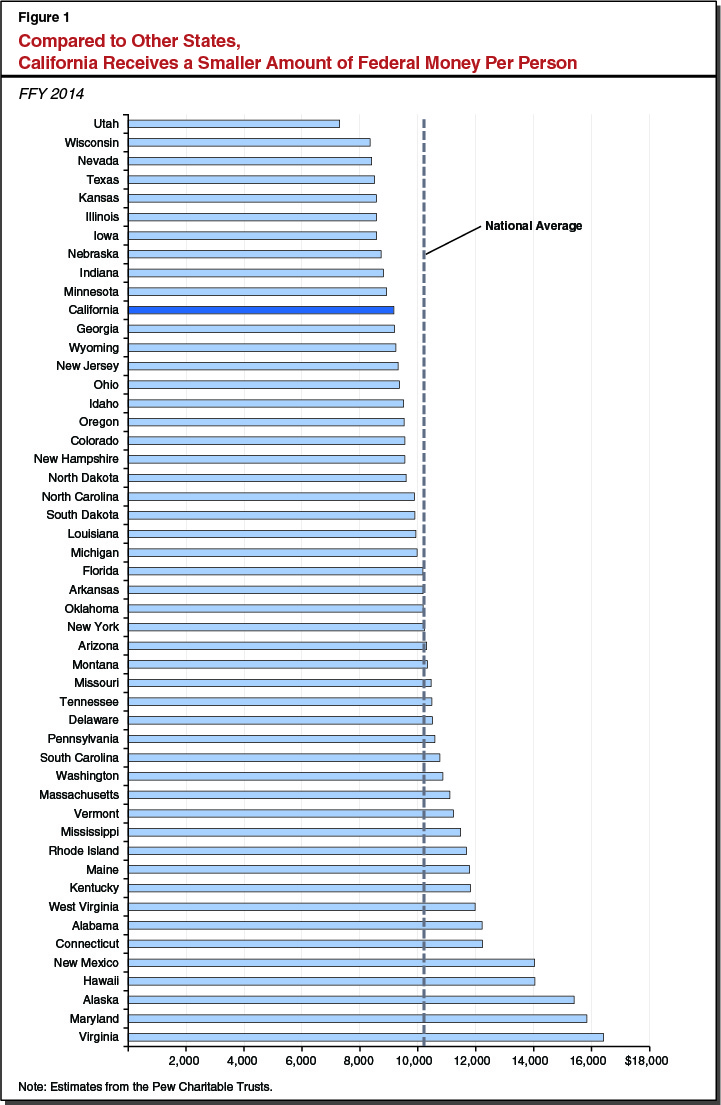
The “Golden State” consistently receives billions of dollars in federal allocations annually, making it one of the largest recipients in the nation. While these funds are primarily directed towards critical areas such as healthcare, education, social services, and defense, a considerable portion and its downstream effects directly bolster the state’s robust tourism industry. Understanding “how much” California benefits in federal funding requires looking beyond simple budgetary figures to comprehend the intricate web of support that underpins its tourism appeal. It’s not just about direct grants to tourism boards but about the foundational investments that create a safe, accessible, and attractive environment for both residents and visitors alike.
Federal Funding: The Foundation of California’s Diverse Tourism
Federal funding in California acts as a vital, often invisible, backbone for its thriving tourism sector. This massive inflow of resources, channeled through various federal agencies and programs, provides essential support for infrastructure development, environmental protection, cultural preservation, and public safety – all of which are indispensable for a high-quality tourist experience. Without these federal contributions, the burden on state and local governments to maintain and upgrade critical assets would be immense, potentially leading to deterioration of attractions, reduced accessibility, and a diminished overall visitor appeal.
Consider the sheer scale of California’s attractions. Its vast network of highways connects major metropolitan areas with remote natural wonders. Its world-renowned national parks require continuous maintenance and conservation efforts. Its vibrant cities host countless cultural institutions and events. Each of these elements, crucial to the state’s tourism identity, benefits directly or indirectly from federal appropriations. For instance, funds allocated for transportation infrastructure ensure smooth travel for tourists, while grants for environmental conservation safeguard the pristine beauty of its natural landmarks. This foundational support allows California to offer a consistent, high-standard experience across its diverse regions, from the urban exploration of Los Angeles to the wilderness adventures in Yosemite National Park. The cumulative effect of these myriad funding streams is a state better equipped to welcome and impress visitors from around the globe.
Investing in California’s Natural and Cultural Treasures
A significant portion of federal funding directed towards California plays a direct role in preserving and enhancing the natural and cultural assets that form the core of its tourism appeal.
Protecting Iconic National Parks and Wilderness Areas
California is home to an astonishing nine national parks, more than any other state, including treasures like Yosemite National Park, Joshua Tree National Park, Death Valley National Park, Sequoia National Park, and Redwood National and State Parks. The National Park Service, a federal agency, receives substantial funding from Congress to manage, protect, and maintain these natural wonders. This funding covers everything from trail maintenance and visitor center operations to wildlife conservation and educational programs. Without this federal support, the sheer cost of maintaining such vast and complex ecosystems would be prohibitive for the state alone, leading to potential degradation, reduced accessibility, and a less appealing experience for the millions who visit annually. These funds ensure that the awe-inspiring landscapes and unique biodiversity remain pristine for future generations of tourists and nature enthusiasts.
Preserving Historical Sites and Cultural Heritage
Beyond its natural beauty, California boasts a rich tapestry of history and culture. Federal grants and programs from entities like the National Endowment for the Humanities or the National Trust for Historic Preservation often find their way to California to support the preservation of historical landmarks, museums, and cultural institutions. These funds help restore historic missions, maintain iconic structures like the Golden Gate Bridge, and support local arts and culture initiatives in cities such as San Francisco and Los Angeles. Such investments not only safeguard irreplaceable heritage but also create compelling attractions for tourists interested in the state’s past and vibrant contemporary culture, ranging from the allure of Hollywood to the agricultural heritage of the Central Valley.
Infrastructure: Paving the Way for Visitors
Efficient and robust infrastructure is paramount for a seamless tourism experience, and federal funding is a major contributor to California’s ability to provide this. From major highways to public transportation networks, these investments directly impact how tourists navigate and enjoy the state.
Modernizing Transportation Networks
Federal highway funds allocated to California enable the state to build, repair, and maintain its extensive road network, including world-famous routes like the Pacific Coast Highway (Highway 1) which winds along stunning coastal vistas, captivating tourists in areas like Big Sur. These funds ensure smooth and safe travel, reduce congestion, and connect remote tourist destinations to urban centers. Additionally, federal grants support public transportation projects in major metropolitan areas, making it easier for visitors to explore cities like Los Angeles and San Francisco without relying solely on private vehicles. Improvements to airports and seaports, often bolstered by federal dollars, enhance accessibility for international and domestic travelers, serving as critical gateways to the state. The continued federal investment in intercity rail services, like those offered by Amtrak in California, also provides scenic and convenient travel options for tourists.
Bolstering Emergency Preparedness and Disaster Recovery
California is susceptible to natural disasters, including wildfires, earthquakes, and floods. Federal emergency management agencies provide critical funding for disaster preparedness, response, and recovery efforts. While primarily focused on saving lives and protecting property, these funds also play a crucial role in the rapid recovery of tourist-dependent regions. When a natural disaster impacts a destination, federal aid helps rebuild damaged infrastructure, restore utilities, and clean up affected areas, allowing tourism to resume much faster than it otherwise would. This resilience is vital for maintaining California’s reputation as a reliable and desirable travel destination, assuring visitors that even in the face of adversity, the state can recover and remain welcoming.
Economic Resilience and Community Enhancement
Beyond direct investment in tourism-specific projects, the overall federal funding that California receives contributes to broader economic stability and community development, indirectly yet significantly boosting its appeal as a tourist destination. These funds support local businesses, foster innovation, and enhance the quality of life for residents, all of which contribute to a vibrant and welcoming environment for visitors.
Federal programs for economic development can provide grants and loans to small businesses, many of which are in the hospitality and service sectors that cater to tourists. This support helps create jobs, stimulates local economies in towns near tourist hubs like those around Lake Tahoe or Sacramento, and ensures that visitor services – from boutique hotels to local restaurants – remain robust and diverse. Furthermore, federal funding for education and workforce development contributes to a skilled labor pool, which is essential for providing high-quality service in the tourism industry.
Additionally, federal investments in public health, housing, and social services contribute to the overall well-being and safety of California’s communities. A state that is safe, healthy, and prosperous for its residents is inherently more attractive to tourists. It ensures that local communities can maintain their unique character and charm without being overwhelmed by the pressures of economic hardship, preserving the authentic experiences that many travelers seek. The synergy between these various federal investments creates a holistic environment where tourism can not only thrive but also enrich the lives of both visitors and residents.

The Future of California Tourism Through Federal Partnership
The question of “How Much Does California Get In Federal Funding?” reveals a continuous, multi-billion-dollar stream of investment that is inextricably linked to the state’s success as a premier global tourism destination. While the precise figures fluctuate year to year based on federal budgets, policy priorities, and specific needs arising from events like natural disasters, the overall magnitude of federal support remains substantial and indispensable. This funding ensures the state’s natural wonders are protected, its cultural heritage is preserved, its infrastructure can accommodate millions of travelers, and its communities remain vibrant and welcoming.
Looking ahead, the partnership between federal investment and California’s tourism future is poised to continue evolving. As new challenges arise, such as climate change impacts on natural attractions or the need for upgraded digital infrastructure, federal funding will remain a critical resource. It will enable California to innovate in sustainable tourism, adapt to changing traveler preferences, and maintain its competitive edge on the international stage. Ultimately, the federal dollars flowing into California are not just financial allocations; they are investments in the enduring appeal and accessibility of one of the world’s most beloved travel destinations.
LifeOutOfTheBox is a participant in the Amazon Services LLC Associates Program, an affiliate advertising program designed to provide a means for sites to earn advertising fees by advertising and linking to Amazon.com. Amazon, the Amazon logo, AmazonSupply, and the AmazonSupply logo are trademarks of Amazon.com, Inc. or its affiliates. As an Amazon Associate we earn affiliate commissions from qualifying purchases.