
Navigating California: Why a Local ID Matters for Extended Stays
California, a land of diverse landscapes and vibrant cities, beckons millions of visitors annually. While most tourists arrive with a passport or out-of-state driver’s license, those planning an extended stay, perhaps for several months for work, study, or simply a prolonged exploration of the Golden State, might find themselves contemplating the practicality and necessity of obtaining a California Identification Card. This seemingly bureaucratic detail can significantly streamline various aspects of local life, from renting a car for a road trip along the Pacific Coast Highway to accessing certain services or even simply proving age at a local establishment without constantly flashing a valuable passport.

The decision to acquire a California ID is often driven by convenience and security. Carrying a passport, especially for international visitors, can be risky. Loss or theft of this crucial document can derail travel plans and cause immense stress. A state-issued ID provides a reliable, less valuable alternative for everyday identification needs. For domestic visitors, an out-of-state driver’s license generally suffices, but a California ID can simplify local interactions, particularly if one is settling in for a considerable period. It also serves as a crucial document for individuals who do not drive but require official identification. Understanding the process, requirements, and crucially, the cost, is an essential tip for any long-term visitor or temporary resident seeking to immerse themselves fully in the California experience.
Who Benefits Most from a California ID During Their Visit?
While not mandatory for short-term tourists, a California ID becomes a valuable asset for several groups:
- International Visitors on Extended Visas: Students, temporary workers, or those on long-term tourist visas often find a local ID invaluable for opening bank accounts, signing leases, or simply as a secure form of identification in daily life.
- Domestic Travelers on Sabbaticals or Relocation: Individuals exploring a potential move to California or taking an extended break might prefer a local ID for ease of access to services and to avoid carrying their primary out-of-state driver’s license.
- Non-Drivers: For those who don’t drive, a California ID is the primary form of government-issued identification available, crucial for age verification and other identity-dependent transactions.
The Investment: Official Fees and Hidden Costs of a California ID
Understanding the monetary commitment is often the first step for prospective applicants. The official fees for a California ID card are relatively modest and set by the Department of Motor Vehicles (DMV). However, “cost” extends beyond the simple fee paid at the counter. It encompasses the time, effort, and potential ancillary expenses involved in gathering the necessary documentation and navigating the application process.
Official DMV Fees for a California ID
As of recent updates, the standard fee for an original California ID card for individuals aged 18 and older is typically around $39. For minors aged 15-17, the fee is generally slightly lower, approximately $33. It’s important to note that these figures are subject to change, and prospective applicants should always verify the latest fees directly on the official California DMV website or by contacting a local DMV office. These fees are typically non-refundable, even if the application is denied due to incomplete documentation or eligibility issues.
Beyond the Fee: Hidden Costs and Time Investment
While the fee is straightforward, the “cost” of obtaining a California ID can extend to several indirect expenses and investments of time:
- Gathering Documentation: Applicants must provide proof of identity, residency, and social security number. For international visitors, this might involve translating documents, which can incur professional translation fees. Even for domestic visitors, obtaining certified copies of birth certificates or other proofs can sometimes carry a small cost.
- Travel to DMV Offices: Depending on your location within California, travel to a DMV office can involve transportation costs (gas, public transit fares) and, more significantly, time away from other tourist activities or work. Waiting times at DMV offices can also be substantial, representing a considerable time investment. Utilizing the online appointment system is a smart tip to minimize this.
- Photos: While the DMV typically takes your photo on-site, ensuring you are well-prepared and presentable for the photo means you’re investing a little extra effort into the process.
- Opportunity Cost: For a tourist, time is precious. Spending hours at the DMV means less time exploring San Francisco’s iconic landmarks, enjoying the beaches of San Diego, or hiking in Yosemite National Park. This lost opportunity is a real, albeit intangible, cost.
Understanding these multifaceted costs allows visitors to make an informed decision about whether a California ID is a worthwhile investment for their specific travel plans and needs.
Real ID vs. Standard ID: What Tourists Need to Know for Seamless Travel
For travelers within the United States, the distinction between a Standard California ID and a Real ID compliant ID is paramount, especially when it comes to domestic air travel. The Real ID Act, passed by Congress in 2005, established minimum security standards for state-issued driver’s licenses and identification cards. These standards are crucial for determining which forms of identification are acceptable for specific federal purposes, such as boarding domestic flights and accessing certain federal facilities.
The Significance of Real ID for Domestic Travel
A Real ID compliant California ID or driver’s license is identifiable by a star symbol, typically gold or black, located in the upper right-hand corner of the card. After the federal enforcement deadline, travelers aged 18 and older will need a Real ID compliant license or ID card, or another acceptable form of identification (like a passport), to fly within the United States or enter secure federal facilities.
For tourists, this means:
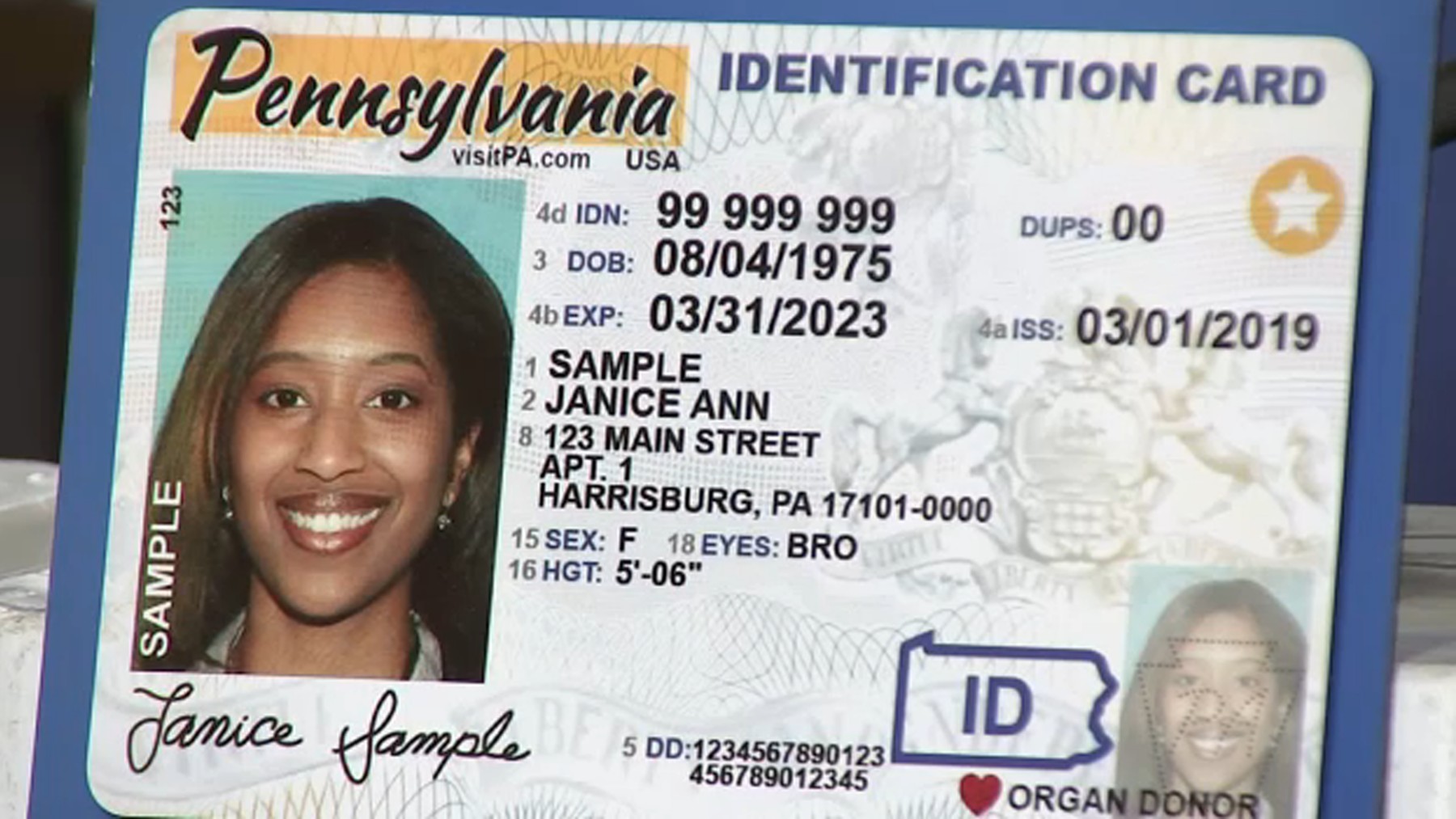
- Domestic Flight Convenience: If you plan to take internal flights within California (e.g., from Los Angeles to San Francisco) or to other states during your extended visit, obtaining a Real ID compliant California ID can be incredibly convenient. Without it, you would need to use an alternative acceptable ID, most commonly your passport.
- Access to Federal Facilities: While less common for the average tourist, a Real ID is also required for access to certain federal facilities, such as military bases.
Standard ID: When It Suffices
A Standard California ID card, which does not have the star symbol, is still a valid form of identification for many purposes within the state. It can be used for:
- Age Verification: For purchasing alcohol, entering age-restricted venues, or cannabis dispensaries.
- Proof of Identity: For opening bank accounts, receiving mail, or cashing checks (though some institutions might require additional forms of ID for non-residents).
- Driving: If you possess a valid out-of-state or international driver’s license, you can generally drive in California for a limited period. The Standard ID serves purely as identification in this case.
For tourists, the choice between a Real ID and a Standard ID depends on their travel plans. If domestic air travel is on the agenda, investing the extra effort to obtain a Real ID compliant card is a highly recommended tip to avoid potential hassles at airport security checkpoints. The documentation requirements for a Real ID are more stringent, requiring proof of identity, social security number, and two proofs of residency, so be prepared with these documents.
Streamlining Your Visit: The Application Journey for Non-Residents
The process of obtaining a California ID, while manageable, requires careful attention to detail, especially for those who are not permanent residents. The key to a smooth application is thorough preparation and understanding the specific requirements set forth by the California Department of Motor Vehicles.
Essential Steps for Application
- Complete the Application Form (DL 44): This form can be filled out online beforehand and printed, or obtained at a DMV office. Filling it out online can save time during your visit.
- Gather Required Documents: This is the most critical step. You will need:
- Proof of Identity: For international visitors, a valid foreign passport with an unexpired visa and I-94 (Arrival/Departure Record) is typically required. For domestic visitors, an out-of-state driver’s license, birth certificate, or U.S. passport works.
- Proof of Social Security Number (SSN): Your SSN card, a W-2 form, or a pay stub with your SSN. If you are an international visitor without an SSN and are ineligible for one, you may need to provide proof of your ineligibility from the Social Security Administration.
- Proof of California Residency (Two Documents): This is often the trickiest part for temporary visitors. Acceptable documents include utility bills, rental agreements, bank statements, or even a letter from an employer or school within California confirming your local address. For a Real ID, two different documents are required.
- Schedule an Appointment: While walk-ins are sometimes accepted, scheduling an appointment online with the California DMV is highly recommended. This significantly reduces waiting times and makes the process more efficient, allowing you more time for sightseeing.
- Visit the DMV: On the day of your appointment, bring all your original documents. Be prepared for a vision test (though often not strictly for ID cards, it’s good to be ready), having your photo taken, and paying the application fee.
- Receive Your Temporary ID: If your application is successful, you will receive a temporary paper ID. Your permanent plastic ID card will be mailed to your California address within a few weeks.
Tips for International and Long-Term Visitors
- Check Visa Status: Ensure your visa status allows for the issuance of a California ID. Most non-immigrant visas (e.g., F-1 student, H-1B work, J-1 exchange, or even long-term B-2 tourist visas) are generally acceptable, but always confirm current regulations.
- Establish Residency Early: If you plan to get an ID, start gathering residency documents as soon as you arrive. A rental agreement or a letter from a host family can be crucial.
- DMV’s Online Resources: The California DMV website offers an interactive “checklist” tool to help you identify exactly which documents you’ll need for your specific situation. Utilize this tool to avoid multiple trips.
- Patience is Key: Government processes can take time. Plan for potential delays and visit the DMV well in advance of when you actually need the ID.
Beyond Identification: The Broader Benefits for the Discerning Traveler
While the primary function of a California ID is identification, its value for a long-term tourist or temporary resident extends into enhancing the overall travel experience, offering convenience, security, and a sense of local integration. It’s more than just a piece of plastic; it’s a tool that can unlock smoother interactions and provide peace of mind.
Convenience in Everyday Transactions
Imagine wanting to rent a paddleboard at Santa Monica Beach, buy wine in Napa Valley, or pick up a package at the post office. While a passport often works, a California ID is often preferred by local businesses and service providers as it’s easily recognizable and processed. It reduces the slight hesitation sometimes encountered when presenting an international passport, which may require extra verification steps. Furthermore, for those who use ridesharing services, having a local ID can sometimes make driver verification quicker.
Security and Peace of Mind
For international visitors especially, carrying a passport day in and day out is a security risk. The loss or theft of a passport is a major headache, involving embassy visits, emergency travel documents, and potential delays to onward travel. A California ID provides a secure and less valuable alternative for daily identification, allowing you to keep your passport safely stored at your accommodation. This simple switch drastically reduces the anxiety associated with protecting such a critical document, letting you focus more on enjoying California’s attractions.

Streamlined Local Experiences
Whether you’re signing up for a local gym membership, renting a bicycle in San Diego, or even registering for a community class, a California ID signals a level of local establishment that can streamline these processes. It subtly communicates that you are more than just a fleeting visitor, potentially opening doors to smoother interactions with local service providers who are accustomed to verifying identities with state-issued cards. This sense of belonging, however minor, can enrich the cultural immersion experience.
In conclusion, while the monetary cost of a California ID is minimal, the true value lies in the convenience, security, and seamless integration it offers to long-term visitors. It’s a pragmatic investment that can significantly enhance your extended stay, allowing you to navigate the Golden State with greater ease and peace of mind.
LifeOutOfTheBox is a participant in the Amazon Services LLC Associates Program, an affiliate advertising program designed to provide a means for sites to earn advertising fees by advertising and linking to Amazon.com. Amazon, the Amazon logo, AmazonSupply, and the AmazonSupply logo are trademarks of Amazon.com, Inc. or its affiliates. As an Amazon Associate we earn affiliate commissions from qualifying purchases.