
Driving through the picturesque landscapes and vibrant cities of California is an unforgettable experience, whether you’re cruising down Highway 1 or navigating the urban sprawl of Los Angeles. However, amidst the beauty, it’s crucial to be aware of the state’s strict distracted driving laws, particularly concerning cell phone usage. A momentary lapse in judgment can lead to a significant financial penalty, impacting your travel budget and overall experience. Understanding the specifics of these laws and the costs associated with a cell phone ticket is essential for anyone behind the wheel in the Golden State, from seasoned residents to first-time visitors exploring its wonders.
Understanding California’s Distracted Driving Laws
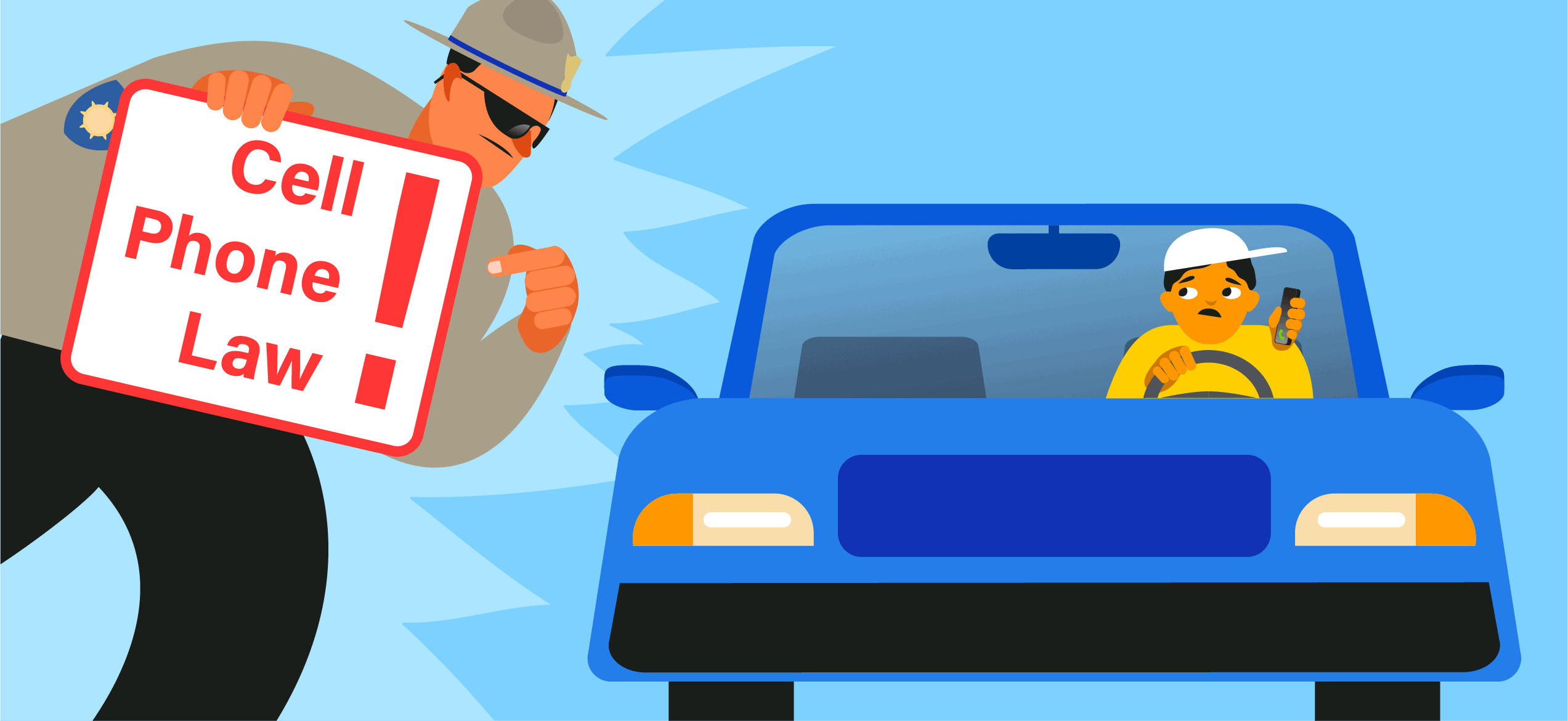
California has been at the forefront of combating distracted driving, implementing comprehensive laws designed to enhance road safety. The primary focus of these regulations is to minimize drivers’ interaction with electronic devices, thereby reducing the risk of accidents caused by inattention. For travelers and locals alike, knowing the nuances of these statutes is key to avoiding an unwelcome citation.
The Primary Offense Rule
One of the most important aspects of California’s cell phone law is that it operates under a “primary offense” rule. This means that a law enforcement officer can stop you solely for a cell phone violation, even if you haven’t committed any other traffic infraction. Unlike some other states where a cell phone violation might only be a secondary offense (meaning you’d need to be stopped for something else first), in California, using your phone improperly is reason enough for a stop. This highlights the seriousness with which the state approaches distracted driving and underscores the need for constant vigilance.
Specifics of the Law: Handheld vs. Hands-Free
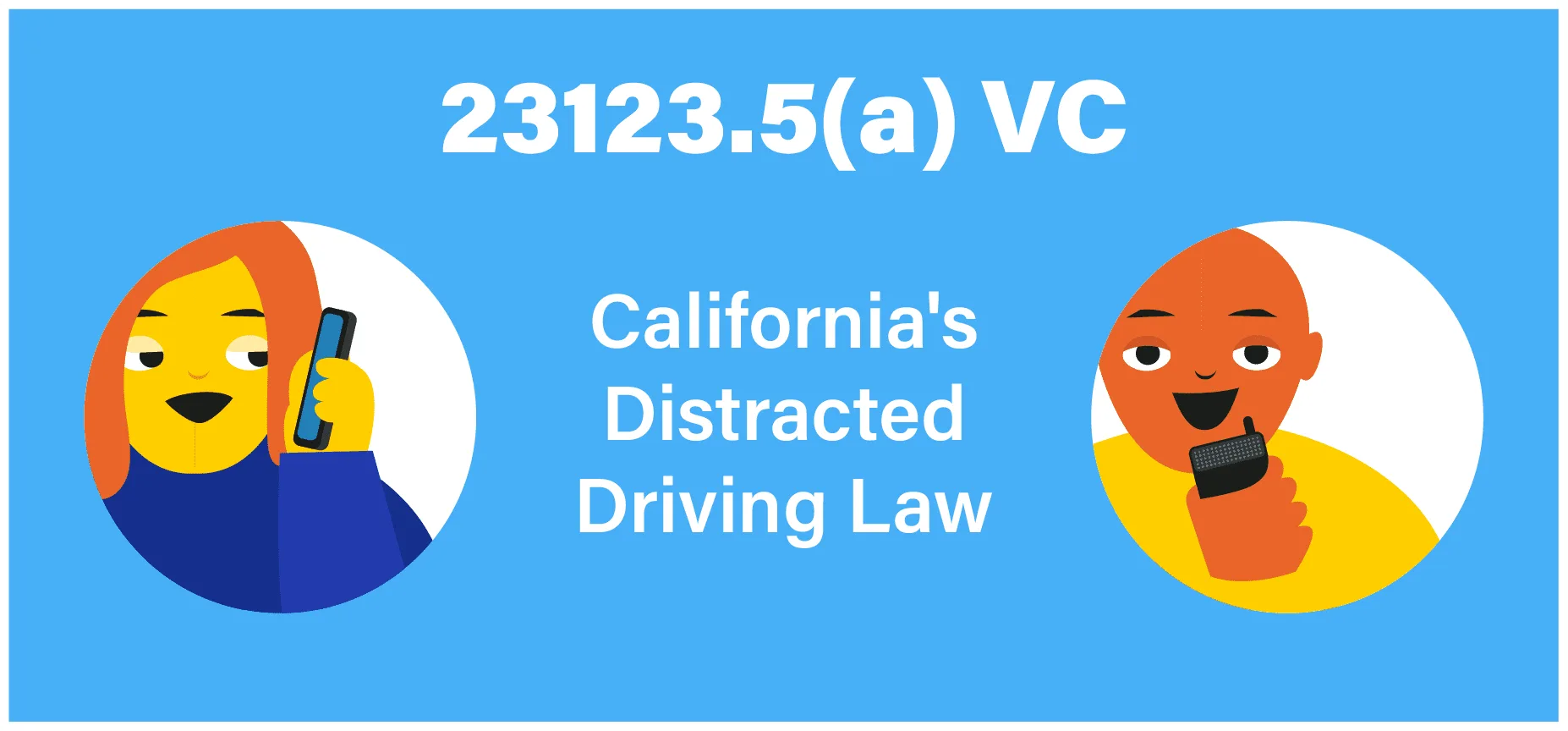
The core of California’s cell phone law, as codified in Vehicle Code Section 23123 and Vehicle Code Section 23123.5, prohibits drivers from operating a motor vehicle while holding and operating a cell phone or any other electronic wireless communications device. This applies to talking, texting, mapping, or any other function that requires you to hold the device.
There are specific exceptions and allowances:
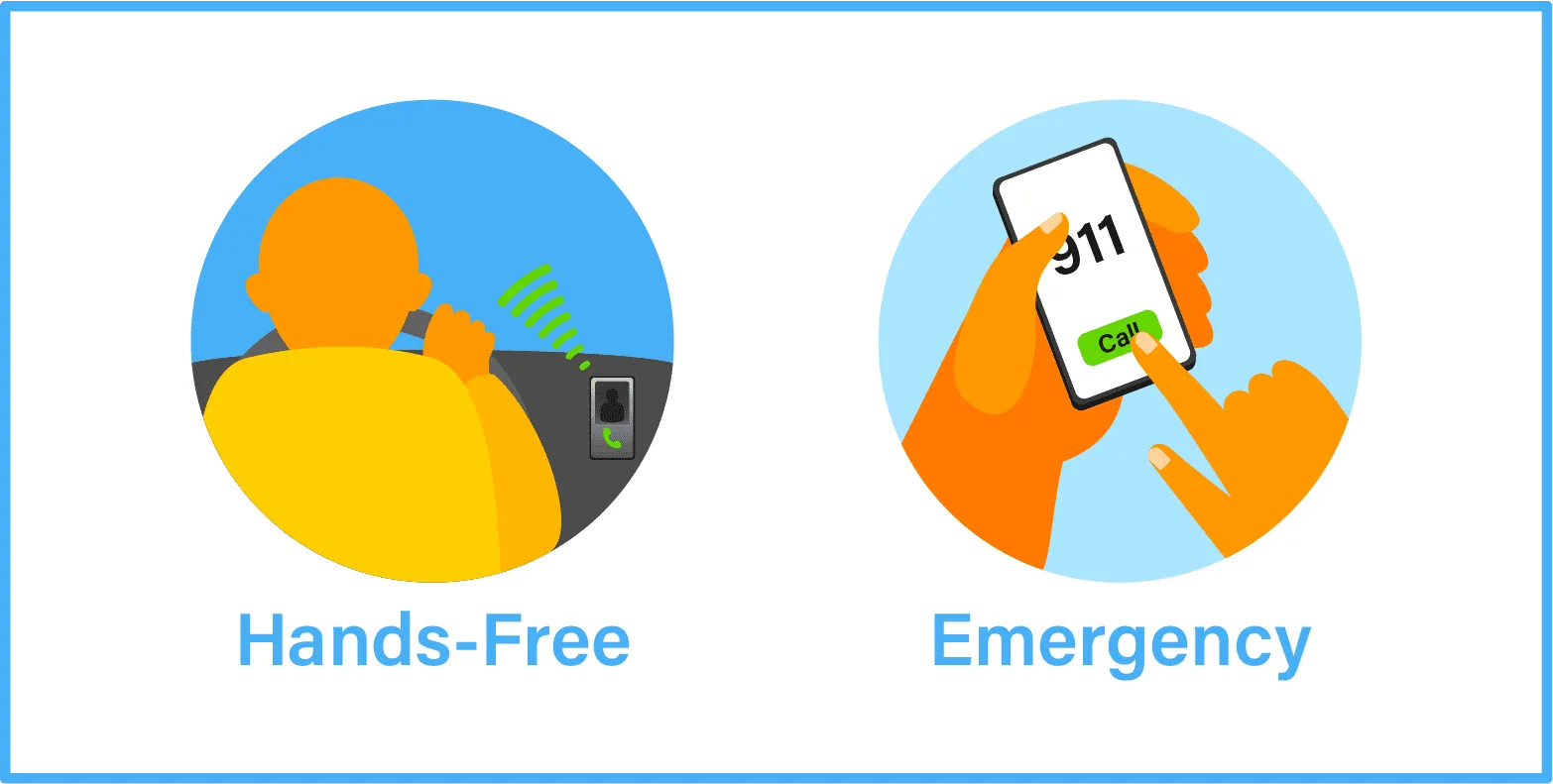
- Hands-Free Operation: Drivers 18 years and older may use a cell phone or electronic wireless communications device only if it is hands-free. This means the device must be mounted on the windshield, dashboard, or center console in a manner that does not obstruct the driver’s view and allows for voice-activated or single-swipe activation. You cannot hold the phone in your hand to make calls, send texts, or navigate.
- Drivers Under 18: For drivers under the age of 18, all use of a cell phone or electronic wireless communications device, even hands-free, is prohibited. This stricter rule emphasizes the state’s commitment to protecting younger, less experienced drivers.
- Emergency Situations: The law does allow for the use of a cell phone to make emergency calls to law enforcement, medical providers, the fire department, or other emergency services when circumstances make it necessary and when it is unsafe to pull over.
- GPS Devices: Dedicated GPS devices are generally permitted, provided they are mounted appropriately and do not require holding. If you are using a phone as a GPS, it must also be mounted hands-free.
It’s crucial to understand that “holding” is interpreted broadly. Even resting the phone on your lap and glancing at it, or picking it up briefly, can constitute a violation if an officer observes it. The safest approach is to set up your navigation, music, or communication entirely before you begin driving, and utilize only voice commands or properly mounted hands-free systems while on the road.
The Cost of a Cell Phone Ticket: Breaking Down the Fines
The financial repercussions of a cell phone ticket in California can be surprisingly substantial, often exceeding initial expectations due to various fees and surcharges. It’s not just the base fine; several additional assessments can quickly inflate the total amount. These costs can significantly impact a traveler’s budget or a resident’s monthly expenses.
Base Fines and Penalties
For a first offense, the base fine for a handheld cell phone violation is $20. This might seem relatively low, but it’s important to remember that this is just the starting point. Subsequent offenses incur a base fine of $50.
However, the “true” cost is much higher once various state and county assessments, surcharges, and fees are added. These additional charges, often referred to as “penalty assessments,” can multiply the base fine by five to ten times.
Court Fees and Assessments
When you receive a traffic ticket in California, it’s subject to a complex system of fees that fund various state and local programs. These include:
- State Penalty Assessment: A significant multiplier on the base fine.
- County Penalty Assessment: Another multiplier specific to the county where the ticket was issued.
- Court Construction Fee: Funds for building and maintaining courthouses.
- Emergency Medical Services Fund: Supports emergency services.
- Night Court Fee: If applicable in your jurisdiction.
- Traffic Violator School Fee: If you elect to attend traffic school.
As a result, a $20 base fine for a first-time cell phone ticket can easily escalate to a total payment ranging from $150 to $250 or more, depending on the specific county and the exact combination of fees. For a second offense, with a base fine of $50, the total cost can easily climb to $350 or more. These figures can be a considerable shock to travelers unaware of California’s fee structure, potentially derailing budget plans for accommodations, dining, or attractions.
Traffic School and Insurance Impacts
In addition to the immediate financial outlay, a cell phone ticket can have longer-term consequences.
- Point on Driving Record: A first-time cell phone violation typically does not result in a point on your driving record. However, a second or subsequent violation within 36 months will add one point to your record. Accumulating points can lead to increased insurance premiums or, in severe cases, even license suspension.
- Traffic School Eligibility: For a first offense that does not carry a point, you might not be offered traffic school as an option. If you receive a point-carrying violation (e.g., a second cell phone ticket), you might be eligible to attend traffic school. Successfully completing traffic school can prevent the point from appearing on your public driving record, thus helping to keep your insurance rates from increasing. However, attending traffic school involves its own fee, in addition to the ticket fine.
- Insurance Premiums: Even if a first offense doesn’t add a point, your insurance company might still be notified of the violation. Many insurers view any traffic infraction as an increased risk, potentially leading to higher premiums upon policy renewal. It’s advisable to check with your insurance provider about their specific policies regarding minor traffic violations. For travelers, this might not directly impact your current policy if you’re from out-of-state or another country, but it’s still a record of violation.
Avoiding a Ticket: Smart Driving Practices for Travelers
For visitors exploring California’s diverse regions, from the vineyards of Napa Valley to the deserts near Palm Springs, avoiding a cell phone ticket is straightforward with a bit of preparation and mindful driving. These practices not only save you money but also significantly enhance your safety and the safety of others on the road.
Hands-Free Devices and Mounts
The simplest and most effective way to comply with California’s law is to utilize hands-free technology. Before you even start your engine, ensure your phone is securely mounted in a cradle on your dashboard, windshield, or center console. Most rental cars now come with Bluetooth connectivity, allowing you to pair your phone for calls and audio streaming without ever touching the device. If your rental car lacks this feature, investing in a good quality magnetic or suction-cup mount is a wise decision. Familiarize yourself with voice commands for navigation, answering calls, and changing music to keep your hands on the wheel and your eyes on the road.
Planning Your Route Before Driving
Many drivers fall prey to violations while attempting to input directions or check maps on the go. Prevent this by planning your route meticulously before you set off. Enter your destination into your GPS or mapping app while parked and confirm the route. If you anticipate needing to make adjustments, pull over safely to a parking lot or designated rest stop. Never attempt to re-route or search for new destinations while driving, even at a red light or in heavy traffic, as this still constitutes holding and operating the device.
Pulling Over Safely
If you absolutely must use your phone for a non-emergency reason that cannot be accomplished hands-free (e.g., sending a detailed text, looking up specific information, or simply needing a moment to focus on a conversation), the law permits use when operating the vehicle is no longer required. This means pulling completely off the road to a safe location where your vehicle is legally parked. Avoid stopping on the shoulder of a freeway unless it’s an emergency, as this can be dangerous. Look for gas stations, rest areas, or designated parking spots. A few minutes of extra planning and a safe stop are far preferable to a costly ticket and the potential danger of distracted driving.
What To Do If You Get a Ticket in California
Even with the best intentions, a momentary lapse can lead to a cell phone ticket. If you find yourself in this situation while traveling in California, understanding your options is crucial. The process might differ slightly for out-of-state or international drivers, but the core steps remain.
Pleading Guilty or Contesting
Upon receiving a ticket, you will generally have two main options:
- Plead Guilty and Pay the Fine: This is the most straightforward option. You pay the full fine and any associated fees by the due date specified on the citation. For a first-time cell phone ticket that does not carry a point, this resolves the matter, though it will still appear as a violation on your record.
- Contest the Ticket: If you believe you were wrongly cited, you have the right to contest the ticket in court. This involves appearing before a judge and presenting your case. You may want to gather any evidence, such as dashcam footage, witness statements, or proof that your device was hands-free and properly mounted. Contesting a ticket can be time-consuming and may require multiple court appearances, which can be particularly challenging for travelers. If you lose, you will still be responsible for the fine and may incur additional court costs.
Attending Traffic School
For certain violations, including possibly a second cell phone ticket that carries a point, you might be eligible to attend traffic school.
- Purpose: Completing an approved traffic violator school course prevents the point associated with the violation from being added to your public driving record. This is highly beneficial as it helps to keep your insurance premiums from rising.
- Requirements: To be eligible, you usually must have a valid driver’s license, not have attended traffic school for another violation within the last 18 months, and the violation must be a minor moving violation.
- Process: If eligible, you’ll pay your fine plus a separate traffic school administrative fee. You then complete the course, typically online, by a specified deadline. Once completed, the school notifies the court and the DMV.
Seeking Legal Advice
If you have a complex case, multiple violations, or are concerned about the impact on your driving record or insurance, it might be beneficial to seek legal advice from a California traffic attorney. They can assess your situation, explain your rights, and potentially represent you in court. While this incurs legal fees, it could be a worthwhile investment if it helps avoid significant long-term consequences, especially for those who frequently drive in California or rely on a clean driving record for work.
Navigating California’s roads responsibly means understanding its rules, particularly those designed to combat distracted driving. A cell phone ticket is more than just an inconvenience; it’s a significant financial hit that can easily detract from the joy of experiencing this magnificent state. By practicing safe driving habits and being aware of the consequences, you can ensure your journey through California remains smooth, safe, and ticket-free.
LifeOutOfTheBox is a participant in the Amazon Services LLC Associates Program, an affiliate advertising program designed to provide a means for sites to earn advertising fees by advertising and linking to Amazon.com. Amazon, the Amazon logo, AmazonSupply, and the AmazonSupply logo are trademarks of Amazon.com, Inc. or its affiliates. As an Amazon Associate we earn affiliate commissions from qualifying purchases.