
For tourists exploring the scenic highways and bustling cities of California, understanding local driving laws is paramount for a smooth and enjoyable trip. Among the most commonly overlooked regulations, and one that can lead to unexpected financial penalties, are those concerning cell phone use while driving. While the lure of capturing a perfect sunset over the Pacific Coast Highway or quickly checking directions in Los Angeles might be strong, a simple glance at your phone can result in a costly citation. This guide provides essential information on California’s cell phone laws, the potential costs of a ticket, and crucial tips for visitors to avoid fines and ensure a worry-free journey.
Understanding California’s Cell Phone Laws for Tourists
California has some of the strictest cell phone laws in the United States, particularly for drivers. These laws are designed to minimize distracted driving, a leading cause of accidents. As a tourist, familiarity with these regulations is not just about avoiding a ticket, but about ensuring your safety and the safety of others on the road.
The Legal Framework
The primary law governing cell phone use in California is Vehicle Code (VC) 23123.1, which prohibits a person from driving a motor vehicle while holding and operating a cell phone. This isn’t just about making calls; it extends to texting, checking social media, taking photos, or using navigation apps if the phone is held in hand. Even if you’re stopped at a red light or in traffic, the law still applies. The only exception to this “holding and operating” rule is if the phone is mounted to the dashboard or windshield, allowing for hands-free, single-swipe or tap operation.
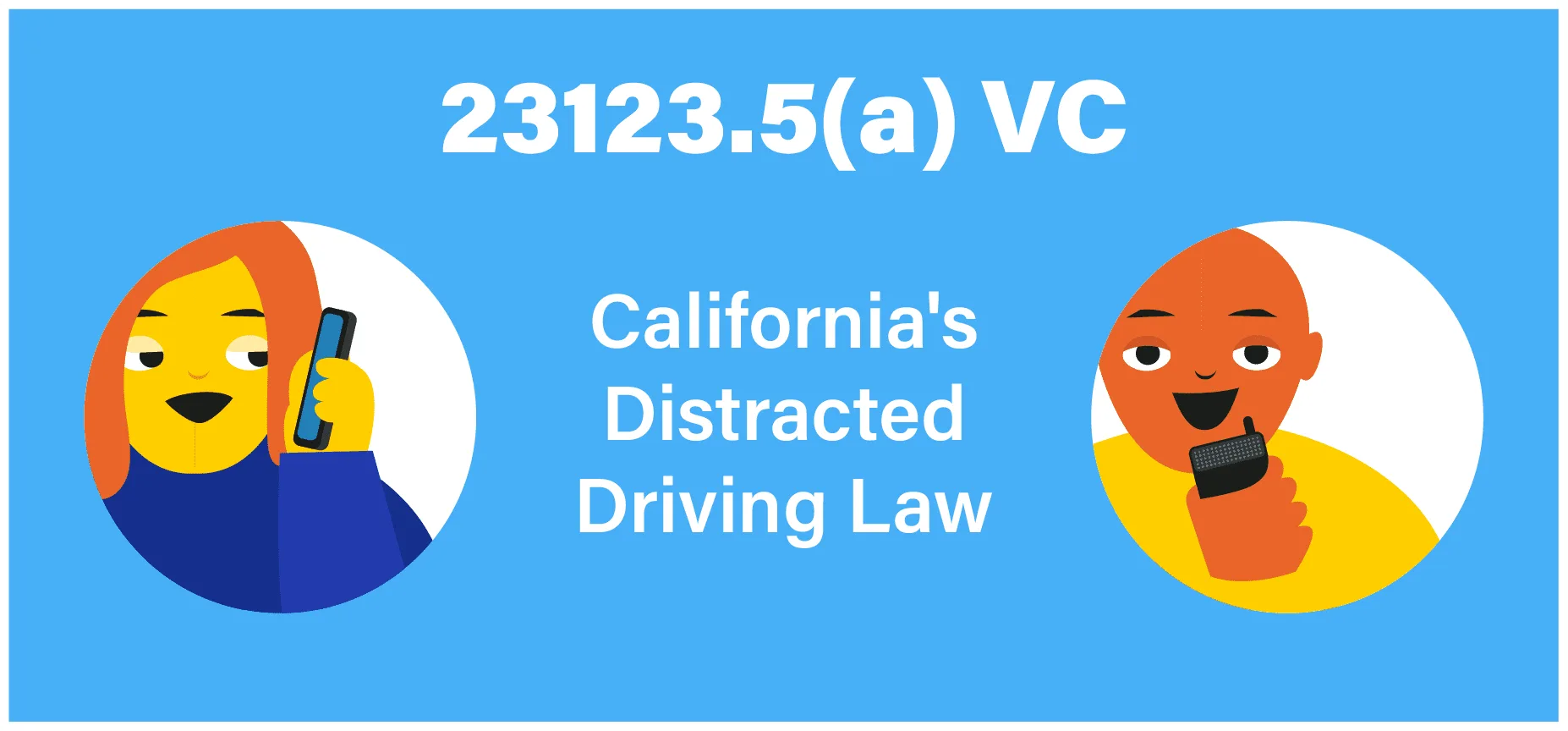
Furthermore, California VC 23123.5 specifically addresses texting while driving, making it illegal to write, send, or read a text message while operating a motor vehicle. This often falls under the broader distracted driving regulations but emphasizes the dangers of text-based communication behind the wheel.
Hands-Free vs. Handheld
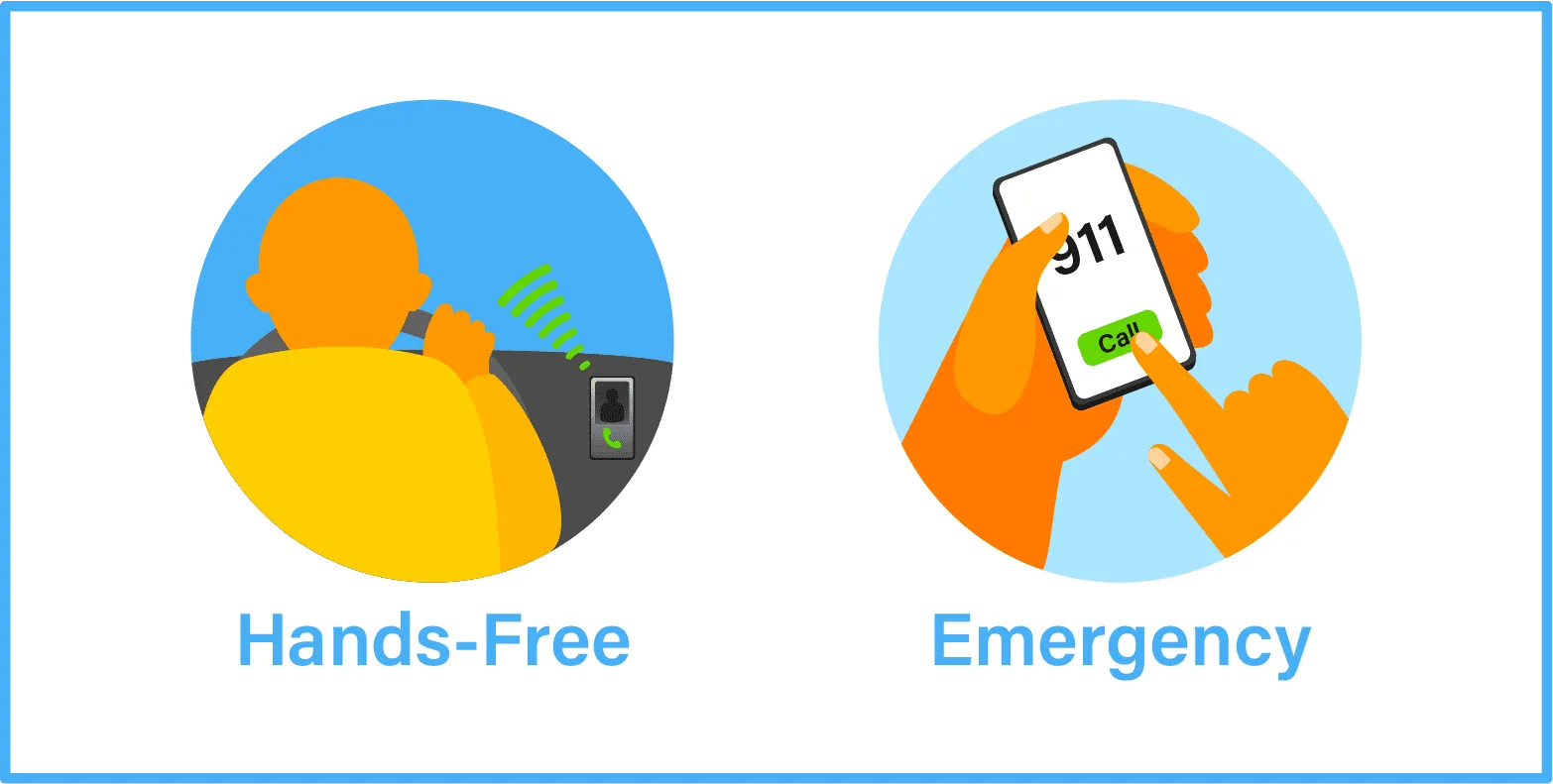
The distinction between hands-free and handheld is critical. In California, it is generally legal for adult drivers (18 and older) to use a cell phone for voice communication only if it is used in a hands-free manner. This means using a Bluetooth headset, an earpiece, or the phone’s speakerphone function, provided the device itself is not being held in your hand. The phone must be mounted securely on the dashboard, windshield, or center console, allowing the driver to activate or deactivate a function with a single swipe or tap, and without obstructing the driver’s view.
For drivers under the age of 18, the laws are even stricter. California Vehicle Code 23124 prohibits any use of a wireless telephone or electronic communication device, even hands-free, by drivers under 18. This means young visitors driving in California cannot use cell phones in any capacity while operating a vehicle.
Exceptions and Special Cases
There are very limited exceptions to California’s cell phone laws. The most significant exception is for emergencies. Drivers are permitted to use a handheld cell phone to contact law enforcement, a medical provider, the fire department, or other emergency services when there is an immediate threat to life or property. Outside of these critical situations, drivers should assume that any handheld use of a cell phone is prohibited. This applies universally, whether you’re a local resident or a tourist unfamiliar with the area.
The Cost of a Cell Phone Ticket: What Tourists Should Expect
Receiving a cell phone ticket in California can be a frustrating and surprisingly expensive experience for tourists. Unlike some minor traffic infractions, the costs associated with these tickets extend far beyond the initial base fine. Understanding the full financial implications can help reinforce the importance of adherence to the law.
Base Fines and Penalties
For a first offense, the base fine for a handheld cell phone ticket (VC 23123.1) or a texting while driving ticket (VC 23123.5) in California is typically around $20. While this might seem minimal, it’s crucial to understand that this is just the starting point.
Subsequent offenses carry higher base fines:
- Second offense: The base fine increases to $50.
- Third and subsequent offenses: The base fine increases to $50 for each additional offense.
These base fines are subject to various state and county surcharges, assessments, and fees, which dramatically inflate the total amount due.
Additional Fees and Surcharges
The base fine is only a fraction of what you’ll actually pay. California adds numerous “penalty assessments” and fees to traffic tickets, which can multiply the base fine by as much as 5 to 7 times. These additions include:
- State Penalty Assessment: A significant multiplier on the base fine.
- County Penalty Assessment: Another multiplier specific to the county where the ticket was issued.
- Court Construction Fee: Contributes to courthouse construction.
- Emergency Medical Services (EMS) Fund: Supports emergency medical services.
- Night Court Fee: Applies even if you don’t go to night court.
- Traffic Violator School Fee: If you opt for traffic school.
Due to these various add-ons, a first-offense cell phone ticket that starts with a $20 base fine can easily become a total of $160 or more. A second offense, with a $50 base fine, can quickly escalate to over $250. These significant costs can certainly put a dent in a tourist’s travel budget, making prevention far more desirable than payment.
Impact on Your Driving Record
For most adult drivers, a first-time cell phone ticket for holding a phone while driving (VC 23123.1) is considered a “non-point” violation. This means it typically does not add a point to your driving record, which is good news for tourists concerned about their out-of-state or international driving records.
However, subsequent offenses (a second or more tickets for the same violation within a 36-month period) do result in one point being added to your driving record. Accumulating points can lead to increased insurance premiums, and if enough points are accrued within a certain timeframe, it can even result in a license suspension, which would be a severe disruption for any tourist.
Texting while driving tickets (VC 23123.5) are also considered point violations from the second offense onward.
Traffic School as an Option
In some cases, if you receive a cell phone ticket that is a non-point violation, you may be eligible to attend traffic school. Successfully completing traffic school can prevent the violation from being reported to the Department of Motor Vehicles (DMV) and thus avoid any potential impact on your driving record. This is particularly beneficial for tourists who might have concerns about how a California ticket could affect their driving privileges or insurance rates back home.
However, attending traffic school itself incurs an additional fee, typically paid to the court and the traffic school provider. This can add another $50-$100 to the total cost, on top of the ticket fine. Eligibility for traffic school is usually only offered for eligible non-point violations and if you haven’t attended traffic school for another violation within the past 18 months.
Tips for Tourists: Avoiding a Cell Phone Ticket in the Golden State
Avoiding a cell phone ticket in California is straightforward once you understand the rules. For tourists, incorporating these practices can ensure your trip remains enjoyable and free of unexpected fines.
Pre-Trip Preparation
- Plan Your Routes: Before you start driving each day, map out your destinations. Use your phone or a dedicated GPS device to program your route while parked and stationary.
- Secure Your Phone: Invest in a dashboard or windshield mount for your cell phone. This is a crucial step to make hands-free navigation legal and safe. Ensure it’s securely attached and doesn’t obstruct your view. Many rental cars in California offer built-in navigation or Apple CarPlay/Android Auto compatibility, which are excellent hands-free alternatives.
- Bluetooth Connectivity: Familiarize yourself with your vehicle’s Bluetooth system or bring a portable Bluetooth earpiece. Pair your phone before driving so you can make and receive calls without touching your device.
During Your Drive
- No Handheld Use, Period: The simplest rule is to avoid holding your phone for any reason while the vehicle is in motion or stopped in traffic. This includes checking maps, changing music, or quickly replying to a message.
- Pull Over for Important Tasks: If you need to make a call, send a text, look something up, or adjust your navigation extensively, pull off the road safely into a designated parking spot. Do not attempt these actions at a red light or in a traffic jam.
- Use Voice Commands: Leverage voice assistants like Siri or Google Assistant for calls, texts, and navigation commands. Most modern smartphones and vehicle infotainment systems support this feature.
Navigating Safely
- Pre-load Maps: If you anticipate driving through areas with spotty cell service, download offline maps before you depart. This ensures continuous navigation without needing to manipulate your phone.
- Designate a Passenger: If you’re traveling with companions, assign one person as the “navigator” or “DJ.” They can handle all phone interactions, ensuring the driver remains focused on the road.
- Consider a Dedicated GPS: While most phones offer excellent GPS capabilities, a dedicated GPS device ensures your phone remains free for emergency calls or other essential functions without risking a distracted driving violation.
What to Do If You Receive a Citation in California
Despite your best efforts, you might still find yourself receiving a cell phone ticket. As a tourist, knowing the proper steps to take can alleviate stress and help you manage the situation effectively.
- Be Polite and Cooperative: When stopped by law enforcement, always be polite and cooperative. Arguing or being confrontational will not help your situation.
- Review the Citation: Carefully read the ticket. It will contain information about the specific Vehicle Code section violated, the issuing agency, the due date for payment or appearance, and instructions on how to proceed.
- Understand Your Options:
- Pay the Fine: For many tourists, especially those from out-of-state or international locations, paying the fine is often the most practical option. This resolves the matter without requiring a court appearance. The ticket will usually provide instructions for online or mail payment.
- Contest the Ticket: If you believe the ticket was issued in error, you have the right to contest it in court. This typically involves appearing before a judge in the California county where the ticket was issued. This can be challenging for tourists due to travel logistics and time constraints.
- Traffic School: If eligible (first non-point offense), traffic school is an option to keep the violation off your driving record, though it incurs additional costs.
- Seek Legal Advice (Optional): For complex situations or if you intend to contest the ticket, consulting with a California traffic attorney might be beneficial. They can advise you on your rights and the best course of action.
- Address It Promptly: Do not ignore the ticket. Failing to respond by the due date can lead to additional penalties, a hold on your driver’s license (even if it’s an out-of-state or international license), or even a warrant for your arrest, creating significant complications for your travel plans.
By understanding California’s cell phone laws and the potential financial and legal consequences of a violation, tourists can drive more confidently and safely. Prioritizing hands-free communication and safe navigation practices will ensure your California adventure remains memorable for all the right reasons.
LifeOutOfTheBox is a participant in the Amazon Services LLC Associates Program, an affiliate advertising program designed to provide a means for sites to earn advertising fees by advertising and linking to Amazon.com. Amazon, the Amazon logo, AmazonSupply, and the AmazonSupply logo are trademarks of Amazon.com, Inc. or its affiliates. As an Amazon Associate we earn affiliate commissions from qualifying purchases.