
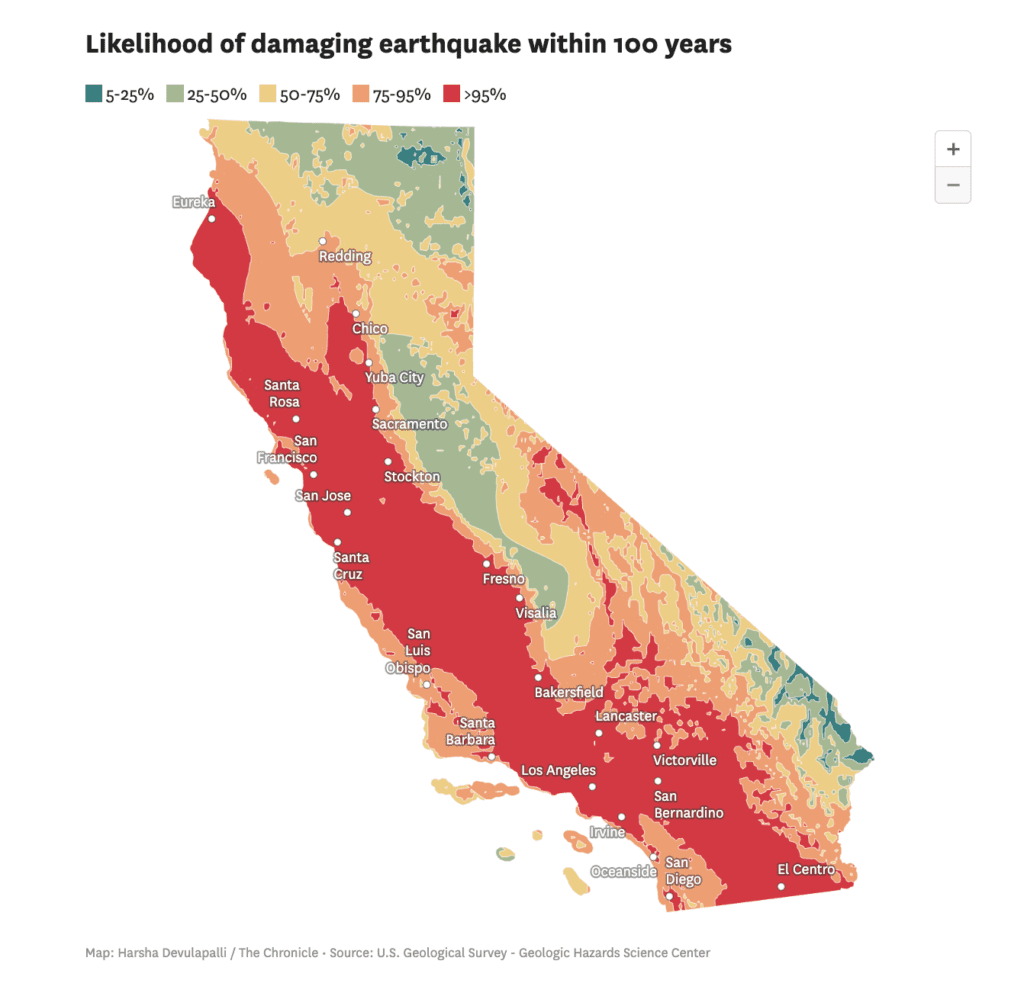
California, a state renowned for its sun-drenched beaches, vibrant cities, and iconic landmarks, is also undeniably situated on the Pacific Ring of Fire, a region highly susceptible to seismic activity. This geological reality necessitates a robust approach to personal safety and financial security for residents and visitors alike. While the allure of exploring destinations like Los Angeles or San Francisco, or enjoying the luxury of a stay at a resort in Palm Springs, often overshadows such considerations, understanding earthquake insurance is a crucial aspect of responsible travel and residency in the Golden State. This guide delves into the cost of California earthquake insurance, its coverage, and factors influencing its price, providing essential insights for anyone planning an extended stay or considering property ownership.
The Landscape of California Earthquake Insurance
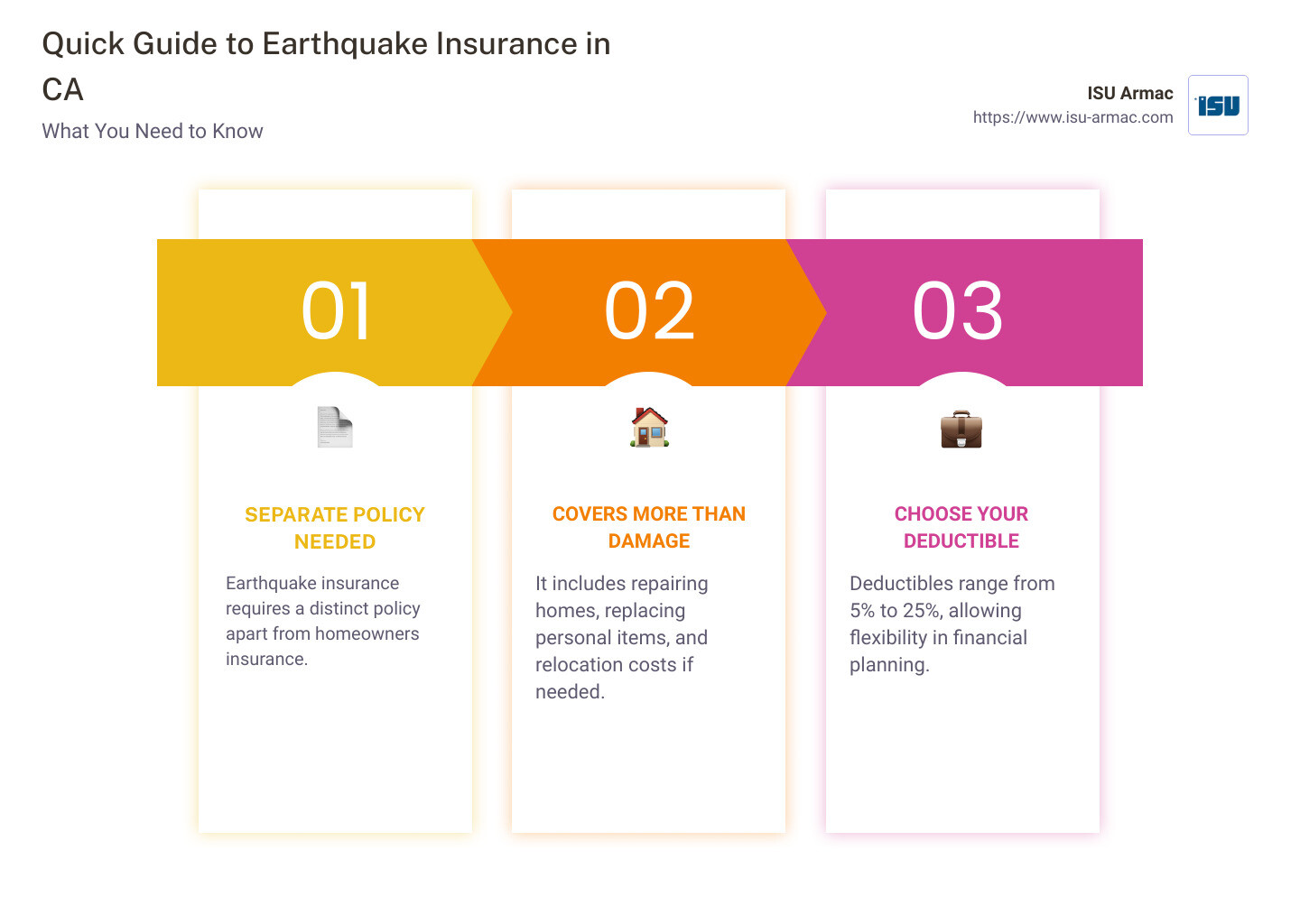
Earthquake insurance in California is not a standard component of homeowners or renters insurance policies. Instead, it is an optional endorsement or a standalone policy that must be purchased separately. This separation is largely due to the catastrophic nature and unpredictable frequency of earthquakes, which pose a significant risk for insurers. The California Earthquake Authority (CEA) is the primary provider of earthquake insurance, established by the state legislature in 1996 to offer more accessible and affordable coverage. While private insurers also offer policies, the CEA remains the dominant player.
The cost of earthquake insurance is not a fixed national rate; it fluctuates based on a multitude of variables, making a precise universal figure impossible to state. However, understanding these determinants is key to budgeting and making informed decisions. Generally, premiums are calculated on a policy-by-policy basis, reflecting the specific risks associated with a property and the desired level of coverage. For a typical homeowners policy in California, earthquake insurance can add anywhere from 5% to 20% to the annual premium. For a home valued at $500,000, this could translate to an additional premium of $400 to $1,000 per year, though this is a broad estimate.
Factors Influencing Premium Costs
Several key factors contribute to the final cost of an earthquake insurance policy. These elements are meticulously assessed by insurers to gauge the potential financial exposure associated with a claim.
Property Characteristics
The physical attributes of a property play a significant role in determining insurance premiums.
- Construction Type: Older homes, particularly those built before modern seismic codes were implemented, are generally more vulnerable to earthquake damage. Homes constructed with unreinforced masonry, soft-story structures (like apartments with large openings on the ground floor), or those with cripple walls (short studs between the foundation and the first floor) often incur higher premiums. Modern, well-braced homes constructed with contemporary seismic-resistant techniques tend to be less expensive to insure.
- Age of the Home: As mentioned, older homes generally pose a higher risk. Materials and building techniques have evolved to improve earthquake resilience, making newer constructions more favorable from an insurance perspective.
- Location and Proximity to Fault Lines: Properties located closer to known earthquake fault lines, such as the San Andreas Fault, are inherently at greater risk. The intensity of shaking can vary significantly depending on one’s proximity to the epicenter of an earthquake. Therefore, homes in high-risk zones will typically have higher premiums. While exact proximity is a major factor, the overall seismic hazard of a region is also considered.
- Foundation Type: The type of foundation a home has can impact its stability during an earthquake. For instance, homes with raised foundations or those built on less stable soil may face higher premiums compared to those with solid concrete slab foundations.
- Home Value and Coverage Amount: The total coverage amount selected directly influences the premium. A higher dwelling coverage limit will naturally result in a higher premium, as the insurer is taking on greater potential liability.
Policy Specifics
Beyond the property itself, the choices made regarding the insurance policy also affect its cost.
- Deductible: Perhaps the most significant factor influencing the cost of earthquake insurance is the deductible. Deductibles for earthquake policies are typically a percentage of the dwelling coverage, not a fixed dollar amount. Common deductibles range from 5% to 25%. A higher deductible means the policyholder assumes more of the initial repair costs in the event of a claim, thereby lowering the annual premium. For example, a 15% deductible on a $500,000 home means the policyholder would be responsible for the first $75,000 of any covered damages. Choosing a lower deductible will substantially increase the annual premium.
- Coverage Options: Earthquake policies can be tailored to cover different aspects of potential damage. Standard policies typically cover the dwelling structure and personal property. However, optional endorsements can be purchased for additional living expenses (ALE) if the home becomes uninhabitable, or for other structures on the property like detached garages or fences. The more comprehensive the coverage, the higher the premium.
- Loss of Use Coverage (Additional Living Expenses): This coverage helps pay for temporary housing, food, and other essential living expenses if your home is so damaged by an earthquake that you cannot live in it. Including this coverage will increase the overall cost of the policy.
Insurer and Underwriting
Different insurance providers may have slightly different pricing models and risk assessments, even when dealing with standardized policies like those offered by the CEA.
- Provider: While the CEA is a primary provider, private insurers also offer earthquake coverage. Their premiums can vary based on their own risk models, administrative costs, and profit margins. It is advisable to obtain quotes from multiple providers to compare costs and coverage.
- Underwriting Practices: Each insurer has its own underwriting guidelines, which dictate how they assess risk and set premiums. These practices can differ, leading to variations in cost for similar properties and coverage levels.
What Does California Earthquake Insurance Cover?
Understanding what is and is not covered by earthquake insurance is as vital as understanding its cost. Policies are designed to protect against specific damages directly caused by seismic activity.
Covered Perils and Structures
Generally, earthquake insurance covers:
- Dwelling: This includes the main structure of your home.
- Other Structures: Detached garages, sheds, fences, and pools may be covered, often under a separate limit or endorsement.
- Personal Property: Your belongings inside the home, such as furniture, clothing, and electronics, are typically covered.
- Additional Living Expenses (ALE): If your home is rendered uninhabitable due to earthquake damage, ALE coverage helps pay for temporary housing, meals, and other necessary expenses incurred while your home is being repaired.
Exclusions and Limitations

It is crucial to be aware of common exclusions and limitations in earthquake insurance policies:
- Damage from Fire, Flood, or Tsunami: While earthquakes can trigger secondary events like fires or tsunamis, these are often covered by separate policies (e.g., standard homeowners insurance for fire, separate flood insurance). Earthquake policies typically only cover direct damage from the seismic event itself.
- Gradual Damage: Damage that occurs over time due to earth movement, such as gradual cracking of walls or foundations not directly attributable to a single seismic event, may not be covered.
- Damage to Land: The policy generally covers the structures on the land, not the land itself. Damage to the land, such as landslides or soil liquefaction, may have limitations.
- Pre-existing Damage: Any damage that existed before the earthquake is not covered.
- Mold and Mildew: While mold can be a consequence of water damage following an earthquake, coverage for mold itself is often limited or excluded.
Strategies for Managing Earthquake Insurance Costs
Given that earthquake insurance can represent a significant annual expense, many Californians explore ways to mitigate these costs without sacrificing essential protection.
Choosing the Right Deductible
As highlighted earlier, the deductible has a profound impact on premium costs. Policyholders can substantially lower their annual premium by opting for a higher deductible. However, this decision requires careful consideration of one’s financial capacity to cover the larger out-of-pocket expense in the event of a claim. A thorough assessment of personal savings and emergency funds is necessary before selecting a higher deductible.
Improving Home Seismic Safety
Investing in seismic retrofitting can not only make a home safer but also lead to premium discounts. Many insurers, including the CEA, offer reduced rates for homes that have undergone specific earthquake-resistant upgrades. These upgrades can include:
- Bolting the foundation: Securing the house to its foundation prevents it from sliding off during shaking.
- Reinforcing cripple walls: Strengthening the short walls between the foundation and the first floor significantly enhances stability.
- Securing the water heater: A dislodged water heater can be a fire hazard.
- Installing flexible gas lines: These lines can prevent gas leaks during seismic events.
Consulting with a qualified seismic retrofitting professional is the first step in understanding the specific needs and potential benefits for your property. Such investments, while upfront costs, can pay dividends in both safety and reduced insurance expenses over the long term.
Shopping Around for Quotes
The insurance market in California, even for specialized products like earthquake insurance, offers choices. It is prudent to obtain quotes from multiple providers, including the CEA and various private insurers. Comparing not only the premium costs but also the coverage details, deductibles, and customer service records can help identify the most suitable and cost-effective policy. Remember to ensure you are comparing policies with similar coverage levels to make an accurate assessment.
Understanding Policy Renewals and Adjustments
Insurance premiums can change over time due to various factors, including changes in regional risk assessments, insurer financial health, and legislative updates. It is important to review your policy annually, especially as renewal time approaches. Understanding why a premium may have increased or decreased can help in making informed decisions about continuing the policy or seeking alternatives.
The Importance of Earthquake Preparedness Beyond Insurance
While earthquake insurance provides a crucial financial safety net, it is only one part of a comprehensive earthquake preparedness strategy. Living in a seismically active region like California requires a multifaceted approach to safety.
Emergency Kits and Supplies
Ensuring you have an adequate emergency kit stocked with essentials like water, non-perishable food, a first-aid kit, flashlights, batteries, and sanitation supplies is paramount. These kits should be sufficient to last for at least 72 hours.
Developing a Family Emergency Plan
Having a well-rehearsed family emergency plan is critical. This plan should include designated meeting points, out-of-state contact information, and clear roles and responsibilities for each family member. Educating yourself and your family about what to do during an earthquake – “Drop, Cover, and Hold On” – can save lives.
Securing Your Home Environment
Beyond structural retrofitting, securing heavy furniture, appliances, and potential falling hazards within your home can prevent injuries during shaking. Consider using furniture straps and securing mirrors or artwork that could break and cause harm.
By combining robust earthquake insurance with proactive preparedness measures, residents and frequent visitors to California can significantly enhance their safety and financial resilience against the inevitable seismic events that shape the state’s unique landscape. Whether planning a holiday to the theme parks in Anaheim or a business trip to San Diego, understanding these aspects contributes to a more secure and enjoyable experience.
LifeOutOfTheBox is a participant in the Amazon Services LLC Associates Program, an affiliate advertising program designed to provide a means for sites to earn advertising fees by advertising and linking to Amazon.com. Amazon, the Amazon logo, AmazonSupply, and the AmazonSupply logo are trademarks of Amazon.com, Inc. or its affiliates. As an Amazon Associate we earn affiliate commissions from qualifying purchases.