
California, a state synonymous with sunshine, innovation, and breathtaking landscapes, also presents a unique tax landscape for its residents and visitors. While the allure of its diverse attractions—from the iconic Golden Gate Bridge to the enchanting deserts of Joshua Tree National Park—is undeniable, understanding the fiscal implications, particularly federal tax, is crucial for anyone planning an extended stay, a business venture, or simply a deep dive into the Golden State’s offerings. This exploration focuses on the federal tax aspects relevant to California, offering insights for travelers, potential residents, and those engaging in the vibrant tourism sector.
Federal Income Tax: The Foundation
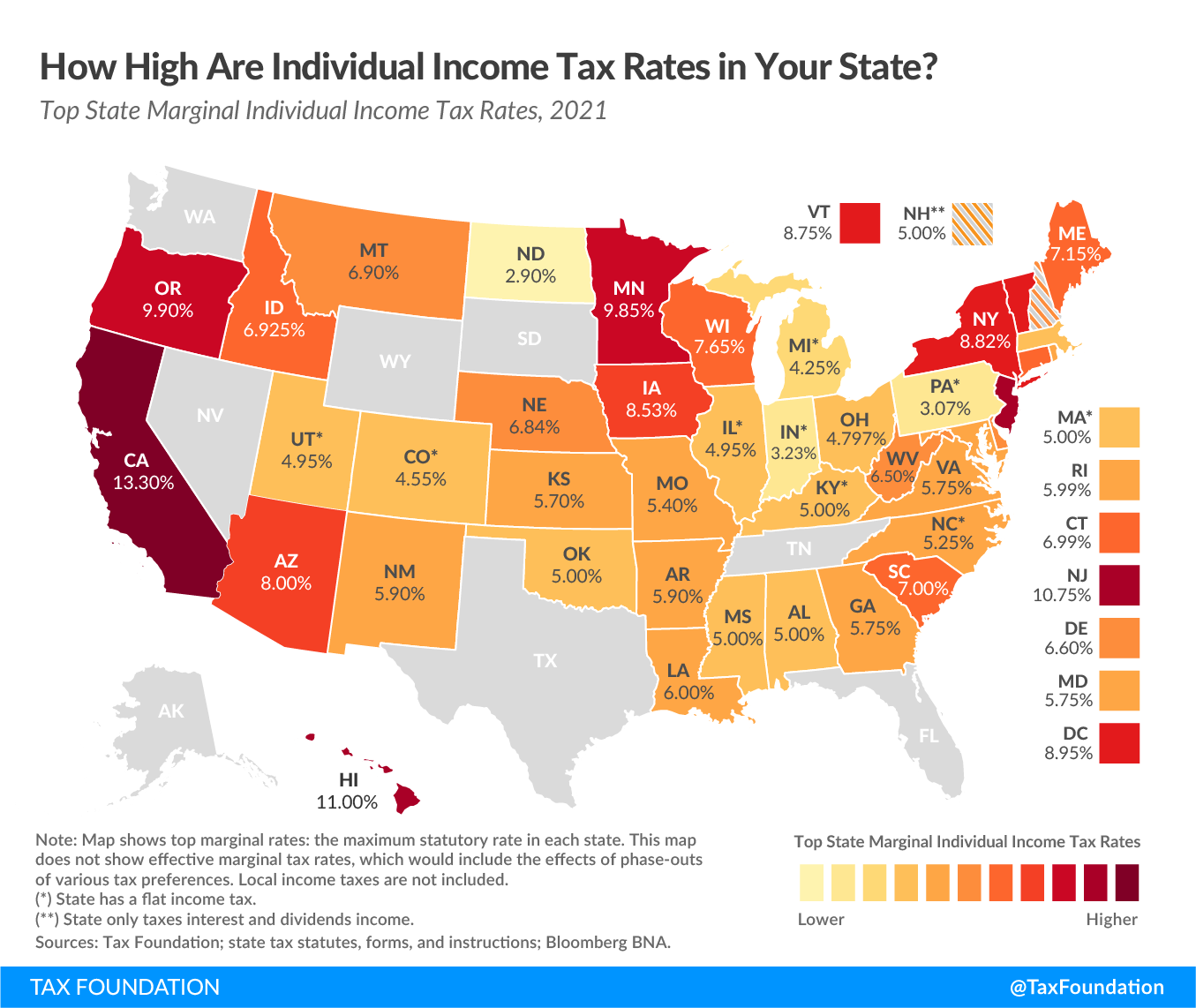
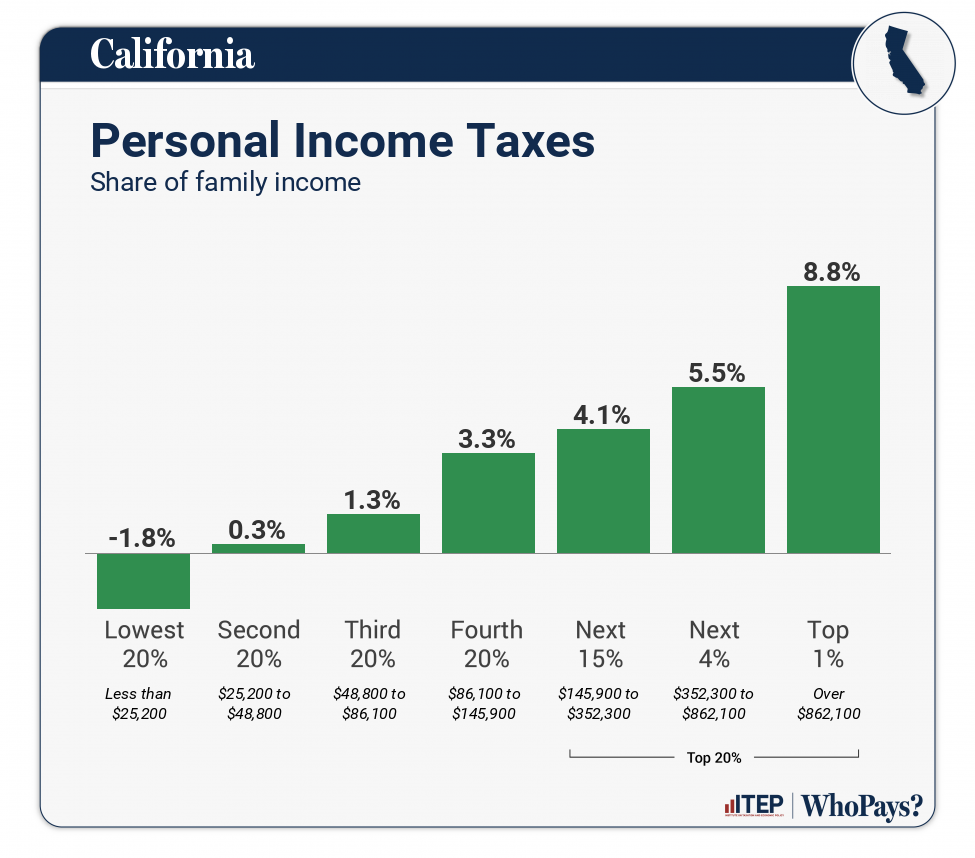
At its core, federal income tax is levied by the United States government on the income earned by individuals and corporations. California, like all other U.S. states, adheres to this federal system. The key question for anyone spending significant time in California, whether for leisure or business, is how their income is treated and what their obligations are. Federal tax rates are progressive, meaning higher earners pay a larger percentage of their income in taxes. The tax brackets are adjusted annually for inflation.
Understanding Taxable Income
For travelers and tourists, direct federal income tax obligations typically arise only if they are earning income while physically present in the United States, including California. This could manifest in several ways:
- Remote Work: Individuals working remotely for a company based outside the U.S. but performing services within California may be subject to U.S. federal income tax. The specifics often depend on the duration of their stay and any tax treaties between their home country and the U.S.
- Investments: Income generated from investments, such as dividends or capital gains from U.S.-based assets, is subject to federal income tax. This applies regardless of the investor’s physical location, though tax treaties can influence rates for non-residents.
- Business Operations: Entrepreneurs or businesses operating within California, even if headquartered elsewhere, will likely have federal tax obligations on their U.S.-sourced income. This includes income from sales, services, or any other business activities conducted within the state.
The Internal Revenue Service (IRS) is the agency responsible for administering federal tax laws. It’s crucial for anyone with U.S.-sourced income to be aware of IRS regulations, including filing requirements and deadlines. For non-U.S. citizens, understanding their residency status for tax purposes is paramount, as this dictates how their worldwide income is taxed.
Tax Treaties and Their Impact
Many countries have tax treaties with the United States designed to prevent double taxation and fiscal evasion. These treaties can significantly impact the federal tax liability of foreign individuals and businesses earning income in California. For instance, a treaty might reduce the withholding tax rate on certain types of income, such as royalties or dividends, or provide exemptions under specific conditions. Travelers and business owners from treaty countries should consult the IRS or a tax professional to understand how these agreements apply to their situation in California. The specifics can vary widely, making personalized advice essential.
Federal Taxes Beyond Income: Other Considerations
While federal income tax is the most commonly discussed, other federal taxes can impact individuals and businesses operating or traveling within California. These often relate to specific activities or transactions.
Employment Taxes
If an individual is employed by a U.S. company while in California, or if a business hires employees within the state, federal employment taxes come into play. These include:
- Social Security and Medicare Taxes (FICA): These taxes fund social insurance programs. Both the employer and the employee typically contribute a percentage of the employee’s wages. For 2023, the employee’s share was 7.65% on earnings up to a certain limit for Social Security, with Medicare having no wage limit.
- Federal Unemployment Tax Act (FUTA): This tax is paid by employers to fund unemployment benefits.
For tourists or short-term visitors not engaged in employment, these taxes are generally not a direct concern. However, for those considering longer stays, temporary work, or establishing a business, understanding these employment tax obligations is vital for compliance.
Federal Excise Taxes
Federal excise taxes are levied on specific goods and services. While often embedded in the price of products, some are more directly applicable to certain activities in California:
- Fuel Taxes: Federal taxes are applied to gasoline and diesel fuel, contributing to the maintenance of the nation’s highways. These are typically reflected in the price at the pump.
- Airline Tickets: A federal tax is imposed on airline tickets for domestic and international flights, contributing to the Federal Aviation Administration (FAA) and airport infrastructure. Travelers flying in and out of major Californian airports like Los Angeles International Airport (LAX) or San Francisco International Airport (SFO) will encounter these.
- Recreational Equipment: Taxes may apply to certain recreational vehicles or equipment, though these are less common for typical tourists.
These taxes are generally paid at the point of sale or service, meaning travelers in California will indirectly contribute to them through their spending.
Federal Tax Implications for Businesses in California
California’s robust economy attracts businesses from around the globe. For those establishing or operating a presence in the state, federal tax considerations are multifaceted.
Corporate Income Tax
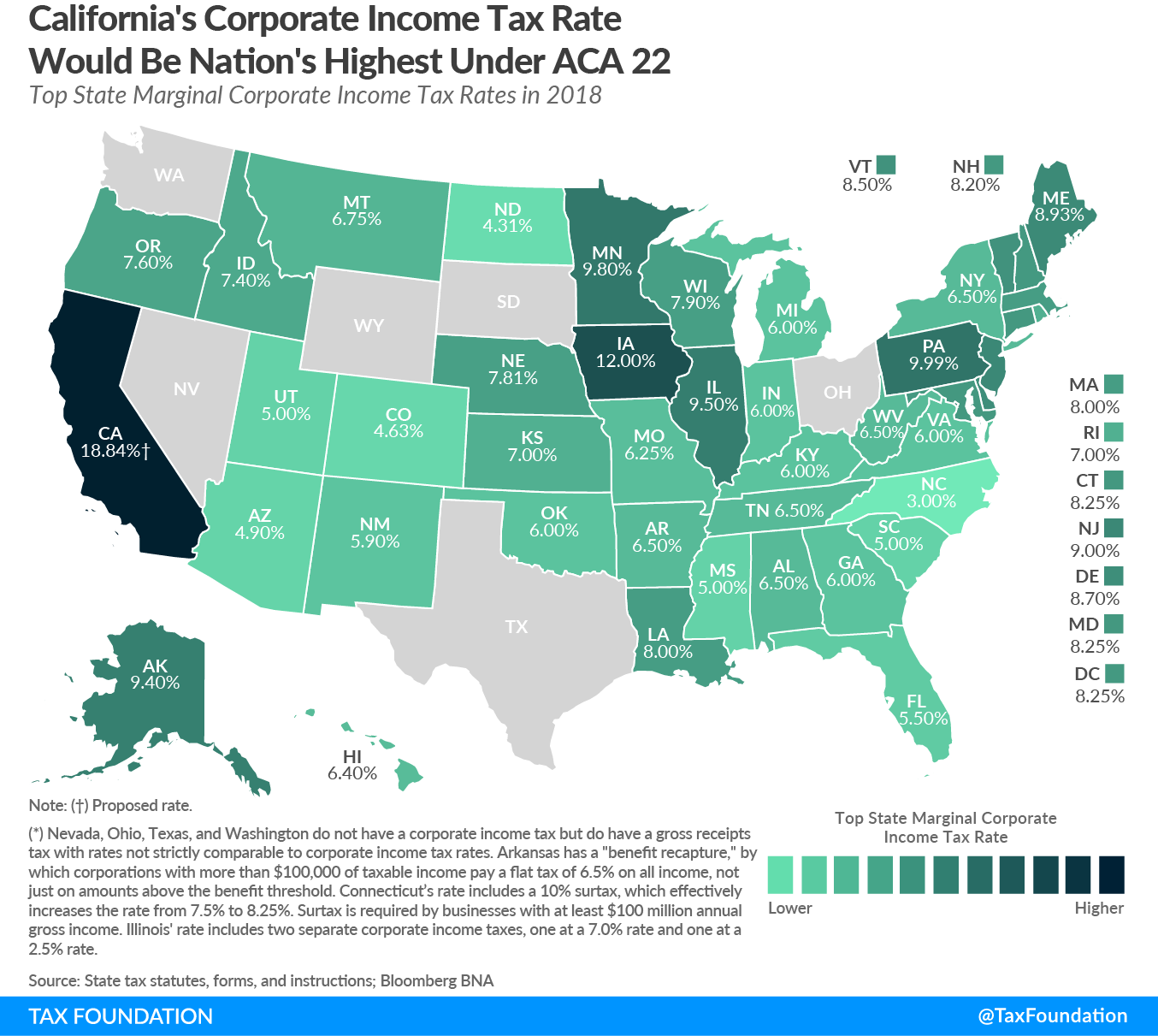
Corporations operating in California are subject to federal corporate income tax on their net profits. The current federal corporate tax rate is a flat 21%. Beyond this, businesses must also navigate California’s state corporate income tax, which is separate and distinct. This dual taxation structure means businesses must account for both federal and state tax liabilities when assessing profitability.
International Business and Transfer Pricing
For multinational corporations with operations in California, federal tax implications extend to how profits are allocated between U.S. and foreign subsidiaries. The IRS closely scrutinizes transfer pricing – the prices charged for goods, services, and intellectual property exchanged between related entities. Incorrect transfer pricing can lead to significant federal tax liabilities, penalties, and interest. Companies must maintain robust documentation to support their transfer pricing policies, ensuring they reflect arm’s length transactions.
Federal Tax Credits and Incentives
The U.S. government offers various federal tax credits and incentives designed to encourage specific business activities. These can include credits for research and development, investment in renewable energy, or hiring individuals from certain disadvantaged groups. Businesses operating in California can leverage these federal programs to reduce their tax burden. Examples include credits for investing in clean energy technology, which aligns with California’s progressive environmental policies, or for investing in qualified opportunity zones within the state. Understanding and claiming these credits can significantly impact a business’s financial health.
Navigating Federal Tax as a Traveler or Temporary Resident in California
For those visiting California for tourism, attending events, or even for short-term business assignments, understanding federal tax can seem daunting. However, for the vast majority of tourists, direct federal income tax liability is minimal.
The 183-Day Rule (and its nuances)
While often cited, the “183-day rule” is a simplification. It’s more about establishing residency for tax purposes. Generally, if you are not a U.S. citizen or lawful permanent resident, you are considered a non-resident alien for U.S. tax purposes. Non-resident aliens are typically taxed only on their U.S.-sourced income. The duration of your stay, the nature of your activities (e.g., business vs. pleasure), and your ties to your home country all play a role in determining your tax status.
For travelers whose primary purpose is tourism in California and who are not earning income within the U.S., federal income tax is unlikely to be a concern. The enjoyment of California’s beaches, national parks like Yosemite National Park, and vibrant cities like San Diego and San Francisco typically does not trigger federal tax obligations.
Specific Scenarios for Travelers
- Attending Conferences or Business Meetings: If you are attending a conference or a brief business meeting in California but are not performing services for a U.S. employer, you may not have federal income tax obligations. However, if you are paid by a U.S. entity for services rendered during your visit, or if your presence is an integral part of generating income for a U.S. business, tax implications could arise.
- Receiving Payments While in California: If you are a freelancer or independent contractor receiving payments from a U.S.-based client while you are physically in California, these payments are generally considered U.S.-sourced income and are subject to federal income tax. Depending on the amount and nature of the income, you might be required to file a U.S. tax return or have taxes withheld at source.
- Tax Refunds: Tourists who have inadvertently paid U.S. taxes on income earned while in California may be eligible for a refund if they have overpaid or if tax treaties allow for exemption. Filing a U.S. tax return (e.g., Form 1040-NR for non-resident aliens) is usually necessary to claim such refunds.
Conclusion: Federal Tax in the Golden State
California, a beacon of opportunity and a premier travel destination, operates within the framework of U.S. federal taxation. For the casual tourist, direct federal tax burdens are minimal, primarily manifesting indirectly through excise taxes on goods and services. However, for individuals engaged in remote work, business operations, or investment within California, understanding federal income tax, employment taxes, and potential tax treaties is essential for compliance and financial planning. Businesses, in particular, must navigate complex federal tax laws, including corporate income tax and transfer pricing regulations, alongside the state’s own tax regime. As with any aspect of taxation, consulting with a qualified tax professional is always recommended to ensure accurate understanding and adherence to federal tax obligations in the dynamic Golden State.
LifeOutOfTheBox is a participant in the Amazon Services LLC Associates Program, an affiliate advertising program designed to provide a means for sites to earn advertising fees by advertising and linking to Amazon.com. Amazon, the Amazon logo, AmazonSupply, and the AmazonSupply logo are trademarks of Amazon.com, Inc. or its affiliates. As an Amazon Associate we earn affiliate commissions from qualifying purchases.