
New York City has long been a global epicenter of innovation, culture, and grand spectacles. Among its most dazzling historical events were the World’s Fairs, ambitious exhibitions that showcased cutting-edge technology, artistic achievements, and visions of the future. These fairs were not just temporary attractions; they left an indelible mark on the city’s landscape and its identity as a beacon of progress. Understanding when these monumental events took place provides a fascinating glimpse into the eras they represented and their enduring impact.
The Trifecta of Innovation: New York’s World’s Fair History
New York City has had the distinct honor of hosting three World’s Fairs, each a significant event in its own right. These fairs collectively drew millions of visitors, offered a platform for international collaboration, and served as a potent symbol of American ingenuity and optimism. The periods in which they occurred – the late 19th century and the mid-20th century – were times of immense societal change, and the fairs reflected these transformations, from the industrial revolution’s zenith to the dawn of the atomic age and the space race.
The Dawn of a New Century: 1893 Chicago World’s Fair (A Precursor and Influence)
While not held in New York, the 1893 World’s Columbian Exposition in Chicago is crucial context for understanding the allure of such grand events. This monumental fair, celebrating the 400th anniversary of Christopher Columbus’s arrival in the New World, captivated the nation and set a new standard for exhibition design and scope. Its White City, a marvel of neoclassical architecture, and its embrace of new technologies like the Ferris Wheel, deeply influenced subsequent fairs, including those planned for New York. The success in Chicago fueled aspirations in other major cities, including New York, to host their own iterations of this global showcase. The sheer scale and imaginative power of the Chicago fair demonstrated the potential for a World’s Fair to transform a city’s image and inspire millions.
The Roaring Twenties and Beyond: The 1939-1940 New York World’s Fair
The first official World’s Fair held within the confines of New York City took place in 1939, running into 1940. Officially themed “Building the World of Tomorrow,” this fair was a spectacular reflection of pre-war optimism and a bold glimpse into the future that America envisioned. Held in Flushing Meadows-Corona Park in Queens, the fair was a breathtaking display of futuristic architecture and technological advancements.
The Theme of Tomorrow
The core message of the 1939-1940 fair was progress and the promise of a better world. Amidst the growing shadows of global conflict in Europe, the fair presented a vision of peace, prosperity, and technological utopia. Visitors were treated to exhibits showcasing the latest in automotive design, household appliances, television broadcasting (a nascent technology at the time), and the burgeoning field of plastics. The iconic Trylon and Perisphere, towering structures that served as the fair’s centerpiece, symbolized this forward-looking spirit. The Perisphere housed a miniature city of tomorrow, accessible via a moving stairway, allowing visitors to experience a simulated future.
Architectural Marvels and Iconic Structures
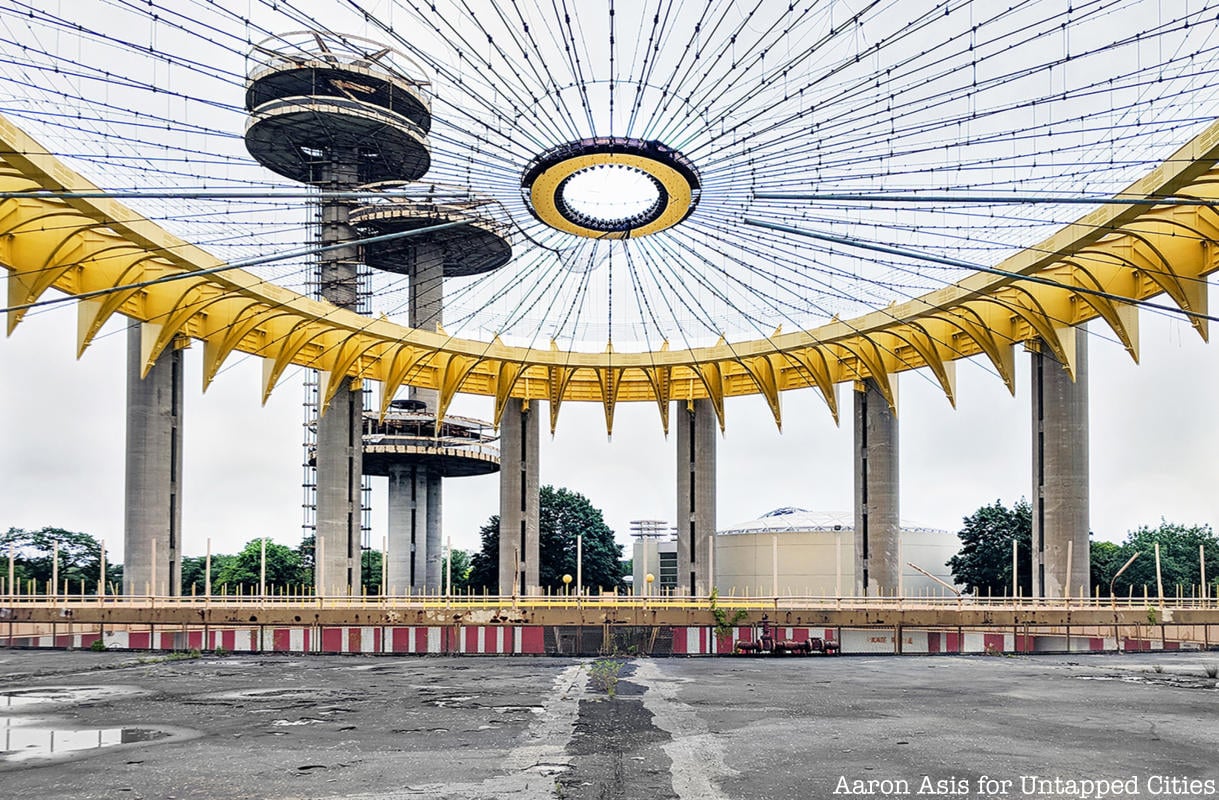
The fairgrounds themselves were a testament to modern design. Architects and designers were given free rein to create structures that were both functional and aesthetically stunning. Beyond the Trylon and Perisphere, visitors marveled at the streamlined designs of the General Motors Futurama exhibit, which offered a vision of automated highways and interconnected cities. Other pavilions, representing various nations and corporations, showcased their contributions to this envisioned future. The sheer scale and ambition of the architectural undertakings were unprecedented for many of the attendees, providing a tangible experience of architectural innovation.
A Cultural and Technological Epicenter

The 1939-1940 New York World’s Fair was more than just a display of gadgets; it was a cultural phenomenon. It featured art exhibitions, musical performances, and theatrical productions, reflecting the vibrant cultural scene of the era. It also served as a crucial platform for international dialogue and cooperation, though the looming war cast a long shadow. The fair’s focus on science and technology, however, was undeniable, and it ignited imaginations, inspiring a generation of innovators and dreamers. The impact of the television broadcasts from the fair, though limited, foreshadowed the media revolution to come.
Post-War Renaissance: The 1964-1965 New York World’s Fair
A little over two decades after its predecessor, New York City once again opened its gates to the world with the 1964-1965 New York World’s Fair. Also held at Flushing Meadows-Corona Park, this fair was titled “Peace Through Understanding” and sought to capture the spirit of the post-war era, a time of economic boom, Cold War tensions, and a burgeoning space age.
The Vision of the Future, Again
While the 1939 fair looked to the future with an almost utopian idealism, the 1964-1965 fair presented a more nuanced, albeit still optimistic, vision. The theme of “Peace Through Understanding” emphasized global cooperation and the potential for technological advancement to solve the world’s problems. This fair was notable for its impressive array of corporate pavilions, which often outshone those of many participating nations. Companies like Ford, General Electric, and IBM showcased their latest innovations, offering visitors a glimpse into the technologies that would shape the coming decades.
Iconic Attractions and Enduring Legacies
The 1964-1965 fair introduced a host of memorable attractions and innovations. The Unisphere, a giant stainless-steel globe representing Earth, became an enduring symbol of the fair and a beloved landmark in Flushing Meadows-Corona Park. This monumental sculpture, standing 140 feet tall, emphasized global interconnectedness and the shared destiny of humanity. The Ford Magic Skyway, a ride that simulated a journey through prehistoric times and into the future, was a major draw. Walt Disney himself was heavily involved, debuting his “Carousel of Progress” and the “Hall of Presidents,” which would later be incorporated into Disneyland and Walt Disney World. These attractions showcased the burgeoning influence of entertainment technology and the art of storytelling.
A Melting Pot of Nations and Ideas
The fair brought together participants from around the globe, fostering a sense of international community. While some nations chose to focus on their cultural heritage, others highlighted their technological prowess and aspirations for the future. The fair provided a unique opportunity for New Yorkers and visitors from afar to experience diverse cultures, sample international cuisine, and witness firsthand the progress being made in various fields. The presence of numerous international pavilions, each with its own unique architectural style and thematic focus, made the fair a true microcosm of the world. The fair also introduced many to the concept of space exploration, a burgeoning field that would capture the global imagination for decades to come.

The Enduring Impact of New York’s World’s Fairs
The World’s Fairs of 1939-1940 and 1964-1965 were more than just ephemeral spectacles; they left a lasting legacy on New York City and beyond. The most tangible reminder is Flushing Meadows-Corona Park itself, which was transformed by the fairs and remains a significant recreational and cultural hub. The Unisphere, in particular, stands as a powerful reminder of the 1964-1965 fair and its message of global unity.
Beyond physical landmarks, these fairs fostered a spirit of innovation and aspiration. They showcased human ingenuity, pushed the boundaries of what was thought possible, and inspired countless individuals. The technological advancements displayed, from early television to advanced robotics, laid the groundwork for the digital age. The architectural styles and urban planning concepts explored influenced subsequent city development.
Furthermore, the World’s Fairs served as vital educational tools, exposing millions to new ideas, cultures, and technologies. They provided a platform for dialogue, for the exchange of knowledge, and for the celebration of human achievement. The memory of these grand events continues to resonate, reminding us of New York City’s historical role as a place where the future was not just imagined, but actively built and displayed for the world to see. The fairs remain a testament to the power of collective vision and the enduring human desire to explore, innovate, and connect.
LifeOutOfTheBox is a participant in the Amazon Services LLC Associates Program, an affiliate advertising program designed to provide a means for sites to earn advertising fees by advertising and linking to Amazon.com. Amazon, the Amazon logo, AmazonSupply, and the AmazonSupply logo are trademarks of Amazon.com, Inc. or its affiliates. As an Amazon Associate we earn affiliate commissions from qualifying purchases.