
Navigating the fiscal landscape of any destination is a crucial part of immersive travel, and for many exploring the vibrant state of California, understanding sales tax on food is a key piece of practical knowledge. While often overlooked amidst the allure of Disneyland or the scenic beauty of Big Sur, the costs associated with dining out or picking up groceries can subtly impact a travel budget. This guide delves into the intricacies of food tax in California, distinguishing between essential purchases and taxable treats, and offering insights to help travelers make informed decisions.
The Nuances of Sales Tax on Food in California
California has a complex sales and use tax system, and the taxability of food items is not as straightforward as one might assume. The primary distinction lies between “food products” intended for home consumption and “prepared foods” or “hot foods” sold for immediate consumption.
Exempt Food Products: Groceries for Home
Generally, most basic food items purchased from a grocery store for consumption at home are exempt from California sales tax. This includes:
- Staples: Bread, milk, eggs, fruits, vegetables, meats, poultry, fish, cereals, pasta, rice, beans, and other basic grocery items.
- Beverages: Water, juice, soda (though some exceptions apply, see below), coffee, and tea.
- Condiments and Spices: Salt, pepper, sugar, ketchup, mustard, and cooking oils.
- Prepared ingredients: Pre-cut vegetables, dough, and pre-marinated meats are typically still considered exempt as they are primarily intended for home preparation.
This exemption is designed to ensure that essential nutritional needs are not burdened by taxation, making basic sustenance more accessible. Travelers staying in accommodations with kitchens, such as vacation rentals or extended-stay hotels in Los Angeles or San Francisco, will find that stocking up on groceries incurs minimal sales tax on these core items.
Taxable Food Products: When Does Tax Apply?
The taxability of food in California shifts significantly when items are prepared for immediate consumption or are considered “specialty” food products.
- Prepared Foods: This category includes items sold by restaurants, delis, bakeries, and even grocery stores that are ready to eat. Think of sandwiches, salads, sushi, hot meals from a deli counter, or pastries from a bakery. If the food is heated, served for immediate consumption, or packaged in a way that suggests it’s for on-the-go enjoyment, it’s likely taxable.
- Hot Prepared Foods: Even if some components are staples, if the food is sold hot, it is generally considered taxable. This includes items like rotisserie chicken, hot soups, or any dish served warm from a restaurant or take-out counter.
- Alcoholic Beverages: All alcoholic beverages, regardless of where they are purchased (grocery store, liquor store, restaurant), are subject to sales tax.
- Candy and Soft Drinks: This is where some confusion often arises. While seemingly basic, candy (defined as a food product sweetened, typically with sugar or other sweeteners, and containing cocoa, nut, fruit, or cereal) and most carbonated beverages (soft drinks) are subject to California sales tax, even when purchased from a grocery store. Non-carbonated fruit drinks with 10% or more fruit juice are generally exempt, but soda pop is not.
- “Snack” Items: Beyond candy, items like potato chips, pretzels, popcorn, and similar snack foods are typically taxable.
- Meals Consumed On-Premises: Food purchased at a restaurant, cafe, or other establishment for consumption at that establishment is always subject to sales tax.
Understanding the California Sales Tax Rate
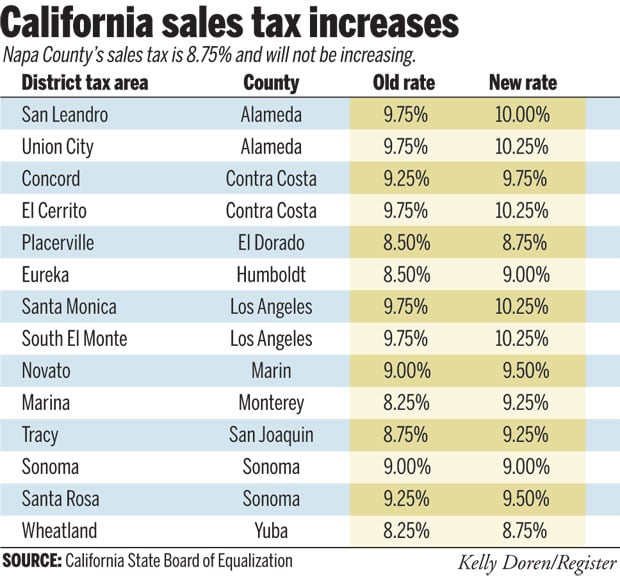
The sales tax rate in California is not a single, uniform figure. It’s a combination of the statewide rate and district taxes, which vary by county, city, and special districts.
Statewide vs. Local Taxes
The base statewide sales and use tax rate in California is currently 7.25%. However, this rate is almost always augmented by local district taxes. These district taxes are levied by counties, cities, and special districts for purposes such as public transportation, school improvements, or local law enforcement.
As a result, the total combined sales tax rate can range significantly across the state. For instance, a purchase made in a city with high district taxes might see a total rate exceeding 10%.
How to Determine the Exact Rate
- Destination-Based: California has a destination-based sales tax system. This means the tax rate applied is the rate of the location where the item is delivered or consumed, not necessarily where the purchase was made. For online orders, this is the delivery address. For in-person purchases, it’s the location of the store.
- Checking Local Rates: Travelers can find the specific sales tax rate for any given location in California on the website of the California Department of Tax and Fee Administration (CDTFA). They provide a lookup tool where you can enter a ZIP code or address to find the applicable rate. This is particularly useful when planning a trip to a specific city, like exploring the wineries around Napa Valley or the beaches of San Diego.
Practical Tips for Travelers
Being aware of how food tax works in California can lead to significant savings and a smoother travel experience.
Maximizing Tax Savings on Food
- Prioritize Grocery Stores for Staples: If your accommodation allows for cooking or simple meal preparation, make grocery stores your primary source for food. Stock up on fruits, vegetables, bread, dairy, and meats. These are generally untaxed and provide a cost-effective way to eat during your travels.
- Be Mindful of “Prepared” Items: When browsing grocery store aisles, distinguish between raw ingredients and pre-prepared meals. A whole chicken from the meat counter is usually tax-free, while a pre-cooked rotisserie chicken from the deli is taxable.
- Understand Restaurant Pricing: Restaurant menus will typically display prices that do not include sales tax. The tax will be added at the point of sale based on the local rate of the restaurant’s location. This applies to everything from a quick bite at a In-N-Out Burger to a fine dining experience in Beverly Hills.
- Consider Non-Taxable Beverages: While sodas are taxed, consider opting for water, milk, or 100% fruit juices if you’re looking to avoid tax on drinks.
- Coffee and Tea: Hot coffee and tea purchased from a cafe are generally considered taxable prepared food. However, if you order a cold brew or iced tea with no additives, it might fall into a different category depending on the vendor and how it’s sold.
Budgeting for Dining and Groceries
- Estimate Tax: A good rule of thumb for budgeting is to add approximately 8-10% to your estimated food costs to account for sales tax, especially if you plan to dine out frequently or purchase items that are subject to tax.
- Factor in Service Charges and Gratuities: While not sales tax, remember that service charges and voluntary gratuities (tips) are separate from the food tax itself and add to the overall cost of dining out.
The Rationale Behind Tax Exemptions and Inclusions
The distinction between taxable and non-taxable food items in California is rooted in public policy and economic considerations.
Promoting Access to Nutritious Food
The exemption for basic food products aims to make essential nutrition affordable and accessible to all residents and visitors. By not taxing items like bread, milk, and produce, the state acknowledges their fundamental role in a healthy diet. This policy is particularly important for families and individuals on tighter budgets, ensuring that basic sustenance remains within reach even while exploring popular tourist destinations like Santa Monica or the theme parks around Anaheim.
Taxing “Luxuries” and Convenience
Conversely, the taxation of prepared foods, candy, and soft drinks can be viewed as taxing items that are often considered more of a convenience or a treat rather than a necessity. Restaurants and cafes provide a service in preparing and serving food, and this added value is subject to tax. Similarly, items like candy and soda, while enjoyable, are not deemed essential in the same way as staple foods. This approach allows for a broader tax base by capturing revenue from items that are often purchased for pleasure or convenience.
Economic Impact
The sales tax revenue generated from taxable food items contributes to the funding of public services across California, including education, infrastructure, and public safety. The system attempts to balance the need for revenue with the goal of ensuring basic necessities remain affordable. For travelers, understanding this balance helps in appreciating the economic framework of the state they are visiting.

Beyond the Basics: Specific Cases
- Specialty Diets: For travelers with specific dietary needs or preferences, such as gluten-free or vegan options, the taxability will follow the same rules as regular food. A gluten-free bread loaf from a grocery store is likely exempt, while a pre-made gluten-free sandwich from a cafe is taxable.
- Catered Events: For larger events or parties, catered food is generally considered a taxable service, with the tax applied to the total cost of the food provided.
- Vending Machines: Food and beverages purchased from vending machines are also subject to sales tax, with the tax rate determined by the location of the vending machine.
By arming yourself with this knowledge, you can navigate the culinary landscape of California with confidence, making informed choices that align with your budget and travel plans, whether you’re enjoying a picnic in Golden Gate Park or dining at a Michelin-starred restaurant.
LifeOutOfTheBox is a participant in the Amazon Services LLC Associates Program, an affiliate advertising program designed to provide a means for sites to earn advertising fees by advertising and linking to Amazon.com. Amazon, the Amazon logo, AmazonSupply, and the AmazonSupply logo are trademarks of Amazon.com, Inc. or its affiliates. As an Amazon Associate we earn affiliate commissions from qualifying purchases.