
Crafting a desirable lifestyle for oneself and one’s family often involves meticulous financial planning, and a significant component of this strategy for many is saving for education. For families in California, understanding the tax implications of such savings, particularly with 529 plans, is paramount to optimizing their financial journey and securing future opportunities. The decision to invest in a 529 college savings plan is a deliberate lifestyle choice, aiming to alleviate future financial burdens and pave the way for academic and professional success, ultimately influencing career paths, personal development, and the overall quality of life. As California residents navigate the complexities of education financing, the question of state tax deductibility for 529 contributions frequently arises, directly impacting how families strategize their savings to achieve their long-term lifestyle aspirations.
Understanding 529 Plans as a Lifestyle Investment
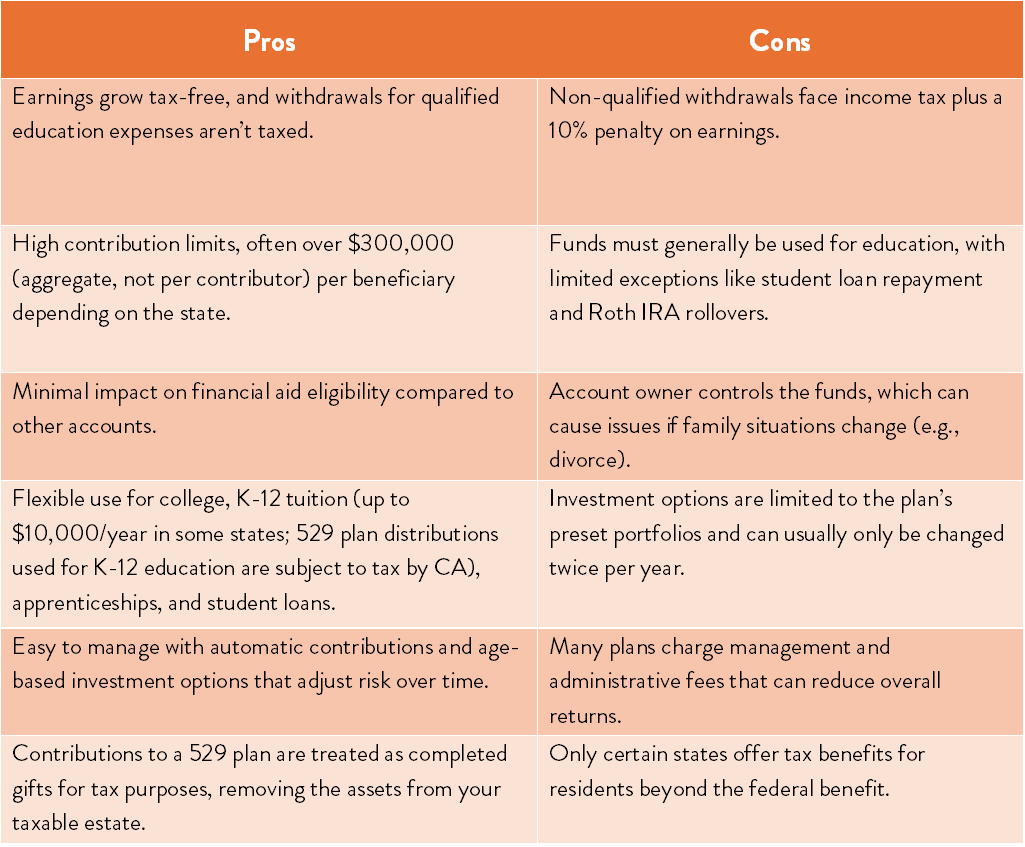
At its core, a 529 plan is a tax-advantaged savings plan designed to encourage saving for future education costs. These plans are sponsored by states, state agencies, or educational institutions, and they offer a powerful tool for families committed to investing in their children’s future and, by extension, their own financial lifestyle. The funds within a 529 plan can grow on a tax-deferred basis, and withdrawals are entirely tax-free at the federal level, provided they are used for qualified education expenses. This includes tuition, fees, books, supplies, equipment, and even room and board for students attending eligible post-secondary institutions. Furthermore, up to $10,000 annually can be used per beneficiary for K-12 tuition at public, private, or religious schools, expanding the utility of these plans for diverse educational needs.
Beyond the immediate financial mechanics, utilizing a 529 plan represents a profound lifestyle investment. It’s about empowering future generations with choices, reducing the likelihood of burdensome student loan debt, and fostering an environment where educational pursuits are encouraged without overwhelming financial stress. For parents, grandparents, or other benefactors, contributing to a 529 plan is an active step towards creating a more secure and opportunity-rich lifestyle for their loved ones. It ensures that critical life milestones, such as obtaining a college degree or vocational training, are financially accessible, thereby enabling broader career prospects, higher earning potential, and the flexibility to pursue passions that might otherwise be out of reach. This foresight in financial planning significantly impacts a family’s present peace of mind and future trajectory, making it an integral part of a thoughtful lifestyle strategy.
The Federal Perspective on 529 Contributions
While the question of state tax deductibility is central to California residents, it’s crucial to first understand the federal tax treatment of 529 plans, as these benefits apply universally across all states. Federally, contributions to a 529 plan are not tax-deductible. This means that when you contribute money to a 529 account, you do so with after-tax dollars. However, the true federal tax advantage lies in the growth and distribution phases of the plan. The earnings on your contributions grow tax-free, and most importantly, withdrawals made for qualified education expenses are also entirely tax-free. This tax-free growth and withdrawal feature can lead to substantial savings over time, as compound interest works its magic without being eroded by annual taxation.
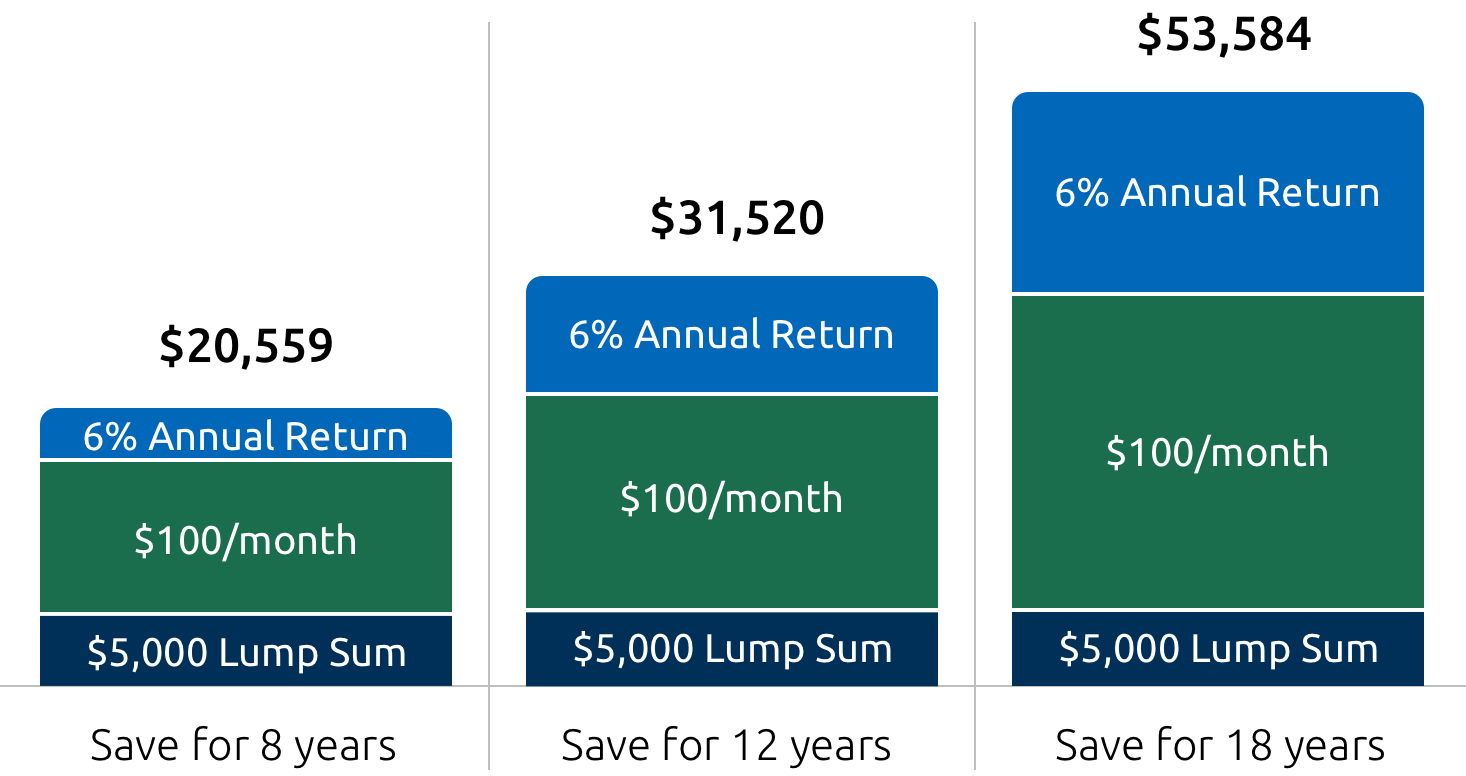
For instance, if an investment within a 529 plan earns 6% annually over 18 years, the accumulated earnings can be substantial. Without the tax-free growth benefit, a portion of these earnings would be lost to capital gains or income taxes each year, significantly reducing the final sum available for education. This federal advantage is a powerful incentive for any family, regardless of their state of residence, to consider a 529 plan as a cornerstone of their financial lifestyle planning. It’s a mechanism that allows diligent savers to stretch their dollars further, providing more resources for educational pursuits and, consequently, greater lifestyle flexibility and opportunity in the future.
California’s Unique Stance on 529 Tax Deductibility
Now, let’s address the specific question for residents of the Golden State: Are 529 contributions tax-deductible in California? The straightforward answer is no. Unlike many other states that offer a state income tax deduction or credit for contributions to their specific 529 plans, California does not provide any state-level tax deduction for 529 contributions. This means that while California residents can certainly open and contribute to any state’s 529 plan—including California’s own ScholarShare 529 plan—they will not receive a tax break on their California state income taxes for those contributions.
This particular characteristic of California tax law presents a unique consideration for families planning their educational savings. While the federal tax benefits of tax-deferred growth and tax-free withdrawals for qualified expenses still apply, the absence of a state deduction means that one of the potential incentives offered by 529 plans in other states is not available to California taxpayers. For families living within California, this places a greater emphasis on evaluating other features of a 529 plan, such as investment options, fees, and overall performance, rather than focusing on an immediate state tax benefit. Understanding this distinction is vital for California residents to make informed decisions that align with their long-term financial lifestyle goals, ensuring they maximize the benefits available despite the lack of a state deduction.
Comparing California with Other States: What It Means for Your Financial Lifestyle
The absence of a state tax deduction in California contrasts sharply with the offerings in many other states. Over 30 states provide some form of state income tax deduction or credit for 529 contributions, often specifically for contributions made to their in-state plan. For instance, states like New York and Illinois offer substantial deductions, which can provide an immediate return on investment for residents. This difference can significantly impact the overall financial strategy for families, particularly those who might have connections or residences in multiple states or those considering relocation.

For a California family, this means their decision to save in a 529 plan should be driven primarily by the powerful federal tax benefits and the quality of the plan itself, rather than by an anticipated state tax break. It underscores the importance of a comprehensive financial lifestyle strategy that looks beyond immediate deductions to long-term growth and the overarching goal of funding education responsibly. While a state tax deduction can sweeten the deal, its absence in California simply emphasizes the need to focus on other critical factors when selecting a 529 plan. Families should consider factors like investment choices, diversification options, fees, and the past performance of various 529 plans, regardless of their sponsoring state, to ensure their chosen plan aligns best with their risk tolerance and financial objectives. This nuanced approach is essential for California residents to build an effective educational savings strategy that supports their desired financial lifestyle without relying on a non-existent state tax incentive.
Maximizing Your Education Savings in the Golden State
Despite California’s lack of a state tax deduction, 529 plans remain an incredibly valuable tool for California families committed to comprehensive lifestyle planning and educational investment. The federal tax advantages alone—tax-deferred growth and tax-free withdrawals for qualified expenses—are powerful enough to make 529 plans a superior savings vehicle compared to taxable accounts. By allowing investments to compound without annual tax erosion, families can accumulate significantly more funds over time, ensuring a robust financial foundation for their beneficiaries’ educational journeys. This means more resources for tuition, books, and living expenses, which in turn reduces the need for loans and provides greater freedom for students to focus on their studies and future careers without the immediate pressure of looming debt.
Furthermore, 529 plans offer several other compelling benefits that contribute to a well-rounded financial lifestyle strategy. They come with high contribution limits, often allowing hundreds of thousands of dollars to be saved per beneficiary, accommodating even the most ambitious educational goals. Funds can be transferred to another eligible family member if the original beneficiary decides not to pursue higher education or receives a scholarship. Contributions also qualify for the federal gift tax exclusion, allowing individuals to gift up to $18,000 in 2024 ($36,000 for married couples) annually without triggering gift taxes. An even more aggressive strategy allows for a lump-sum contribution of up to five years’ worth of annual exclusions ($90,000 per individual) in a single year, providing a powerful way to front-load savings and maximize tax-deferred growth. These flexible features ensure that 529 plans adapt to various life circumstances, reinforcing their role as a versatile component of personal financial planning for California families.
Strategies for California Residents: Beyond the State Deduction
For California families, optimizing 529 savings requires a strategic approach that transcends the absence of a state tax deduction. The key is to leverage the robust federal benefits and focus on selecting the best plan based on its investment options, fees, and performance, regardless of which state sponsors it. California residents are not restricted to using California’s ScholarShare 529 plan; they can choose any state’s 529 plan. This freedom allows for “forum shopping” to find a plan that best suits individual financial goals and risk tolerance. Many experts recommend evaluating plans from states known for low fees and diverse investment portfolios, such as those offered by Utah, Nevada, or New York.
Consistency in contributions is another crucial strategy. Regular contributions, even small ones, benefit from dollar-cost averaging and harness the power of compound interest over a long period. Automating contributions can help families stay on track with their savings goals, seamlessly integrating this financial discipline into their everyday lifestyle. Furthermore, periodically reviewing and rebalancing the investment portfolio within the 529 plan ensures it remains aligned with the beneficiary’s age and the family’s changing financial situation. As the beneficiary nears college age, a shift towards more conservative investments can protect accumulated gains. By focusing on these strategic elements—plan selection, consistent contributions, and ongoing portfolio management—California families can build a formidable education fund, ultimately securing a desired financial lifestyle that prioritizes educational attainment and future opportunities for their loved ones.
The Broader Lifestyle Impact of Educational Investment
Investing in education through a 529 plan extends far beyond just covering tuition fees; it’s a foundational element of a desired lifestyle that unlocks future potential and mitigates financial stress. A strong educational background often correlates with enhanced career opportunities, higher earning potential, and greater job satisfaction. By proactively funding education, California families are essentially investing in a future where their children have the freedom to choose career paths based on passion and talent rather than solely on financial constraints. This ability to pursue fulfilling work is a cornerstone of a high-quality lifestyle, fostering personal growth and overall well-being.
Furthermore, graduating with less student loan debt can dramatically impact a young person’s financial trajectory. Without the burden of significant monthly loan payments, graduates are better positioned to achieve other major lifestyle milestones sooner, such as purchasing a home, starting a family, or saving for retirement. It also frees up discretionary income that can be allocated to enriching experiences, like travel, hobbies, or philanthropic endeavors, which contribute immensely to a balanced and fulfilling life. For the parents, knowing that their children are set up for financial success provides immense peace of mind, allowing them to focus on their own retirement planning and enjoying their current lifestyle without the added worry of future education costs. The holistic impact of smart educational investment, therefore, reverberates through every aspect of a family’s financial and personal lifestyle.
Financial Freedom and Future Horizons for California Families
For California families, leveraging 529 plans as a strategic financial tool directly contributes to achieving greater financial freedom and opening up future horizons. By minimizing the reliance on loans for college, families create a healthier financial ecosystem for their children post-graduation. This newfound financial flexibility can be channeled into building wealth, making significant investments, or even embarking on entrepreneurial ventures. Imagine the difference in a young adult’s life if their initial post-college earnings are not immediately consumed by debt repayment, but instead can be directed towards a down payment on a home in California’s competitive housing market, or invested in a passion project that could redefine their career.
Moreover, the financial security provided by a fully funded education extends to the entire family. Parents who successfully save for college can then focus more intently on their own retirement savings, ensuring they too can enjoy a comfortable and adventurous lifestyle in their later years, perhaps including extensive travel or pursuing long-held dreams. The intergenerational transfer of financial well-being, facilitated by smart 529 planning, can significantly enhance the collective lifestyle quality of a family unit. While California may not offer a state income tax deduction for 529 contributions, the federal tax benefits coupled with diligent saving practices undeniably provide a powerful pathway to securing educational opportunities, fostering financial independence, and ultimately enriching the overall lifestyle for families across the state.
LifeOutOfTheBox is a participant in the Amazon Services LLC Associates Program, an affiliate advertising program designed to provide a means for sites to earn advertising fees by advertising and linking to Amazon.com. Amazon, the Amazon logo, AmazonSupply, and the AmazonSupply logo are trademarks of Amazon.com, Inc. or its affiliates. As an Amazon Associate we earn affiliate commissions from qualifying purchases.