
Navigating Personal Freedoms and Destination Choices
When considering travel, relocation, or even extended stays, individuals often evaluate a destination based on a multitude of factors that extend beyond mere attractions and amenities. A critical aspect of this evaluation, particularly for those prioritizing personal autonomy and well-being, is understanding the legal and social landscape regarding personal freedoms. This perspective frames how a specific location aligns with one’s lifestyle choices and values. Florida, a state renowned for its sun-drenched beaches, vibrant culture, and diverse opportunities, is a popular choice for tourists, snowbirds, and new residents alike. However, for many, the legal framework governing healthcare, especially reproductive rights, has become an increasingly significant lifestyle consideration.

The concept of personal freedom is deeply intertwined with one’s chosen lifestyle. For some, the ability to access specific healthcare services without undue restrictions is a fundamental component of their overall well-being and sense of security. When planning an extended trip, considering a move, or even a short visit where unforeseen circumstances might arise, being informed about the legal status of various healthcare options becomes an imperative lifestyle choice. It enables individuals to make decisions that resonate with their personal ethics, health needs, and long-term planning. Ignoring such factors can lead to unexpected challenges, affecting not just immediate health outcomes but also the broader quality of life and peace of mind during a stay or residency. Understanding the nuances of Florida’s legal environment, therefore, is not merely a matter of legal compliance but a proactive step in shaping a desirable and secure lifestyle experience within the state.
This lifestyle imperative extends to various demographics. Families considering a move might weigh access to comprehensive healthcare as heavily as school quality or job markets. Digital nomads planning an extended stay assess not only connectivity and cost of living but also the accessibility of personal services. Even short-term travelers, particularly women or those with specific health concerns, might factor a destination’s legal climate into their planning, ensuring that their chosen lifestyle while traveling remains uncompromised. The dynamic nature of laws means that what might have been true a few years ago could have significantly changed, underscoring the continuous need for updated information to align one’s lifestyle decisions with the current reality of a chosen destination.
Understanding Florida’s Legal Framework: A Lifestyle Imperative
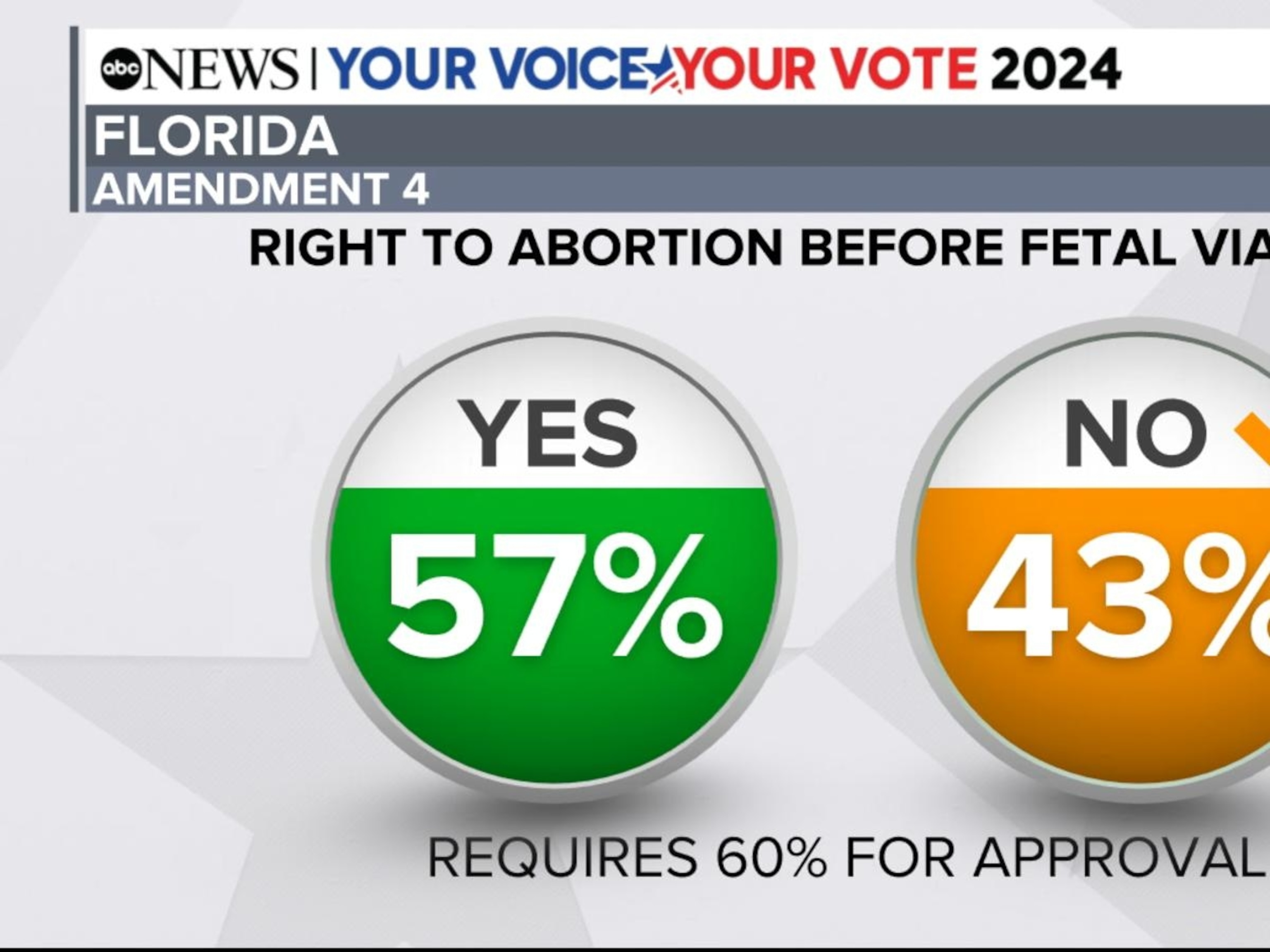
For individuals making lifestyle decisions concerning Florida, whether it involves a short visit, an extended stay, or permanent relocation, understanding the state’s legal framework surrounding abortion is crucial. This understanding is not just about legal compliance but about how these laws integrate into and potentially impact one’s personal lifestyle choices and access to healthcare. Florida’s laws concerning abortion have undergone significant changes, making it essential for anyone considering the state as a destination for their lifestyle to stay informed.
As of recent legislative changes, abortions are legal in Florida up to a specific gestational limit. Historically, Florida law allowed abortions up to 15 weeks of gestation. However, further legislative action has subsequently reduced this limit to six weeks of gestation, with certain exceptions. These exceptions typically include situations where the mother’s life is at risk or to prevent serious injury, but they generally do not include cases of rape or incest beyond the six-week mark. This six-week limit is a critical consideration because many individuals may not even be aware of their pregnancy within this timeframe. This significantly impacts the lifestyle planning and healthcare access for potential residents and visitors.
Beyond the gestational limit, Florida law also incorporates several other provisions that can impact access to abortion services, and thus, a person’s lifestyle experience in the state. These include a mandatory 24-hour waiting period between the initial consultation and the procedure. This waiting period necessitates two separate appointments, which can pose logistical and financial challenges, especially for those traveling from out-of-state or those with limited resources. Additionally, there are parental consent laws for minors seeking abortions, requiring a parent or legal guardian’s consent. While judicial bypass options exist, navigating these processes can add significant complexity and stress, impacting the lifestyle and well-being of young individuals and their families.
For those planning their lifestyle around a potential move or an extended stay in Florida, these legal specifics directly influence their healthcare planning. It requires a proactive approach to understanding the available services, the timeframe within which they must act, and the logistical hurdles involved. This information is not merely academic; it translates into tangible lifestyle impacts, affecting personal autonomy, health decisions, and the overall sense of security individuals feel within the state’s legal environment. As laws are subject to ongoing legal challenges and potential amendments, maintaining vigilance over the current legal landscape is an indispensable part of informed lifestyle management in Florida.
Implications for Travelers and Residents
The legal status of abortion in Florida carries significant implications for various groups, profoundly shaping their lifestyle choices and experiences within the state. Understanding these impacts is key for anyone contemplating a visit, an extended stay, or permanent residency.
Lifestyle for Travelers and Temporary Visitors
For individuals traveling to Florida, especially those planning extended vacations, business trips, or temporary relocation (like “snowbirds” or digital nomads), the state’s abortion laws become a critical lifestyle consideration. Unforeseen health events can occur, and knowing the legal landscape ensures that travelers can make informed decisions should a reproductive health issue arise. For some, the availability and accessibility of comprehensive reproductive healthcare might directly influence their choice of vacation destination or location for an extended stay. A destination’s policies on personal freedoms can contribute to or detract from a traveler’s overall sense of security and well-being, thus impacting their desired lifestyle experience. For example, individuals seeking medical treatment in Florida for other conditions might also need to consider the broader healthcare access implications, ensuring continuity of care and alignment with their personal values. The current six-week gestational limit and waiting period mean that for many, particularly those unaware of an early pregnancy, access to services within the state might be severely restricted or practically impossible, necessitating travel out of state, which introduces further lifestyle complications like increased cost, time off work, and logistical stress.
Lifestyle for Current and Prospective Residents
For those who call Florida home, or individuals considering a permanent move, the state’s abortion laws integrate deeply into their long-term lifestyle planning. Access to reproductive healthcare is often a component of family planning and overall health management. Decisions about where to live are increasingly influenced by factors beyond economic opportunity and climate; they include aligning with a state’s legal framework regarding personal freedoms. Prospective residents may weigh these laws when evaluating [Florida](https://lifeoutofthebox.com/florida]’s suitability for their desired lifestyle, particularly concerning their health and family’s future.
The implications for residents also extend to broader aspects of well-being and community life. The legal environment can influence the availability of reproductive health resources, the support systems in place, and the overall perception of personal autonomy within the community. For women, in particular, understanding these laws is crucial for making informed decisions about their healthcare journeys, family planning, and general quality of life. The need to potentially travel out of state for care can impose significant financial and emotional burdens, disrupting established routines and impacting personal and professional lifestyles. Therefore, keeping abreast of legislative developments and understanding the local healthcare landscape becomes an ongoing lifestyle imperative for residents of Florida.
Resources for Informed Lifestyle Decisions
Navigating the complexities of legal frameworks, especially concerning sensitive personal matters, requires access to reliable and up-to-date information. For anyone whose lifestyle involves travel, temporary relocation, or permanent residency in Florida, making informed decisions about healthcare, including reproductive options, is paramount. This section outlines key resources and strategies to ensure individuals have the necessary information to align their lifestyle choices with the legal realities of the state.
Official Government and Healthcare Websites
The most authoritative sources for legal and health information are typically government and established healthcare organization websites. For specifics on Florida’s abortion laws, consulting the official website of the Florida Department of Health is a primary step. These sites often provide detailed information on current statutes, regulations, and any specific requirements or restrictions in place. They may also list licensed healthcare providers and clinics, offering clarity on where services can be accessed. Similarly, reputable healthcare organizations, both state-specific and national, frequently publish summaries and analyses of state laws, presented in an accessible format for the general public. These resources are invaluable for understanding the practical implications of laws on one’s personal lifestyle and healthcare planning.
Consulting Legal and Healthcare Professionals
While general information can provide a foundational understanding, personal circumstances often require more specific guidance. For precise legal advice related to individual situations, consulting with a qualified attorney specializing in healthcare or constitutional law in Florida is highly recommended. Legal professionals can offer tailored advice, interpret complex statutes, and explain rights and options within the current legal framework. Similarly, for medical guidance, speaking directly with healthcare providers in Florida is essential. They can provide accurate medical information, discuss available services, and advise on the best course of action based on individual health needs and the prevailing laws. This direct consultation is critical for anyone whose lifestyle decisions intersect with significant health considerations, ensuring that actions are medically sound and legally compliant.

Advocacy Groups and Non-Profit Organizations
Numerous advocacy groups and non-profit organizations are dedicated to monitoring and disseminating information about reproductive rights and healthcare access. Many of these organizations operate nationally and have a strong presence in Florida. They often provide detailed, user-friendly guides to state laws, lists of resources, and support networks. While these groups may have an advocacy stance, they generally provide factual information regarding the legal status of services, potential challenges, and avenues for support. For individuals seeking to understand the broader context of reproductive rights and how it might influence their lifestyle choices in Florida, these organizations can be an invaluable source of information and community connection. Staying informed through these diverse channels empowers individuals to make proactive and responsible lifestyle decisions that align with their personal values and ensure their well-being within the ever-evolving legal landscape of Florida.
LifeOutOfTheBox is a participant in the Amazon Services LLC Associates Program, an affiliate advertising program designed to provide a means for sites to earn advertising fees by advertising and linking to Amazon.com. Amazon, the Amazon logo, AmazonSupply, and the AmazonSupply logo are trademarks of Amazon.com, Inc. or its affiliates. As an Amazon Associate we earn affiliate commissions from qualifying purchases.