
The question of whether all fires in California are out is complex, often reflecting a dynamic and evolving landscape rather than a simple yes or no answer. Wildfires have become an unfortunate but recurring aspect of the state’s natural cycle, particularly given its Mediterranean climate, abundant wildlands, and increasing urban-wildland interface. For those considering California as a tourism destination, understanding the current fire status, potential impacts, and how to plan a safe and enjoyable trip is paramount. This insight aims to provide clarity for tourists, focusing on safety, destination resilience, and responsible travel practices.
Understanding the Wildfire Landscape in California
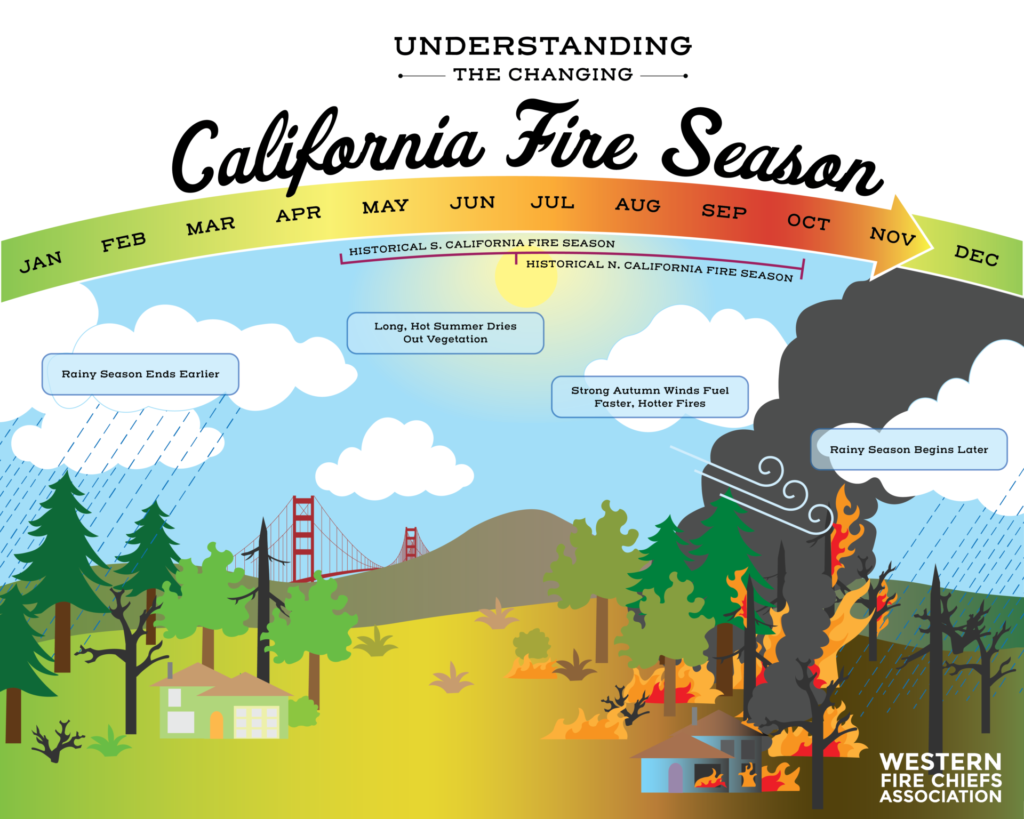
California’s diverse topography, from arid deserts to lush forests, makes it susceptible to wildfires, especially during drier seasons exacerbated by climate change. The state experiences a distinct fire season, typically from late spring through late autumn, though significant fires can occur outside these months depending on weather conditions.
The Cyclical Nature of Wildfires
Wildfires are not always an anomaly; they are a natural part of many California ecosystems, playing a role in regeneration and maintaining ecological balance. However, years of fire suppression, coupled with increased fuel loads and more extreme weather patterns, have led to larger, more intense, and destructive fires. This has shifted the narrative from natural events to significant threats to communities and the environment. While major incidents capture headlines, numerous smaller fires are contained daily by dedicated firefighting agencies like CAL FIRE. Therefore, even when headlines about large fires subside, smaller, localized incidents may still be active or being monitored.
Key Regions Historically Affected
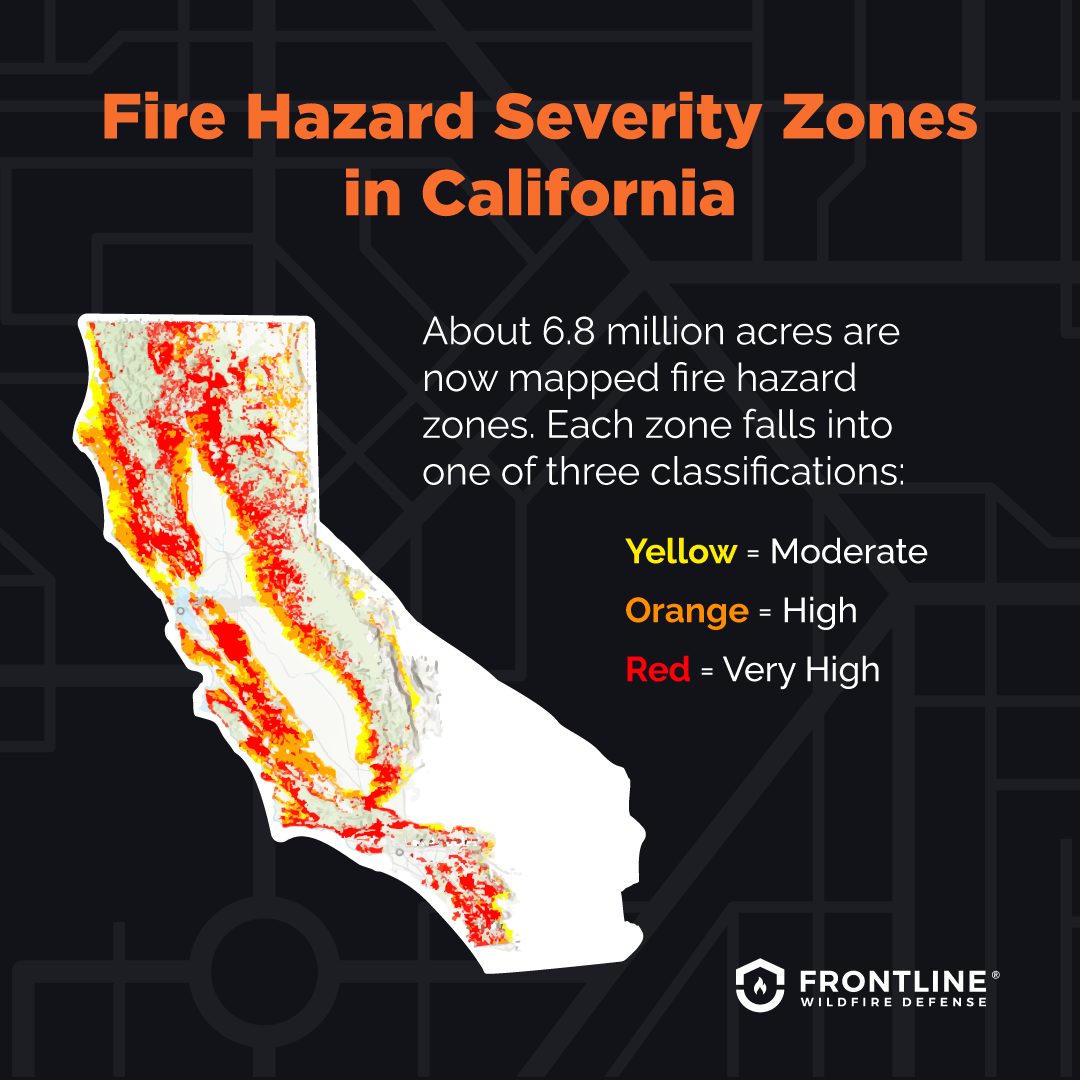
Certain regions in California are more prone to wildfires. The foothills of the Sierra Nevada mountain range, the chaparral-covered hills of Southern California, and the dense forests of Northern California and the Wine Country have all experienced significant fire activity. Iconic natural attractions like Yosemite National Park, Sequoia National Park, and the areas around Lake Tahoe have seen their landscapes altered by fire. While recovery is often swift in many areas, some ecosystems take years to fully rebound. Major urban centers such as Los Angeles, San Francisco, and San Diego are generally less directly threatened by the immediate flames but can experience significant impacts from smoke and poor air quality.
Ongoing Monitoring and Resources
The status of wildfires in California is under constant surveillance. Agencies provide real-time updates on active fires, containment levels, and evacuation orders. Tourists planning a visit should regularly consult official sources such as the CAL FIRE incident page, the National Interagency Fire Center (NIFC), and local county emergency services. These resources are invaluable for understanding the current situation and making informed decisions about travel plans, offering granular details that can help differentiate between isolated incidents and widespread threats.
Impact on Tourism and Travel Planning
Wildfires, even when contained, can have a ripple effect on the tourism industry, influencing everything from flight schedules to the availability of outdoor activities. For tourists, understanding these potential impacts is crucial for a seamless trip.
Assessing Destination Safety and Accessibility
The primary concern for any traveler is safety. Before departing, it’s essential to verify if your intended destinations, including specific attractions or routes, are directly affected by fires or closures. National and state parks, forests, and some highways may be temporarily closed for public safety, even if they are not actively burning, due to lingering hazards like falling trees, mudslides on denuded hillsides, or ongoing recovery efforts. Many popular tourist areas, like the coastal cities or parts of the Central Valley, may be entirely unaffected, while mountain or forest destinations might require closer scrutiny. Always check the official websites of specific parks or attractions for the latest information on accessibility.
Air Quality and Health Considerations
One of the most widespread impacts of wildfires, even far from the flames, is degraded air quality due to smoke. Smoke plumes can travel hundreds of miles, affecting visibility and posing health risks, especially for individuals with respiratory conditions. Websites like AirNow.gov provide real-time air quality index (AQI) data, which should be monitored closely. If air quality is poor, outdoor activities may need to be postponed or adjusted, and it’s advisable to stay indoors with windows closed. This is particularly relevant for cities like Sacramento and even parts of the San Francisco Bay Area during intense fire seasons, which can experience hazy skies and a smoky smell.

Lodging and Infrastructure Resilience
While specific hotels or resorts might occasionally be in areas directly threatened by fire, the vast majority of California’s tourism infrastructure remains resilient. In affected regions, local accommodations often play a vital role in housing first responders or displaced residents, which can limit availability for tourists. However, the state’s expansive network of hotels, motels, and short-term rentals in unaffected zones continues to operate normally. It’s always wise to confirm booking policies and potential for cancellation or rebooking, especially if traveling during peak fire season to a fire-prone region. Many businesses in unaffected areas also rely on tourism, making it even more important to distinguish between impacted and safe destinations.
Navigating Your California Experience Post-Fires
Even after major fires are contained, their legacy can shape the tourism experience. Responsible tourism plays a crucial role in supporting recovery and ensuring the longevity of California’s natural beauty and communities.
Supporting Local Communities
When fires impact a region, local businesses often suffer significant economic setbacks. Tourists can play a direct role in recovery by choosing to visit and spend money in communities that have been affected, once it is safe to do so. This support helps small businesses, restaurants, and local attractions regain their footing. Before traveling, research areas that are open for business and specifically look for opportunities to engage with local shops and services. Many communities will actively promote their reopening and welcome visitors as a sign of rebuilding. This conscious choice helps sustain the unique local culture and food scenes that make California so appealing.
Reopened Parks and Attractions
California’s iconic national and state parks are diligently working to restore access and services post-fire. While some trails or campgrounds might remain closed for rehabilitation, many areas quickly reopen, offering unique perspectives on natural regeneration. For example, witnessing the regrowth in a fire-scarred forest can be a powerful and educational experience. Always check the official websites of specific parks, such as Yosemite National Park or Redwood National and State Parks, for the most up-to-date information on closures, openings, and any specific visitor guidelines. Often, alternative activities or lesser-known but equally stunning areas within a park system remain accessible.
Essential Tips for Responsible Tourism
For tourists visiting California, especially during fire season or in fire-prone areas, responsible practices are paramount:
- Stay Informed: Continuously check official fire maps and air quality reports.
- Follow Directions: Adhere strictly to all evacuation orders, road closures, and park regulations. These are put in place for your safety and the safety of emergency personnel.
- Practice Fire Safety: Be extremely careful with fire. This means respecting fire bans, properly extinguishing campfires (if allowed), and never discarding cigarettes or flammable materials.
- “Leave No Trace” Principles: Help protect the environment by packing out everything you pack in and staying on marked trails.
- Consider Travel Insurance: During peak fire season, travel insurance that covers natural disaster disruptions can offer peace of mind.
Future Outlook: Building a Resilient Tourism Sector
The tourism sector in California is increasingly adapting to the reality of wildfires, integrating preparedness and resilience into its long-term strategy. This commitment ensures that California remains a premier destination despite environmental challenges.
Proactive Measures and Preparedness
Tourism boards and local governments across California are working to implement proactive measures. This includes investing in early warning systems, creating defensible spaces around communities and attractions, and developing comprehensive evacuation plans. Many tourism businesses are also enhancing their communication strategies, providing guests with clear safety protocols and alternative activity options during periods of elevated fire risk. For instance, destinations like Lake Tahoe are continuously updating their emergency response systems, demonstrating a commitment to visitor safety.
Sustainable Practices for Long-Term Enjoyment
The focus on sustainability is more critical than ever. Efforts to reduce carbon footprints, manage forest health through controlled burns, and promote eco-tourism initiatives are gaining momentum. By supporting tourism businesses that prioritize sustainability, visitors contribute to the long-term health of California’s natural landscapes, making them more resilient to future environmental challenges. This includes appreciating the diverse flora and fauna, respecting wildlife habitats, and understanding the delicate balance of California’s ecosystems. The goal is to ensure that [California](https://lifeoutofthebox.com/california]’s unparalleled beauty, from the iconic Golden Gate Bridge in San Francisco to the serene beaches of Santa Barbara, remains accessible and enjoyable for generations to come.
In conclusion, the question “Are all the fires in California out?” rarely has a definitive “yes” for an entire season. Instead, it reflects a continuous process of management, containment, and recovery. Tourists can confidently plan their California adventures by staying informed, exercising caution, and supporting communities responsibly, ensuring that their visit contributes positively to the state’s ongoing resilience.
LifeOutOfTheBox is a participant in the Amazon Services LLC Associates Program, an affiliate advertising program designed to provide a means for sites to earn advertising fees by advertising and linking to Amazon.com. Amazon, the Amazon logo, AmazonSupply, and the AmazonSupply logo are trademarks of Amazon.com, Inc. or its affiliates. As an Amazon Associate we earn affiliate commissions from qualifying purchases.