
The Unmistakable Presence of the Nine-Banded Armadillo in Florida
For many tourists planning a visit to Florida, the allure often lies in its pristine beaches, vibrant theme parks, and bustling cities like Miami or Orlando. However, the Sunshine State is also a biodiversity hotspot, home to a fascinating array of wildlife. Among the more peculiar and endearing creatures that have made Florida their home is the armadillo. Specifically, the Nine-Banded Armadillo (Dasypus novemcinctus) is not just present but thrives across the state, adding a unique dimension to the state’s natural landscape and offering a distinct wildlife viewing opportunity for visitors.
A Brief History of Their Arrival and Spread
The Nine-Banded Armadillo is not native to Florida. Their journey to the peninsula is a testament to their adaptability and, in part, human influence. Originating from Mexico and Central and South America, armadillos began expanding their range northward into the United States in the late 19th and early 20th centuries. They first established populations in Texas and Louisiana, steadily moving eastward. Their arrival in Florida is believed to be a combination of natural range expansion from neighboring states like Georgia and Alabama, as well as a few isolated incidents of individuals escaping from captivity around the Cocoa Beach area in the 1920s. From these initial footholds, they have successfully colonized virtually every corner of the state, adapting remarkably well to Florida’s varied ecosystems, from coastal scrub to pine forests and even suburban environments. This rapid and widespread proliferation makes encountering an armadillo a distinct possibility for any tourist exploring the state’s natural side.
Distinctive Characteristics and Behaviors
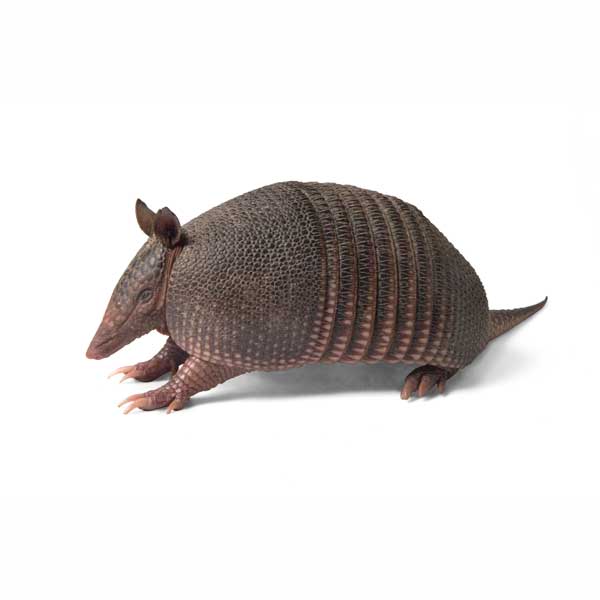
The Nine-Banded Armadillo is easily recognizable, making it a memorable sight for those unfamiliar with it. Its most distinctive feature is its bony, leathery shell, which covers its head, body, and tail, providing excellent protection from predators. Unlike their mythical counterparts, these armadillos cannot fully roll into a ball, though they can curl up somewhat for defense. Their scientific name, Dasypus novemcinctus, literally means “hairy nine-banded,” referring to the nine articulated bands across their midsection that allow for flexibility.
Armadillos are primarily nocturnal, particularly during the warmer Florida months, but they can occasionally be seen foraging during the day, especially in cooler weather or if their nocturnal activities are disturbed. They are solitary creatures, typically weighing between 8 to 17 pounds and growing up to 2.5 feet long, including their tail. Their powerful claws are perfectly adapted for digging, which they use to unearth their primary food source: insects, grubs, and other invertebrates from the soil. This constant digging is a hallmark of their presence and a common cause of their distinct burrows, which are frequently encountered in natural areas. For tourists, recognizing these unique characteristics can enhance the experience of spotting one of these fascinating animals in the wild.
Where Tourists Might Encounter Armadillos
For tourists eager to experience Florida’s unique wildlife, understanding where and when to spot armadillos can be immensely helpful. These resilient creatures have carved out niches in a wide array of habitats across the state, making sightings surprisingly common for the observant visitor.
Natural Habitats and Preferred Environments
Armadillos prefer habitats with loose soil that is easy to dig, ample cover, and a reliable food source. This includes a vast range of Florida’s natural environments. Tourists visiting state parks, national forests, and wildlife refuges are most likely to encounter them. Areas with pine flatwoods, hardwood hammocks, and even scrubland provide ideal conditions for armadillos.
For example, places like Everglades National Park, while famous for alligators and birds, also host armadillos in its higher, drier elevations. Myakka River State Park near Sarasota, Corkscrew Swamp Sanctuary in Naples, and sections of the Ocala National Forest are prime locations where their burrows or the animals themselves might be seen. Visitors walking hiking trails or driving through these natural preserves should keep an eye out for tell-tale signs of their presence, such as small, conical holes in the ground where they’ve rooted for food, or larger burrows under tree roots or dense vegetation.
Urban and Suburban Sightings
Perhaps surprisingly, armadillos are not confined to the remote wilderness. Their adaptability has allowed them to thrive in human-modified landscapes as well. It’s not uncommon for tourists staying in areas with green spaces, such as parks, golf courses, or even hotel grounds adjacent to undeveloped land, to spot an armadillo. Cities like Gainesville, Tampa, and even parts of Orlando and Miami where suburbs border natural areas, report armadillo activity. They are drawn to these environments by the availability of food (grubs in lawns) and shelter (under sheds, dense shrubs). For the tourist, this means an unexpected wildlife encounter could occur almost anywhere, from a nature trail to the edge of a resort property.
When and How to Spot Them (Day vs. Night)
As primarily nocturnal animals, the best time to spot an armadillo is often at dawn or dusk, when they are beginning or ending their nightly foraging. During cooler months, particularly in the Florida winter, they may be more active during the day to bask in the warmth. If you are exploring natural areas, moving quietly and observing the ground for signs of digging can increase your chances. Listen for rustling in the underbrush or soft scratching sounds as they dig. Patience is key, as with all wildlife viewing. Remember, spotting an armadillo is often a matter of being in the right place at the right time and paying attention to your surroundings.
Interacting Responsibly with Florida’s Wildlife
Encountering an armadillo in Florida can be an exciting part of a tourist’s journey, offering a glimpse into the state’s unique terrestrial ecosystem. However, responsible interaction is paramount to ensure both your safety and the well-being of the animal.
Observing from a Distance: A Golden Rule for Tourists
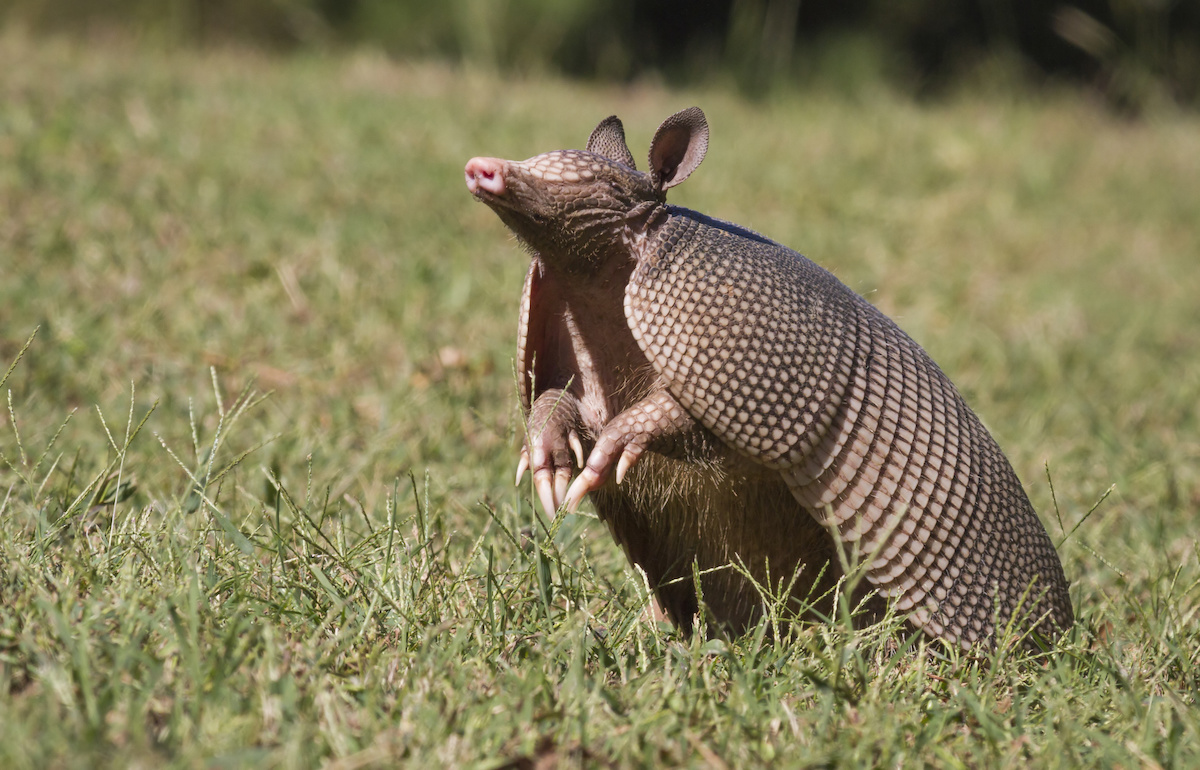
The most crucial rule for any wildlife encounter is to observe from a respectful distance. Armadillos, while generally docile, are wild animals. Approaching them too closely can cause them stress, provoke an unpredictable reaction, or habituate them to humans, which can ultimately be detrimental to their survival. A good rule of thumb is to stay far enough away that the animal does not alter its behavior due to your presence. If an armadillo raises its head, changes direction, or displays any signs of agitation, you are too close. Binoculars or a camera with a telephoto lens can enhance your viewing experience without disturbing the animal. Never attempt to feed armadillos or any other wild animal, as this can lead to dependency and alter their natural foraging behaviors.
Understanding Their Role in the Ecosystem
From a tourism perspective, appreciating the role armadillos play in Florida’s ecosystem adds depth to the viewing experience. While they might occasionally be seen as a nuisance by homeowners due to their digging, their constant foraging for insects and grubs helps control pest populations. Their burrows also provide shelter for other small animals, contributing to the biodiversity of their habitat. Recognizing them as an integral part of the natural balance rather than merely an interesting sight helps foster a deeper respect for Florida’s wild spaces. Their presence is a natural indicator of a healthy insect population and accessible ground.
Health and Safety Considerations (Leprosy Myth vs. Reality)
One common concern associated with armadillos is their potential to carry Hansen’s disease, commonly known as leprosy. While it is true that armadillos are one of the few other mammals, besides humans, that can naturally contract and carry the bacterium Mycobacterium leprae, the risk of transmission to humans is extremely low, especially for casual observers. The vast majority of people exposed to the bacterium do not develop the disease.
For tourists, the key safety advice remains: do not handle or touch armadillos. Avoid contact with any wild animal, dead or alive. If you must move a deceased animal, use gloves and proper hygiene. Maintain a safe distance, and enjoy watching them from afar. Should you accidentally come into contact with an armadillo, thoroughly wash your hands with soap and water. This sensible approach minimizes any potential health risks while allowing you to appreciate these unique creatures. Local health authorities in Florida continue to monitor armadillo populations and offer guidance, but for the average tourist, respectful observation is the best policy.
Armadillos as Part of Florida’s Unique Biodiversity
Florida’s natural appeal extends far beyond its famous coastline and attractions. The presence of creatures like the Nine-Banded Armadillo underscores the state’s rich terrestrial biodiversity, offering a complementary experience to its aquatic wonders. For tourists, recognizing this diversity enhances the overall travel experience, transforming a simple vacation into an opportunity for natural discovery.
Beyond the Beaches: Exploring Florida’s Terrestrial Wildlife
While the Florida Keys and the state’s extensive coastline rightly draw attention to marine life and birdwatching, the interior and upland areas offer a different, equally captivating wildlife narrative. Armadillos are just one component of this terrestrial tapestry, which also includes white-tailed deer, bobcats, foxes, and a myriad of reptiles and amphibians. Engaging with these land-based creatures provides a more holistic view of Florida’s ecosystems. Tourists seeking an experience distinct from the typical beach resort can find immense satisfaction in exploring the state’s extensive network of hiking trails, natural parks, and wildlife management areas, where armadillos often make their appearance. These excursions provide a deeper connection to the local environment and its inhabitants.
Recommended Natural Areas for Wildlife Spotting
For tourists keen on spotting armadillos and other Florida wildlife, several natural areas stand out as excellent destinations:
- Myakka River State Park: Located near Sarasota, this park offers vast expanses of wild Florida landscape, including prairies, wetlands, and forests. Armadillos are frequently seen foraging along the edges of trails and in wooded areas.
- Ocala National Forest: In central Florida, this is the southernmost forest in the continental United States. Its diverse habitats, from sand pine scrub to cypress swamps, provide ample opportunities for wildlife viewing, including armadillos.
- Kissimmee Prairie Preserve State Park: This expansive park in Okeechobee County is known for its wide-open grasslands and dark skies, perfect for stargazing and terrestrial wildlife observation. Armadillos, along with other prairie inhabitants, are often spotted here.
- Everglades National Park: While much of the Everglades is watery, the higher ground and pinelands within the park also support armadillo populations, particularly along roadsides and hiking trails in the northern and western sections.
- Local and Regional Parks: Many smaller county and city parks, especially those with undisturbed wooded sections or natural buffer zones, can also offer surprising armadillo sightings. A quick search for “wildlife viewing parks” around your specific Florida destination can yield rewarding results.
These locations provide not just a chance to see armadillos but also to immerse oneself in the serene and wild side of Florida, offering a memorable contrast to the state’s more developed attractions.
Enhancing Your Florida Tourism Experience
Integrating wildlife observation, including the possibility of spotting an armadillo, into your Florida itinerary can significantly enrich your tourism experience. It encourages a deeper connection with the natural world and offers unique photographic opportunities and lasting memories.
Preparing for Wildlife Encounters
To make the most of your wildlife viewing adventures, come prepared. Wear comfortable walking shoes, appropriate clothing for the weather, and insect repellent, especially in humid or wooded areas. Bring binoculars to observe animals from a respectful distance without disturbing them. A field guide to Florida wildlife can also be a valuable tool for identifying various species you might encounter, not just armadillos. Additionally, consider visiting during the cooler months (late fall to early spring) when animals, including armadillos, may be more active during daylight hours. Always inform yourself about park regulations and specific guidelines for wildlife viewing in any given area you visit.
Capturing Memories Responsibly
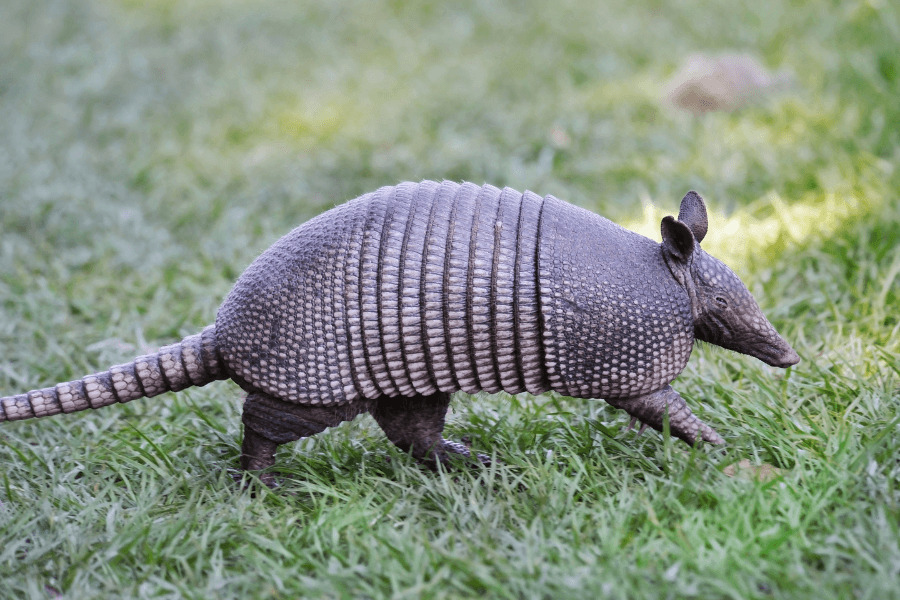
Photography is a wonderful way to preserve the memories of your Florida wildlife encounters. When photographing armadillos or any other animal, always prioritize their well-being. Use telephoto lenses to get close-up shots without invading their space. Avoid using flash photography at night, as it can disorient and distress nocturnal animals. Be patient, move slowly, and respect the natural behavior of the animals. Sharing your responsibly captured images can also inspire others to appreciate and protect Florida’s incredible natural heritage. Remember, the goal is to observe and appreciate, leaving no trace behind except your footprints and carrying nothing away but your memories and photographs.
LifeOutOfTheBox is a participant in the Amazon Services LLC Associates Program, an affiliate advertising program designed to provide a means for sites to earn advertising fees by advertising and linking to Amazon.com. Amazon, the Amazon logo, AmazonSupply, and the AmazonSupply logo are trademarks of Amazon.com, Inc. or its affiliates. As an Amazon Associate we earn affiliate commissions from qualifying purchases.