
California, a shimmering jewel on the United States’ West Coast, draws millions of visitors annually with its diverse landscapes, iconic cities, and vibrant culture. From the bustling streets of Los Angeles and the tech hubs of Silicon Valley to the serene beaches of San Diego and the majestic redwoods of the north, the Golden State offers an unparalleled travel experience. However, beneath the allure of its famous landmarks and thrilling adventures, navigating the state’s legal landscape is a crucial aspect of responsible tourism and residency, particularly concerning specific items like knives. For travelers, adventurers, and even long-term residents, understanding local laws isn’t just a matter of compliance; it’s about ensuring a smooth, safe, and enjoyable experience without unintended legal complications. Among the many questions that arise, the legality of certain types of knives, specifically balisong knives—also widely known as butterfly knives—often sparks curiosity and confusion.

Balisong knives, with their distinctive two-part handles that counter-rotate around the tang to reveal or conceal the blade, possess a unique appeal. Originating from the Philippines, these fascinating tools are admired for their intricate flipping maneuvers, often seen in martial arts demonstrations or as collector’s items. Their design, however, places them in a legally ambiguous category in many jurisdictions, including various states across the United States. This article delves deep into California’s specific statutes concerning balisong knives, providing clarity for anyone planning to visit, reside, or simply understand the regulations in this populous state. We’ll explore the legal definitions, practical implications, and what individuals need to know to stay on the right side of the law, ensuring their Californian journey remains focused on exploration and enjoyment rather than unforeseen legal challenges.
Understanding California Knife Laws for Travelers and Enthusiasts
California’s approach to knife laws is comprehensive, aiming to regulate the possession, carrying, and sale of various types of bladed instruments for public safety. For anyone considering traveling through, or making a home in, the Golden State, a basic understanding of these regulations is paramount. While many types of knives are legal for possession and open carry, specific categories face stringent restrictions. This nuanced legal environment means that a knife considered harmless or even a tool in one state could be deemed an illegal weapon in California, leading to significant legal repercussions.
The primary concern revolves around knives that can be rapidly deployed or concealed, often associated with a higher potential for misuse. General purpose knives, such as fixed-blade hunting knives or common folding knives with blades that require two hands to open, typically face fewer restrictions when carried openly. However, concealed carry laws apply universally, making it illegal to carry any knife concealed if its blade exceeds a certain length or if it falls into a prohibited category. This distinction is critical for tourists who might carry utility knives for outdoor activities or professionals who rely on specific tools for their trade. Furthermore, specific locations, such as schools, courthouses, or government buildings, often have absolute prohibitions on all knives, regardless of type or length, underscoring the importance of situational awareness for all individuals.
The Specifics: What is a Balisong Knife?
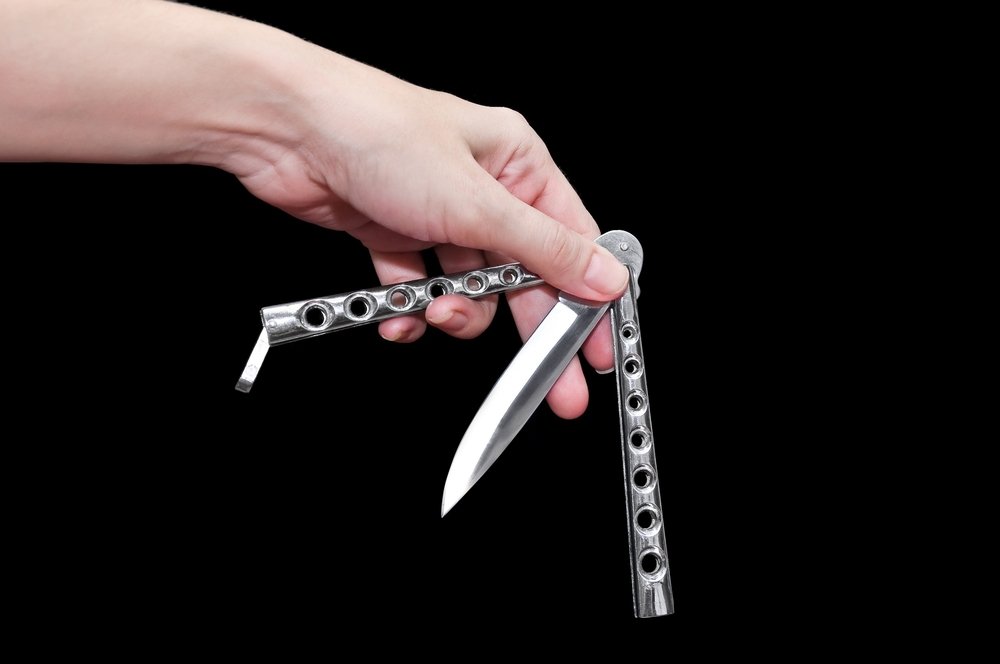
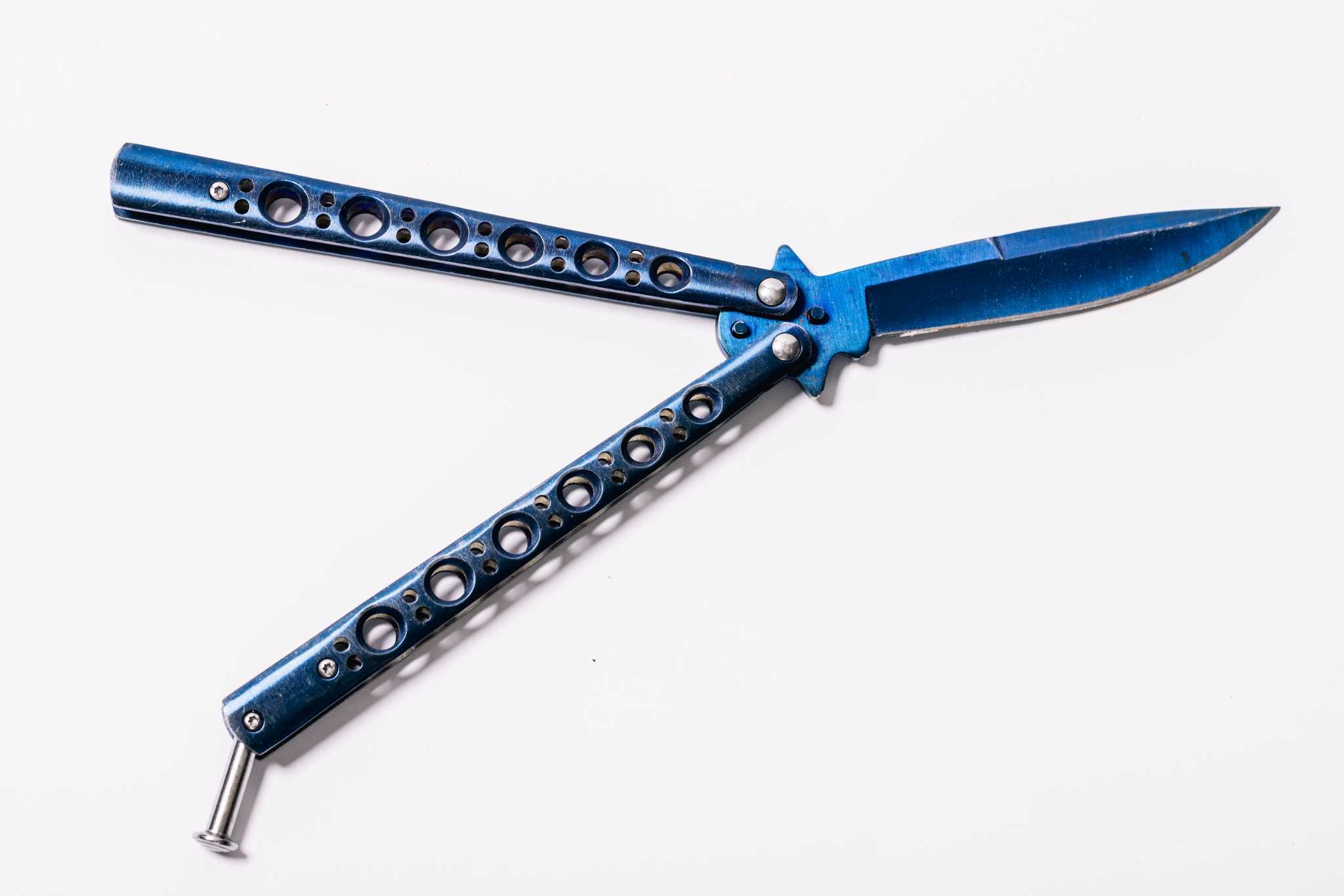
Before delving into the legality, it’s essential to define what a balisong knife is and why it often falls under scrutiny. A balisong knife, commonly known as a butterfly knife, is a folding pocket knife characterized by two handles that counter-rotate around the tang of the blade. When closed, the blade is concealed within grooves in the handles. To open it, the two handles are rotated around the blade’s pivot, revealing the blade. The act of opening and closing a balisong is often performed with intricate, fluid movements, a skill known as “flipping” or “balisong manipulation.”
The origin of the balisong can be traced back to the Philippines, particularly the province of Batangas, where it was historically used as a utility tool and a weapon. Its design allows for rapid deployment with practice, and its unique appearance has made it popular among collectors and enthusiasts worldwide. However, this very characteristic—the ability for quick deployment—is precisely what places it in a controversial legal category in many places, including California, where laws often target knives perceived as easily concealable and rapidly deployable for potentially aggressive use. Its distinct mechanism is key to understanding how it is classified under the state’s legal framework.
Key Legal Definitions: Switchblades vs. Balisongs
The legal status of a balisong knife in California hinges significantly on its classification under state law, particularly in relation to “switchblades.” California Penal Code 21510 is the central statute governing switchblade knives. This code defines a “switchblade knife” as a knife having a blade that opens automatically by a spring or other device, or a knife that has a blade that opens by the force of gravity or an outward flick of the wrist.
The critical element here for balisongs is the phrase “opens by the force of gravity or an outward flick of the wrist.” While balisongs do not typically have an automatic spring-assisted opening mechanism like traditional switchblades, their design inherently allows for rapid deployment through manual manipulation, often involving a flick of the wrist or gravity. Therefore, a balisong knife that can be opened rapidly in this manner, particularly if its blade exceeds a certain length, is almost universally interpreted by California courts and law enforcement as falling under the definition of a switchblade. The intent of the law is to regulate knives that can be quickly made ready for use, and the functionality of a balisong aligns with this concern, irrespective of whether it contains a spring. This interpretation solidifies the balisong’s position within the prohibited category in the state.
The Verdict: Balisong Legality in California
For anyone planning a trip or a move to California, understanding the strict regulations around balisong knives is essential for a hassle-free experience. The short answer to the question of their legality is generally straightforward: for the vast majority of citizens, balisong knives are illegal to carry, possess, or sell within the state of California. This prohibition stems directly from their classification under existing statutes, which are interpreted broadly to prioritize public safety. The state’s legal framework leaves little room for ambiguity concerning these types of knives, particularly when they meet specific criteria that designate them as dangerous weapons.
Travelers considering bringing a collection, or enthusiasts hoping to purchase one, must be fully aware of these prohibitions. The state’s intent is to prevent the proliferation of knives that can be quickly deployed and are often associated with criminal activity, despite their cultural significance or appeal to collectors. Ignoring these laws can transform an otherwise pleasant California vacation or a planned residency into a serious legal predicament, with consequences ranging from significant fines to incarceration. Therefore, informed decision-making and adherence to local regulations are non-negotiable for anyone interacting with the Californian legal system, whether as a tourist or a resident.
State-Level Prohibitions and Exceptions
At the state level, California Penal Code 21510 explicitly makes it illegal for any person to manufacture, import, sell, give, or possess any switchblade knife with a blade longer than two inches. As previously discussed, a balisong knife, due to its mechanism allowing for rapid deployment with a flick of the wrist or gravity, falls under this “switchblade” definition if its blade exceeds the two-inch length limit. This means that almost any functional balisong knife designed for practical use or collecting will exceed this threshold, rendering it illegal.
The prohibition is comprehensive:
- Manufacture: Creating such a knife within California is illegal.
- Importation: Bringing one into the state, whether by mail or in person, is prohibited.
- Sale/Gift: Selling or gifting a balisong knife with a blade over two inches is against the law.
- Possession: Simply having such a knife in your possession, even if it’s not carried openly or concealed, can lead to legal issues.
There are very limited exceptions to this law, primarily for peace officers, military personnel in the discharge of their duties, or for specific authorized scientific or historical purposes. These exceptions are highly specialized and do not apply to the general public, collectors, or travelers. For the average individual, the rule is clear: a balisong knife with a blade over two inches is a prohibited item in California. This strict stance underscores the state’s commitment to controlling items deemed potentially dangerous, influencing travel planning and lifestyle choices for many.
Local Ordinances and Variations
While California state law provides the overarching framework for knife regulations, it’s always prudent to consider whether local ordinances might impose additional, even stricter, rules. In the context of balisong knives, however, the state law is already so prohibitive that most local municipalities do not need to add further restrictions specifically on balisongs, as they are largely covered by the state’s “switchblade” ban.
However, local jurisdictions, such as major cities like Los Angeles, San Francisco, or San Jose, often have their own municipal codes that address other aspects of knife carry. These might include:
- Concealed Carry: Stricter rules on carrying any knife concealed, regardless of type.
- Open Carry: Limitations on openly carrying fixed-blade knives, or even folding knives, in public places or specific zones.
- Prohibited Areas: Expanded lists of places where knives of any type are forbidden, beyond state-mandated locations like schools (e.g., parks, public transit, specific events).
While these local rules might not specifically call out “balisongs,” they contribute to the overall cautious environment for knife ownership and carry. For instance, if you’re visiting a major tourist attraction or attending a festival, even legal knives might be prohibited as part of venue security. The key takeaway for balisongs is that the state law’s prohibition is generally the most significant hurdle. It’s always advisable for travelers and residents to not only be aware of state laws but also to quickly check local city ordinances if they have concerns about other types of knives they might carry for daily utility or outdoor recreation. This diligence ensures compliance and contributes to a worry-free experience throughout one’s journey or stay in California.
Practical Implications for Residents and Visitors to California
Understanding the black-and-white legal definitions is one thing, but grasping the practical implications for daily life, travel, and tourism in California is another. For residents, this means incorporating these laws into their lifestyle, ensuring that their personal belongings and hobbies comply. For visitors, it translates into critical pre-travel planning and awareness while exploring the state’s many attractions. The goal is to avoid any scenario where a seemingly innocent item could lead to significant legal trouble, disrupting travel plans or impacting residency. Navigating California with a full appreciation of its legal framework is key to a smooth and enjoyable experience, especially when considering items like balisong knives.
The California legal system takes weapon-related offenses seriously, and ignorance of the law is generally not considered a valid defense. Therefore, individuals must proactively educate themselves. This is particularly relevant for those coming from states or countries where balisong knives might be legal or less regulated. The contrast in laws can easily lead to unintentional violations if travelers are not adequately prepared. Furthermore, the implications extend beyond mere possession to transportation and even the consideration of purchasing such items as souvenirs, which is unequivocally discouraged due to the overarching prohibition. Prioritizing legal compliance ensures that your focus can remain on enjoying the rich experiences California has to offer, from its pristine beaches to its bustling urban centers.
Carrying, Possession, and Transportation
Given that balisong knives with blades over two inches are classified as illegal switchblades in California, the implications for carrying, possession, and transportation are severe.
- Carrying: It is illegal to carry a balisong knife, whether openly or concealed, in California. This means you cannot have it on your person, in your vehicle, or in any bag you are carrying while in public spaces.
- Possession: Mere possession of a prohibited balisong knife, even if it’s at home and not being carried, can be a violation of the law. This is because the statute prohibits “possessing” such knives, not just carrying them. If law enforcement discovers one during a legal search (e.g., during a traffic stop for another offense, or if they have a warrant for your property), you could face charges.
- Transportation: Attempting to transport a balisong knife into or through California, whether by car, bus, train, or plane, is also illegal. This applies even if the knife was legally acquired in another state or country. If you are traveling through California and have a balisong knife, you risk serious legal consequences upon entering the state’s jurisdiction.
Violating California’s switchblade laws, which encompass balisongs, is typically a misdemeanor offense. However, depending on the circumstances, prior offenses, or if the knife is found in conjunction with other criminal activity, charges could be elevated, potentially leading to more severe penalties. Penalties can include:
- Fines: Significant monetary penalties.
- Jail Time: Up to a year in county jail for a misdemeanor.
- Probation: Imposition of probationary terms.
- Confiscation: The knife will be seized and destroyed.
For tourists, this means that bringing a balisong knife into California from another state where it might be legal is a critical mistake that can lead to arrest, fines, and a ruined trip. For residents, it means ensuring that any such knives are disposed of or kept outside the state.
Balisongs and Travel: What Tourists Need to Know
For tourists visiting California, understanding the strict laws surrounding balisongs is crucial for a worry-free travel experience. The Golden State’s appeal for tourism is immense, but an inadvertent legal misstep can quickly turn a dream vacation into a nightmare.
- Do Not Bring Balisongs: The most important advice for any traveler is to absolutely not bring a balisong knife into California, regardless of where you are traveling from. Even if it’s a cherished collectible or a tool you use elsewhere, its presence in California can lead to legal issues.
- Airport Security (TSA) and Airline Rules: While the Transportation Security Administration (TSA) has its own regulations regarding knives on flights (generally prohibiting them in carry-on and requiring them to be in checked luggage under specific conditions), these rules are separate from state laws. Even if a balisong could theoretically pass TSA scrutiny in checked luggage, it would become illegal upon arrival in California if it exceeds the two-inch blade limit. Airlines also have their own policies, often stricter than TSA regulations.
- Hotel and Accommodation Safety: While not directly related to balisongs, responsible travel often includes being mindful of your belongings in hotels or other accommodations. However, if an illegal item like a balisong were discovered during a routine room check (e.g., maintenance), or if authorities were involved for another reason, it could lead to complications.
- Avoid Purchasing Illegal Items: Tourists should also be wary of street vendors or unofficial shops that might sell items that are illegal in California. Purchasing a balisong as a souvenir would immediately place you in violation of the law.
To ensure a smooth trip, travelers should focus on enjoying California’s stunning natural beauty, world-class attractions, and diverse culinary experiences. Leave any questionable items at home and consult official sources for legal guidance if uncertain about specific regulations. Prioritizing legal compliance means you can fully immerse yourself in the vibrant lifestyle and tourist offerings without unnecessary anxiety.
Alternatives and Responsible Knife Ownership for Enthusiasts
For knife enthusiasts, collectors, or individuals who rely on knives for work or recreation, the strict laws in California regarding balisong knives do not necessarily mean an end to responsible knife ownership. Instead, it necessitates an understanding of legal alternatives and a commitment to staying informed about regulations. The spirit of responsible ownership lies not just in appreciating the craftsmanship and utility of knives, but also in respecting and adhering to the laws designed to ensure public safety. Embracing this mindset allows enthusiasts to continue their passion within legal boundaries, contributing positively to the overall lifestyle and travel environment in California.
The market offers a wide array of knives that comply with California law, providing both utility and aesthetic appeal. The key is to differentiate between prohibited items and those that are perfectly legal for carry and possession. This distinction is vital for residents making daily choices and for visitors ensuring their travel essentials meet state requirements. By focusing on legal options and adopting best practices for knife ownership, individuals can safely and responsibly enjoy their knives without running afoul of the law, ensuring peace of mind whether at home or exploring the Golden State.
Legal Knife Options for Daily Carry
While balisongs are largely off-limits in California for general public possession, many other types of knives are perfectly legal for daily carry, subject to certain conditions.
- Folding Knives (Non-Switchblade): Most standard folding knives that require manual opening (e.g., using a thumb stud, nail nick, or two hands) are legal. This includes common pocket knives, utility knives, and multi-tools. The key is that they do not have an automatic opening mechanism, nor can they be opened by gravity or a flick of the wrist. Generally, there are no statewide blade length restrictions for carrying these types of knives (concealed or open), but local ordinances might impose limits, and “dirk” or “dagger” laws still apply if carried concealed and are capable of being used as a stabbing weapon.
- Fixed-Blade Knives: Fixed-blade knives (e.g., hunting knives, chef’s knives, combat knives) are generally legal to possess. However, they must be carried openly in a sheath on the waist or belt. It is illegal to carry a fixed-blade knife concealed, regardless of its length, if it is capable of being used as a stabbing weapon.
- “Trainer” Balisongs: For enthusiasts interested in the art of balisong manipulation, unsharpened “trainer” balisongs are typically legal. These knives have dull, unsharpened blades (often with holes or a comb design) and are designed solely for practice. Since they are not considered “knives” or “weapons” in the legal sense, they do not fall under the same restrictions. However, users should still exercise caution and discretion, especially in public spaces, to avoid unnecessary attention or misunderstandings from law enforcement.
When selecting a knife, always consider its intended use, local laws, and ensure it cannot be classified as a switchblade, a dirk, or dagger if carried concealed. This approach ensures you remain compliant while still enjoying the utility and craft of various bladed tools.
Staying Informed: Best Practices for Knife Enthusiasts and Collectors
For knife enthusiasts, collectors, and anyone passionate about bladed tools, staying informed is the best defense against legal troubles in California. The legal landscape can change, and interpretations may evolve, making continuous education vital.
- Consult Official Legal Resources: Always refer to the California Penal Code for the most accurate and up-to-date information. Websites of reputable legal organizations or attorneys specializing in weapons law can also provide valuable insights. Avoid relying solely on online forums or anecdotal advice.
- Understand Local Nuances: While state law is primary, remember that cities like San Francisco or Los Angeles might have specific local ordinances that further restrict certain types of carry or possession. A quick search of the local municipal code before visiting or residing in a particular city can prevent complications.
- Responsible Storage and Transportation: Even for legal knives, responsible handling is key. Store knives securely at home, especially away from children. When transporting knives, especially in a vehicle, ensure they are not readily accessible or are stored in a locked container, even if open carry is generally permitted for that type of knife. This prevents misunderstandings during traffic stops.
- Prioritize Safety and Intent: Always consider the context of knife ownership. Knives are tools, and their use should always be lawful and for legitimate purposes. Avoid brandishing or displaying knives in a threatening manner, as this can lead to charges regardless of the knife’s legal status.
By adhering to these best practices, knife enthusiasts can responsibly pursue their interest while ensuring their activities align with California’s legal framework. This careful approach not only safeguards individual freedom but also contributes to a safer, more informed community, allowing everyone to enjoy the diverse experiences the state has to offer without legal worries.
Conclusion
Navigating the legal intricacies of knife ownership and carry in California is a critical aspect for both residents and the millions of travelers who flock to the state annually. Our detailed exploration unequivocally confirms that balisong knives, often admired for their unique design and manipulation techniques, are largely illegal in California if their blade exceeds two inches due to their classification as “switchblades” under state law. This prohibition covers manufacturing, importing, selling, and possessing these knives, with very limited exceptions that do not apply to the general public.
For those planning to immerse themselves in California’s vibrant travel scene, from the enchanting vineyards of Napa Valley to the historic charm of San Francisco or the star-studded avenues of Hollywood in Los Angeles, understanding and adhering to these knife laws is paramount. The consequences of non-compliance can range from substantial fines to serious criminal charges, potentially derailing travel plans and impacting personal freedoms. Therefore, the most straightforward advice for travelers is to leave balisong knives at home and to thoroughly research all local and state regulations concerning any other knives they intend to carry for legitimate purposes.
Responsible knife ownership in California means prioritizing legal compliance, staying informed about evolving laws, and opting for the many legal knife alternatives available for utility, recreation, or collection. By doing so, individuals can avoid unnecessary legal entanglements and ensure their focus remains on enjoying the unparalleled beauty, culture, and experiences that the Golden State offers. Whether you’re planning a luxurious resort stay, an adventurous road trip, or considering making California your home, informed decision-making regarding personal items like knives is key to a smooth, safe, and truly unforgettable journey.
LifeOutOfTheBox is a participant in the Amazon Services LLC Associates Program, an affiliate advertising program designed to provide a means for sites to earn advertising fees by advertising and linking to Amazon.com. Amazon, the Amazon logo, AmazonSupply, and the AmazonSupply logo are trademarks of Amazon.com, Inc. or its affiliates. As an Amazon Associate we earn affiliate commissions from qualifying purchases.