
The allure of Florida is undeniable, drawing millions of visitors each year to its sun-drenched beaches, vibrant theme parks, and lush natural landscapes. From the bustling streets of Miami to the serene wetlands of the Everglades, the Sunshine State offers a diverse tapestry of experiences. However, for those venturing beyond the typical tourist trails, particularly into the more natural and wilder areas, a common question arises concerning the local fauna: “Are black snakes in Florida poisonous?” This query often stems from a natural caution, a desire to understand the environment and ensure a safe and enjoyable exploration. This article aims to demystify the presence of black snakes in Florida and provide clarity on their characteristics, particularly regarding venomosity, to enhance your understanding and appreciation of the state’s natural heritage.
Understanding Florida’s Reptilian Residents
Florida’s subtropical climate and abundant water sources create a haven for a wide variety of reptile species. Among these, snakes are a significant component of the ecosystem, playing crucial roles in controlling rodent populations and serving as prey for larger predators. When discussing “black snakes,” it’s important to note that this is a colloquial term often applied to several snake species that exhibit dark coloration, particularly when young or in certain lighting conditions. Identifying specific species is key to understanding their behavior and potential risks.
Common “Black” Snake Species in Florida
Several species of snakes found in Florida are frequently referred to as “black snakes” due to their predominant dark coloration. Understanding these species is the first step in answering the question of their venomosity.
The Eastern Rat Snake ( Pantherophis quadrivittata )
Perhaps the most commonly identified “black snake” in Florida, the Eastern Rat Snake is a constrictor known for its impressive size, often reaching lengths of five to six feet. Juveniles of this species are typically patterned with reddish-brown blotches on a lighter background. However, as they mature, particularly in the southern parts of the state, they can become almost entirely black, hence their common name. These snakes are non-venomous and play a vital role in controlling rodent populations, including those that might infest agricultural areas or even residential properties. They are frequently encountered in various habitats, from forests and swamps to suburban backyards and attics.
The Southern Black Racer ( Coluber constrictor priapus )
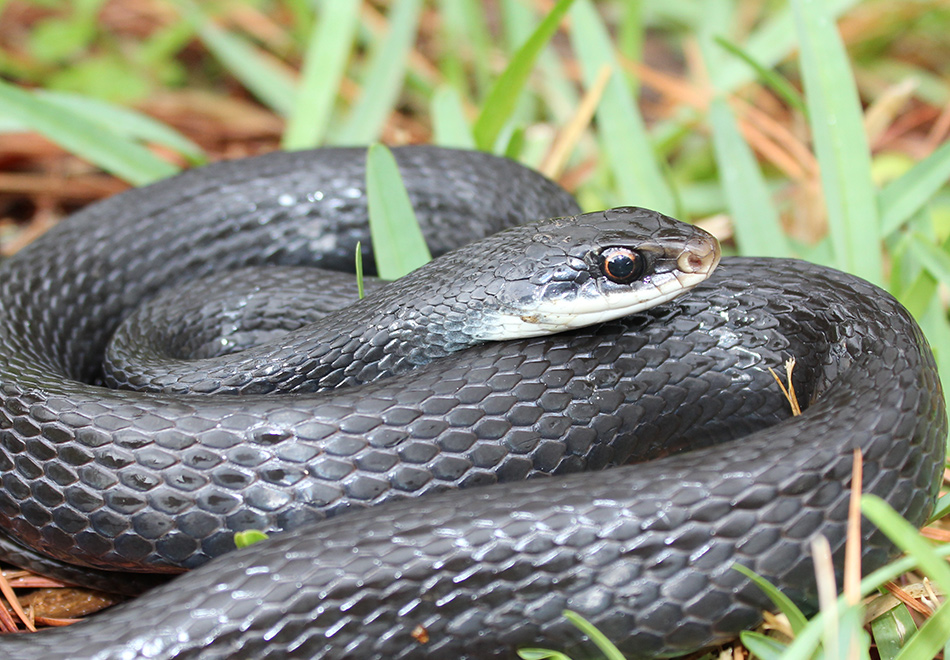
Another prominent dark-colored snake in Florida is the Southern Black Racer. Adult Black Racers are easily recognizable by their glossy black dorsal coloration, contrasting with a lighter, often grayish or whitish, belly. Like the Eastern Rat Snake, they are constrictors and are entirely non-venomous. They are known for their speed and are often observed “racing” across open areas or through vegetation. Their diet consists primarily of rodents, lizards, frogs, and other small vertebrates. While they are generally shy and will attempt to flee when approached, they can become defensive if cornered, delivering a rapid series of bites that, while not venomous, can be painful and draw blood.
The Florida Green Watersnake ( Nerodia floridana )
While predominantly green, the Florida Green Watersnake can sometimes appear dark or blackish, especially when wet or under certain lighting conditions. These are semi-aquatic, non-venomous snakes that inhabit freshwater environments such as lakes, ponds, and slow-moving streams. They are excellent swimmers and divers, feeding on fish and amphibians. Their defensive behavior can sometimes lead to them being mistaken for venomous species, but they are harmless to humans.
Distinguishing Non-Venomous from Venomous Snakes
The key to safely coexisting with snakes in Florida lies in the ability to distinguish between venomous and non-venomous species. While black coloration can be misleading, there are several general characteristics to consider:
- Head Shape: Venomous pit vipers in Florida, such as the Cottonmouth and Rattlesnake, often have broad, triangular heads that are distinct from their necks. Non-venomous snakes, like the rat snakes and racers, typically have more rounded or slender heads that blend more smoothly into their bodies.
- Pupil Shape: Pit vipers have vertically elliptical pupils, similar to a cat’s eye, which can be observed in good lighting. Most non-venomous snakes have round pupils. However, pupil shape can be difficult to ascertain from a distance or in poor light.
- Presence of a Pit: Pit vipers possess heat-sensing pits located between their eye and nostril. This is a definitive characteristic of venomous snakes in the family Viperidae.
- Rattle (for Rattlesnakes): The presence of a rattle at the end of the tail is a clear indicator of a rattlesnake.
- Behavioral Cues: While not foolproof, venomous snakes may exhibit a more defensive posture when threatened, such as coiling and raising their heads, or in the case of a Cottonmouth, displaying the bright white interior of their mouth as a warning. Non-venomous snakes are more likely to flee or play dead.
Black Snakes in Florida: Venomous or Not?
The direct answer to the question, “Are black snakes in Florida poisonous?” is overwhelmingly no. The most common species people refer to as “black snakes” – the Eastern Rat Snake and the Southern Black Racer – are non-venomous constrictors. They pose no threat of venomous bite and are, in fact, beneficial to the ecosystem.
The Importance of Non-Venomous Snakes
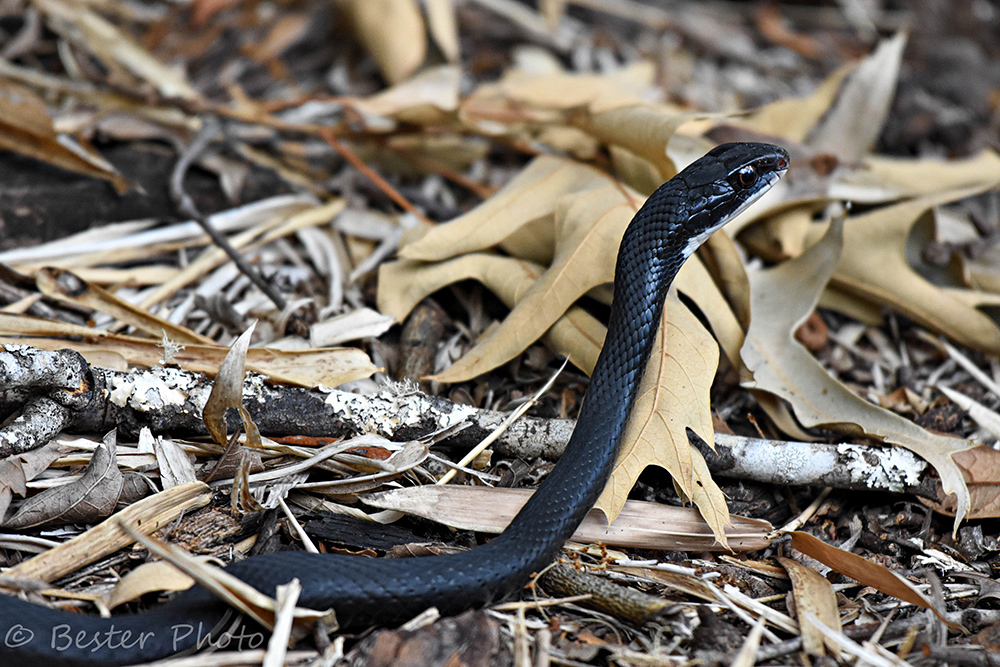
It is crucial to understand the ecological significance of these non-venomous snakes. They are vital components of the food web, contributing to a healthy and balanced environment.
- Pest Control: Eastern Rat Snakes, in particular, are highly effective at controlling populations of rodents. This natural pest control service benefits both agricultural producers and homeowners. By consuming rats and mice, they reduce the risk of disease transmission and property damage associated with these pests.
- Biodiversity: The presence of a diverse snake population, including both venomous and non-venomous species, is indicative of a healthy ecosystem. Each species plays a role, and their survival is interconnected.
- Educational Opportunities: Encountering snakes in their natural habitat can be a valuable educational experience. Understanding their behavior, diet, and role in the environment fosters a greater appreciation for nature and can help dispel common fears and misconceptions.
Misconceptions and Fear
Despite their harmless nature, black snakes in Florida often evoke fear and apprehension. This is largely due to a general societal phobia of snakes, coupled with a lack of specific knowledge about local species. The term “black snake” itself can be a source of confusion, as it lumps together different species under a single descriptive, but not scientifically precise, label. This can lead to misidentification and unnecessary panic.
It is important to remember that venomous snakes in Florida are distinct from the commonly identified black snakes. While encounters with venomous snakes are rare for most visitors, it is prudent to be aware of the venomous species present and maintain a respectful distance if one is encountered. The primary venomous snakes in Florida include the Eastern Diamondback Rattlesnake, Timber Rattlesnake, Eastern Coral Snake, and the Florida Cottonmouth.
Exploring Florida’s Natural Habitats Safely
When visiting or exploring the natural beauty of Florida, whether it’s a nature preserve, a state park, or simply your backyard in a more rural setting, a basic understanding of snake behavior can enhance your experience and ensure safety.
Respecting Wildlife
The best approach to any wildlife encounter is one of respect and observation from a safe distance. Snakes, like all wild animals, are generally not aggressive and prefer to avoid humans. They are not actively seeking to bite or harm people.
- Do Not Approach: If you see a snake, do not try to get closer for a photograph or to identify it. Maintain a distance of at least several feet.
- Do Not Provoke: Never attempt to touch, handle, or harass a snake. This is when most bites occur, regardless of whether the snake is venomous or non-venomous.
- Leash Pets: If you have pets with you in natural areas, keep them on a leash. They may be more likely to disturb or provoke a snake, leading to a dangerous situation for both the pet and the snake.
Identifying Potential Hazards
While the common “black snakes” are harmless, it is still wise to be aware of the general habitats where snakes, including venomous ones, might be found.
- Dense Vegetation: Tall grass, overgrown bushes, and wooded areas can provide cover and hunting grounds for snakes.
- Water Sources: Many snake species are attracted to water, so areas around lakes, ponds, rivers, and wetlands are common habitats.
- Rocky Outcrops and Wood Piles: These can offer shelter and basking spots for snakes.
- Leaf Litter and Debris: Snakes often seek refuge and hunt in leaf litter and under fallen logs or debris.
When to Seek Professional Help
In the rare event of a snakebite, it is crucial to remain calm and seek immediate medical attention.
- Emergency Services: Call 911 immediately.
- Stay Still: Try to keep the bitten area still and below the level of the heart.
- Remove Constrictions: Remove any tight clothing or jewelry from the affected limb, as swelling may occur.
- Do Not: Do not attempt to cut the wound, suck out the venom, or apply a tourniquet. Do not try to capture the snake, as this can lead to further injury.

Conclusion: Appreciating Florida’s Serpent Friends
The question of whether black snakes in Florida are poisonous can be answered with a resounding “no” for the most commonly encountered species. The Eastern Rat Snake and the Southern Black Racer, often perceived as “black snakes,” are vital, non-venomous members of the state’s diverse ecosystem. By understanding their characteristics and distinguishing them from the few venomous species present, visitors and residents alike can foster a greater appreciation for Florida’s natural heritage. Embracing a respectful approach to wildlife and seeking knowledge over fear will undoubtedly enrich your experiences as you explore the beautiful and varied landscapes of the Sunshine State. Remember, these creatures are an integral part of the natural world, contributing significantly to its balance and health.
LifeOutOfTheBox is a participant in the Amazon Services LLC Associates Program, an affiliate advertising program designed to provide a means for sites to earn advertising fees by advertising and linking to Amazon.com. Amazon, the Amazon logo, AmazonSupply, and the AmazonSupply logo are trademarks of Amazon.com, Inc. or its affiliates. As an Amazon Associate we earn affiliate commissions from qualifying purchases.