
Florida, a state synonymous with sunshine, sandy beaches, and vibrant ecosystems, also harbors a less publicized, yet significant, resident: the black widow spider. While the allure of the Sunshine State lies in its myriad of attractions, from the bustling theme parks of Orlando to the pristine shores of the Florida Keys, understanding and coexisting with its native wildlife, including venomous species, is an integral part of a responsible travel experience. This exploration delves into the presence of black widows in Florida, offering insights for tourists and residents alike to navigate this aspect of the local environment safely and knowledgeably.
Understanding the Black Widow Spider
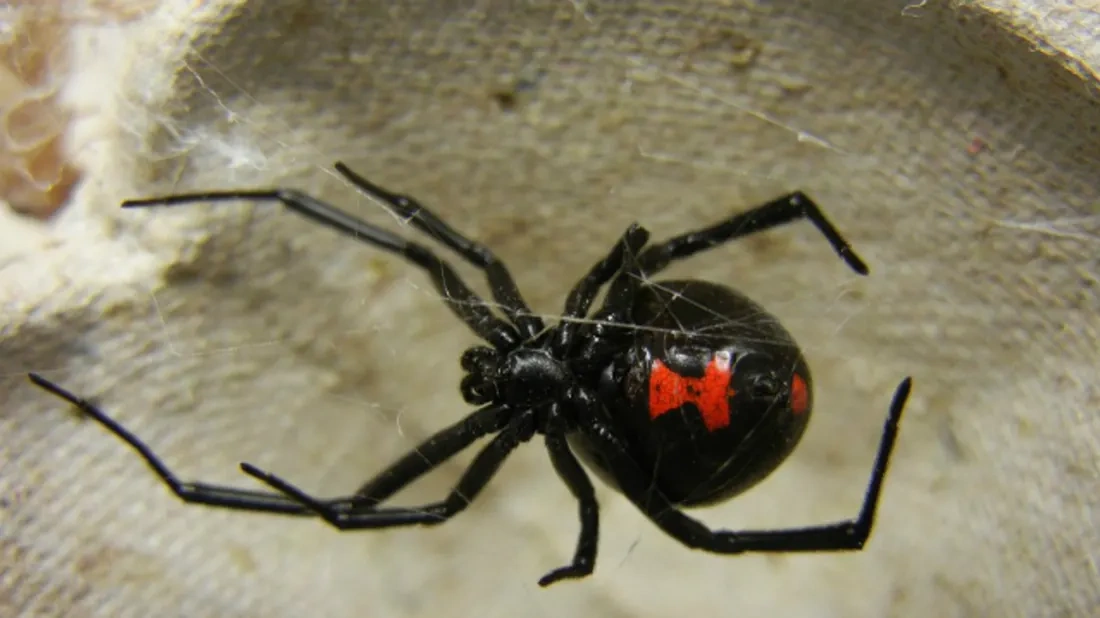
The black widow spider, scientifically classified within the genus Latrodectus, is one of the most recognized venomous spiders globally, largely due to its distinctive markings and potent neurotoxic venom. In Florida, the most commonly encountered species is the Southern black widow (Latrodectus mactans).
Physical Characteristics
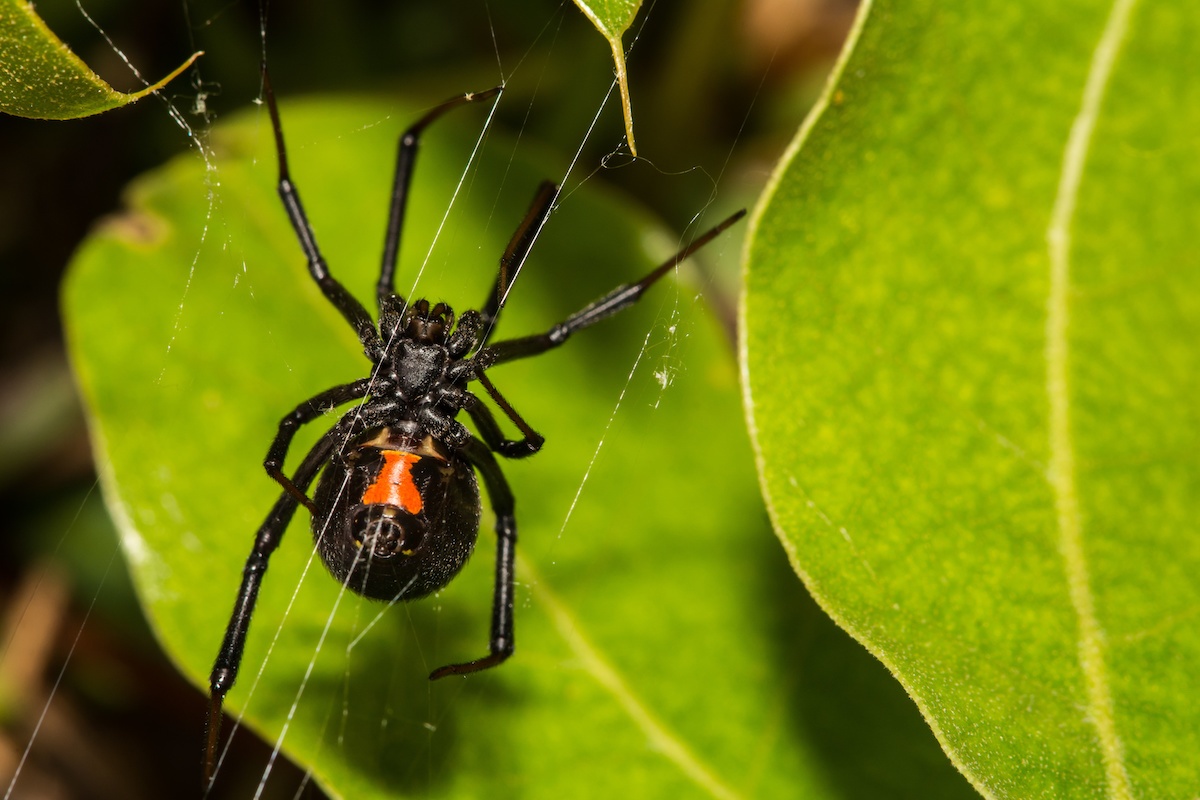
The most striking feature of the adult female black widow is her glossy black body, typically measuring around half an inch in length, with a more substantial abdomen. The hallmark identification is the crimson or reddish hourglass-shaped marking on the underside of her abdomen. While variations exist, this hourglass is generally a reliable indicator. Males are considerably smaller, less conspicuous, and not considered dangerous to humans. Juvenile females may lack the full hourglass marking or possess a more mottled appearance.
Habitat and Behavior
Black widows are solitary and shy creatures, preferring to inhabit dark, undisturbed areas. In Florida, their natural habitats include woodpiles, under rocks, in hollow logs, and within dense vegetation. However, they are also highly adaptable and frequently establish webs in human-made structures, such as sheds, garages, outdoor furniture, crawl spaces, and even neglected corners of homes. Their webs are typically irregular and strong, often described as “tangled” or “messy,” unlike the symmetrical orb webs spun by many other spider species. They are nocturnal hunters, relying on vibrations to detect prey, which primarily consists of insects caught in their webs.
Venom and Medical Significance
The venom of the black widow spider is a complex cocktail of neurotoxins. When a bite occurs, the venom is injected, and its effects can vary significantly depending on the amount injected, the victim’s size, and their individual sensitivity. The bite itself is often described as a sharp, pinprick sensation, and sometimes goes unnoticed. Symptoms, which may take several hours to develop, can include localized pain, swelling, redness, and itching. Systemic effects, known as latrodectism, can manifest as severe muscle cramps and spasms, abdominal pain mimicking appendicitis, nausea, vomiting, headache, sweating, and increased blood pressure. While black widow bites are medically significant and require attention, fatalities are extremely rare, especially with prompt medical care.
Black Widow Encounters in Florida’s Tourism Landscape
While exploring the wonders of Florida, it’s prudent to be aware of the potential for encounters with black widow spiders. Their presence is not confined to remote wilderness areas but can extend to the very edges of human habitation, including tourist accommodations and recreational spots.
Residential Areas and Vacation Rentals
Many visitors choose vacation rentals, apartments, or villas in Florida for a more immersive experience. These types of accommodations, particularly those with outdoor spaces or older structures, can sometimes provide an environment conducive to black widow webs. Properties with unkempt gardens, cluttered storage areas, or infrequently used sheds may harbor these spiders. It is advisable for travelers to be observant when settling into new surroundings, especially when accessing storage areas or outdoor amenities.
Recreational Areas and Parks
Florida boasts an extensive network of state parks, national parks, and nature preserves, offering unparalleled opportunities for outdoor recreation. Activities such as hiking, camping, and picnicking can bring visitors into close proximity with natural habitats where black widows may reside. While encounters are not guaranteed, it is wise to exercise caution when exploring overgrown trails, examining logs for firewood, or setting up camp. Always shake out shoes and clothing before putting them on if they have been left outdoors.
Urban and Suburban Environments
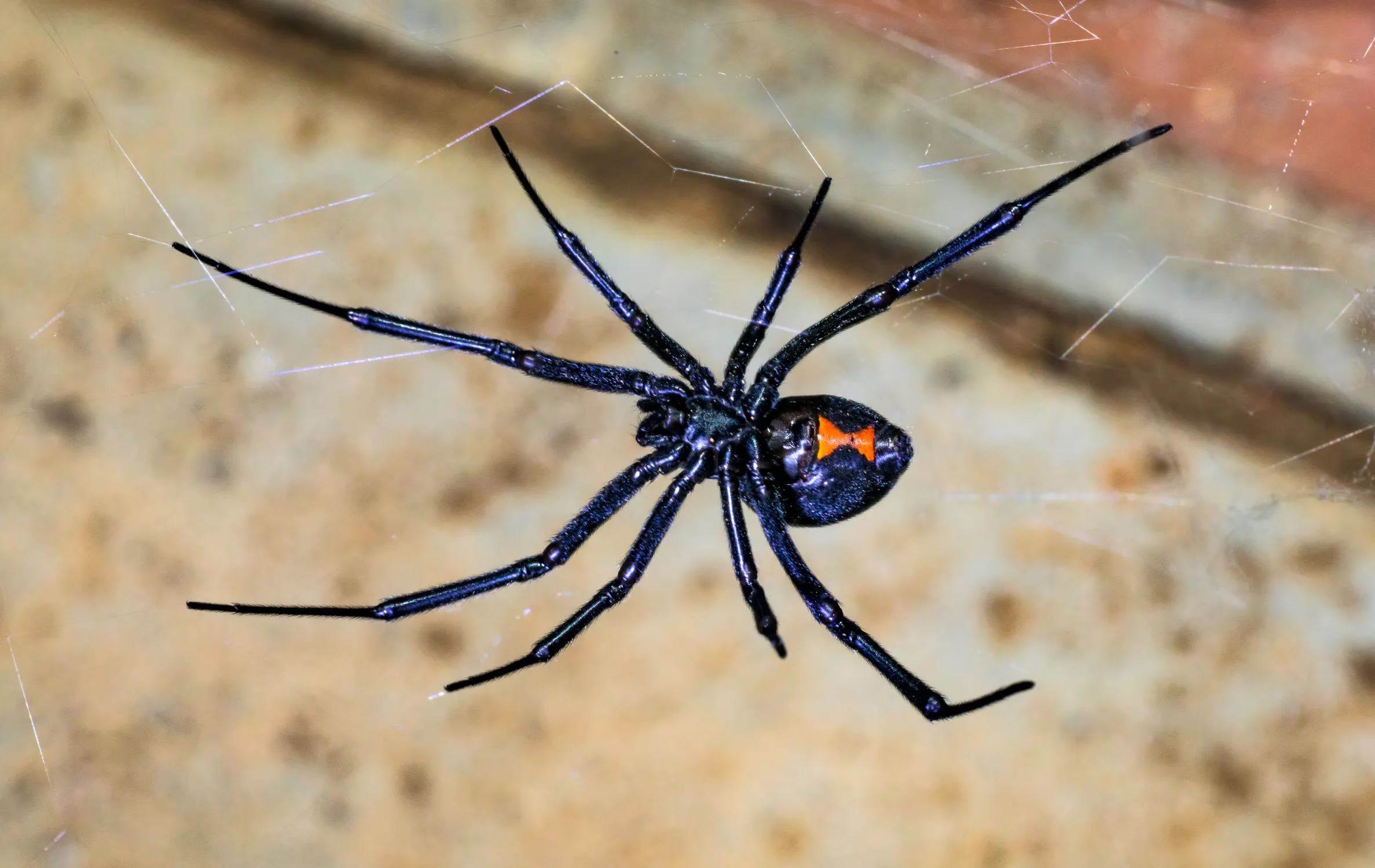
Even within the bustling cities and their surrounding suburbs, black widows can be found. They adapt well to the edges of developed areas, nesting in garden sheds, outdoor furniture, and even in the eaves of homes. While unlikely to be encountered on a busy street or in a well-maintained hotel lobby, they can be present in less frequented areas of parks or in residential neighborhoods where tourists might be exploring.
Safety Measures and Precautions for Travelers
Awareness and simple precautions are the most effective tools for minimizing the risk of black widow encounters while visiting or residing in Florida.
At Your Accommodation
- Inspect Your Surroundings: Upon arrival at your vacation rental or villa, take a moment to survey the immediate exterior and any accessible outdoor storage areas. Look for any signs of messy, irregular webs, particularly in dark, sheltered locations.
- Secure Outdoor Items: If your accommodation provides outdoor furniture, grills, or storage boxes, inspect them before use. Black widows often seek refuge in these items.
- Utilize Indoor Spaces: While enjoying the Florida climate is a primary draw, understand that spiders are part of the natural environment. Utilize well-maintained indoor spaces for relaxation and activities.
- Report Concerns: If you notice a significant number of webs or suspect a black widow presence, inform your property manager or landlord. They can arrange for appropriate pest control measures if necessary.
During Outdoor Activities
- Wear Appropriate Footwear: When hiking or exploring natural areas, wear closed-toe shoes to protect your feet.
- Exercise Caution When Handling Objects: Be mindful when picking up rocks, logs, or other debris. These can be hiding places for spiders.
- Shake Out Gear: Before using camping equipment, blankets, or anything that has been left outside, give it a good shake to dislodge any potential inhabitants.
- Stay on Marked Trails: This not only helps preserve the natural environment but also reduces the likelihood of stepping into unseen spider habitats.
General Awareness
- Educate Yourself: Understanding what a black widow looks like and where it tends to live is the first step in avoiding an unwelcome encounter.
- Avoid Disturbing Webs: If you see a black widow web, it’s best to leave it undisturbed. The spider is unlikely to be aggressive unless it feels threatened.
- Know What to Do If Bitten: In the unlikely event of a bite, remain calm. Wash the area with soap and water and seek medical attention promptly. Bring the spider with you if possible for identification, but do not attempt to capture it if it puts you at risk.
The Role of Black Widows in Florida’s Ecosystem
Despite their reputation, black widow spiders play a valuable role in the intricate Florida ecosystem. As predators, they help control populations of insects, many of which can be considered pests. By preying on flies, mosquitoes, and other invertebrates, they contribute to a natural balance within their environment.
Natural Pest Control
The presence of black widows can be seen as an indicator of a healthy, albeit complex, ecosystem. They are a natural component of the food web, keeping populations of their prey in check. This natural pest control is a vital function in both natural settings and in the peripheries of human habitation.
Coexisting with Wildlife
Florida’s rich biodiversity is a significant part of its appeal. While caution is always warranted with any wild creature, particularly venomous ones, understanding their place in the environment fosters respect and encourages peaceful coexistence. For residents and frequent visitors, integrating this knowledge into their routines allows for a more harmonious relationship with the natural world.
Conclusion: A Safe and Informative Approach to Florida’s Black Widows
The question “Are Black Widows In Florida?” is answered with a resounding yes. They are a native species found throughout the state, from the panhandle to the southernmost tip. However, their presence should not deter from the enjoyment of Florida’s unparalleled beauty and attractions. By understanding the black widow’s habits, habitats, and taking simple, sensible precautions, travelers and residents can ensure a safe and enriching experience. Whether you are visiting a world-renowned theme park, relaxing on a beach in Clearwater, or exploring the natural wonders of the Everglades National Park, a bit of awareness goes a long way in appreciating all that Florida has to offer, including its less commonly celebrated, yet important, inhabitants.
LifeOutOfTheBox is a participant in the Amazon Services LLC Associates Program, an affiliate advertising program designed to provide a means for sites to earn advertising fees by advertising and linking to Amazon.com. Amazon, the Amazon logo, AmazonSupply, and the AmazonSupply logo are trademarks of Amazon.com, Inc. or its affiliates. As an Amazon Associate we earn affiliate commissions from qualifying purchases.