
The question of whether brown recluse spiders, known for their potent venom, inhabit the scenic landscapes of Colorado is a recurring concern for residents and visitors alike. This article delves into the ecological and entomological realities surrounding the presence of the brown recluse spider (Loxosceles reclusa) in the Centennial State, offering clarity and practical advice for navigating this often-misunderstood topic.
Understanding the Brown Recluse Spider
The brown recluse spider is a species of venomous spider native to the central and southern United States. Its distinctive violin-shaped marking on its cephalothorax, with the narrow end pointing towards the abdomen, is a key identifier, though not always prominent or visible. These spiders are characterized by their tan to dark brown coloration and their six eyes, arranged in three pairs. Unlike many spiders, they are not builders of intricate webs for prey capture. Instead, they are nocturnal hunters, preferring to actively seek out insects and other small invertebrates in dark, undisturbed environments.

Habitat and Distribution of Loxosceles reclusa
The natural range of the brown recluse spider is primarily concentrated in an area that includes states like Missouri, Arkansas, Oklahoma, Kansas, and parts of Texas, Nebraska, and Illinois. They are typically found in dry, secluded areas, such as woodpiles, under rocks, in attics, basements, crawl spaces, and inside stored items like clothing, shoes, and boxes. Their preference for dark, sheltered environments makes them reclusive, hence their name.
Venom and Potential Health Risks
The venom of the brown recluse spider is cytotoxic, meaning it can damage tissues. While bites are often mild and can go unnoticed, some individuals may develop necrotic lesions, a condition known as loxoscelism. These lesions can be slow to heal and, in rare cases, may lead to significant tissue damage and secondary infections. It is important to note that severe reactions are not the norm, and the vast majority of brown recluse bites do not require extensive medical intervention. Misidentification of spider bites is common, and many skin irritations are attributed to brown recluse bites when other causes are more likely.
The Case of Colorado: Natural Habitat and Introduced Populations
The core of the discussion regarding brown recluse spiders in Colorado lies in their natural geographic distribution. Based on extensive entomological research and documented natural ranges, the native habitat of Loxosceles reclusa does not extend into Colorado. The environmental conditions in most of Colorado, including its arid climate and colder winters, are generally not conducive to the survival and establishment of brown recluse populations.
Official Stance and Scientific Consensus
Leading entomologists and pest control experts in Colorado consistently state that the brown recluse spider is not indigenous to the state. Organizations like Colorado State University Extension and the Denver Museum of Nature & Science do not list the brown recluse as a native or established species in the region. The consensus is that if a brown recluse spider is found in Colorado, it is highly likely to have been accidentally introduced through human activity.
Accidental Introductions: A Rare Possibility
While not native, the possibility of encountering an individual brown recluse spider that has been transported into Colorado from its native range cannot be entirely dismissed. This could occur through the movement of goods, such as used furniture, shipping containers, or even luggage, from infested areas. Such introductions are typically isolated incidents, and without suitable environmental conditions and a viable breeding population, these spiders are unlikely to establish a self-sustaining presence. If a suspected brown recluse is found, it is crucial to capture it for positive identification rather than relying solely on visual cues, as many other spider species can be mistaken for this elusive arachnid.
Distinguishing Brown Recluse Spiders from Similar Species in Colorado
Given the absence of native brown recluse populations, it is vital to understand which spiders commonly found in Colorado are often misidentified as Loxosceles reclusa. Several other species share similar coloration or size, leading to public concern that may be unfounded. Accurate identification is key to addressing arachnophobia and implementing appropriate management strategies if necessary.
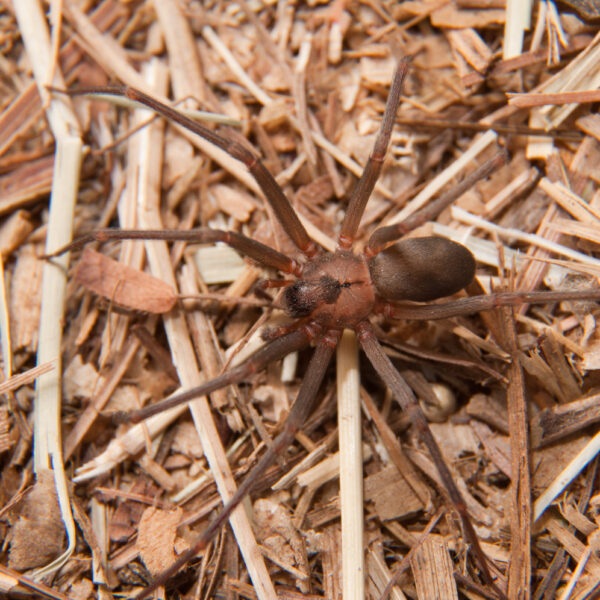
Common Colorado Spiders Often Mistaken for Brown Recluse
Several species of spiders in Colorado can cause confusion:
- Wolf Spiders (Family Lycosidae): These are common, medium to large-sized spiders that are active hunters. They are often dark brown or gray and can be found in various habitats, including homes. They do not possess the characteristic violin marking and have eight eyes arranged differently from the brown recluse.
- Grass Spiders (Genus Agelenopsis): These spiders build funnel-shaped webs in grass and shrubs. While their coloration can be brownish, they are easily identifiable by their web structure and their tendency to inhabit outdoor environments.
- Cellar Spiders (Family Pholcidae): Often referred to as “daddy longlegs spiders,” these slender spiders are found in dark, undisturbed areas like basements and garages. They are pale in color and have very long, thin legs, making them easily distinguishable from the stout-bodied brown recluse.
- Other Recluse Species: While Loxosceles reclusa is the most well-known, there are other species within the Loxosceles genus. However, these are also generally restricted to warmer climates and are not established in Colorado.
Importance of Accurate Identification
The fear of brown recluse spiders can lead to unnecessary anxiety and the indiscriminate use of pesticides. Accurate identification by a qualified entomologist or through reputable local resources can confirm whether a suspected spider is indeed a brown recluse or a harmless, native species. Many reported brown recluse bites in Colorado have been later diagnosed as conditions caused by staph infections, other insect bites, or various dermatological issues.
Managing Spider Encounters in Colorado Homes
Even though brown recluse spiders are not native to Colorado, general spider management practices are beneficial for maintaining a comfortable and safe living environment. Understanding how to prevent spider infestations and what to do if you encounter a spider is practical advice for any homeowner or renter in the state.
Prevention Strategies
- Seal Entry Points: Inspect your home for cracks and crevices in foundations, walls, windows, and doors. Seal these gaps with caulk to prevent spiders and other insects from entering.
- Reduce Clutter: Spiders often seek shelter in cluttered areas. Organize storage areas, attics, and basements, and reduce the amount of stored material, especially cardboard boxes, which can provide ideal hiding spots.
- Exterior Maintenance: Keep firewood stacked away from the house and off the ground. Trim back vegetation, shrubs, and trees that touch the exterior of your home, as these can serve as bridges for spiders to enter.
- Outdoor Lighting: Use yellow “bug lights” for outdoor lighting, as they are less attractive to insects, which in turn are a food source for spiders.
- Regular Cleaning: Vacuum regularly, paying attention to corners, baseboards, and areas where webs might form. This helps remove spiders, egg sacs, and their food sources.
What to Do If You Find a Spider
If you encounter a spider in your home that you suspect might be a brown recluse, the best course of action is to avoid direct contact.
- Capture It: If possible and safe to do so, carefully trap the spider under a glass or in a jar. Place a piece of paper or cardstock over the opening to secure it.
- Seek Identification: Take the captured spider to a local Colorado agricultural extension office, university entomology department, or a reputable pest control professional for positive identification.
- Do Not Panic: Remember that the likelihood of encountering an actual brown recluse in Colorado is extremely low. Most spiders found indoors are harmless and play a beneficial role in controlling other insect populations.
When to Seek Medical Attention
If you are bitten by a spider and experience symptoms such as significant swelling, redness, pain, or the development of a lesion, it is advisable to seek medical attention. A healthcare professional can assess the situation, determine the cause of the symptoms, and provide appropriate treatment. It is helpful to bring the spider with you for identification if it was safely captured.

Conclusion: Reassurance and Preparedness
In conclusion, the prevailing scientific understanding and ecological data indicate that the brown recluse spider is not a native inhabitant of Colorado. While accidental introductions are a remote possibility, they do not pose a widespread threat. Residents and visitors can enjoy the natural beauty of Colorado with a high degree of confidence regarding the absence of established brown recluse populations. By focusing on general spider prevention strategies and understanding common local species, one can effectively manage any spider-related concerns and maintain peace of mind while exploring the diverse landscapes from the Rocky Mountains to the plains.
LifeOutOfTheBox is a participant in the Amazon Services LLC Associates Program, an affiliate advertising program designed to provide a means for sites to earn advertising fees by advertising and linking to Amazon.com. Amazon, the Amazon logo, AmazonSupply, and the AmazonSupply logo are trademarks of Amazon.com, Inc. or its affiliates. As an Amazon Associate we earn affiliate commissions from qualifying purchases.