
For many travelers planning a trip to the sunny shores and diverse landscapes of California, a common, lingering question often surfaces: are brown recluse spiders a concern in the Golden State? It’s a myth that has woven itself into the fabric of public consciousness, often creating unnecessary anxiety for residents and visitors alike. When considering the myriad of attractions, from the iconic urban sprawls of Los Angeles and San Francisco to the serene natural beauty of Yosemite National Park and the vibrant culture found throughout the state, the last thing anyone wants to worry about is an encounter with a potentially dangerous arachnid. This article aims to untangle the truth from the fiction, providing clarity for those exploring California’s incredible destinations and ensuring peace of mind during their travels and accommodations.
California is a dream destination for countless reasons, offering everything from luxurious resorts and boutique hotels to stunning natural landmarks and unparalleled lifestyle experiences. Whether you’re planning a family trip to Disneyland, a romantic getaway to the vineyards of Napa Valley, or an adventurous trek through the deserts, understanding the true biological landscape can only enhance your experience. Debunking the myth of widespread brown recluse populations is crucial for maintaining a carefree travel outlook and ensuring that your focus remains on enjoying the rich tapestry of California’s tourism and culture. Let’s delve into the scientific facts and provide practical advice for a safe and enjoyable journey.
Debunking the Myth: The Truth About Recluse Spiders in the Golden State
The perception that brown recluse spiders are rampant throughout California is one of the most persistent entomological myths. This misconception often leads to misidentification of various benign spiders and undue panic among residents and tourists alike. The reality, as supported by scientific research and entomological experts, is far less alarming. Understanding the true geographical distribution of the genuine brown recluse (Loxosceles reclusa) is the first step in alleviating these concerns and allowing travelers to fully immerse themselves in the wonders of the United States’ most populous state without unwarranted fear.
Understanding the True Brown Recluse (Loxosceles reclusa)
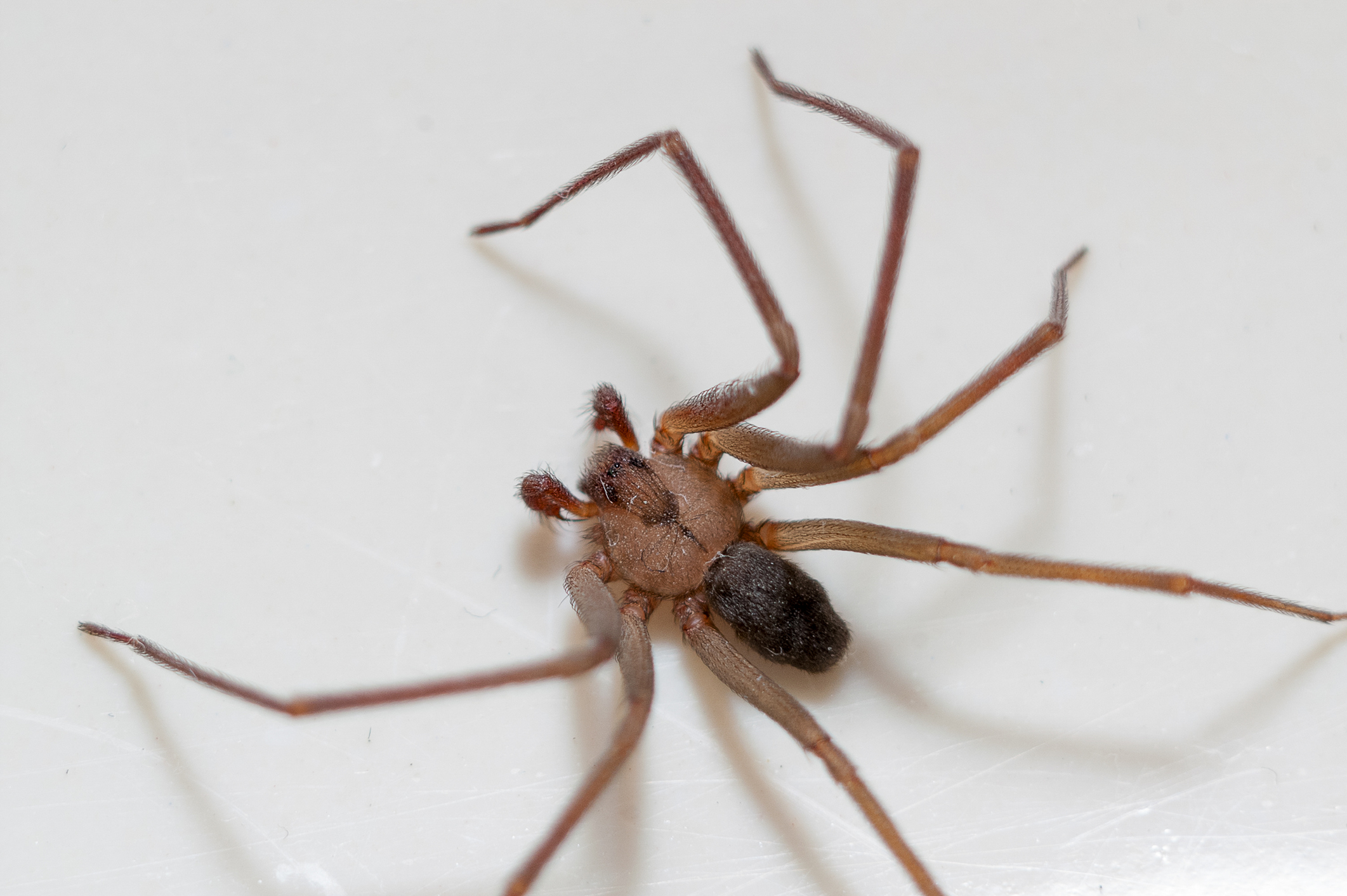
The genuine brown recluse, scientifically known as Loxosceles reclusa, is indeed a spider of medical significance due to its venom, which can cause dermonecrotic lesions (tissue death). However, its native range is primarily concentrated in the central and south-central United States, encompassing states such as Missouri, Kansas, Oklahoma, Arkansas, Kentucky, and parts of Tennessee, Mississippi, Alabama, Georgia, Illinois, Indiana, and Ohio. It thrives in these humid, temperate climates, preferring dark, undisturbed areas within homes, sheds, and other structures. Its characteristic “violin” or “fiddle” shaped marking on its cephalothorax (the combined head and thorax) is a key identifying feature, though this can be subtle and difficult to discern without magnification.
Despite countless reported sightings and self-diagnosed bites, established, reproducing populations of Loxosceles reclusa are simply not found in California. Isolated individual spiders might occasionally be transported to the state via luggage, freight, or moving boxes, especially from their native regions. However, these are extremely rare occurrences and do not constitute an established population capable of reproduction and widespread presence. Travelers should be reassured that the chances of encountering a true brown recluse during their stay in a California hotel, resort, or vacation rental are exceedingly low, bordering on non-existent.
California’s Native Loxosceles Species: A Different Story
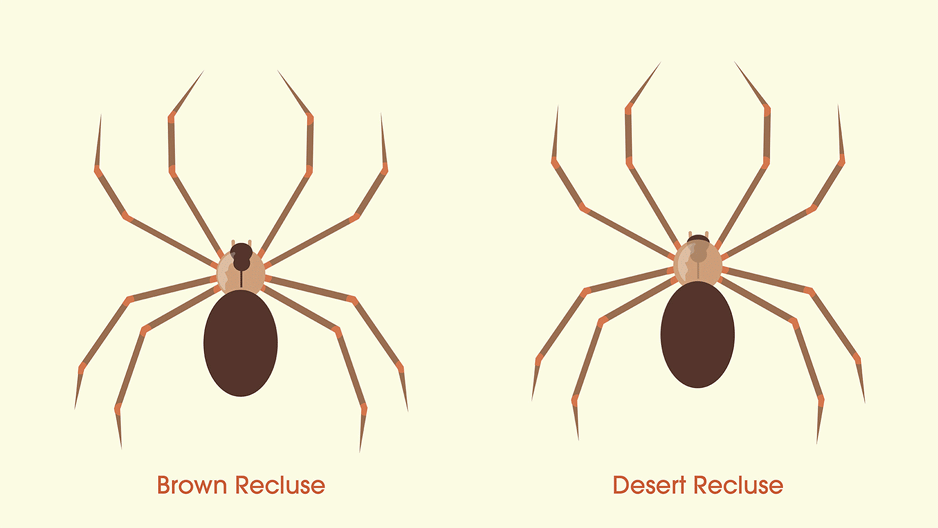
While the true Loxosceles reclusa is not native to California, the state does indeed host several species of recluse spiders belonging to the same Loxosceles genus. The most common and widely distributed of these is the Desert Recluse (Loxosceles deserta). As its name suggests, this species is typically found in the desert and arid regions of southern California and the southwestern United States, including parts of Nevada, Arizona, Utah, and New Mexico. Unlike the brown recluse, the Desert Recluse prefers outdoor habitats, often found under rocks, logs, and in rodent burrows, though they can occasionally wander into homes in close proximity to their natural environment.
Another Loxosceles species occasionally found in California, primarily in urban areas of southern California like Los Angeles, is the Chilean Recluse (Loxosceles laeta). This species is not native to the United States but is an introduced species that has established small, localized populations in a few areas. The Chilean Recluse is generally larger than the brown recluse and its venom can be more potent, though bites are still rare.
It’s crucial to understand that even with these native and introduced recluse species, bites are extremely uncommon. Recluse spiders are, by nature, reclusive and non-aggressive. They prefer to avoid human contact and typically only bite when they feel threatened, such as when they are accidentally pressed against skin, perhaps while someone is putting on clothing or rolling over in bed. For travelers staying in well-maintained hotels, apartments, or villas across California, the likelihood of encountering these spiders, let alone being bitten, is statistically very low. Awareness, rather than fear, is the key, and understanding which species are actually present helps to put concerns into perspective for a pleasant travel experience.
Identifying and Avoiding Encounters: A Traveler’s Guide
While the fear of brown recluse spiders in California is largely unfounded for the specific Loxosceles reclusa species, knowing about the native Loxosceles species and general spider safety is always beneficial, particularly when exploring diverse landscapes or staying in various types of accommodation. A little knowledge and a few simple precautions can go a long way in ensuring a comfortable and worry-free trip to any destination, including California’s vibrant cities, serene beaches, and majestic national parks. This section provides travelers with the essential information to identify potential recluse spiders (should an extremely rare encounter occur) and practical tips for minimizing any risk, ensuring your focus remains on enjoying the rich travel experiences California has to offer.
What to Look For: Identifying Recluse Spiders
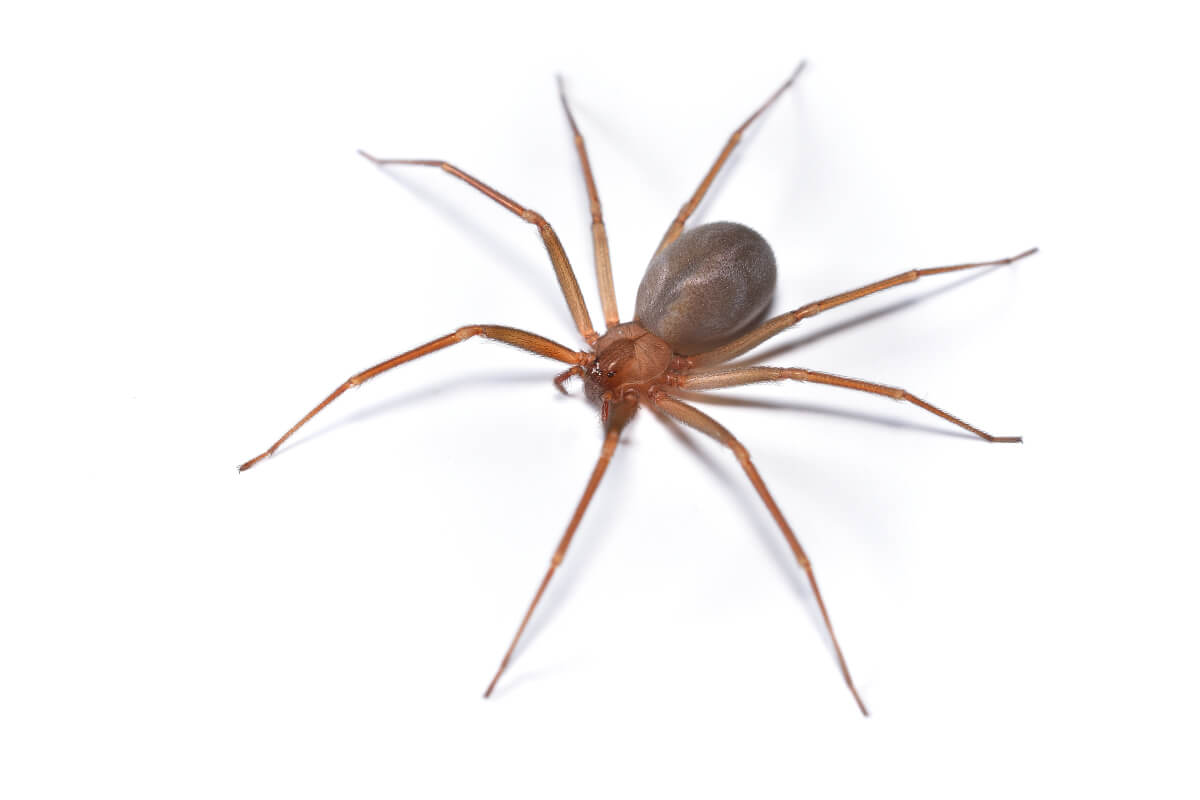
Accurate identification of a recluse spider requires a keen eye and, often, entomological expertise, as many harmless spiders are frequently mistaken for them. However, there are a few key characteristics that differentiate Loxosceles species from other common household spiders:
- Violin Mark: The most famous identifier is the dark, violin-shaped marking on the spider’s back, specifically on its cephalothorax. The neck of the violin points towards the rear of the spider. However, this mark can vary in distinctness and is not always a reliable sole identifier. Many other spiders have similar markings.
- Six Eyes: Unlike most spiders, which have eight eyes,
Loxoscelesspiders have six eyes arranged in three pairs (dyads) in a semicircle. This is the most definitive characteristic but requires close observation, often with magnification. - Uniform Coloration: Recluse spiders are generally uniform in color (tan to dark brown) with no stripes, bands, or elaborate markings on their legs or abdomen, except for the violin shape. Their bodies are typically hairless.
- No Spines: Their legs are relatively slender and lack prominent spines.
- Webs: Recluse spiders build irregular, messy, “sheet-like” webs that are not used for catching prey but rather as a retreat. You won’t typically find them hanging in orb webs like garden spiders.
It’s important to remember that many common spiders, such as wolf spiders, cellar spiders, and hobo spiders, are often misidentified as recluses. If you find a spider that you suspect is a recluse, it’s best to avoid direct contact and, if possible, take a clear photo for identification by an expert, rather than attempting to catch or kill it.
Practical Precautions for Travelers and Homeowners
While the risk of a recluse spider bite in California is minimal, particularly for the true brown recluse, incorporating a few simple precautions into your travel routine can provide extra peace of mind, whether you’re staying in a luxurious suite in Beverly Hills or a rustic cabin near Lake Tahoe. These tips are useful for avoiding encounters with any spider or insect:
- Check Your Belongings: Before packing and unpacking, especially if you’ve traveled through areas where recluse spiders are more common, give your luggage a quick shake and inspection. When in your accommodation, keep luggage zipped or stored off the floor.
- Inspect Bedding and Clothing: Spiders often seek refuge in undisturbed areas. Before getting into bed, especially in lesser-used accommodations, pull back the covers and give a quick visual check. Shake out clothes, shoes, and towels before using them, particularly if they’ve been left on the floor or in a closet for an extended period.
- Mind Dark, Undisturbed Areas: In hotel rooms, villas, or any accommodation, spiders prefer dark, quiet spaces. If you’re accessing storage areas, attics, or basements, exercise caution.
- Seal Gaps (for homeowners/long-term stays): For those on extended stays or living in California, sealing cracks and openings around your home, windows, and doors can help prevent not just spiders but other pests from entering. Ensure window screens are in good repair.
- Cleanliness and Clutter: Keeping your living space tidy and clutter-free reduces potential hiding spots for spiders. Regular cleaning, especially in corners, under furniture, and in closets, discourages their presence.
- Outdoor Precautions: If you’re exploring California’s beautiful natural landscapes, especially in desert or wooded areas, wear appropriate clothing like long sleeves and pants, and shake out shoes before putting them on if left outside.
These precautions are simple, effective, and won’t detract from your enjoyment of California’s diverse attractions and lifestyle offerings. They are good practices for any travel destination, ensuring a more comfortable and secure experience.
What to Do If You Suspect a Bite
Despite the rarity of actual recluse spider bites in California, especially from the true brown recluse, it’s wise to be informed about how to react if you or someone you’re traveling with experiences what appears to be a spider bite. Many skin irritations, insect bites, and even bacterial infections are frequently misdiagnosed as brown recluse bites, often leading to unnecessary alarm. Having a clear understanding of the symptoms and appropriate medical steps is crucial for accurate diagnosis and effective treatment, ensuring that any health concern is addressed promptly and correctly during your California travels.
Recognizing Potential Symptoms
A bite from a recluse spider often goes unnoticed initially, as it may feel like a minor sting or nothing at all. Symptoms typically develop over several hours, and the severity can vary widely depending on the amount of venom injected, the individual’s sensitivity, and the specific recluse species.
Common signs and symptoms of a recluse spider bite, which typically manifest within 2-8 hours, include:
- Initial Redness and Swelling: A small, red bump or blister may form at the bite site.
- Pain and Itching: The bite may become increasingly painful, itchy, and tender.
- “Bulls-eye” Lesion: In some cases, especially with brown recluse bites, the bite area might develop a “bulls-eye” pattern—a red outer ring with a pale or bluish center.
- Necrosis (Tissue Damage): This is the most concerning potential symptom. For a small percentage of bites, particularly from
Loxosceles reclusaorLoxosceles laeta, a necrotic lesion can develop, leading to an open sore that can take weeks or months to heal. This ulceration might have a dark, sunken center. - Systemic Symptoms (Rare): In very rare cases, especially in children or individuals with compromised immune systems, systemic symptoms can occur. These might include fever, chills, nausea, vomiting, muscle pain, or a generalized rash. These are exceptionally uncommon and are not typical for most recluse bites.
It’s vital to stress that most spider bites, including those from recluse spiders, do NOT result in significant necrosis. Many bites heal without complications, and often, what is believed to be a spider bite is, in fact, something else entirely, such as a staph infection (like MRSA), tick bite, or another insect bite.
Seeking Prompt Medical Attention
If you suspect you’ve been bitten by a recluse spider or any spider that causes a concerning reaction, the most important step is to seek prompt medical attention. Do not attempt to self-diagnose or self-treat, as misdiagnosis can lead to inappropriate or delayed treatment for the actual underlying condition.
Here’s what to do:
- Clean the Bite Area: Gently wash the bite site with soap and water.
- Apply a Cold Compress: Apply a cold pack or ice wrapped in cloth to the bite area to help reduce swelling and pain.
- Elevate the Limb: If the bite is on an arm or leg, elevate it to minimize swelling.
- Seek Medical Advice: Contact a doctor or visit an urgent care clinic or emergency room, especially if:
- You can positively identify the spider as a recluse (though this is rare).
- The bite area becomes increasingly painful, red, swollen, or starts to ulcerate.
- You develop any systemic symptoms like fever, chills, or widespread rash.
- The bite is on a child or an elderly person, or someone with a weakened immune system.
- Bring the Spider (If Possible and Safe): If you can safely capture the spider (without putting yourself at risk) or get a clear photograph of it, this can greatly assist medical professionals or entomologists in accurate identification. However, do not risk further bites for this.
Medical professionals in California are well-versed in addressing various skin conditions and insect bites. They can perform a thorough examination, rule out other causes, and provide appropriate treatment, which might include antibiotics for secondary infection, wound care, or in very rare cases, more specialized interventions. Remember, the goal is always accurate diagnosis and effective care to ensure your continued health and enjoyment of your California adventure.
Traveling California with Confidence: Enjoying Your Trip Worry-Free
California truly is a land of unparalleled beauty, offering an incredible array of travel experiences, from the sun-drenched beaches of San Diego to the majestic forests of the Redwood National Park, and the glittering entertainment of Hollywood. The lingering myth of widespread brown recluse spiders should in no way overshadow the immense pleasure and discovery that awaits every visitor. By understanding the true entomological landscape and employing simple, common-sense precautions, you can confidently explore every corner of the Golden State, focusing on creating unforgettable memories rather than harboring unfounded fears.
California’s Allure: Beyond the Myths
Let’s shift our focus from the almost non-existent brown recluse to the vibrant reality of what makes California a world-class destination. Imagine strolling across the Golden Gate Bridge, exploring the historical sites of Alcatraz Island, or discovering the unique architecture of Palm Springs. Picture yourself enjoying world-class cuisine in San Francisco, hitting the theme parks in Anaheim, or embarking on a scenic drive along Highway 1 through Big Sur. These are the authentic, enriching experiences that define a California trip.
The state’s tourism industry is robust, with a strong emphasis on visitor safety and satisfaction. Hotels, resorts, and various accommodations across California maintain high standards of cleanliness and pest control, ensuring that your stay, whether for business or leisure, is comfortable and secure. From budget-friendly motels in Sacramento to five-star luxury establishments in Santa Monica, the commitment to providing a pleasant environment is paramount. Travelers seeking specific experiences, from adventure tours in Death Valley National Park to cultural immersions in ethnic enclaves, can do so with the confidence that they are in a safe and welcoming environment. The vibrant lifestyle, diverse attractions, and natural landmarks of California are far too captivating to be overshadowed by a scientifically unfounded fear.
Responsible Tourism and Personal Safety
Responsible tourism extends beyond environmental considerations; it also encompasses being an informed and prepared traveler. Dispelling myths about potential dangers, such as the brown recluse, is part of this preparation. By understanding the actual risks (which are extremely low for this specific spider in California), you can approach your journey with a balanced perspective.
The best approach to personal safety while traveling in California, or anywhere for that matter, involves general awareness and common-sense practices:
- Stay Informed: Continue to seek out factual information from reliable sources regarding local wildlife or any travel advisories.
- Respect Wildlife: While extremely rare, if you encounter any spider or wild animal, maintain a respectful distance.
- Basic Hygiene: Practice good hygiene in your accommodations to minimize attracting any pests.
- Travel Insurance: Consider travel insurance for comprehensive coverage, including health emergencies, which provides a broader sense of security for your entire trip.
- Emergency Contacts: Keep important phone numbers handy, including local emergency services and your accommodation’s front desk.
In conclusion, the answer to “Are brown recluses in California?” is a resounding “No” for established populations of the true Loxosceles reclusa. While native Loxosceles species exist, their bites are rare, and with minimal precautions, the risk of encounter is incredibly low. California remains an extraordinary destination, brimming with diverse experiences, world-class amenities, and breathtaking scenery. Embark on your adventure with an informed mind and an open heart, ready to discover all the wonders the Golden State has waiting for you. Enjoy your trip!