
As the allure of Colorado draws adventurers and outdoor enthusiasts alike, exploring its vast landscapes and vibrant cities often comes with considerations for personal gear. Among the items that can spark curiosity regarding legality are tools and implements that blur the lines between utility and potentially restricted items. One such item that frequently surfaces in discussions about self-defense or unique collecting interests is the butterfly knife, also known as a “balisong.” Understanding the legal standing of such items in Colorado is crucial for anyone considering bringing one into the state or purchasing one while visiting. This article delves into the specific regulations governing butterfly knives within the Centennial State, providing clarity for travelers and residents alike.
Understanding Butterfly Knives: Definition and Common Perceptions
Before dissecting the legal landscape, it’s essential to define what constitutes a butterfly knife. A butterfly knife is characterized by its two handle halves that rotate around the tang of the blade. In the closed position, the blade is concealed within the handles. This unique mechanism allows for rapid opening and closing, often through a skilled manipulation of the handles, which has contributed to their association with certain forms of martial arts, performance, and, unfortunately, a perception of being a weapon designed for swift, concealed deployment.
This perception has led to varying legal treatments across different jurisdictions in the United States. While many individuals collect and use butterfly knives for their intricate mechanisms and as a form of “fidget toy” or a display piece, the potential for their use as a weapon cannot be entirely disregarded by lawmakers. The legality of carrying or possessing such knives often hinges on whether they are classified as “gravity knives,” “switchblades,” or other categories of prohibited weapons.
Colorado’s Legal Framework for Knives
Colorado, like many states, has specific statutes that govern the possession and carrying of knives. These laws are generally found within the state’s criminal code, often under sections pertaining to prohibited weapons or unlawful carrying. The primary focus of knife legislation in most states, including Colorado, is on the intent and manner of carrying rather than solely on the design of the knife itself, though certain designs can be inherently more restricted.
Switchblades and Gravity Knives: The Distinction
A key distinction in knife law often lies between “switchblades” and “gravity knives.” A switchblade is typically defined as a knife with a spring-loaded blade that opens automatically by pressing a button, lever, or other device located on the handle. A gravity knife, on the other hand, is generally considered to be a knife that is opened or closed by gravity or inertial force, without the use of a spring.
The debate around butterfly knives often centers on whether their opening mechanism, which relies on momentum and centrifugal force, classifies them as gravity knives. Historically, this classification has been a point of contention and has led to differing interpretations by courts.
Colorado Revised Statutes and Knife Legality
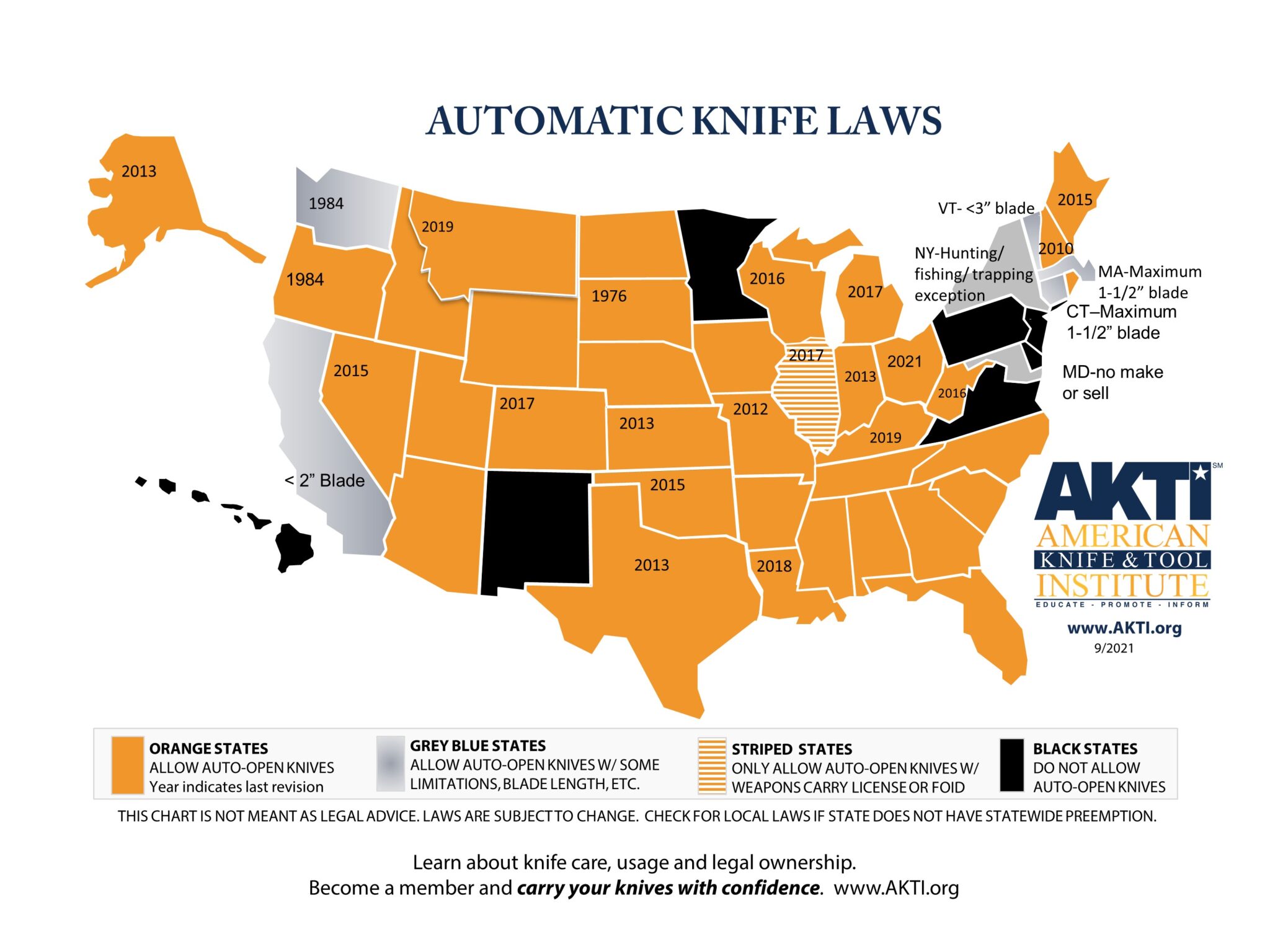
Delving into the specifics of Colorado law requires examining the relevant statutes. While Colorado has historically been more permissive regarding knife possession than some other states, it’s crucial to be aware of any amendments or specific prohibitions.
Historically, Colorado has not explicitly banned butterfly knives by name in the same way some other states have. However, the legal interpretation of what constitutes a “gravity knife” or a “prohibited weapon” can be nuanced.
Colorado Revised Statutes § 18-12-101 defines various terms related to firearms and weapons. While it doesn’t specifically list “butterfly knife,” it does address “prohibited weapons.” The definition of what constitutes a prohibited weapon can often include items that are designed to inflict serious bodily injury and lack a legitimate utilitarian purpose.
The critical aspect for butterfly knives often lies in their classification. If a butterfly knife is deemed to operate by “gravity or inertial force” in a manner that resembles a gravity knife, or if it’s considered a “switchblade” under a broad interpretation of automatic opening, its legality could be called into question, particularly concerning concealed carry.
Carrying and Possession in Colorado
The legality of carrying a butterfly knife is often more scrutinized than mere possession. In Colorado, the laws regarding concealed carry and open carry of weapons are distinct.
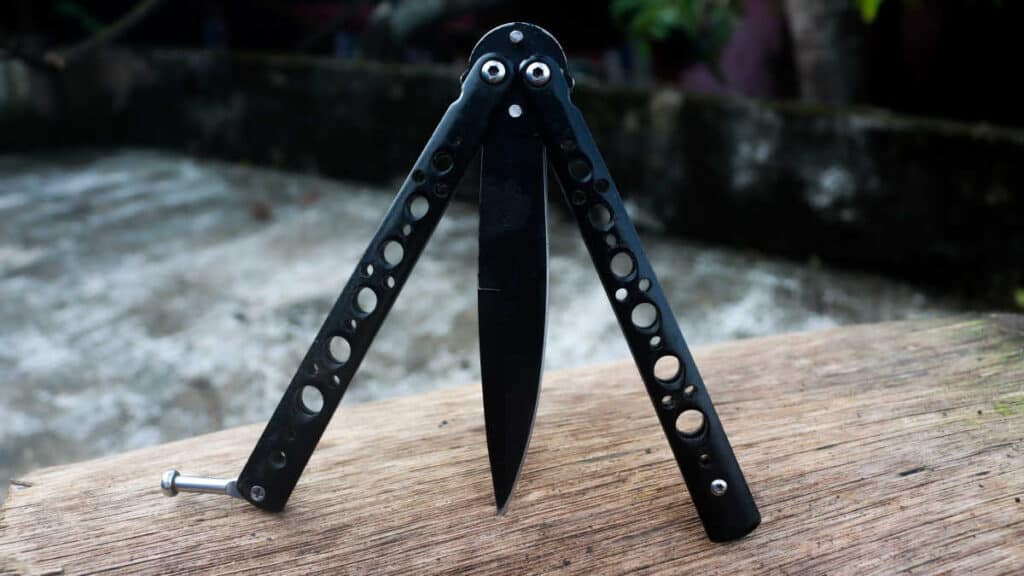
For a butterfly knife to be considered legally carried openly or concealed, it must first be legally possessed. If a specific type of knife is deemed illegal to possess, then carrying it would also be illegal.
The general principle in Colorado is that knives that are not otherwise prohibited by law can generally be carried. However, the intent behind carrying the knife is often a significant factor. Carrying a knife with the intent to use it unlawfully against another person can lead to charges, regardless of the knife’s specific type.
Case Law and Interpretations
The interpretation of knife laws, especially for items like butterfly knives, can often be shaped by case law. Court decisions can clarify ambiguities in the statutes and establish precedents for how specific types of knives are classified. While there may not be a landmark Colorado Supreme Court case specifically addressing butterfly knives as a distinct category of prohibited weapon, general rulings on gravity knives or switchblades could indirectly apply.
The lack of explicit prohibition does not automatically equate to legality for all purposes, particularly concerning carrying in public spaces or in specific locations.
Navigating the Nuances: Practical Advice for Visitors and Residents
Given the potential for legal interpretation and the importance of understanding local ordinances, it is prudent to exercise caution when considering butterfly knives in Colorado.
Research Local Ordinances
While state law provides a framework, individual cities and counties within Colorado may have their own ordinances that further restrict the possession or carrying of certain knives. These local rules can sometimes be more stringent than state law. For instance, carrying any knife in a school zone or on public transportation might be subject to specific regulations.
Intent Matters
The legal ramifications of possessing a butterfly knife in Colorado can often hinge on the demonstrable intent of the possessor. If a butterfly knife is carried openly or concealed with no apparent criminal intent, and it is not deemed a prohibited weapon under state or local law, possession may be permissible. However, if it is carried with the intent to use it as a weapon in a threatening manner, charges of brandishing or other weapon-related offenses could apply.
Open Carry vs. Concealed Carry
In Colorado, open carry of knives that are not prohibited is generally legal. However, the rules for concealed carry are more complex and can be subject to restrictions based on the type of knife and the location. For items like butterfly knives, where their classification can be ambiguous, attempting to carry one concealed without clear legal understanding is not advisable.
Consulting Legal Experts
For definitive guidance, particularly if you intend to carry a butterfly knife for specific purposes or if you are a collector seeking to understand the full scope of the law, consulting with a legal professional specializing in weapon laws in Colorado is highly recommended. They can provide advice based on the latest statutes, case law, and local interpretations.
Conclusion: A Matter of Clarity and Caution
In conclusion, the question of whether butterfly knives are legal in Colorado does not have a simple “yes” or “no” answer that applies universally. While Colorado has historically maintained a relatively permissive stance on knife laws compared to some other states, the legality of butterfly knives is nuanced and depends on their classification under existing statutes, particularly concerning gravity knives and switchblades, as well as local ordinances and the intent of the individual possessing the knife.
For travelers planning a visit to Denver, Aspen, or any other part of this beautiful state, it is always best to err on the side of caution. If you are unsure about the legal status of a butterfly knife, it is advisable to leave it at home or to thoroughly research the specific laws of the areas you plan to visit. Understanding and respecting these regulations ensures a safe and enjoyable experience in Colorado, allowing you to focus on the incredible attractions and activities the state has to offer.
LifeOutOfTheBox is a participant in the Amazon Services LLC Associates Program, an affiliate advertising program designed to provide a means for sites to earn advertising fees by advertising and linking to Amazon.com. Amazon, the Amazon logo, AmazonSupply, and the AmazonSupply logo are trademarks of Amazon.com, Inc. or its affiliates. As an Amazon Associate we earn affiliate commissions from qualifying purchases.