
The Golden State, California, is synonymous with endless sunshine, iconic landmarks, diverse destinations, and a vibrant lifestyle. Millions flock here annually, drawn by the allure of Hollywood glamor, the serene beauty of its National Parks, and the laid-back coastal vibe. However, in recent years, a recurring narrative has cast a shadow over this idyllic image: wildfires. The question “Are California fires contained?” is not merely a headline but a crucial query for anyone planning travel to or residing within the state.
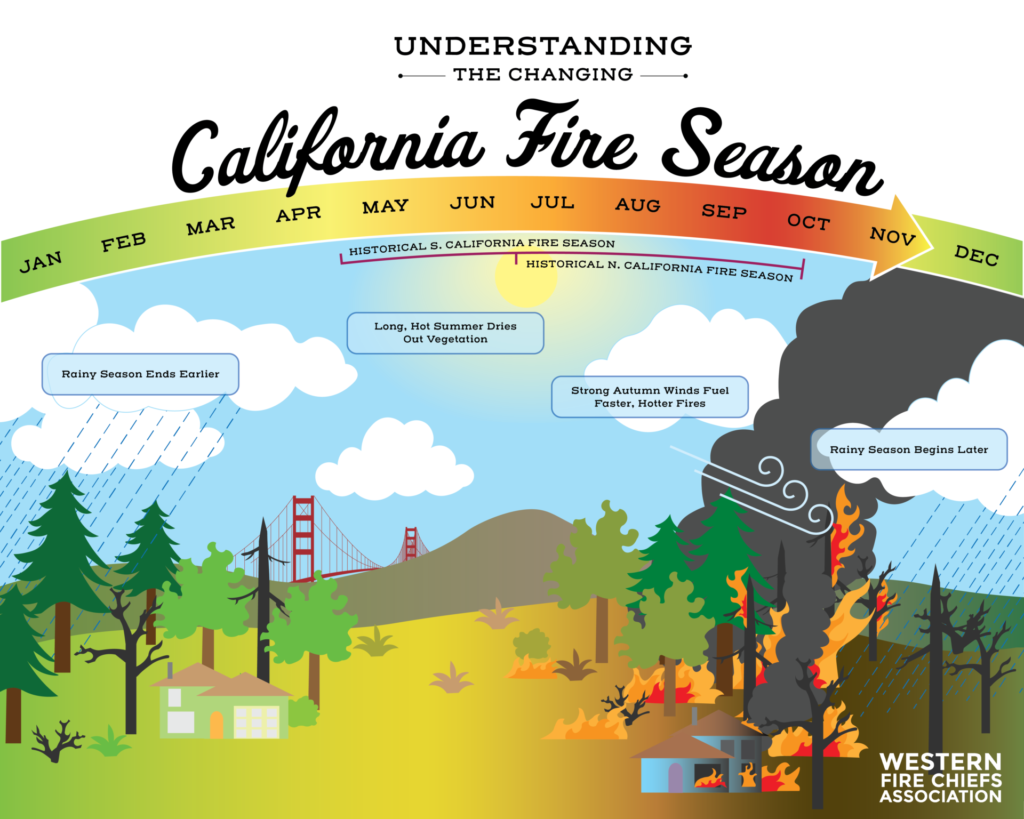
The answer, unfortunately, is rarely a simple “yes” or “no.” California’s fire season has become a year-round concern, exacerbated by climate change, drought conditions, and an accumulation of dry vegetation. While individual fires are eventually contained, the threat of new blazes is ever-present, especially during peak season from late spring through fall. For travelers, understanding this complex reality is paramount to ensuring a safe, enjoyable, and responsible experience. This article delves into the nuances of California wildfires, their impact on tourism and accommodation, and how visitors can navigate the state responsibly, supporting its resilience and breathtaking beauty.
Understanding the Landscape of California Wildfires: A State of Resilience
California’s geography, from arid southern deserts to dense northern forests, makes it particularly susceptible to wildfires. The dry chaparral, pine forests, and powerful Santa Ana and Diablo winds create a volatile environment. While the scale and intensity of fires have increased, the state and its communities have developed robust response and recovery strategies.
A California Reality: Causes, Prevention, and Response
Wildfires in California stem from a combination of natural and human factors. Lightning strikes are a natural ignition source, particularly in remote wilderness areas. However, human activity accounts for the majority of ignitions, ranging from downed power lines and vehicle malfunctions to campfires and arson. The state’s increasingly hot and dry climate, coupled with decades of fire suppression that led to an accumulation of fuel, has created conditions ripe for large, fast-moving blazes.
Organizations like CalFire are at the forefront of prevention and response, utilizing advanced technology, aerial firefighting resources, and dedicated personnel. Efforts include prescribed burns to reduce fuel loads, public education campaigns, and rapid deployment teams. For travelers, understanding these realities isn’t meant to deter but to inform; it emphasizes the importance of vigilance and adherence to local regulations, especially concerning campfires and outdoor activities.

Key Regions Affected and Recovery Efforts
Historically, certain regions in California have borne the brunt of severe wildfires. The forested areas of the Sierra Nevada, the coastal mountains of Southern California, and the famous Wine Country of Napa and Sonoma have all experienced devastating fires. However, these regions also demonstrate remarkable resilience. Following a fire, communities often rally to rebuild, and natural ecosystems begin their long process of regeneration.
For instance, Napa and Sonoma valleys, despite facing significant fires, have consistently rebounded, their vineyards and wineries quickly resuming operations. Many affected businesses and resorts leverage recovery as an opportunity to implement more fire-resistant building practices and sustainable land management. This continuous cycle of challenge and recovery underscores the spirit of California and its commitment to preserving its natural and economic assets.
Navigating California Travel During Fire Season: What Tourists Need to Know
For prospective visitors, the presence of wildfires doesn’t necessarily mean canceling a trip to California. It means being prepared, flexible, and informed. Responsible travel involves more than just booking a flight and a hotel; it requires an awareness of the local environment and potential challenges.
Prioritizing Safety: Before and During Your Trip
The golden rule for traveling during California’s fire season is to stay informed. Before departing, check official sources such as CalFire’s incident map, the National Interagency Fire Center (NIFC), and local news outlets for updates on active fires and air quality advisories. Websites like AirNow.gov provide real-time air quality data, which is crucial as smoke can travel far from the actual fire.
Upon arrival, maintain situational awareness. Heed all warnings and evacuation orders from local authorities. Familiarize yourself with emergency exits at your accommodation, whether it’s a bustling hotel in Los Angeles or a secluded villa in a more rural setting. Consider packing a ‘go bag’ with essentials, especially if you plan to visit areas prone to natural disasters. Flexibility with your itinerary is also key; be ready to adjust plans if conditions change. Travel insurance that covers natural disaster disruptions can provide peace of mind and protect your investment.
Impact on Attractions and Accommodation
Wildfires can lead to temporary closures of popular attractions and landmarks, particularly National Parks and state parks. Yosemite, Sequoia, and Kings Canyon National Parks, with their vast forests, are sometimes impacted. Before visiting, always check the official park websites for current conditions, road closures, and air quality alerts. Many parks offer excellent online guides and real-time updates.
Accommodation options can also be affected. Hotels, resorts, vacation rentals, and even apartments for long-term stays in or near fire zones might be subject to evacuation orders or power outages. While direct damage is less common in major urban centers, smoke can still impact air quality, prompting some travelers to reconsider outdoor activities. Many hotels and resorts now offer flexible booking policies during peak fire season, and it’s always wise to read reviews and compare options based on their proximity to potentially affected areas and their amenities, such as advanced air filtration systems.
Supporting Local Tourism During Recovery
One of the most powerful ways travelers can contribute to California’s resilience is by supporting local tourism in unaffected areas, and even in recovering communities once it’s safe to do so. After a fire, local businesses, including restaurants, shops, and boutique hotels, often face significant economic challenges. By choosing to visit, purchase local food and goods, and engage in cultural activities, you directly contribute to the economic recovery and vitality of these regions.
Many areas quickly bounce back, with wineries, museums, and outdoor recreation returning to normal. Luxury travel experiences, family trips, and even budget travel can all be planned responsibly. Consider exploring lesser-known gems that are far from fire zones, discovering new facets of California’s diverse offerings.

Iconic California Destinations: Open for Exploration (and How to Visit Responsibly)
Despite the challenges, vast stretches of California remain unaffected by fires at any given time, offering incredible travel experiences. The key is informed decision-making and a willingness to adapt.
Coastal Gems and Cityscapes
California’s urban centers and coastal regions are generally less susceptible to the direct impact of wildfires, though smoke can occasionally drift into these areas. Cities like San Francisco, Los Angeles, and San Diego offer world-class attractions, sophisticated accommodations, and vibrant local culture.
- San Francisco: Explore the Golden Gate Bridge, visit Alcatraz Island, or savor gourmet delights at the Ferry Building Marketplace. The city’s extensive public transit makes it ideal for urban exploration. Numerous boutique hotels and luxury suites offer exceptional stays.
- Los Angeles: Dive into the entertainment capital, from the studios of Hollywood to the beaches of Santa Monica and Malibu. Enjoy theme parks like Disneyland or upscale shopping in Beverly Hills. L.A. boasts an incredible array of hotels, from sprawling resorts with lavish amenities to stylish apartments suitable for business stays.
- San Diego: Famous for its beautiful beaches, Balboa Park, and world-renowned zoo, San Diego offers a relaxed, family-friendly atmosphere. Consider a trip to Catalina Island for an island escape.
- Central Coast: Drive the scenic Pacific Coast Highway through Santa Barbara, Big Sur, and Laguna Beach, visiting landmarks like Hearst Castle and the Monterey Bay Aquarium. These areas offer breathtaking nature, charming hotels, and unique experiences.
Wine Country Rebounds: Napa and Sonoma
Napa and Sonoma remain premier destinations for wine enthusiasts and lifestyle travelers. The region’s resilience is notable, with most vineyards and wineries quickly recovering and welcoming visitors. Hotels and resorts here often offer luxurious suites and bespoke experiences, from hot air balloon rides to culinary tours. Always check with individual wineries and accommodations for current operating status and potential fire-related advisories. Many wineries offer a chance to learn about sustainable practices and fire-conscious viticulture. The Napa Valley Wine Train is a popular attraction that typically operates without interruption, offering a unique way to experience the scenery and food.
Mountain Retreats and National Parks
California’s mountain ranges and National Parks are jewels for nature lovers. While these areas are more prone to wildfires, many regions are often clear and safe for visitors.
- Lake Tahoe and Mammoth Lakes: These stunning mountain destinations offer year-round activities, from skiing and snowboarding in winter to hiking and water sports in summer. Accommodation ranges from cozy cabins to full-service resorts, providing excellent family trips or luxury travel options.
- Yosemite, Sequoia, Kings Canyon, Joshua Tree, and Death Valley National Parks: These parks offer some of the most spectacular natural landscapes in the world. Always check the official NPS website for each park before visiting, as conditions can change rapidly. Park rangers are excellent resources for local tips and safety information. When open, these parks offer unparalleled nature experiences, from camping to stays at historic lodges within the park boundaries.
Beyond the major parks, destinations like Palm Springs offer desert retreats, complete with mid-century modern architecture and luxury hotels, often remaining unaffected by the forest fires that plague other parts of the state.
In conclusion, the question “Are California fires contained?” reflects a dynamic and ongoing challenge. While individual fires are always brought under control, the larger cycle of fire risk remains a crucial consideration for residents and visitors alike. California is a state of immense beauty and incredible diversity, offering countless travel opportunities. With informed planning, a commitment to safety, and a conscious effort to support local communities, travelers can continue to experience the best of what the Golden State has to offer, contributing to its sustained vibrancy and resilience. Your thoughtful approach to travel helps ensure that the allure of California remains undimmed for generations to come.
LifeOutOfTheBox is a participant in the Amazon Services LLC Associates Program, an affiliate advertising program designed to provide a means for sites to earn advertising fees by advertising and linking to Amazon.com. Amazon, the Amazon logo, AmazonSupply, and the AmazonSupply logo are trademarks of Amazon.com, Inc. or its affiliates. As an Amazon Associate we earn affiliate commissions from qualifying purchases.